
A perfectly trimmed lawn often starts with something few homeowners think about: the width of the mower’s cut.
Many assume the number printed on the machine reflects the full swath, but in reality, what manufacturers label as “cutting width” can differ by several inches from the mower’s true deck size.
This small misunderstanding leads to big problems. A mower that seems ideal on paper might leave uncut strips, take longer to finish, or fail to fit through narrow gates.
According to Consumer Reports, over 40% of mower buyers later discover their machines are either too large or too small for their lawns (source).
Imagine spending hundreds of dollars only to realize your new mower doesn’t deliver the coverage you expected.
The solution lies in learning how to measure lawn mower cutting width accurately before buying or comparing models. A simple tape measurement can save hours of frustration and years of inefficiency.
Most homeowners don’t realize that blade span, deck housing, and total mower width are three separate dimensions that affect how much grass gets cut per pass.
By understanding the difference and following the right measuring steps, you’ll know exactly what your mower is capable of and how it fits your yard.
What “Cutting Width” Really Means and Why It’s Often Confused
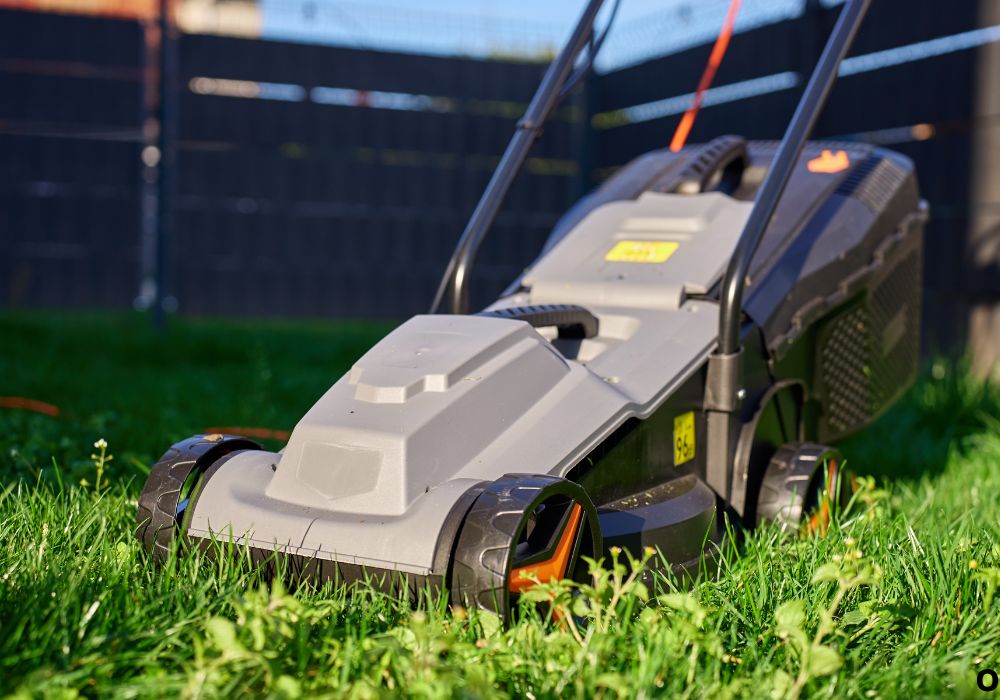
When it comes to how to measure lawn mower cutting width, many homeowners assume the number printed on the product label tells the full story.
In truth, that figure can represent several different dimensions depending on the manufacturer. The cutting width is the actual path the mower’s blades cover in a single pass, not the total size of the deck or the overall width of the machine.
Deck size refers to the metal or composite housing that shields the blades, while the total width includes attachments such as the discharge chute or bagging system.
A mower labeled “42 inches,” for example, might have a deck slightly wider than 42 inches and a total width of nearly 50 inches once the chute is attached.
Understanding this difference prevents frustration when measuring for storage space, gate clearance, or trailer transport.
Cutting width directly impacts mowing time, maneuverability, and even fuel consumption. A wider swath means fewer passes and faster results on large lawns, while smaller decks are easier to navigate around trees or flower beds.
Step-by-Step: How to Measure Lawn Mower Cutting Width
Learning how to measure lawn mower cutting width correctly prevents costly mistakes when choosing, maintaining, or upgrading your mower.
Many buyers rely on the manufacturer’s label, but actual measurements often vary based on blade design, deck shape, and chute placement.
Measuring the true cutting width yourself provides an accurate understanding of how much grass your mower cuts in one pass.
Start by parking the mower on a level surface and ensuring it is turned off completely. Disconnect the spark plug wire for safety or remove the battery if it’s electric.
Next, rotate the blades so they sit perpendicular to the mower’s forward path. This position allows you to measure from the tip of one blade to the tip of the opposite blade—this span represents the true cutting width.
For multi-blade mowers, measure across the outermost blade tips, including the overlap between them, since this determines the effective swath.
After recording the cutting width, compare it with the labeled size to note any differences. You may also measure the total deck width and overall mower width, including the discharge chute, especially if you need to confirm gate clearance or trailer fit.
These careful steps eliminate guesswork and ensure you understand your mower’s real cutting capability. Accurate measurement means better performance, smarter storage planning, and a mowing experience tailored perfectly to your lawn’s needs.
Deck Size vs. Overall Width vs. Blade Span
Understanding the relationship between deck size, overall width, and blade span is key when learning how to measure lawn mower cutting width. These three dimensions may sound similar, but each serves a different purpose and influences how efficiently your mower performs.
The deck size refers to the metal or composite housing that protects the blades beneath the mower. It gives structural support and determines how sturdy the mower feels during operation.
However, the cutting width—the distance between the outermost blade tips—is often slightly smaller than the deck’s physical size because of blade overlap and protective edges.
The overall width, on the other hand, includes additional attachments like the discharge chute or bagging system. This total width is what affects gate entry, trailer fit, and storage space.
A mower advertised with a 42-inch deck may actually measure closer to 50 inches overall once all accessories are attached.
Knowing these distinctions helps you compare models accurately. Shoppers often assume a 42-inch mower will fit through a 48-inch gate, only to find it doesn’t.
Measuring deck, cutting, and total width separately avoids such issues and ensures your mower not only cuts efficiently but also fits comfortably within your property’s boundaries.
Matching Cutting Width to Lawn Size and Terrain

Once you understand how to measure lawn mower cutting width, the next step is matching that width to your lawn’s size and terrain.
Choosing a mower that aligns with your yard’s dimensions ensures maximum efficiency and durability while reducing time and fuel consumption. A mismatch often leads to uneven cuts, wasted effort, or unnecessary wear on the machine.
For small lawns under half an acre, a mower with a cutting width between 18 and 22 inches is ideal. These compact models are lightweight, easy to maneuver, and perfect for navigating around flower beds, trees, or tight corners.
Medium-sized lawns up to one acre benefit from mowers with 30–42 inch decks, which balance coverage and mobility.
If your property spans more than an acre, consider a riding or zero-turn mower with a 48–60 inch cutting width. These handle open spaces more efficiently and reduce mowing time significantly.
However, for hilly or uneven terrain, slightly narrower decks offer better control and prevent scalping, especially when grass height varies.
It’s also important to consider physical constraints such as gates, slopes, and storage areas before finalizing a mower. A properly sized cutting width ensures not only faster mowing but also consistent results and longer machine life by minimizing strain on the engine and blades.
Special Cases: Reel, Wide-Area, and Zero-Turn Mowers
While most homeowners use standard walk-behind or riding mowers, understanding how to measure lawn mower cutting width correctly also applies to specialty types like reel, wide-area, and zero-turn mowers. Each category has unique designs that slightly change how measurements should be taken.
For reel mowers, the cutting width refers to the cylinder blade’s total span—the distance the rotating blades cover in one pass. These mowers are commonly between 14 and 20 inches wide, making them perfect for small, flat lawns that require a clean, scissor-like finish.
Since reel mowers rely on close blade contact, even small differences in alignment can affect accuracy, so measurements should always be taken from the outermost edge of the blade reel.
Wide-area mowers and zero-turn mowers often feature multiple blades under a large deck. The effective cutting width is measured from the tip of the outermost blades on each side, accounting for slight overlap between the blades to prevent uncut strips.
In some models, the advertised size already includes this overlap, but physically verifying the measurement ensures true accuracy.
Knowing how to measure these mower types properly helps when comparing commercial or large-property equipment. Whether it’s a compact reel mower or a heavy-duty zero-turn, accurate measurement guarantees efficient performance and optimal coverage with every pass.
Maintenance Factors That Influence Effective Cutting Width
Even when you know how to measure lawn mower cutting width precisely, that number can change over time due to maintenance issues.
Dull blades, uneven decks, and grass buildup can all reduce the mower’s effective cutting swath, leaving uncut strips and uneven results.
Regular upkeep ensures the mower consistently delivers its full cutting width and performs at its peak.
Blade sharpness is one of the biggest factors. Dull or damaged blades tear rather than cut grass, narrowing the mower’s real cutting path and putting extra strain on the engine.
Sharpening the blades every 20 to 25 hours of use or at least twice per mowing season maintains consistent performance. Replacing bent or chipped blades immediately also prevents uneven cutting.
Deck cleanliness and leveling matter just as much. Grass clippings and debris buildup inside the deck restrict airflow, leading to poor suction and missed patches. Cleaning the deck after each mow and checking its level on a flat surface help maintain a uniform cut.
Finally, proper tire pressure and consistent height adjustment ensure even blade contact across the entire width. Small details like these keep your mower’s cutting efficiency close to its original measurement, preserving both its precision and lifespan season after season.
Common Measurement Mistakes and Easy Fixes
Even experienced homeowners can misjudge how to measure lawn mower cutting width, leading to wrong purchases or frustrating mismatches.
A few small errors during measurement can create big problems later—like a mower that won’t fit through your gate, cuts unevenly, or takes longer to finish the job. Understanding these common mistakes and how to fix them helps you avoid costly inconveniences.
One frequent mistake is assuming the deck label equals the total cutting width. The number printed on a mower, such as 42 inches, usually refers only to the blade span—not the deck housing or overall mower width.
To fix this, always measure the distance between the outer blade tips and then verify the total width with the discharge chute in its operating position.
Another common error is measuring on uneven or grassy surfaces. This can distort your reading and give inaccurate results. Always measure on a flat, hard surface like a driveway or garage floor for true precision.
Neglecting attachments during measurement is another oversight. Accessories like baggers, mulchers, or anti-scalp rollers can extend total width.
By taking a few extra minutes to measure both cutting and overall dimensions, you’ll know exactly how your mower fits your yard and storage setup—ensuring reliable results every time you mow.
Conclusion
Accurately understanding how to measure lawn mower cutting width can make all the difference between a mower that fits your yard perfectly and one that constantly frustrates you.
The measurement isn’t just about numbers—it determines efficiency, compatibility, and even the long-term performance of your equipment.
By distinguishing between deck size, blade span, and total mower width, you can choose a model that suits both your lawn’s layout and your storage space.
Measuring correctly before buying or upgrading ensures your mower works efficiently, covers your lawn evenly, and minimizes wasted effort with every pass.
Proper maintenance also keeps that measurement meaningful over time. Clean decks, sharp blades, and level setups help your mower consistently cut at its designed width. These small details prevent uneven results and prolong the machine’s lifespan.

I’m Maya L. Greenwood, a lifelong plant lover who believes anyone can grow something beautiful with the right guidance. After years of testing soil mixes, pruning methods, irrigation tricks, and pest-safe solutions, I started EasyGardenTips.com to turn hard-won lessons into step-by-step advice. From seed starting and container gardens to composting and seasonal checklists, my goal is to make gardening simple, sustainable, and fun.