
Choosing the wrong garden hose diameter can lead to frustrating problems. Low water pressure, slow watering, and equipment incompatibility are common issues that many gardeners overlook.
Even a small difference in hose size can significantly impact water flow. Studies show that a 1/8-inch change in diameter can reduce water output by up to 20% (GardenersSupply.com).
Many gardeners struggle to match hoses with their fittings. Using an incompatible hose not only wastes time but can also damage expensive watering tools.
Measuring the diameter correctly ensures smooth water flow for all types of tasks. From light watering in small gardens to heavy-duty irrigation, the right size makes a noticeable difference.
Understanding hose diameters also prevents common problems like kinking and pressure drops. A properly sized hose maintains consistent flow, reduces wear and tear, and improves overall efficiency.
Understanding Garden Hose Diameters
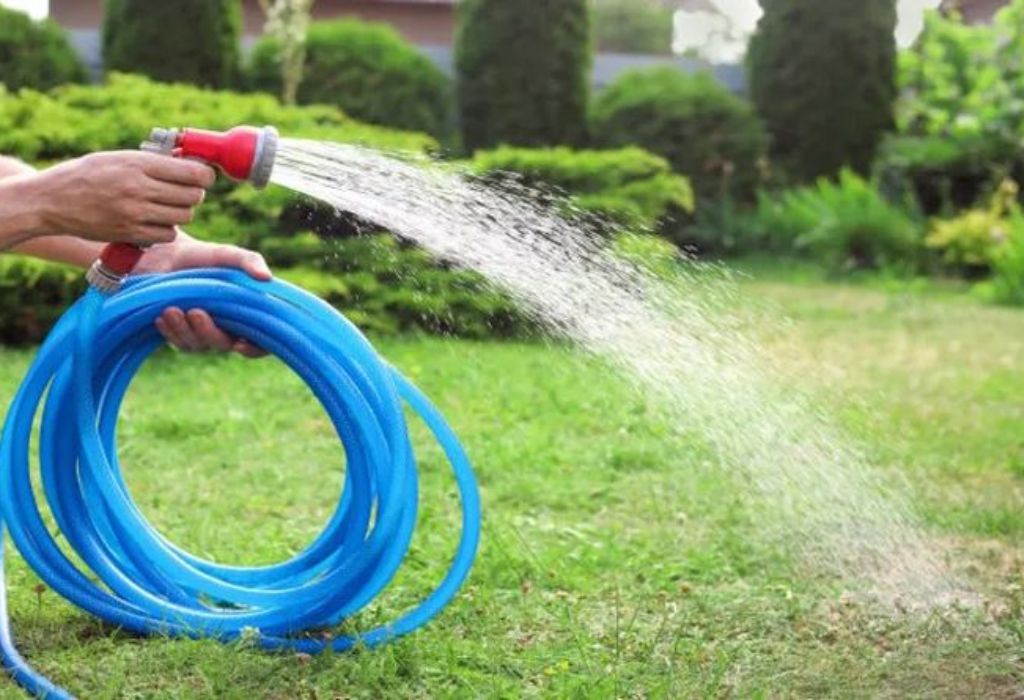
Garden hose diameter refers to the inner width of the hose. This measurement directly impacts water flow and pressure, which are critical for efficient gardening.
Standard garden hose sizes typically include 1/2-inch, 5/8-inch, and 3/4-inch diameters. Each size serves a different purpose, from light watering to heavy-duty irrigation.
A 1/2-inch hose is commonly used for small gardens and light watering tasks. Its narrower diameter delivers adequate flow without overwhelming delicate plants.
The 5/8-inch hose is the most versatile option. It provides balanced water flow and pressure suitable for most residential gardens and watering tasks.
For high-demand tasks like filling pools or powering sprinklers, a 3/4-inch hose is recommended. The wider diameter ensures maximum flow and reduces pressure loss over long distances.
Understanding the hose diameter is not just about water volume. It also determines compatibility with fittings, connectors, and other watering equipment. Using an incorrect diameter can lead to leaks, reduced efficiency, and equipment wear.
Hose diameter affects kinking as well. Narrower hoses are more prone to bending and blockage, whereas wider hoses maintain their shape and ensure smooth water delivery.
Selecting the correct diameter also influences water conservation. Properly sized hoses minimize water waste by delivering consistent flow to plants and lawns. According to the U.S. Environmental Protection Agency, inefficient watering systems can waste up to 30% of water in gardens (EPA WaterSense).
In addition, hose diameter impacts pressure drop over long distances. Smaller hoses lose pressure faster, which can compromise the performance of sprinklers and irrigation systems. Choosing the right diameter ensures steady pressure for even coverage.
Overall, understanding garden hose diameters is essential for any gardener. It guarantees efficient watering, preserves tools, and optimizes both flow and pressure across various applications.
Methods to Measure Garden Hose Diameter
Accurate measurement of a garden hose diameter is critical for optimal water flow and compatibility. Several methods are available, ranging from simple household tools to precise instruments.
A digital or vernier caliper provides the most accurate measurement. By placing the caliper around the inner edge of the hose, gardeners can read the exact diameter down to millimeters.
Tape measures are a practical alternative for those without calipers. Wrapping the tape around the hose and dividing the circumference by pi gives a reliable approximation of the inner diameter.
Paper tubes or adjustable rings can also be used for estimation. By inserting the hose end into a tube with a known inner diameter, gardeners can identify the closest matching size.
Each method has its advantages and drawbacks. Calipers deliver precision but may be unavailable to casual gardeners. Tape measures are widely accessible but may slightly underestimate or overestimate diameter if the hose is not perfectly round.
It is important to measure multiple points along the hose. Manufacturing tolerances can cause minor variations in diameter, and checking several points ensures an accurate overall reading.
Environmental factors also influence hose measurement. Temperature can slightly expand or contract hose material, so measurements should be taken at standard room temperature for consistency.
Visual inspection complements measurement tools. Checking the hose for visible wear, bulges, or irregularities helps identify sections that may affect water flow despite correct nominal diameter.
Proper measurement prevents long-term problems. An accurately measured hose avoids leaks, maintains consistent water pressure, and ensures that fittings and connectors are compatible.
By using these measurement methods consistently, gardeners can select hoses that optimize watering efficiency. Correct diameter selection directly impacts water conservation and reduces strain on watering systems.
Factors Affecting Garden Hose Diameter
Choosing the correct garden hose diameter is influenced by multiple factors. Understanding these variables ensures efficient watering and optimal performance.
Water pressure is a key consideration. High-pressure systems benefit from wider hoses to allow maximum flow without creating strain or turbulence.
Hose length also plays a significant role. Longer hoses experience more pressure loss, so a slightly larger diameter can help maintain consistent water delivery across extended distances.
The intended use of the hose affects diameter choice. Light watering tasks can use smaller hoses, while heavy-duty applications like power washing or sprinkler systems require wider hoses to maintain flow.
Environmental conditions may impact hose performance. Hot temperatures can expand hose material, slightly increasing the inner diameter, while cold can contract it, affecting water pressure.
Hose material affects flexibility and diameter stability. Reinforced hoses maintain their diameter better under pressure, while cheaper or thinner hoses may expand and constrict during use.
Compatibility with fittings and connectors is essential. Even minor differences in diameter can cause leaks, reduce water flow, and damage equipment over time.
Flow rate requirements influence diameter selection as well. Sprinklers, drip irrigation systems, and pressure washers each have specific flow needs, and choosing the correct hose diameter ensures these systems operate efficiently.
Maintenance considerations also matter. Wider hoses are less prone to kinking and clogging, reducing wear and prolonging the hose’s lifespan. Proper sizing improves durability and prevents costly replacements.
Selecting the right diameter based on these factors maximizes efficiency and conserves water. The U.S. Environmental Protection Agency estimates that efficient watering systems can save up to 20% of household water usage (EPA WaterSense).
By factoring in pressure, length, usage, material, and maintenance, gardeners can choose hoses that perform optimally. Correct diameter selection supports consistent water flow, prevents system strain, and enhances overall gardening productivity.
Common Garden Hose Sizes and Their Uses
Garden hoses come in several standard diameters, each suited for specific tasks. Understanding these sizes helps gardeners choose the right hose for their needs.
The 1/2-inch hose is the smallest standard size. It is ideal for light watering tasks, small gardens, or delicate plants that require low flow and gentle pressure.
The 5/8-inch hose is the most versatile option. It balances water flow and pressure, making it suitable for general garden watering, lawn maintenance, and medium-duty irrigation systems.
A 3/4-inch hose is designed for heavy-duty applications. Tasks like filling large pools, powering sprinklers, or operating pressure washers benefit from the high flow and reduced pressure drop of this larger diameter.
Choosing the correct size reduces water waste. Smaller hoses may not deliver enough flow for large areas, while oversized hoses can be cumbersome and difficult to maneuver.
Hose material also interacts with diameter. Reinforced hoses maintain their inner diameter under pressure, ensuring consistent performance across all applications.
Kinking and clogging are influenced by hose size. Smaller diameters are more likely to kink and restrict flow, whereas larger hoses maintain shape and allow smoother water delivery.
Compatibility with fittings and watering tools is essential. Using the wrong hose size can lead to leaks, reduced efficiency, and potential damage to nozzles and sprinklers.
Proper diameter selection contributes to overall gardening efficiency. According to a survey by Gardener’s Supply, using the correct hose diameter improves watering consistency and reduces time spent adjusting hoses (GardenersSupply.com).
By matching the hose size to the task, gardeners can optimize water pressure, flow, and efficiency. Each standard diameter serves a clear purpose, ensuring that watering, irrigation, and outdoor cleaning tasks are performed effectively.
Troubleshooting Common Hose Diameter Issues
Even with the correct hose diameter, gardeners may encounter problems that reduce efficiency. Understanding these issues ensures smooth water flow and prevents damage.
Incompatible fittings are a common problem. When hose diameter does not match connectors or nozzles, leaks can occur, reducing water pressure and wasting resources.
Reduced water flow often signals a mismatch between hose diameter and water source. Narrow hoses may restrict flow, while longer hoses experience pressure drops that affect performance.
Kinking is another frequent challenge. Hoses that are too narrow or poorly reinforced are prone to bending, which obstructs water flow and increases wear.
Blockages from debris or mineral buildup can mimic diameter problems. Even correctly sized hoses can have reduced flow if sediment accumulates over time.
Environmental factors also contribute. Extreme heat can soften hose material, causing bulges or distortions, while cold temperatures can make hoses stiff, affecting flexibility and flow.
Improper storage impacts hose performance. Coiling hoses too tightly or exposing them to sunlight for long periods can deform the hose diameter and reduce water efficiency.
Maintenance practices mitigate these issues. Regular inspection, flushing, and cleaning help maintain consistent inner diameter and flow rate over time.
Upgrading hose size may solve persistent problems. For example, switching from a 1/2-inch to a 5/8-inch hose can restore water flow and prevent kinking for medium-duty watering tasks.
Understanding these common issues allows gardeners to troubleshoot effectively. Proper diameter selection combined with careful maintenance ensures consistent performance and extends the hose’s lifespan.
Tips for Maintaining and Extending Garden Hose Life
Proper maintenance plays a vital role in preserving the performance and lifespan of a garden hose. Regular care prevents leaks, kinks, and pressure issues that can arise from daily use.
Storing hoses correctly is one of the simplest maintenance steps. Coiling the hose loosely on a reel or hanger prevents bending and reduces stress on the inner diameter.
Avoid exposing hoses to extreme sunlight for prolonged periods. UV rays can weaken the material, causing cracks or bulges that compromise flow and durability.
Flushing the hose periodically helps remove dirt, debris, and mineral buildup. Sediment accumulation can reduce effective diameter and water flow, especially in areas with hard water.
Checking fittings and connectors ensures tight seals and prevents leaks. Even a small mismatch or worn gasket can cause significant water loss and reduce pressure.
During colder months, draining hoses completely before storage prevents water from freezing inside. Frozen water can expand and deform the hose diameter, causing permanent damage.
Using hose guides or protective sleeves reduces wear in high-traffic areas. Dragging hoses across rough surfaces can abrade the outer layer, weakening the structure and affecting performance.
Reinforced hoses maintain their shape and diameter better than standard hoses. Investing in high-quality materials pays off with fewer kinks, better flow, and longer lifespan.
Routine inspection is key. Look for soft spots, cracks, or areas where water flow seems restricted. Early detection allows for timely repair or replacement, preventing bigger problems down the line.
By following these maintenance practices, gardeners can ensure consistent water pressure, optimize hose performance, and extend the useful life of their garden equipment. Proper care complements accurate diameter selection, creating a reliable watering system that performs efficiently throughout the year.
Conclusion
Accurately measuring the diameter of a garden hose is essential for efficient watering and system compatibility. Correct sizing ensures optimal water flow, consistent pressure, and reduces wear on fittings and tools.
Understanding standard hose sizes, methods of measurement, and factors affecting diameter allows gardeners to make informed choices. Selecting the right hose prevents leaks, kinking, and flow issues, saving time and water.
Proper maintenance and careful selection extend the lifespan of hoses and improve overall gardening efficiency. Regular inspection and cleaning help maintain consistent performance across all tasks.
By applying these insights, gardeners can optimize their watering systems, reduce resource waste, and achieve better results with every application. Choosing the right hose diameter is a small step that has a big impact on garden productivity.
Consider reviewing your current hoses and measurement methods. Ensuring proper diameter compatibility can transform routine gardening into a more efficient and enjoyable experience.

I’m Maya L. Greenwood, a lifelong plant lover who believes anyone can grow something beautiful with the right guidance. After years of testing soil mixes, pruning methods, irrigation tricks, and pest-safe solutions, I started EasyGardenTips.com to turn hard-won lessons into step-by-step advice. From seed starting and container gardens to composting and seasonal checklists, my goal is to make gardening simple, sustainable, and fun.