
It’s a sunny Saturday morning. You’re ready to tackle the lawn, but as you glance at your mower, you start thinking about how much you’ve spent keeping it running. Your neighbour across the fence powers up a whisper-quiet electric mower while you fill your petrol tank yet again.
That moment of comparison sparks a common question among homeowners — which mower really costs less to maintain over time?
Electric lawn mowers have surged in popularity for their quiet, clean operation and minimal upkeep. Meanwhile, traditional petrol models are known for raw power and durability, but they demand regular servicing.
In this comprehensive guide, we’ll break down the real maintenance costs of both mower types. You’ll discover what each requires, how much you can expect to spend yearly, and which one gives you better long-term value for your money.
Understanding Maintenance Needs for Both Mower Types

Electric and petrol mowers may look similar, but what’s under the hood makes all the difference in upkeep. Electric models rely on a simple motor powered by either a cord or a rechargeable battery. Petrol mowers, by contrast, contain complex combustion engines that demand routine care.
A petrol mower’s moving parts — pistons, valves, spark plugs, filters, and belts — all need periodic attention. Electric versions skip most of these, leaving mainly blades, housing, and batteries to maintain.
This mechanical simplicity means fewer potential failures for electric users. However, battery health and charging habits still play a vital role in long-term reliability.
What parts need regular maintenance?
Electric mowers mainly need blade sharpening and battery care. Petrol mowers require oil, filters, and plug changes.
Do both need blade sharpening?
Yes, dull blades increase resistance and wear the motor or engine faster.
How often should they be serviced?
Petrol mowers annually; electric ones every two to three years or as needed.
Which is easier to maintain at home?
Electric mowers are far simpler for DIY upkeep.
Are spare parts easy to find?
Yes, though petrol parts are more standardised across brands.
Cost Breakdown of Electric Lawn Mower Maintenance
Electric mowers are designed to be nearly maintenance-free compared to petrol models. Still, some small expenses and habits ensure they run efficiently for years.
Basic Cleaning and Blade Care
Cleaning after each use prevents moisture damage and corrosion. A soft brush or cloth is usually all that’s needed. Blade sharpening once or twice a season costs around £10–£20 if done professionally.
Battery and Electrical Components
Lithium-ion batteries typically last 3–5 years, depending on charging habits. Replacements cost between £80 and £200. Electricity consumption is minimal — roughly £0.05–£0.15 per mow, depending on your local energy rate.
Motors rarely require repair. However, should one fail after warranty, replacement can cost around £60–£120, still far below an engine overhaul.
Long-Term Ownership Costs
Including small cleaning supplies and occasional sharpening, expect an annual cost of £15–£40 for an electric mower. That’s roughly a third of what most petrol mower owners spend.
How much does annual maintenance cost?
Usually between £15 and £40.
Do batteries increase long-term costs?
Yes, but only every few years when replaced.
Are electric mowers cheaper to repair?
Absolutely. Fewer parts mean lower repair bills.
Do they need professional servicing?
Not often — basic maintenance can be done at home.
Is there a big cost gap between corded and cordless?
Corded models are cheapest since they lack batteries.
Cost Breakdown of Gas Lawn Mower Maintenance
Petrol mowers demand consistent maintenance to keep engines healthy. Each part contributes to overall upkeep, adding both time and expense.
Engine-Related Maintenance
Regular oil changes, spark plug replacements, and air filter cleanings are essential. A standard service costs about £40–£60. You’ll also need to replace spark plugs annually (£5–£10) and filters every few months.
Carburettor cleaning, belt adjustments, and pull-cord repairs can add occasional costs of £20–£50 each. Over several seasons, these routine tasks add up quickly.
Fuel Costs and Seasonal Servicing
Petrol costs are the most significant expense. For weekly mowing, fuel use may total £50–£90 per year, depending on lawn size.
Before winter, you must drain leftover fuel, lubricate metal parts, and prepare for storage — a process costing £20–£40 annually if done properly.
Long-Term Repair Costs
Engines have more moving parts, so repairs can be expensive. Major tune-ups or part replacements may range from £100 to £200.
Altogether, expect an average yearly maintenance cost of £70–£150 for a petrol mower, making it notably pricier than electric models.
How much does petrol mower upkeep cost yearly?
Around £70–£150 depending on usage.
Do petrol engines last longer?
Yes, but they need far more servicing.
Is fuel the biggest expense?
Yes, alongside periodic engine tune-ups.
How often should oil and plugs be changed?
At least once a year, more often for frequent users.
Can I cut costs by doing maintenance myself?
Yes, but you’ll still need to buy quality oil and filters.
Side-by-Side Maintenance Cost Comparison
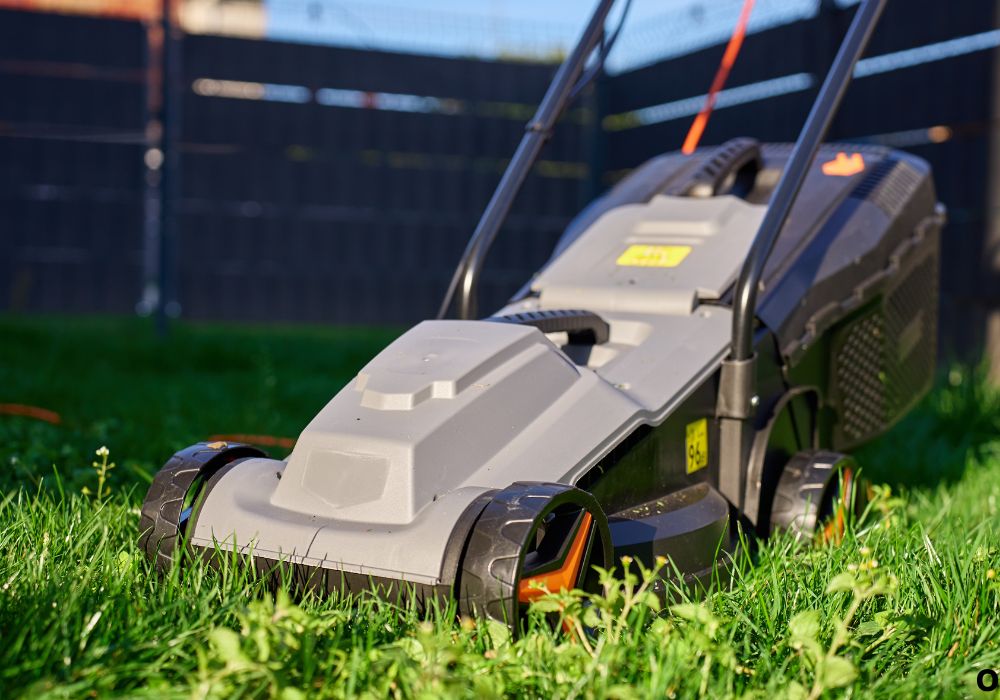
When comparing electric vs petrol mowers, electric options clearly win in simplicity and annual savings.
Here’s a quick summary:
| Maintenance Area | Electric Mower | Petrol Mower |
| Blade Sharpening | £10–£20/year | £10–£20/year |
| Power Source | £5–£15/year electricity | £50–£90/year fuel |
| Servicing | £0–£20/year | £40–£100/year |
| Major Repairs | Rare (£60 motor) | Common (£100–£200 engine) |
| Annual Average | £20–£40 | £80–£150 |
While petrol mowers might seem more powerful, their upkeep can cost three to four times more over the same lifespan.
Electric mowers also provide savings in indirect areas such as time, noise, and convenience. Petrol models, however, still appeal to professionals or those with larger lawns needing consistent torque.
Which has lower ownership costs?
Electric mowers win easily on maintenance.
Do electric models hold value better?
Yes, as they wear slower with fewer moving parts.
What about noise and emissions?
Electric mowers are cleaner and much quieter.
Does maintenance affect lifespan?
Absolutely — routine care doubles longevity.
Which offers better value over five years?
Electric mowers, by a significant margin.
Longevity and Durability Differences
Durability often depends on build quality, not just the power source. Still, petrol mowers traditionally outlast electric ones due to their rugged design and repairable engines.
A well-maintained petrol mower can run 8–10 years or longer, while an electric model typically lasts 5–8 years before battery decline or motor fatigue.
However, many modern electric mowers now use brushless motors, which dramatically extend service life. Plus, replacing a battery is cheaper than rebuilding an engine.
Regular cleaning and storage play a major role in both mowers’ longevity. Leaving fuel or moisture inside either system shortens its life quickly.
Which lasts longer?
Petrol mowers usually do, but with higher running costs.
Does good maintenance make a difference?
Yes, it can add several years to lifespan.
Are electric mowers fragile?
Not at all — newer models use durable polymer decks and brushless motors.
Do petrol mowers resist heavy use better?
Yes, they handle large lawns and thick grass better.
Does battery wear shorten life?
Eventually, though replacements are affordable and easy.
How to Reduce Maintenance Costs for Both Mower Types
You can lower costs significantly through small but consistent habits.
Clean the mower after every use to prevent buildup of grass and moisture. This keeps blades sharp and decks rust-free.
For electric models, store batteries in a cool, dry area and charge only when needed. Avoid deep discharges or leaving them plugged in unnecessarily.
For petrol mowers, change oil on schedule, use fresh fuel, and clean filters often. Always empty the tank before winter storage to avoid gumming.
Finally, sharpen blades regularly and avoid mowing wet grass — it strains motors and engines alike.
What’s the best way to lower costs?
Clean after every use and follow a seasonal care routine.
Can regular cleaning boost performance?
Yes, it reduces resistance and extends component life.
Should I sharpen blades myself?
If comfortable, yes — otherwise hire a local service.
Is battery care really important?
Absolutely, it affects both runtime and lifespan.
How can I make either type last longer?
Use quality fuel, store properly, and avoid overloading.
Environmental and Hidden Costs to Consider
Beyond money, environmental and social factors affect the overall value of each mower type.
Electric mowers emit zero exhaust, produce minimal noise, and require no fuel storage. They’re ideal for eco-conscious homeowners and urban environments.
Petrol mowers, while powerful, release carbon emissions and noise pollution. Over several years, the cost of fuel, oil, and maintenance materials adds up both financially and environmentally.
Electricity costs are far more stable than petrol prices, which fluctuate seasonally. Moreover, future regulations may tighten restrictions on fossil-fuel equipment, potentially raising costs for petrol mower users.
Do electric mowers save on energy bills?
Yes, electricity is far cheaper per use than petrol.
Are electricity rates a major factor?
Only slightly — overall savings remain strong.
Do eco-taxes apply to petrol use?
They could in future as emission laws tighten.
Is noise pollution a hidden cost?
Yes, it can restrict when and where you mow.
Can I charge mowers using solar power?
Yes, many homeowners now do for zero-cost energy.
Which One Should You Choose Based on Maintenance Budget
If maintenance cost is your top concern, the electric lawn mower is the clear winner. It offers convenience, affordability, and clean performance with minimal ongoing expense.
For small and medium gardens, electric mowers provide more than enough power while keeping annual costs under £40. They’re ideal for those who prefer simplicity and sustainability.
However, if you have a large, uneven, or heavily grassed property, a petrol mower might still make sense. It can handle longer sessions without charging and stands up well to demanding work, albeit at higher maintenance cost.
In essence, your decision depends on lawn size, mowing frequency, and comfort with maintenance tasks.
Which suits small gardens best?
Electric mowers — they’re light, quiet, and cost-efficient.
Are electric mowers good for professionals?
Not ideal for heavy commercial use; petrol suits better.
Do petrol mowers cost more overall?
Yes, especially with rising fuel and service costs.
What’s better for irregular mowing schedules?
Electric mowers are more forgiving, needing no pre-start prep.
How does lifestyle affect choice?
If you value quiet, low effort, and clean operation — go electric.
Conclusion
When comparing electric vs gas lawn mower maintenance cost, the results are clear. Electric mowers are far cheaper and simpler to maintain, requiring only basic cleaning and occasional battery replacement. Petrol mowers, though more powerful and longer-lasting, demand constant attention — oil changes, fuel expenses, and engine servicing all add up.
On average, electric mower upkeep costs £20–£40 per year, while petrol models can reach £80–£150 or more. Over a five-year period, that difference could easily fund a brand-new electric mower.
For most homeowners, the electric option delivers the best balance of cost, convenience, and eco-friendliness. Petrol mowers still make sense for large gardens or professional use, but if you want quiet reliability and minimal expense, going electric is the smarter long-term choice.

I’m Maya L. Greenwood, a lifelong plant lover who believes anyone can grow something beautiful with the right guidance. After years of testing soil mixes, pruning methods, irrigation tricks, and pest-safe solutions, I started EasyGardenTips.com to turn hard-won lessons into step-by-step advice. From seed starting and container gardens to composting and seasonal checklists, my goal is to make gardening simple, sustainable, and fun.