Craftsman Vs Husqvarna Leaf Blower: Detailed Comparison and Verdict
If you’re weighing the craftsman vs husqvarna leaf blower, the short answer is simple: choose the CRAFTSMAN V20 for quick, lightweight cleanup on hard surfaces, and the Husqvarna 150BT for substantially more blowing force and demanding yard work.
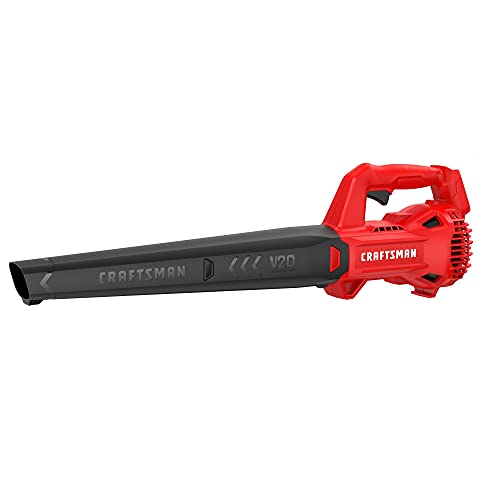
The CRAFTSMAN moves up to 200 CFM at up to 90 MPH. It’s a compact cordless blower with a built-in scraper, but it’s sold without a battery or charger.
The Husqvarna is a gas-powered backpack blower with a 51-cc, 2.16-HP two-cycle engine. Its stated output is up to 765 CFM, 270 MPH, and 22 N of blowing force—a different scale of tool for heavy or wet leaves.
Below, I’ll compare their output, setup, handling, and trade-offs so you can match the blower to your yard. The right pick depends less on brand loyalty than on what you need to move and how much equipment you want to manage.
| CRAFTSMAN V20 Cordless Leaf Blower, Hard Surface Blower, Bare Tool | Husqvarna 150BT Gas Backpack Leaf Blower, 51-cc 2.16-HP 2-Cycle | |
 |
 |
Craftsman Vs Husqvarna Leaf Blower Detailed Comparison
These two leaf blowers are built around different jobs. The CRAFTSMAN V20 is a small cordless hard-surface blower for everyday clearing, such as moving dry leaves off a patio, sweeping debris from a driveway, or tidying a walkway. Its compact, lightweight design makes it the more straightforward choice for short cleanup sessions.
The Husqvarna 150BT is a backpack gas blower intended for more demanding lawn care. Its 51-cc, 2.16-HP engine produces up to 765 CFM, 270 MPH, and 22 N of blowing force. Those figures give it a much higher stated output than the CRAFTSMAN’s 200 CFM and 90 MPH, which matters when debris is heavy, damp, or spread across a larger area.
CFM and MPH describe different parts of airflow: CFM measures the volume of air moved, while MPH describes air speed. Neither number alone tells you exactly how a blower will perform on every pile, but both make the scale of this comparison clear. The Husqvarna is the stronger choice for demanding debris; the CRAFTSMAN is aimed at lighter, controlled cleanup.
Power also changes the setup. With the CRAFTSMAN, the battery and charger are separate purchases, so factor those into your decision if you don’t already have what you need. The Husqvarna uses a two-cycle gas engine, so expect fuel preparation and routine engine care rather than battery charging. Follow its instructions for the correct fuel and maintenance procedures.
Handling is another real dividing line. The CRAFTSMAN is compact and lightweight, and its integrated scraper can help loosen stubborn debris before blowing it away. The Husqvarna’s backpack format includes a padded harness, hip belt, and weight-leveling load management system, along with a variable-speed throttle and cruise control. Those features are designed for extended or demanding use, but they don’t make the backpack format identical to carrying a compact handheld blower.
Key Differences That Matter
Air output and the debris you need to clear
The CRAFTSMAN is rated up to 200 CFM and 90 MPH. Those figures suit its intended role: moving debris across hard surfaces during routine cleanup. Think of leaves on a driveway or a light scattering around a patio, rather than a large, wet pile embedded in grass.
The Husqvarna’s ratings are up to 765 CFM and 270 MPH, with 22 N of blowing force. Its higher numbers and stated use for heavy, wet leaves point to a better fit for tougher yard work. That extra capacity may be unnecessary if your main task is clearing a small paved area; it matters more when a low-output blower would leave you making repeated passes.
Don’t treat a rating as a guarantee that every leaf will move in one pass. Debris moisture, surface texture, pile depth, and how you direct the airflow all affect the job. Still, if you regularly face heavy or wet material, the Husqvarna’s output is the clearer match.
Cordless convenience versus gas operation
The CRAFTSMAN runs on a battery, but the battery and charger are not included. That’s an important budget and setup detail: a bare tool isn’t ready to use by itself. Check what you’ll need before buying, and consider expected runtime for your cleanup routine rather than assuming a battery will last through any job.
The Husqvarna’s gas engine avoids the need to recharge a battery between jobs, but it brings a different routine. You’ll need to manage fuel and follow the engine’s care instructions. Its air-purge system is designed to remove air from the carburetor and fuel system for easier starting; it doesn’t eliminate the need for correct setup and maintenance.
Neither power system is universally easier. A cordless blower avoids gas-engine preparation, while a gas backpack blower is built for demanding work without relying on a charged battery. Your preference for simpler short sessions or higher-output gas equipment should guide the choice.
Handheld form versus backpack support
The CRAFTSMAN’s compact, lightweight design favors maneuverability. That can be useful when you’re moving between a porch, steps, and a short stretch of pavement, or when you don’t want to bring out a larger piece of equipment for a small task. Its integrated scraper also gives you a way to tackle stubborn debris before blowing.
The Husqvarna distributes its backpack-style load through a padded harness and hip belt, with a weight-leveling system designed to support comfort. Its variable-speed throttle lets you adjust output, and cruise control can hold a selected speed without constant throttle adjustment. These are meaningful features for longer or more demanding clearing sessions, though personal fit and carrying comfort still matter.
The products don’t have directly comparable weight figures here, so it wouldn’t be fair to claim exactly how much heavier one is. Their form factors are clear, though: one is a compact handheld tool, and the other is worn as a backpack. If carrying comfort is a deciding factor, consider the harness fit and the way you’ll move around your property.
Hard-surface cleanup versus broader yard work
The CRAFTSMAN’s stated job is cleanup on hard surfaces. That makes it a practical fit for paved areas where leaves and loose debris need to be pushed aside, and where the scraper may help with material that doesn’t shift easily. It’s less compelling as the only blower for a property that regularly produces heavy, wet leaf piles.
The Husqvarna is described for regular yard maintenance and more demanding jobs, including heavy, wet leaves and debris. Its higher airflow ratings support that broader workload. For occasional patio cleanup, however, its gas engine and backpack setup may be more equipment than you want to deal with.
Performance, Features, and Everyday Use
For a quick cleanup, the CRAFTSMAN’s main advantage is having a simple, compact format. You can use it to move loose leaves and debris off a hard surface, then reach for the integrated scraper if something is stubborn. That combination is useful for a patio or driveway that needs frequent light attention, especially when a full yard cleanup would be overkill.
Keep the bare-tool detail in mind. If you don’t already have a suitable battery and charger, you’ll need to account for them before you can use the blower. The product information doesn’t establish a runtime, so think about the size of the area and length of your typical session, then check battery options and expected runtime before deciding. A compact tool still needs enough power on hand to finish the job.
The CRAFTSMAN is also compatible with the VERSATRACK Wall Organization System through an integrated hook; that wall system is sold separately. This can be handy if you already use that storage setup and want to hang the blower between jobs. If you don’t, treat the hook as a storage convenience rather than a reason to buy a separate organizing system.
The Husqvarna calls for a different start-of-job routine. Its air-purge system is designed to clear air from the carburetor and fuel system to make starting easier. Since it is a two-cycle gas engine, follow the manufacturer’s fuel and care directions rather than guessing at preparation or maintenance.
During operation, variable-speed throttle gives you control over airflow, and cruise control lets you maintain a chosen speed without continuously regulating the throttle. That can reduce the need to hold one position throughout a longer task. The 22 N blowing-force rating and high CFM and MPH figures make it the more suitable option when the job calls for moving heavy or wet material, not simply dusting leaves off a walk.
The backpack harness includes padding, a hip belt, and a weight-leveling system intended to improve comfort. That design is a practical consideration if you expect to work across a broader area, because it’s made to support the blower as a worn tool. It’s still smart to think about your own comfort with a backpack-style machine; a harness doesn’t make a gas blower as small or simple to carry as a compact handheld model.
Noise, exact product weight, fuel consumption, and battery runtime aren’t established by the specifications here. If any of those could make or break your decision, check the details for the specific configuration you’re considering and your local operating requirements. Avoid assuming that higher output automatically means a better fit: a powerful blower can be an unnecessary expense and hassle for a few dry leaves on a patio.
Also consider the surface. Blowing toward a clear destination can make either tool more useful than simply scattering debris around the yard. For regular light work on pavement, the CRAFTSMAN’s intended hard-surface role and scraper are relevant advantages. For widespread, demanding cleanup, the Husqvarna’s substantially higher output is the more persuasive reason to accept gas-engine upkeep and backpack handling.
Pros and Cons
CRAFTSMAN V20 Cordless Leaf Blower, Hard Surface Blower, Bare Tool
Pros
- ✓Compact and lightweight: Easier to maneuver for quick hard-surface cleanup.
- ✓Integrated scraper: Helps loosen stubborn debris before blowing.
- ✓VERSATRACK hook: Offers a hanging option if you use that wall system.
Cons
- –Battery and charger sold separately: Adds setup and cost if you need both.
- –Lower stated output: A poor match for frequent heavy, wet leaf piles.
Husqvarna 150BT Gas Backpack Leaf Blower, 51-cc 2.16-HP 2-Cycle |
Pros
- ✓High stated output: 765 CFM, 270 MPH, and 22 N suit demanding cleanup.
- ✓Backpack support: Padded harness, hip belt, and load management support carrying comfort.
- ✓Cruise control: Holds a selected speed without constant throttle adjustment.
Cons
- –Gas-engine upkeep: Requires fuel preparation and routine care.
- –Backpack format: More equipment than some buyers need for small paved areas.
Which One Should You Buy?
Choose the CRAFTSMAN V20 if your usual job is clearing dry leaves or loose debris from a driveway, patio, or walkway. Its compact, lightweight design is appealing when you want a maneuverable tool for short sessions, and the scraper is a useful extra for stubborn material. Just include the separate battery and charger in your plan if you don’t already have them.
Who Should Skip This: Skip the CRAFTSMAN if you regularly need to move heavy, wet leaves across a large yard or want the substantially higher output of a gas backpack blower. Its 200 CFM and 90 MPH ratings serve a different scale of work than the Husqvarna’s figures.
Choose the Husqvarna 150BT if demanding yard cleanup is a regular part of your routine, especially when heavy or wet debris is involved. Its 51-cc, 2.16-HP engine, 765 CFM, 270 MPH, and 22 N rating make it the clear output-focused option. The harness, hip belt, and load-leveling system are designed to support backpack use, while cruise control can make it easier to maintain a chosen throttle setting.
Who Should Skip This: Skip the Husqvarna if your needs are mostly quick, light cleanup on a small hard surface and you’d rather avoid gas-engine preparation and care. In that situation, the extra output may not solve a real problem, and the backpack format may feel like more tool than the task calls for.
Before buying either one, picture your most common cleanup—not the rare worst-case job alone. If the typical pile is a few dry leaves by the driveway, the CRAFTSMAN is the more sensible match. If heavy, wet leaves are a recurring chore, choosing the lower-output option could mean a frustrating mismatch; if your work is light, choosing the gas backpack blower could mean extra upkeep without much benefit.
FAQS About Craftsman Vs Husqvarna Leaf Blower
Which leaf blower is more powerful, the CRAFTSMAN V20 or Husqvarna 150BT?
The Husqvarna has much higher stated output: up to 765 CFM, 270 MPH, and 22 N, compared with the CRAFTSMAN’s up to 200 CFM and 90 MPH. That makes the Husqvarna the stronger fit for demanding debris, including heavy or wet leaves.
Is the CRAFTSMAN V20 leaf blower ready to use out of the box?
Not by itself: the CRAFTSMAN is a bare tool, and its battery and charger are sold separately. Check what you need for a complete setup before choosing it.
Which is better for a driveway or patio?
The CRAFTSMAN is specifically suited to hard-surface cleanup and has a compact design and integrated scraper. The Husqvarna can handle demanding work, but its higher output and backpack gas format may be more than a small paved area requires.
Is the Husqvarna 150BT a better choice for wet leaves?
It’s the better match of these two for heavy, wet leaves. Its higher airflow ratings and stated 22 N of blowing force are intended for more demanding yard work than the CRAFTSMAN’s hard-surface cleanup role.
Should I choose a cordless or gas leaf blower?
Choose the CRAFTSMAN if you value a compact cordless format for lighter jobs and have a plan for its separate battery and charger. Choose the Husqvarna if you need much higher output and are comfortable managing a two-cycle gas engine.
Final Verdict: Which One Wins?
The CRAFTSMAN V20 wins for quick, light cleanup on hard surfaces. Its compact design and integrated scraper make sense for patios, walks, and driveways, as long as you account for the separately sold battery and charger.
The Husqvarna 150BT wins for demanding yard work, especially when heavy or wet leaves are a regular problem. Its much higher stated output and backpack support suit that workload, but the gas engine brings fuel and maintenance responsibilities.
There isn’t one winner for every yard. Buy the CRAFTSMAN for convenient hard-surface tidying; buy the Husqvarna when you genuinely need its greater blowing force and are willing to manage a gas backpack blower.

I’m Maya L. Greenwood, a lifelong plant lover who believes anyone can grow something beautiful with the right guidance. After years of testing soil mixes, pruning methods, irrigation tricks, and pest-safe solutions, I started EasyGardenTips.com to turn hard-won lessons into step-by-step advice. From seed starting and container gardens to composting and seasonal checklists, my goal is to make gardening simple, sustainable, and fun.