
If you’re starting out with indoor gardening, you might be worried about your plants. One big question is whether can grow lights burn leaves. It’s a common concern! Many new gardeners accidentally damage their plants because they don’t know the best way to set up their grow lights. But don’t worry, it’s easier to prevent than you might think. This guide will help you understand what causes leaf burn and show you step-by-step how to keep your plants happy and healthy. Let’s get started!
Understanding the Basics of Grow Lights
Grow lights are a fantastic tool for indoor plant care. They provide the specific wavelengths of light that plants need to thrive. Unlike natural sunlight, which can vary depending on the weather and the time of year, grow lights offer a consistent and controlled light source. This is especially helpful for plants that need a lot of light or if you live in an area with limited sunlight. Different types of grow lights use various technologies and each has its own benefits and drawbacks. Knowing the different types of grow lights is important for deciding which is the best for your plants. It’s an important step for anyone wanting to nurture plants indoors.
Types of Grow Lights
There are several types of grow lights available, each with its own advantages and disadvantages. Choosing the right one depends on your budget, the size of your growing area, and the specific needs of your plants. Let’s look at some of the most common options.
-
- LED Grow Lights: These are some of the most popular grow lights. They are energy-efficient and produce very little heat. They come in a wide range of spectrums, making them adaptable for all plant types. Many LEDs have customizable settings.
LED grow lights are a favorite among growers because they provide energy savings and produce less heat, which reduces the chance of leaf burn. The light spectrum can be adjusted, allowing growers to provide the precise light their plants need for different stages of growth, from seed to flower. Modern LEDs can last for many years, which can mean big savings on replacement lights.
-
- Fluorescent Grow Lights: These lights are a more affordable option and are often used by beginners. They are efficient and produce less heat. They are a good choice for leafy plants.
Fluorescent grow lights are a good choice if you’re on a budget. They are great for starting seeds and for plants that don’t need intense light. Fluorescent lights are available in different forms, including T5 and T8 tubes. The T5s provide a more intense light, which means they can be put further away from your plants.
-
- HID Grow Lights: These are high-intensity discharge lights. They include metal halide and high-pressure sodium. They are very powerful and great for bigger growing spaces and plants. They produce a lot of heat, which can be an issue.
HID grow lights give off a lot of light, making them perfect for large grows or plants that need a lot of sun. Because of their heat output, HID grow lights need good ventilation to stop leaves from burning. They also need some kind of ballast to control the electricity they need.
Key Light Terms to Know
Before you start using grow lights, it’s good to learn a few terms. Knowing them will help you pick the best lights and use them correctly, so your plants are as healthy as possible. Understanding these key terms will help you make better decisions for your plants.
-
- PAR (Photosynthetically Active Radiation): PAR is the range of light wavelengths that plants use for photosynthesis (the process plants use to turn light into energy). The amount of PAR your grow lights produce is important for plant health.
PAR is often measured in micromoles per square meter per second (µmol/m²/s). The higher the PAR level, the more light the plants get for photosynthesis. Different plant species need different PAR levels.
-
- PPFD (Photosynthetic Photon Flux Density): PPFD measures the number of PAR photons that fall on a specific surface area each second. Think of it as how intense the light is reaching the leaves.
PPFD is a critical measurement when deciding how to position your grow lights. It helps you get the right balance between how much light your plants get and preventing problems like leaf burn. When buying grow lights, look at the PPFD ratings to make sure you’re providing the best light for your plants’ needs.
-
- Light Spectrum: This refers to the range of colors of light that a grow light produces. Different plants have different needs. Some need more blue light (for growth), while others need more red light (for flowering).
Grow lights can have different light spectrums depending on their design. Full-spectrum lights aim to mimic the sun’s light and are suitable for most plants. The spectrum of the grow light affects plant growth, flower production, and overall health. LED grow lights often let you adjust the spectrum for different plant needs.
Can Grow Lights Burn Leaves? Common Causes and Prevention
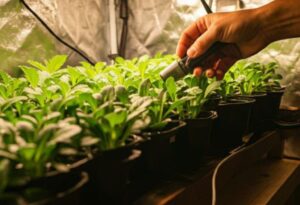
Yes, can grow lights burn leaves. It’s usually caused by too much light or heat. This can damage leaves, making them turn yellow, brown, or crispy. Understanding why this happens and how to prevent it will help keep your plants healthy. Getting it right ensures your plants receive the optimal light they need without the risk of harm.
Too Much Light
Overexposure to light is a common cause of leaf burn. It’s important to understand how much light your plants need and to adjust your grow lights accordingly. Plants that get too much light can suffer, especially if the lights are too close.
-
- Light Intensity: The intensity of the light is critical. Too much light energy can overload the plant’s photosynthetic processes, leading to damage.
Light intensity is measured in PPFD. Different plants have different needs. Seedlings and young plants need less light than mature plants. Some plants can tolerate more intense light than others. Make sure you know what your plants need to protect them.
-
- Distance from Lights: The distance between the grow lights and the plants is very important. Putting lights too close can cause light burn.
How far your lights should be from your plants depends on the type and power of your grow lights. Always start with the manufacturer’s recommendations. As your plants grow, you may need to adjust the distance to avoid burning.
-
- Duration of Light Exposure: How long your plants are exposed to light each day also matters. Too much light for too long can damage the leaves.
Most plants need about 12-16 hours of light a day during the growing season. Too much or too little light exposure can affect the plant’s health. Adjust the lighting schedule for different stages of plant growth.
Excessive Heat
Heat from grow lights can also burn leaves. Some lights give off a lot more heat than others, and it’s something to think about when choosing lights and setting up your grow room.
-
- Heat Output of the Lights: HID lights, for example, produce a lot of heat, which can easily burn leaves if the lights are too close or the ventilation is poor.
LED lights generate far less heat than other types of grow lights. If you are using HID lights, make sure there is enough airflow in the growing area. LED grow lights are great if you want to avoid heat problems.
-
- Poor Ventilation: Airflow is important. If there isn’t enough air moving around your plants, heat will build up, increasing the risk of leaf burn.
Make sure your growing area has good air circulation. You can use fans to help move air around and keep the temperature down. Proper ventilation helps remove heat and provides fresh air with carbon dioxide.
-
- Enclosed Spaces: Grow rooms or tents can get very hot, especially if the lights are powerful and ventilation is poor.
If you’re growing in an enclosed space, make sure you have a system for cooling. You can use air conditioning, fans, or exhaust systems. Monitor the temperature regularly. A good thermometer can alert you to any problems before they damage your plants.
Preventing Leaf Burn from Grow Lights: Step-by-Step Guide
Preventing leaf burn is all about keeping your plants safe and happy. Using the right techniques ensures your plants get the light they need while avoiding damage. Here’s a simple, step-by-step guide to help you prevent leaf burn.
Choosing the Right Grow Lights
The type of grow lights you choose will have a big impact on the health of your plants. Thinking carefully about the right light can save you from a lot of problems.
-
- LED vs. HID: LEDs produce less heat, which makes them less likely to cause leaf burn. HID lights generate a lot of heat, which means you need to be very careful with ventilation and light distance.
If you’re a beginner, LEDs are the safer option. They are also more energy-efficient and come in many varieties. If you use HID lights, make sure to monitor the temperature closely.
-
- Light Spectrum: Choose lights with a spectrum suitable for the plants you are growing. Full-spectrum lights are good all-around options.
Some plants need more blue light for growth, while others need more red light for flowering. Make sure your grow lights provide the right light to meet your plants’ needs. Some lights let you change the light’s color to fit the plant’s growth stage.
-
- Wattage and Intensity: Match the light’s power to the size of your growing area and the needs of your plants. Starting with a lower wattage and increasing it later is often a good idea.
If you have a small growing area, you probably won’t need high-wattage lights. For smaller setups, consider LEDs, which give you good light control. Research the ideal PPFD levels for the plants you are growing.
Positioning Your Grow Lights Correctly
Correct positioning of your lights is key. This keeps your plants from burning and helps them grow healthy and strong. Finding the right position protects your plants from potential damage and ensures they get the light they need.
-
- Initial Distance: Start with the lights at the manufacturer’s suggested distance from the plants. As a general guide, you can start with 24 inches for LEDs and 36 inches for HID lights.
Always follow the instructions provided with your grow lights. This is the best starting point to prevent light burn. Remember that different types of plants will have different requirements. You can make adjustments later on.
-
- Monitoring Plant Response: Watch your plants closely for signs of stress, such as yellowing or browning leaves. This is a very important step.
Check your plants every day for any changes. If you see signs of light burn, adjust the light’s position immediately. Early intervention can prevent serious damage and help your plants recover.
-
- Adjusting as Plants Grow: As your plants grow taller, you’ll need to adjust the distance between the lights and the plants.
Raise the lights as the plants get taller to make sure they get the right amount of light. Always raise the lights if you see signs of stress from excessive light. For some plants, the distance can change during different parts of the growing cycle, like the flowering period.
Managing Light Exposure
Controlling the amount of light your plants receive each day is crucial for their health and growth. This affects your plant’s development.
-
- Light Schedule: Set a light schedule that matches the plants’ needs. Most plants need 12-16 hours of light per day during the growth phase, and 12 hours during the flowering phase.
Use a timer to ensure your lights turn on and off automatically. Consistent light cycles can support the plant’s natural growth patterns. Check the recommended light cycles for the specific plants you are growing.
-
- Avoiding Overexposure: Don’t leave your lights on for too long, as this can lead to leaf burn and other problems.
Plants need a period of darkness to recover. If the light schedule is too long, the plants can’t recover, and leaves may get damaged. Too much light can lead to problems.
-
- Seasonal Adjustments: You might need to adjust the light schedule depending on the season and the amount of natural sunlight the plants receive.
In the winter, when there is less sunlight, you might need to extend the light period. During summer, the natural light might be enough and you might lower the light period. Monitor how your plants react to changes in the lighting conditions.
Ensuring Proper Ventilation and Temperature Control
Good ventilation and temperature control are key to preventing heat-related issues like leaf burn. The best setups help the grow lights work better.
-
- Air Circulation: Make sure there is good air circulation in your growing area. Use fans to keep air moving.
Good air circulation helps to reduce heat buildup and lowers the chance of heat-related damage to the leaves. It also stops mold and mildew from forming. Fans can make a difference.
-
- Temperature Monitoring: Regularly check the temperature. Keep the temperature within the range that is ideal for the plants you are growing.
Use a thermometer to check the temperature. Most plants like temperatures between 65°F and 75°F (18°C and 24°C). If the temperature gets too high, reduce the light intensity or move the lights further away.
-
- Ventilation Systems: If you are using HID lights, you may need to use an exhaust fan and ducting to remove excess heat.
If you’re growing in a grow tent or enclosed space, you must have good ventilation. Ventilation systems remove heat and provide a supply of fresh air. Proper ventilation protects your plants.
Recognizing and Addressing Leaf Burn
Knowing the signs of leaf burn and how to react quickly is important for protecting your plants. Acting fast can save your plants.
-
- Identifying the Symptoms: Look for yellowing, browning, or crispy spots on the leaves. These are signs of leaf burn.
Light burn can also cause the leaves to curl or look dry. Heat burn often looks the same. Check the top leaves first, since they get the most light.
-
- Immediate Actions: If you notice leaf burn, move the lights further away from the plants immediately.
If you find damage, also check the temperature and ventilation in your growing area. You may need to adjust the light schedule or improve air circulation. Quick action can prevent more damage.
-
- Recovery and Monitoring: After adjusting the lights, watch your plants carefully to see if they recover. Remove any leaves that are badly damaged.
Over time, the new growth should look healthy. It can take some time for the plants to fully recover. Keep monitoring your plants for any signs of continued stress.
Frequently Asked Questions
Question: What do burned leaves look like?
Answer: Burned leaves often have yellow, brown, or crispy spots, and they may curl or dry out. The damage can appear on the tops of leaves or across the entire plant.
Question: How can I tell if my grow lights are too close?
Answer: If you see signs of leaf burn, the lights are likely too close. Monitor your plants for any changes and adjust the light’s distance.
Question: What is the best type of grow light to avoid leaf burn?
Answer: LED grow lights are generally less likely to cause leaf burn because they produce less heat than HID lights.
Question: How often should I check my plants for leaf burn?
Answer: You should check your plants every day. Examine the leaves regularly for any signs of stress. Early detection can prevent serious damage.
Question: Can leaf burn from grow lights be fixed?
Answer: Yes, leaf burn can be fixed by adjusting the light’s distance, intensity, and duration. Removing severely damaged leaves can also help the plant recover.
Final Thoughts
If you take the right steps, you can help your plants thrive. You now know that can grow lights burn leaves. Understanding the causes of leaf burn and following this guide will help. You can choose the right grow lights and place them properly. Keep a close eye on your plants, and be prepared to adjust as needed. Make sure you have good ventilation and keep the temperature under control. Your plants will reward you with lush growth and beautiful blooms. Remember to monitor your plants regularly and make adjustments as needed. Happy growing!