
Dealing with aeration for compacted yard can feel tough if you’re just starting out. Soil compaction happens when the ground gets packed down, making it hard for air, water, and nutrients to reach your grass roots. This can lead to a sad-looking lawn. But don’t worry! This guide is made to give you a straightforward, step-by-step plan to get your lawn looking its best. We’ll explore the how and why of aeration, so you can transform your backyard from a problem area into a beautiful, green space. Let’s get started!
What is Lawn Aeration and Why Is It Important?
Lawn aeration is like giving your lawn a deep breath. It’s the process of creating small holes in the soil to allow air, water, and nutrients to penetrate the root zone. This is especially helpful if you’re dealing with a compacted lawn. Compacted soil is tightly packed, which restricts the movement of these essentials, leading to weak grass and poor growth. Aeration helps loosen the soil, improve drainage, and encourage stronger, healthier roots. The end result? A lush, vibrant lawn that can better withstand stress from heat, drought, and heavy foot traffic. Aeration isn’t just about making your lawn look good; it’s about promoting its overall health and vitality.
How Soil Becomes Compacted
Soil compaction is a common issue, and several things can cause it. Heavy foot traffic is a major culprit; kids playing, pets running around, or even just frequent use of the lawn can pack down the soil over time. Another cause is the type of soil you have. Clay soils, for example, are naturally more prone to compaction because the clay particles are small and tend to stick together. Building a new home can also contribute to the problem, as construction equipment often compacts the soil during the building process. Even things like mowing the lawn when the ground is wet can make the problem worse, as the weight of the mower can push the soil particles closer together. Recognizing these factors helps you understand why aeration for compacted yard is so important.
- Foot Traffic: Frequent walking, playing, or running on the lawn crushes soil particles together. This makes it harder for air and water to reach the roots of your grass. Think about a well-worn path versus a less-used area of your lawn. The path will likely be more compacted.
- Clay Soil: Clay soils have very tiny particles that pack together easily, making them susceptible to compaction. Water can have difficulty draining through clay soil, which can lead to further issues.
- Heavy Machinery: Construction equipment and vehicles can compact the soil, especially during construction. This can severely affect the grass, because there is no place for the roots to grow.
- Improper Mowing: Mowing when the ground is wet can contribute to soil compaction because the mower’s weight pushes the soil particles together.
The Benefits of Aeration
The benefits of aeration are numerous and contribute directly to a healthier, more vibrant lawn. By creating those small holes, aeration allows more air to reach the roots of the grass, which is essential for healthy growth. It also helps water and nutrients get where they need to go, leading to stronger roots and a lusher appearance. Aeration reduces thatch buildup, a layer of dead organic matter that can suffocate your lawn. With improved drainage, aeration can also make your lawn more resistant to disease. Consider aeration as an investment in the long-term health and beauty of your lawn, ensuring it can thrive for years to come.
- Improved Air Circulation: Aeration allows air to penetrate the soil, reaching the roots of your grass. This improves root growth and overall grass health. Roots need oxygen to breathe, and compaction limits access to air.
- Enhanced Water Absorption: Aeration helps water to soak into the soil, rather than running off. This is a game-changer during dry spells, allowing the roots to access the moisture they need.
- Better Nutrient Uptake: Aeration improves the ability of your lawn to take up nutrients from fertilizers. It’s important to fertilize your lawn after aerating. The holes created allow the nutrients to travel into the soil.
- Reduced Thatch Buildup: Aeration helps break down thatch, a layer of dead grass and organic matter that accumulates on the soil surface. Excessive thatch can block air, water, and nutrients from reaching the roots.
- Increased Resistance to Pests and Diseases: A healthy, well-aerated lawn is more resistant to pests and diseases. This is because the grass has stronger roots and can withstand stress better.
Choosing the Right Aeration Method
When you’re ready to tackle aeration for compacted yard, you have a couple of options for methods. The two main types are core aeration and spike aeration. Each method has its own pros and cons, so choosing the right one for your lawn depends on factors like the level of compaction, the type of grass, and your budget. Core aeration is generally considered more effective for heavily compacted soils, as it removes plugs of soil, creating deeper and more effective aeration. Spike aeration is less intensive and may be a better choice for lawns with only mild compaction or for areas that need a lighter touch.
Core Aeration Explained
Core aeration, also known as plug aeration, involves using a machine that removes small plugs of soil from your lawn. These plugs, typically a few inches long and about half an inch in diameter, are deposited on the surface of your lawn. This process creates small holes that allow air, water, and nutrients to reach the roots more easily. Core aeration is generally considered the most effective method for dealing with heavily compacted soil. By removing soil cores, this method provides more space for the roots to grow, improving the overall health and appearance of your lawn. It’s also better at breaking up thatch. Core aeration gives your lawn a chance to breathe, encouraging healthier growth from the ground up.
- How it Works: A core aerator uses hollow tines to remove small cores of soil from the lawn. These cores are deposited on the surface.
- Best For: Lawns with heavy compaction and thick thatch layers.
- Benefits: Removes plugs of soil, creating larger holes for improved air circulation and water absorption.
- When to Aerate: Spring or fall, when grass is actively growing.
Spike Aeration Demystified
Spike aeration uses solid tines or spikes to punch holes into the soil. Unlike core aeration, it doesn’t remove any soil. Instead, it creates channels that allow air, water, and nutrients to reach the roots of the grass. Spike aeration is often less expensive and easier to use than core aeration. While effective for less severe compaction, it may not be as impactful as core aeration in heavily compacted areas. Think of it as a quicker fix for mildly compacted soils, providing a good boost to lawn health without requiring a lot of effort or investment. It’s also a good option for lawns that have a lot of underground utility lines.
- How it Works: A spike aerator uses solid tines to poke holes into the soil.
- Best For: Lawns with mild compaction or for a quick touch-up.
- Benefits: Less invasive than core aeration and provides aeration.
- When to Aerate: Same as core aeration, spring or fall.
Comparing Aeration Methods
Choosing between core and spike aeration depends on your lawn’s specific needs. For heavily compacted soil and lawns with significant thatch buildup, core aeration is typically the better choice. It physically removes soil, creating larger holes that allow better air and water penetration. Spike aeration is a good alternative for lawns with only mild compaction or for those looking for a less intensive approach. It’s often quicker and easier but might not provide the same level of improvement as core aeration. Consider the condition of your lawn, your budget, and the time you’re willing to invest when making your decision. Here is a simple comparison to help you choose.
| Feature | Core Aeration | Spike Aeration |
|---|---|---|
| Method | Removes soil plugs | Pokes holes in the soil |
| Effectiveness | High (for compacted soil) | Moderate (for mild compaction) |
| Thatch Removal | Effective | Less effective |
| Cost | More expensive | Less expensive |
Steps to Aerate Your Lawn for Best Results
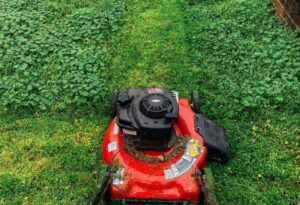
Once you’ve chosen your aeration method, it’s time to get down to work. Proper preparation is key to making sure you get the best results from aeration. Start by mowing your lawn. Next, you need to prepare the area. Following these steps and aerating your lawn, you’re setting the stage for a healthier, more vibrant lawn. Remember, patience is a virtue. It may take some time to see the full benefits of aeration. If you’re using a core aerator, make multiple passes, especially in heavily compacted areas. Proper aeration, combined with regular care, will pay off in the long run.
Pre-Aeration Prep
Preparing your lawn before aeration can make the process easier and more effective. First, mow your lawn to a shorter height than usual. This makes it easier for the aerator to penetrate the soil. Water your lawn thoroughly a day or two before aerating, especially if the soil is dry. Moist soil allows the aerator’s tines to penetrate more easily, which will improve the effectiveness of the process. If you’re using a core aerator, make sure to mark any sprinkler heads or underground utility lines to avoid damage. These steps ensure a smooth and efficient aeration process, allowing for the best results.
- Mow Your Lawn: Cut the grass to a shorter height before aerating.
- Water the Lawn: Water the lawn a day or two before aerating, particularly if the soil is dry.
- Mark Obstacles: Mark any sprinkler heads or underground utility lines.
The Aeration Process
The aeration process differs slightly depending on the type of aerator you’re using, but the general principles remain the same. For core aeration, make multiple passes over the lawn, especially in heavily compacted areas. Overlapping passes will ensure that you thoroughly aerate the entire area. Be sure to collect the soil plugs that are created by the aerator. With a spike aerator, simply walk or drive the aerator over the lawn, ensuring that you cover the entire area. The goal is to create as many holes as possible to improve soil aeration. After you aerate your lawn, you may see some soil plugs on the surface. These will break down and disappear over time. Following these steps will give your lawn the best chance of improvement.
- Core Aeration: Make multiple passes over the lawn, overlapping each pass.
- Spike Aeration: Walk or drive the aerator over the entire lawn area.
- Overlapping: Ensure thorough coverage by overlapping passes.
Post-Aeration Care
After aerating your lawn, there are a few things you can do to maximize the benefits. First, leave the soil cores on the lawn surface. They’ll break down over time and add nutrients back to the soil. Over-seeding after aeration can help fill in bare spots and thicken your lawn. Finally, fertilize your lawn immediately after aeration to give the grass roots a boost. Aeration creates the perfect conditions for your lawn to absorb nutrients and thrive. A little care after aeration will ensure you get the best results, creating a healthier, more beautiful lawn.
- Leave the Cores: Leave the soil plugs on the lawn; they will break down.
- Over-Seeding: Consider over-seeding to fill in bare spots.
- Fertilize: Apply fertilizer immediately after aeration.
Common Aeration Problems and Solutions
While aeration is a beneficial process, you may encounter some issues. One common problem is dealing with hard soil. Dry soil can make it difficult for the aerator’s tines to penetrate. The solution is to water the lawn thoroughly a day or two before aerating. You may find that your lawn looks rough for a short period after aeration. This is normal, and the grass will recover as it benefits from the improved soil conditions. By anticipating these potential issues and knowing how to address them, you can ensure a successful aeration process. This knowledge helps you address challenges effectively, leading to a healthier, more vibrant lawn.
Dealing with Hard Soil
Hard soil can make aeration a struggle, but there are ways to overcome this issue. The best solution is to water your lawn thoroughly a day or two before aerating. This softens the soil, making it easier for the aerator to penetrate. You may need to make multiple passes over particularly compacted areas to ensure that the tines can reach the desired depth. Consider using a core aerator if you have severely compacted soil. Core aerators are more effective at breaking up compacted soil than spike aerators. This preparation will help the aerator work more effectively. By preparing the soil, you’ll be able to aerate with more ease.
- Watering: Water the lawn thoroughly a day or two before aerating.
- Multiple Passes: Make multiple passes over heavily compacted areas.
- Choose a Core Aerator: Consider using a core aerator for severely compacted soil.
Addressing Lawn Appearance After Aeration
It’s normal for your lawn to look a little rough immediately after aeration. The small holes and soil plugs can make the lawn look less than perfect initially. Don’t worry, your lawn will soon recover and look better than before. The grass will start to fill in the holes. You can help speed up the process by watering and fertilizing your lawn after aeration. Also, over-seeding can help fill in bare spots and make your lawn look thicker. Before you know it, your lawn will be looking green and beautiful. With a little care, your lawn will be looking beautiful in no time.
- Expect Temporary Roughness: Your lawn might look less than perfect immediately after aeration.
- Water and Fertilize: Water and fertilize your lawn after aeration.
- Over-Seeding: Over-seeding can help fill in bare spots.
Frequently Asked Questions
Question: When is the best time to aerate a lawn?
Answer: The best times to aerate are during the growing season, typically in the spring or fall. This allows the grass to quickly fill in the holes created by aeration.
Question: How often should I aerate my lawn?
Answer: The frequency of aeration depends on your lawn’s condition and the type of soil. Lawns with heavy foot traffic or clay soil may benefit from annual aeration. Lawns with less traffic and sandy soil may only need aeration every other year.
Question: Can I aerate my lawn myself, or should I hire a professional?
Answer: You can aerate your lawn yourself, especially if you have a small yard. Aerators are available for rent at most home improvement stores. For larger lawns or if you prefer professional results, hiring a professional lawn care service is a good option.
Question: What’s the difference between aeration and dethatching?
Answer: Aeration involves creating holes in the soil to improve air and water flow, while dethatching removes the layer of dead organic matter (thatch) that can build up on the soil surface. Both processes are important for lawn health, but they address different issues.
Question: Can I aerate my lawn with a garden fork?
Answer: You can aerate a small lawn area with a garden fork, but it can be time-consuming and labor-intensive. For larger areas, it’s best to use a specialized aerator.
Final Thoughts
Aeration for compacted yard is a key step towards achieving a lush, green lawn. By loosening the soil and improving air and water flow to the roots, aeration enhances the health and vitality of your grass. This guide has shown you the importance of aeration, the best methods to use, and how to prepare your lawn. From understanding why your yard becomes compacted to selecting the right aeration tools, you’ve gained the knowledge you need. The payoff is a lawn that is more resilient, vibrant, and capable of withstanding the stresses of foot traffic and weather conditions. So, take action, choose your aeration method, and get ready to enjoy a thriving lawn.