How Does a Garden Hose Reel Work? Complete Guide
Watering a garden may seem simple, but many gardeners face a hidden challenge: tangled, kinked, or damaged hoses. These issues can reduce water pressure, waste time, and even shorten the lifespan of expensive hoses.
A garden hose reel is the solution to this common problem. Understanding how a hose reel works is key to efficient water management, proper hose storage, and smooth operation for every watering task.
Hose reels are more than simple storage devices. They protect hoses from sunlight, prevent kinks, and keep hoses ready for use at a moment’s notice. According to a survey by Gardener’s Supply, over 60% of gardeners encounter hose tangling as a regular issue (GardenersSupply.com).
Different types of hose reels exist to meet various needs. Manual reels use a hand-crank system for winding, while automatic or retractable reels employ spring-loaded mechanisms for easy retraction. Understanding these mechanisms helps gardeners select the right reel for their garden size, hose length, and watering demands.
Learning how a garden hose reel functions offers multiple benefits. It reduces physical effort, preserves water flow, extends the life of hoses, and keeps gardens organized. In addition, proper use of a hose reel minimizes frustration and makes routine watering far more efficient.
What Is a Garden Hose Reel?
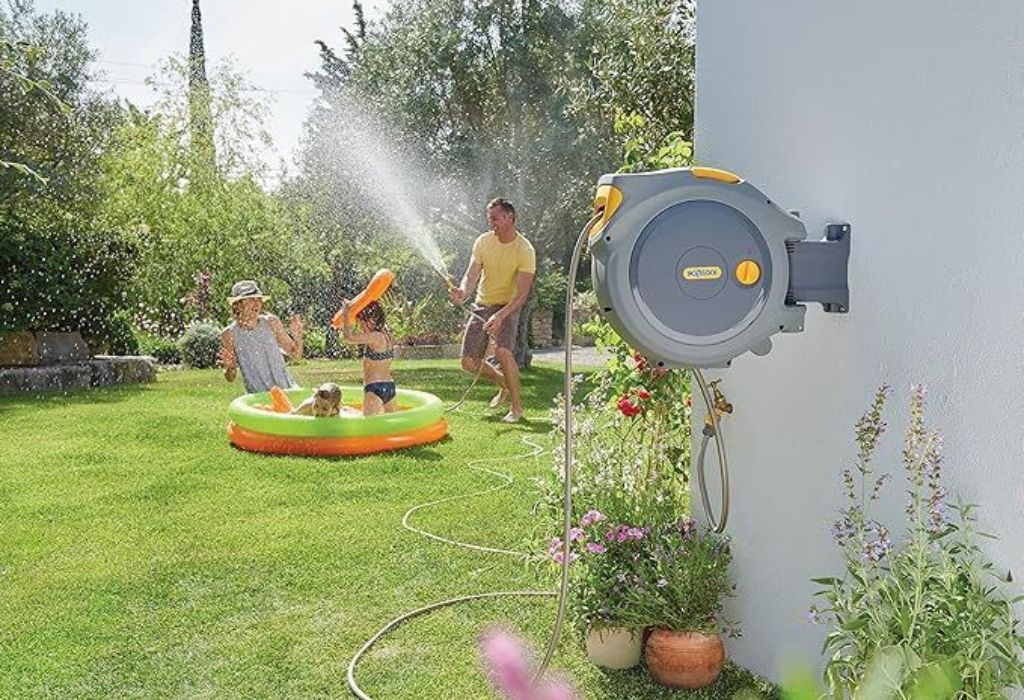
A garden hose reel is a storage and management device designed to organize and protect hoses. It keeps hoses neatly coiled, preventing tangling, kinking, and accidental damage during use and storage.
Beyond simple storage, hose reels help maintain consistent water flow. A properly wound hose avoids sharp bends that can reduce water pressure or obstruct delivery, ensuring smooth and efficient watering.
Hose reels come in various forms to accommodate different needs. Manual hose reels use a hand-crank to wind the hose, providing control over speed and tension, while automatic or retractable reels employ a spring-loaded mechanism to retract the hose effortlessly.
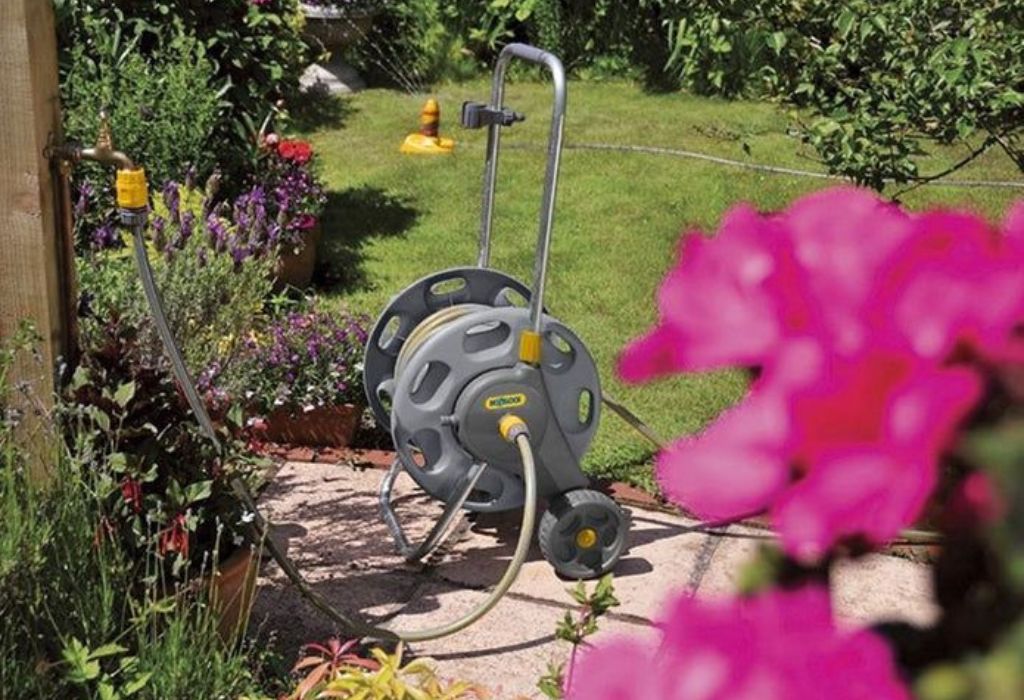
Some hose reels are wall-mounted, which saves space and keeps the hose off the ground. Others are portable or free-standing, allowing easy relocation across the garden or yard for versatile watering coverage.
The primary purpose of a hose reel is not just convenience but also protection. Exposure to sunlight, heat, or rough surfaces can degrade hoses over time, leading to cracks or leaks. Reels shield hoses from these environmental factors, extending their lifespan.
Additional features like swivel joints, guide arms, and locking mechanisms enhance the functionality of hose reels. Swivel joints allow hoses to rotate smoothly, guide arms ensure even winding, and locking mechanisms prevent unwanted unwinding during storage.
A well-designed hose reel improves garden organization. It reduces clutter, keeps pathways clear, and makes the hose immediately accessible for any watering task. This efficiency is especially beneficial for large gardens or those using multiple hoses and attachments.
Hose reels also support water conservation. By preventing leaks, kinks, and pressure loss, they ensure that water flows effectively from source to target. This not only saves water but also reduces the effort required to complete watering tasks.
In addition, hose reels enhance safety. Loose hoses on the ground can be tripping hazards, and properly stored hoses minimize these risks, creating a safer gardening environment for families and pets.
Overall, garden hose reels are more than storage solutions; they are essential tools for maintaining hose longevity, improving water efficiency, and streamlining gardening routines. Selecting the right reel depends on hose length, diameter, intended use, and personal convenience preferences.
How Does a Garden Hose Reel Work?
Understanding how a garden hose reel works is key to using it effectively and prolonging the life of the hose. Hose reels operate by guiding, coiling, and storing hoses to prevent tangling and kinking while keeping water flowing smoothly.
Manual hose reels rely on a hand-crank mechanism. Turning the crank rotates the drum, winding the hose evenly onto the reel. The user controls the speed and tension, which helps prevent over-tightening or stretching of the hose.
Automatic or retractable hose reels use a spring-loaded mechanism. Pulling out the hose engages the spring, and releasing it triggers smooth retraction. These systems often include a locking mechanism to hold the hose at a desired length.
Swivel joints are integral to hose reel function. They allow the hose to rotate as it is wound or unwound, preventing twists and maintaining consistent water flow without kinks.
Guide arms or winding guides ensure the hose coils evenly across the drum. Without these guides, hoses can bunch up on one side of the reel, creating uneven pressure and potential tangles.
Locking and tension adjustment features further enhance performance. Many reels allow the user to control the spring tension or lock the hose in place, preventing sudden recoil that could damage the hose or injure the user.
Some advanced hose reels include slow-retract mechanisms. These control the speed at which the hose returns, reducing wear on the spring and minimizing stress on hose material over time.
By managing the hose efficiently, reels improve overall watering performance. They reduce friction, maintain water pressure, and prevent interruptions caused by kinks or twists.
Hose reels also enhance usability for different watering tasks. Whether using a sprinkler, nozzle, or pressure washer, the reel provides a consistent and manageable hose length, allowing precise control over water delivery.
Overall, garden hose reels combine mechanical components and practical design to simplify garden maintenance. Understanding their working principles ensures that users select the right type and use it correctly for maximum efficiency and hose longevity.
Benefits of Using a Garden Hose Reel
A garden hose reel offers multiple advantages beyond simple storage. It ensures hoses remain organized, preventing tangles, kinks, and damage that can reduce water flow and lifespan.
One of the primary benefits is increased hose longevity. By keeping hoses properly coiled and off the ground, reels prevent exposure to sharp objects, UV rays, and extreme weather that can cause cracking or leaks.
Hose reels also improve watering efficiency. A neatly stored hose allows for smoother water flow, reducing pressure loss and making it easier to control water delivery across different garden areas.
Using a hose reel saves time and effort. Manually dragging a hose across a yard or untangling it for each use can be tedious, but a reel allows quick extension and retraction, making routine watering faster and less strenuous.
Reels contribute to water conservation. Avoiding kinks and maintaining smooth flow reduces wasted water, ensuring plants receive the correct amount without overwatering or uneven distribution.
Safety is another key benefit. Loose hoses left on walkways or garden paths can be tripping hazards. Reels keep hoses neatly stored, minimizing accidents for both adults and children.
Hose reels enhance garden aesthetics. A well-organized hose eliminates clutter, creating a cleaner, more visually appealing outdoor space. Wall-mounted or stylish portable reels can blend seamlessly into landscaping.
Advanced reels with automatic retraction or slow-retract features add convenience. These features prevent sudden recoil that could damage hoses or spray users, making the watering process smoother and safer.
By understanding and utilizing these benefits, gardeners can protect their investment, conserve resources, and simplify daily watering tasks. A hose reel is not merely a storage tool but a practical system that improves the overall gardening experience.
Common Problems and Troubleshooting Hose Reels
Even high-quality garden hose reels can encounter problems over time. Understanding common issues and their solutions ensures smooth operation and prolongs the hose’s lifespan.
One frequent problem is the hose not retracting properly. This often occurs in spring-loaded or automatic reels due to worn or weakened springs. Regular inspection and replacement of the spring mechanism can restore smooth retraction.
Kinking and twisting are another common issue. Improper winding, uneven drum rotation, or hoses that are too stiff can cause kinks. Using guide arms or winding the hose carefully helps prevent these problems and maintains consistent water flow.
Leaks can develop at swivel joints or connection points. Worn gaskets or damaged fittings are often the cause. Replacing gaskets or tightening connectors usually resolves leaks efficiently.
Reel drums or cranks may malfunction due to debris, rust, or mechanical wear. Lubrication of moving parts and periodic cleaning reduces friction and prevents jams, ensuring smooth rotation and winding.
Spring tension problems can also affect automatic reels. Springs may lose elasticity over time, causing slow or incomplete retraction. Adjusting tension settings or replacing the spring restores proper function.
Environmental factors such as extreme heat, cold, or UV exposure can degrade hoses and reels. Covering reels during extreme conditions and storing hoses indoors during winter helps preserve their functionality.
Another challenge is improper installation. Wall-mounted reels not secured correctly can wobble or detach, while portable reels may tip over on uneven surfaces. Using anchors, level installation, and stable placement improves safety and operation.
Regular maintenance prevents many of these issues. Flushing hoses, checking for wear, lubricating moving parts, and inspecting connections ensure long-term reliability and smooth performance.
By understanding and addressing these common problems, gardeners can maintain efficient water delivery, avoid damage, and extend the life of both hoses and reels. Troubleshooting knowledge ensures that daily watering remains hassle-free and effective.
Installation and Maintenance Tips for Hose Reels
Proper installation of a garden hose reel is essential for safety, efficiency, and long-term performance. Whether wall-mounted or portable, secure placement ensures smooth operation and prevents damage to the reel and hose.
Wall-mounted reels should be anchored to a stable surface using appropriate screws and brackets. Positioning the reel near a water source and at a comfortable height allows easy access while preventing excessive strain on the hose.
Portable reels require a level and stable base to avoid tipping. Placing them on flat ground reduces wear and ensures the hose winds evenly during use.
Regular maintenance prolongs the life of both hoses and reels. Inspecting the hose for cracks, soft spots, or leaks helps prevent unexpected failures during watering tasks.
Lubricating moving parts such as cranks, swivel joints, and spring mechanisms keeps operation smooth. Avoid using excessive force when winding or retracting to prevent mechanical strain.
Cleaning the reel and hose periodically removes dirt, debris, and sediment. Flushing the hose prevents mineral buildup, which can restrict water flow and reduce performance over time.
Winter storage is crucial for extending hose and reel longevity. Draining the hose completely and storing it in a protected environment prevents freezing and material deformation.
Proper hose winding practices also reduce kinks and tangles. Ensuring even coiling across the drum and using guide arms or slow-retract features keeps hoses in optimal condition.
By combining correct installation, consistent maintenance, and careful handling, gardeners can maximize efficiency and reliability. These practices ensure smooth watering, minimize repair needs, and extend the useful life of the equipment.
Choosing the Right Garden Hose Reel
Selecting the right garden hose reel ensures efficiency, convenience, and longevity for both the hose and the reel itself. Considerations include hose length, diameter, reel type, material, and intended use.
Hose length and diameter are critical factors. Reels must accommodate the full hose length without strain, and the reel drum should match the hose diameter to ensure smooth winding and retraction.
Manual reels are often more affordable and durable, suitable for gardeners who don’t mind using a crank to retract the hose. They provide precise control over tension and winding but require physical effort.
Automatic or retractable reels offer convenience and speed. Spring-loaded mechanisms allow effortless hose retraction, making them ideal for larger gardens or frequent watering tasks. These reels may include slow-retract features to prevent hose snapping and damage.
Portability and mounting options matter. Wall-mounted reels save space and keep hoses off the ground, while portable reels can be moved around the yard as needed for flexible watering coverage.
Material quality impacts durability. Reels made from corrosion-resistant metals or UV-protected plastics withstand weather exposure, ensuring long-term performance. Reinforced components like swivel joints and cranks reduce wear and maintain smooth operation.
Additional features enhance usability. Guide arms, locking mechanisms, and hose stops ensure even winding, prevent kinking, and allow controlled hose length during use.
Budget and maintenance requirements should also be considered. Higher-end reels often offer advanced features and lower maintenance needs, while basic models may require more careful handling to avoid damage.
By evaluating these factors, gardeners can choose a reel that matches their garden size, hose specifications, and usage patterns. The right reel improves watering efficiency, protects hoses, and reduces time spent untangling or managing hoses.
Advanced Features and Innovations in Garden Hose Reels
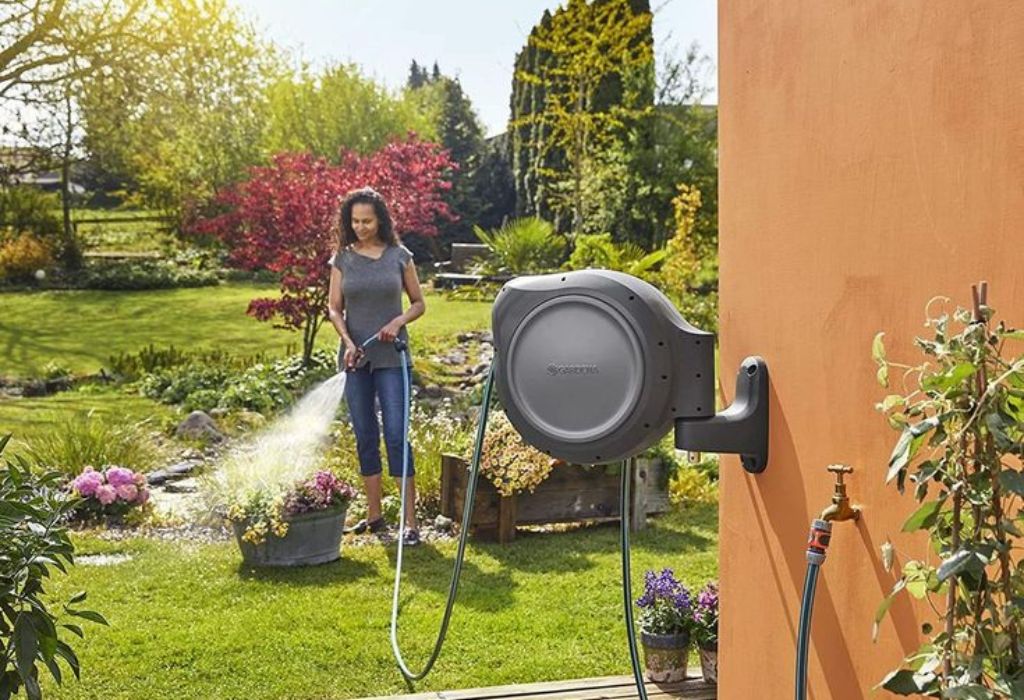
Modern garden hose reels include a variety of advanced features designed to improve efficiency, convenience, and hose longevity. These innovations address common problems and simplify watering tasks for both casual and experienced gardeners.
Slow-retract mechanisms are increasingly common in automatic reels. They control the speed at which the hose returns to the drum, preventing sudden snapping that can damage hoses or injure users.
Smart hose reels are another innovation. Some models include sensors or timers that coordinate watering schedules, allowing for automated irrigation without manual intervention. These systems optimize water usage and improve plant care.
Material enhancements extend reel durability. UV-protected plastics, corrosion-resistant metals, and reinforced drum designs reduce wear from sun, rain, and frequent use. High-quality swivel joints and cranks maintain smooth rotation and consistent water flow over time.
Integrated hose guides and alignment systems prevent uneven winding. By ensuring the hose coils evenly across the drum, these features minimize kinks, tangles, and unnecessary stress on the hose.
Ergonomic and aesthetic improvements enhance user experience. Comfortable cranks, easy-to-read indicators, and sleek designs make reels easier to use while blending seamlessly into garden landscapes.
Portability and multi-functionality have also evolved. Some reels can be detached and relocated, while others combine hose storage with accessory holders for nozzles, sprinklers, or additional hoses.
Maintenance-friendly designs reduce effort over the life of the reel. Components that are easy to lubricate, replace, or clean help gardeners maintain optimal performance without specialized tools or frequent repairs.
By adopting these advanced features, gardeners benefit from smoother operation, longer hose life, safer handling, and more efficient watering. Modern innovations transform the hose reel from a simple storage device into a highly functional gardening tool.
Conclusion
Understanding how a garden hose reel works is essential for efficient, safe, and convenient watering. Proper use and selection of a reel prevents kinks, tangles, and water flow issues while extending the lifespan of hoses.
Different types of reels, from manual cranks to automatic retractable systems, offer flexibility for varying garden sizes and watering needs. Choosing the right reel depends on hose length, diameter, mounting options, and desired convenience.
Advanced features like slow-retract mechanisms, swivel joints, and guide arms enhance usability and protect hoses. These innovations minimize wear, improve water flow, and streamline daily watering tasks.
Regular maintenance, including inspection, lubrication, and proper storage, ensures consistent performance and maximizes reel longevity. A well-maintained reel reduces frustration and saves time during routine garden care.
By selecting the appropriate hose reel and following proper maintenance practices, gardeners can optimize watering efficiency, preserve equipment, and maintain an organized and safe garden environment.
Evaluating current hoses and considering upgrades to reels with modern features can transform everyday watering into a smoother, more efficient process. Investing in a quality hose reel is a practical step that enhances garden productivity and overall satisfaction.

I’m Maya L. Greenwood, a lifelong plant lover who believes anyone can grow something beautiful with the right guidance. After years of testing soil mixes, pruning methods, irrigation tricks, and pest-safe solutions, I started EasyGardenTips.com to turn hard-won lessons into step-by-step advice. From seed starting and container gardens to composting and seasonal checklists, my goal is to make gardening simple, sustainable, and fun.