Milwaukee Vs Ryobi Leaf Blower: Detailed Comparison and Verdict
If you’re weighing the Milwaukee vs Ryobi leaf blower, the short answer is: choose Milwaukee for a confirmed four-pound, compact design and quick, close-up cleanup; consider Ryobi if its stated 100 MPH and 325 CFM figures suit the airflow you want to compare.
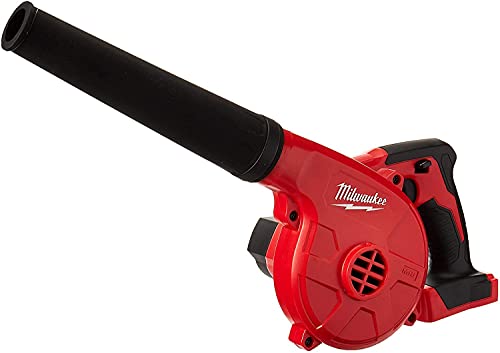
The Milwaukee 0884-20 is an 18-volt cordless blower measuring 14 x 6 x 10 inches. Ryobi’s ONE+ model is also 18V, and its name gives two airflow ratings, but there’s no verified weight here to compare with Milwaukee’s.
That makes this less of a clean power-versus-power decision than it may look. Ryobi gives you specific airflow numbers; Milwaukee gives you a known weight and compact dimensions. Those facts matter in different ways, depending on what you clear and how long you hold the blower.
I’ll compare what’s established, explain what the ratings can and can’t tell you, and flag the details worth confirming before you spend. The practical choice depends on whether you value known portability or a clearly stated airflow target.
| 0884-20 M18 18 Volt Cordless Compact Yard Leaf Blower Sale | RYOBI ONE+ 18V 100 MPH 325 CFM Cordless Battery Variable |
 |
 |
Milwaukee Vs Ryobi Leaf Blower Detailed Comparison
These are both cordless 18-volt leaf blowers meant for routine outdoor cleanup, but the useful numbers aren’t the same. Milwaukee’s 0884-20 has a verified weight of 4 pounds and a compact 14 x 6 x 10-inch form; Ryobi’s ONE+ model identifies airflow as 100 MPH and 325 CFM.
Those figures answer different questions. MPH describes how fast air moves, while CFM describes how much air moves in a minute. In simple terms, speed can help loosen scattered debris, while air volume matters when you’re trying to move a wider patch of leaves. Neither rating alone tells you exactly how a blower will handle wet, matted leaves or a deep pile.
Two different kinds of useful evidence
For Milwaukee, the weight and dimensions make it easier to picture how the tool may feel and where it may fit: a porch, a garage corner, or a small shed shelf. Its airflow is described as strong, but no MPH or CFM figure is established here. So I wouldn’t claim it beats Ryobi on raw airflow—or the reverse.
Ryobi gives you numbers to use as a starting point if airflow ratings are part of your comparison. But those numbers don’t establish its weight, runtime, included battery, or how it feels during a longer cleanup. If carrying comfort matters, check those details before deciding that the rating settles the choice.
A practical first-use scenario
Imagine clearing dry clippings from a patio after mowing. Both are cordless, so you can move around the area without an extension cord. Milwaukee’s four-pound weight and small dimensions are tangible reasons to consider it for a quick session; Ryobi’s stated airflow figures give you a concrete benchmark to consider for moving debris.
Now picture damp leaves gathered along a lawn edge. Airflow numbers alone don’t guarantee that either blower will shift them easily. The right choice depends on the debris, the area, your tolerance for repeated passes, and whether the battery setup meets the task. For heavier cleanup, don’t treat either model as a substitute for a purpose-built high-volume blower without checking how it performs for that workload.
Key Differences That Matter
1. Airflow information: Ryobi has stated figures
The Ryobi model’s 100 MPH and 325 CFM are the clearest direct performance specifications in this comparison. Think of them as two parts of the airflow picture, not a promise that it will move every kind of yard debris at the same pace. A broad area covered with light, dry leaves is a different job from a tight corner packed with wet clippings.
Milwaukee’s 0884-20 is described as delivering strong airflow for leaves, grass clippings, and debris around driveways, sidewalks, patios, and decks. Without a verified MPH or CFM rating, I can’t make a numerical airflow contest out of that description. If you need a specific minimum rating, Ryobi gives you a figure to assess; if you choose Milwaukee, judge it on its compact form and intended cleanup jobs instead of assuming an unverified number.
2. Weight and size: Milwaukee has confirmed dimensions
Milwaukee weighs 4 pounds and measures 14 x 6 x 10 inches. That’s useful information if you’re carrying the blower around furniture, moving between a front walk and backyard patio, or storing it in a crowded shed. A compact tool can be easier to grab for a small cleanup than a larger piece of yard equipment, though the actual feel in use also depends on balance and battery setup.
No corresponding Ryobi weight or dimensions are established here. That doesn’t mean it’s heavier, larger, or uncomfortable; it means there’s no fair basis to call it the more portable option. If you have a sensitive wrist or expect longer sessions, compare the ready-to-use weight and grip before choosing. Pay attention to whether a stated weight includes a battery, since the tool’s working weight is what your arm carries.
3. Cordless operation and battery planning
Both models are 18-volt cordless blowers, so neither requires an extension cord or gas-powered operation. That makes it simpler to move around a patio, driveway, or garden without managing a cord. It also means your cleanup time depends on a charged, compatible battery—not just the blower itself.
Don’t assume a battery is included or that a particular pack will meet your runtime needs. Confirm what comes with the exact configuration you’re considering, whether your existing battery is compatible, and how much yard you want to clear on one charge. Those checks matter especially if the blower is your only cordless yard tool and you don’t have a spare battery ready.
4. Storage and build considerations
Milwaukee’s compact dimensions and durable plastic housing suit routine home use and make storage straightforward. It’s described for cleanup around porches, garages, workshops, and garden areas. That points to a convenient grab-and-go role, not a claim that the blower is designed for every yard or every kind of debris.
There isn’t enough verified build or size information here to compare Ryobi’s housing, storage footprint, or weather resistance against Milwaukee’s. Before leaving either blower outdoors, follow its care instructions rather than assuming a plastic housing means weatherproofing. For a small storage space, check the actual tool dimensions and how you’ll keep the battery stored safely between jobs.
Performance, Features, and Everyday Use
Match the blower to the cleanup, not just the yard size
A small patio, porch, or garage entrance often needs a blower that’s quick to retrieve and easy to steer around corners. Milwaukee’s 4-pound weight and 14 x 6 x 10-inch size give it a clear practical case for that kind of short, frequent cleanup. It’s also described for moving grass clippings, leaves, and general debris from sidewalks, driveways, and decks.
Ryobi’s stated airflow ratings may be more useful if you’re comparing tools by their published air output. Still, a 100 MPH rating isn’t a guarantee that every leaf pile will move easily, and 325 CFM doesn’t tell you how long the battery will last. If you regularly clear a large area, ask whether the blower’s battery arrangement and runtime can keep up with the whole job.
Think about how the tool will be ready when you need it
Cordless convenience is only convenient if the battery is charged when cleanup starts. Check whether the configuration includes a battery and charger, or whether you’d need to provide compatible ones. If the blower will be used only for occasional clippings, keeping a charged pack available may be enough; for a bigger cleanup, battery runtime and recharge planning deserve more attention.
Milwaukee’s compact body may be easier to tuck away in a shed or garage, but don’t treat the listed 4-pound weight as the complete carry weight until you know whether it includes the battery. For Ryobi, verify the working weight and storage dimensions instead of trying to infer them from its airflow ratings. Those checks can prevent the common annoyance of buying a tool that looks right on paper but is awkward to lift or store.
Be realistic about airflow limits
Neither a model name nor a single airflow figure tells you how the blower will behave with every material. Dry leaves and loose clippings are generally different challenges from wet, compacted debris. If those tough conditions are normal in your yard, look for evidence that specifically addresses them before expecting either compact cordless blower to do the job quickly.
Ryobi’s 100 MPH and 325 CFM give you useful comparison points, but don’t use either number in isolation. Milwaukee’s general description supports ordinary home cleanup, but it doesn’t provide a measured airflow figure for a head-to-head calculation. In either case, the sensible expectation is to clear manageable areas in passes, not to assume one quick sweep will handle every pile.
Keep upkeep simple and safe
With a battery-powered blower, routine planning is mostly about keeping the battery charged and checking the tool for obvious debris or damage before use. Follow the manufacturer’s instructions for charging, storage, and cleaning. Don’t use a damaged battery or tool, and don’t assume either model is safe to leave exposed to rain just because it has a plastic housing.
For either blower, aim airflow away from people, pets, open doors, and anything fragile. Leaves can hide small stones or other debris, so take care around vehicles and windows. Those practical habits matter more than a headline airflow number when you’re working near the house or clearing a shared walkway.
Pros and Cons
0884-20 M18 18 Volt Cordless Compact Yard Leaf Blower Sale
Pros
- ✓Four-pound weight: Easier to consider for quick, repeated cleanup.
- ✓Compact dimensions: Fits more easily into crowded storage areas.
- ✓Everyday cleanup focus: Suited to patios, sidewalks, decks, and driveways.
Cons
- –No verified MPH or CFM figure: Less helpful if you shop by airflow ratings.
- –Battery details need checking: Confirm what’s included and plan for your runtime needs.
- –Compact form has limits: Don’t assume it’s the right fit for heavy, widespread debris.
RYOBI ONE+ 18V 100 MPH 325 CFM Cordless Battery Variable
Pros
- ✓100 MPH rating: Gives you a stated air-speed figure for comparison.
- ✓325 CFM rating: Adds an airflow-volume measure alongside speed.
- ✓18V cordless design: Allows movement around the yard without a cord.
Cons
- –Weight isn’t established: Compare working weight if carry comfort matters.
- –Dimensions aren’t established: Check storage fit before choosing it for a tight space.
- –Battery and runtime need checking: Make sure the setup matches your cleanup schedule.
Which One Should You Buy?
Choose Milwaukee if portability is your first concern
The Milwaukee 0884-20 is the more straightforward fit if you want a compact blower for a porch, deck, garage, or sidewalk and value a known weight. At 4 pounds and 14 x 6 x 10 inches, it offers concrete information for judging carry and storage needs. That doesn’t guarantee it will feel right for every person, but it gives you a firmer starting point than an unknown weight.
It also makes sense if your usual cleanup is modest: scattered leaves, grass clippings, or debris around the house. If you’re expecting it to clear a broad yard or regularly move heavy, wet leaves, pause and check whether its airflow suits that job. There isn’t a verified numerical rating here to support a promise that it will outperform Ryobi in those conditions.
Who Should Skip This: Skip the Milwaukee if you need a published MPH or CFM figure to meet a specific airflow requirement, or if you want to compare measured output before buying.
Choose Ryobi if stated airflow ratings guide your decision
The Ryobi ONE+ is the better fit to investigate if you want explicit airflow figures: 100 MPH and 325 CFM. Those numbers make it easier to compare against a performance target, provided the target is based on similar ratings and the kind of debris you actually clear. They don’t replace a check of weight, runtime, battery inclusion, or real-world suitability for your yard.
It may be appealing for someone who wants those specifications on hand before choosing a cordless blower. But don’t purchase it on the two numbers alone if you’ll carry it for a long stretch, have limited storage, or need it to run through a large cleanup without a break. First make sure the full setup works for your body, storage space, and battery plan.
Who Should Skip This: Skip the Ryobi if a confirmed low weight or compact storage footprint is a must and you can’t verify those details before buying.
How to avoid the wrong trade-off
If you buy Milwaukee expecting a documented airflow rating, you may be frustrated by the lack of a verified MPH or CFM figure for direct comparison. If you buy Ryobi assuming it’s lighter, smaller, or longer-running, you’re making a guess rather than choosing on confirmed evidence. In either case, check the complete configuration, especially battery and charger inclusion, before comparing prices.
For a small yard or frequent spot cleanup, comfort and convenience can matter more than a headline number. For a larger area, the ability to move debris and finish the task without battery interruptions matters more. Write down your typical cleanup—surface, debris, area, and session length—then choose the blower whose confirmed details answer the questions that matter most to you.
FAQS About Milwaukee Vs Ryobi Leaf Blower
Which blower has more airflow, Milwaukee 0884-20 or the Ryobi ONE+?
Ryobi has stated ratings of 100 MPH and 325 CFM. Milwaukee’s airflow is described as strong, but there’s no verified MPH or CFM figure here for a numerical comparison. That means you can compare the published Ryobi numbers with your needs, but can’t establish which blower moves more air from these details alone.
Is the Milwaukee 0884-20 lighter than the Ryobi ONE+ leaf blower?
Milwaukee’s weight is 4 pounds. A verified Ryobi weight isn’t available for this comparison, so it wouldn’t be fair to say Milwaukee is lighter. Check the weight of each complete setup, including the battery, if carry comfort is important.
Are Milwaukee and Ryobi both cordless 18V leaf blowers?
Yes. Both are identified as cordless 18-volt blowers. Confirm battery compatibility and whether a battery and charger are included in the exact configuration you plan to buy.
Which is better for a small patio or driveway?
Milwaukee has a clear fit for compact home cleanup, with a 4-pound weight, small dimensions, and stated uses that include patios and driveways. Ryobi may also suit routine cleanup, but choose based on the airflow figures alongside the weight, battery setup, and comfort that fit your job.
Final Verdict: Which One Wins?
Milwaukee wins for the buyer who prioritizes a known compact size and 4-pound weight for quick cleanup around a porch, garage, deck, or walkway. Those details make it easier to assess storage and carrying needs, though they don’t establish a numerical airflow advantage.
Ryobi wins for the buyer who wants stated airflow ratings and can use 100 MPH and 325 CFM as comparison points. Its weight, runtime, and battery setup still need to fit your plans. If those details are a deal-breaker, verify them before choosing.
There isn’t a universal winner: Milwaukee is the clearer portability pick; Ryobi is the clearer airflow-spec pick. Match that trade-off to your yard and your usual cleanup, and don’t pay for assumptions about weight, runtime, or battery inclusion.

I’m Maya L. Greenwood, a lifelong plant lover who believes anyone can grow something beautiful with the right guidance. After years of testing soil mixes, pruning methods, irrigation tricks, and pest-safe solutions, I started EasyGardenTips.com to turn hard-won lessons into step-by-step advice. From seed starting and container gardens to composting and seasonal checklists, my goal is to make gardening simple, sustainable, and fun.