Worx Electric Leaf Mulcher Review: Features, Pros, Cons, and Buyer Advice
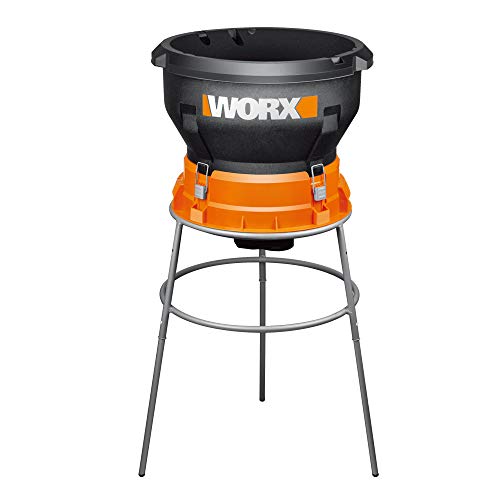
The WORX WG430 is a dedicated, corded electric leaf mulcher for turning piles of leaves into a smaller volume of material for disposal or composting. It makes the most sense for homeowners who already gather leaves and want a machine to shred them, rather than a blower or vacuum that also moves them around the yard.
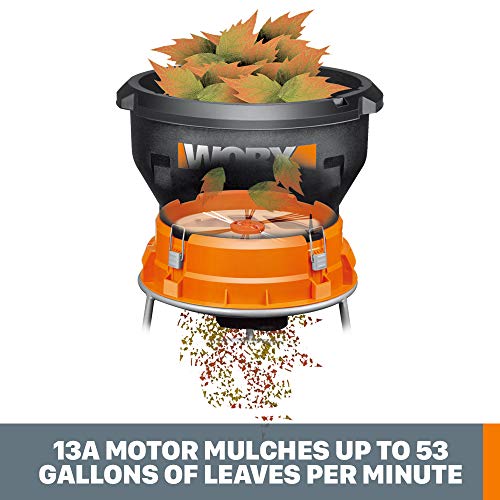
Its 13-amp motor is rated to process up to 53 gallons of leaves per minute, and the stated 11:1 mulch ratio is meant to shrink what you collect. Those features could help when fall cleanup leaves you with more bags than you want to haul or store.
There are trade-offs: the WG430 needs a power cord, and the box contents listed for this model don’t include a collection bag. That means outlet placement and bag arrangements are worth checking before you buy.
Below, you’ll find what the specifications do—and don’t—tell you, how to think about setup and everyday use, and which kinds of yards are a good fit. The goal is a practical answer, not an assumption that the advertised numbers will match every pile.
WG430 11 1 Mulch Ratio 53 Gallons/Min Fast Processing Foldable
Features and Specifications
The WG430 is built around one job: shredding gathered leaves into a more compact material. Its headline figures are useful starting points, but they’re rated claims rather than a promise that every kind of leaf pile will move through at the same pace.

| Specification | What it means for you |
|---|---|
| 13-amp motor | This is a corded electric tool, so you’ll need a suitable outlet and a corded-work setup. |
| Up to 53 gallons per minute | This is the listed processing rate, giving you a sense of the intended high-volume use; actual results can vary with the leaves and how you feed them. |
| 11:1 mulch ratio | The stated ratio means a much smaller output volume than the loose leaves going in, which can make collection or composting easier. |
| Flex-a-line cutting system | Leaves are shredded with replaceable cutting line rather than a metal blade. |
| Bag support ring | The ring supports a collection bag beneath the mulcher, but the listed box contents don’t include a bag. |
The 53-gallon-per-minute figure is easy to read as a guarantee. It isn’t one: the listing gives a maximum rate, not a tested result for every leaf type, moisture level, or feeding pace. Treat it as an indication of the machine’s intended capacity, not a schedule for finishing a particular yard.
The 11:1 ratio is also a volume-reduction claim, not a promise that the output will fit neatly into a certain number of bags. It’s useful for understanding the purpose of the machine: reduce bulk so the material is easier to handle. If you’re buying mainly to make compost, shredded leaves can be a more manageable ingredient, but you’ll still need a place to store and use them.
Everyday Use and Performance
For a homeowner who rakes or gathers leaves into a central pile, the separate mulcher format can suit a simple routine: collect the leaves, feed them into the machine, and gather the reduced material below. It doesn’t replace the work of moving leaves from across a lawn to the mulcher. That distinction matters if your main frustration is the raking itself.
The corded motor may be convenient for a long cleanup session because the tool doesn’t depend on a charged battery. The flip side is that you’ll need to work within reach of an outlet or use an extension cord appropriate for the tool. Think through the route before fall cleanup starts; moving the machine or repositioning a cord around a large yard can interrupt the job.
The rated processing speed may appeal if you regularly face substantial piles. But feeding leaves into a machine is still a hands-on task, and the listing doesn’t say how the 53-gallon figure was measured or which leaf conditions produce it. Plan around your yard’s actual workload, not the assumption that the maximum rate applies continuously.
Dry leaves and collection
Leaves are the stated material, and a collection setup is part of the design. The mulched material exits into a bag mounted underneath, so you’ll want a bag arrangement that fits the support ring and gives you room to remove it when full. Because the bag isn’t listed among the box contents, check what you’ll need before the first use.
As with any leaf-handling setup, damp or clumped material can be less convenient to gather and feed than loose leaves. The listing doesn’t provide a wet-leaf performance rating, so buyers with frequent rain or heavy, matted leaf cover should be cautious about expecting the advertised rate in those conditions. Waiting for leaves to dry may make the job easier, but it can also mean fitting cleanup around the weather.
The line-based cutting system avoids a metal blade, but it still uses consumable cutting line. The box includes 24 cutting lines, so there are replacements on hand at the outset. The listing doesn’t provide a replacement interval; how quickly you use line will depend on operating conditions and the material being processed.
Design, Fit, and Setup
The product is described as foldable, and its tool-free assembly and disassembly are intended to make seasonal setup and storage less cumbersome. That’s helpful if you don’t want a leaf machine occupying a permanent spot in the garage. No folded dimensions are provided here, though, so check the product’s current listing or documentation if storage space is tight.
Before buying, look at the full collection arrangement rather than just the machine. The included parts list names the mulcher, 24 cutting lines, and a bag support ring; it does not name a collection bag. Confirm whether a bag is supplied with the specific package you’re considering, and what type will work with the ring. Otherwise, you could have the motor and cutting system ready while still needing to sort out how to catch the output.
The cord is another fit consideration. Measure or estimate the distance from your outdoor outlet to the likely work area, including the path the cord will take. Use a cord suited to the tool and follow its instructions; don’t choose one just because it reaches. If the closest outlet is far from the leaf pile, moving gathered leaves may be easier than repeatedly shifting the mulcher, or a dedicated mulcher may not be the right format.
Setup is described as tool-free, which should make assembly and pack-away more straightforward than a machine requiring a tool for routine disassembly. Still, read the instructions before feeding leaves, particularly for how the cutting line and bag support should be fitted. Keep the work area clear and follow the manufacturer’s operating and safety directions.
What Works Well (pros)
- Purpose-built for shredding. It focuses on reducing gathered leaves, which suits people who already have a raking or collection routine and don’t need a blower built into the same tool.
- Useful stated capacity. The rating of up to 53 gallons per minute gives high-volume cleanup buyers a concrete point of comparison, while leaving room for real-world conditions to affect the pace.
- Compact-output goal. The listed 11:1 mulch ratio is aimed at reducing the volume you need to carry, store, or put out for disposal.
- Line-based cutting. The Flex-a-line system uses cutting line instead of a metal blade, and 24 replacement lines are included in the listed package.
- Seasonal storage planning. Tool-free assembly and disassembly, along with the foldable design, may make it easier to put away between cleanup periods.
Where It Falls Short (cons)
- It doesn’t gather leaves across the yard. You’ll need to rake or otherwise bring leaves to the machine. If the hard part is collecting leaves from a lawn, the WG430 doesn’t solve that part of the job.
- It needs a cord and a reachable outlet. A corded setup can be inconvenient on a large or awkwardly laid-out property, especially when the outlet is far from the pile.
- A collection bag isn’t listed as included. The bag support ring is included, but the stated box contents don’t name a bag. Check the package details and bag requirements to avoid a last-minute accessory question.
- Advertised speed is not a universal result. The maximum rate and mulch ratio don’t establish performance with every leaf condition. Buyers dealing mainly with wet, compacted material should avoid planning around the headline figures.
Who Should Buy It?
The WG430 is worth considering if you have recurring leaf piles, a way to gather them, and a place to plug in a corded machine. It’s aimed at the point after raking: reducing the bulk of leaves so the material is easier to bag, move, or use in a composting routine.
It may suit a homeowner who prefers to keep yard tools task-specific. A standalone mulcher can be a sensible choice when you already have a rake or another way to move leaves and don’t need a blower or vacuum attachment. The rated 13-amp motor and up-to-53-gallons-per-minute processing figure are most relevant to someone expecting regular, substantial leaf cleanup—not someone hoping to shred a small handful once a season.
Before ordering, check three practical details: whether the cord can reach the work area safely, whether your expected leaves are usually loose enough to feed comfortably, and whether the package or a compatible setup provides the collection bag you need. Also consider where the machine will live during the rest of the year. The foldable design and tool-free disassembly may help, but the listing doesn’t give folded dimensions to compare with a particular shelf or storage bin.
Who Should Skip It?
Skip the WG430 if your main need is to blow leaves out of beds, vacuum them directly off the lawn, or avoid raking them into a pile; choose a blower-vac-mulcher or another leaf-collection tool instead. A relevant WORX alternative is the corded WG509 Trivac, which is listed as a blower, vacuum, and mulcher with a collection bag. Its different format may be a better match for collecting and moving leaves, though it is not the same dedicated mulcher design.
It’s also a poor fit if the work area can’t be reached with an appropriate cord or if you don’t have a practical bag plan. In those situations, look for a cordless mulcher or a leaf-management tool that fits the layout of your property, checking its runtime, collection method, and capacity before choosing. Those alternatives trade the WG430’s corded setup for other requirements, so compare the full job rather than one headline number.
FAQs About WG430 11 1 Mulch Ratio 53 Gallons/Min Fast Processing Foldable
Does the WG430 include a collection bag?
The listed box contents include the mulcher, 24 cutting lines, and a bag support ring, but they don’t name a collection bag. Check the specific package details and bag compatibility before buying.
What does the 11:1 mulch ratio mean?
It’s the stated reduction ratio for leaf volume: the goal is to turn a larger quantity of loose leaves into a smaller quantity of mulch. It doesn’t guarantee a particular final bag count for every kind of leaf.
Is the WG430 cordless?
No. It’s a corded electric mulcher with a 13-amp motor, so you’ll need a suitable outlet and a corded work area.
Can the WG430 replace a leaf blower or vacuum?
It’s a dedicated mulcher, not a listed blower-vac combination. You’ll need to gather leaves and bring them to the machine; a blower-vac-mulcher is a better type to consider if you want one tool to move and collect leaves too.
Final Verdict: Is It Worth Buying?
The WORX WG430 is a practical candidate for homeowners who want a dedicated, corded machine to shred gathered leaves. Its stated 11:1 ratio, 13-amp motor, and maximum rate of up to 53 gallons per minute speak to volume reduction, while the line-based cutting system and tool-free disassembly address maintenance and seasonal storage needs.
The trade-offs are straightforward: you still have to collect the leaves, manage a power cord, and confirm how you’ll catch the output because a bag isn’t listed in the package contents. The short version of this WORX electric leaf mulcher review is that it’s a reasonable fit for an established leaf-gathering routine, but not a shortcut for the whole cleanup. Buy it if that gap is exactly what you need to fill; skip it if collecting leaves is the part you want a machine to handle.

I’m Maya L. Greenwood, a lifelong plant lover who believes anyone can grow something beautiful with the right guidance. After years of testing soil mixes, pruning methods, irrigation tricks, and pest-safe solutions, I started EasyGardenTips.com to turn hard-won lessons into step-by-step advice. From seed starting and container gardens to composting and seasonal checklists, my goal is to make gardening simple, sustainable, and fun.