Milwaukee M12 Leaf Blower Review: Features, Pros, Cons, and Buyer Advice
The New 0852-20 Handheld Leaf Blower is a compact Milwaukee M12 12V spot blower, aimed at people who want a small cleanup tool rather than a replacement for a full-size yard blower. It may suit a homeowner or tradesperson clearing light debris from a workbench, patio, garage, or other tight area.
The listing identifies two operating modes, variable speed, a lock-on switch, and two nozzle styles for different kinds of cleanup. Those controls and attachments offer ways to adjust how you use it, but they don’t tell you how much air it moves or how long it runs.
That missing performance information matters. The listing doesn’t give airflow, runtime, weight, or noise figures, so you can’t confidently judge it for a large yard or a long cleanup session from the available specifications.
This review separates what the listing confirms from what you’ll want to verify before buying. You’ll find practical use expectations, compatibility and setup checks, clear pros and cons, and a straightforward recommendation.
New 0852-20 Handheld Leaf Blower for Milwaukee M12 12V Compact

Features and Specifications
The product is described as a 12V Milwaukee M12 handheld blower with model number 0852-20. That platform detail is useful if you already own compatible M12 batteries, but it doesn’t establish which battery capacities fit best or how long any one battery will last.

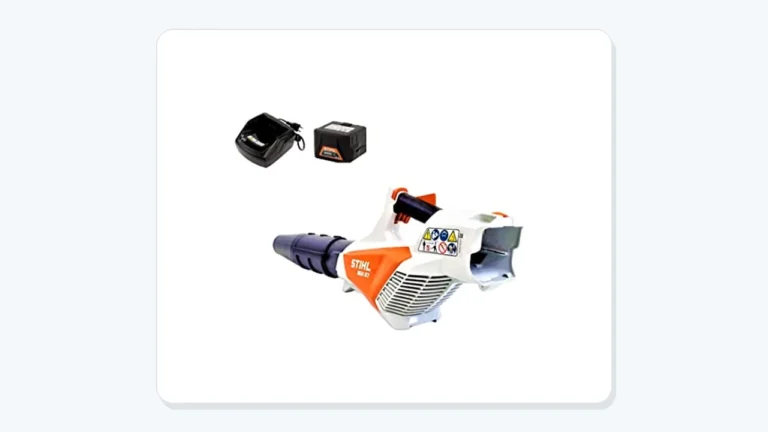
One important buying detail is in the source title: bare tool. That usually means the purchase is for the tool alone, not a battery and charger. Check the exact listing and package contents before ordering; otherwise, a low-looking tool price can turn into an incomplete setup when it arrives.
- Two modes and variable speed: The listing describes both, giving you some control over operation. It doesn’t specify the number of speed settings, airflow at each setting, or a maximum output figure.
- Lock-on switch: This may let you keep the blower running without continuously holding a trigger. The listing doesn’t explain the control layout or whether the lock-on function works in both modes.
- Rubber nozzle: The product information says a rubber nozzle is intended for reaching debris in tighter spots. It may be handy for a focused cleanup, though the listing doesn’t provide nozzle dimensions or explain how it attaches.
- Wide sweeping nozzle: A broader nozzle is identified for open areas. That gives you an option for moving loose material across a surface rather than aiming at one small spot.
There’s no stated CFM (cubic feet per minute, a measure of airflow), air speed, battery runtime, tool weight, or noise level in the supplied product details. Without those numbers, comparisons with other blowers are limited. If you need to clear a particular kind of debris, ask the seller for documented performance information rather than assuming the word “blower” means it can handle leaves across a yard.
The listing also doesn’t provide a battery, charger, warranty, or detailed package list beyond the blower. Confirm those points on the current product page, especially because the item is presented as a bare tool and the listing title calls it “New.” The description alone doesn’t settle the condition, seller support, or what will be in the box.
Everyday Use and Performance
Think of this as a potential cleanup helper for small, nearby messes—not as a proven substitute for a larger outdoor blower. The listing’s spot-blower description, two nozzle options, and variable speed point toward controlled, localized tasks. They don’t establish that it can shift wet leaves, packed dirt, or heavy debris.

For a workbench or garage floor, the narrow nozzle could be useful if you want to direct loose dust and scraps away from a corner or under an edge. That’s a reasonable use to consider, not a confirmed performance result. Fine dust can also become airborne, so take care around people, pets, delicate equipment, and anything that shouldn’t be blown around.
On a small patio or walkway, the wide nozzle may make it easier to sweep light, loose material across an open patch. Whether it has enough force for your particular surface and debris is unknown: the listing gives no airflow or air-speed figures. If you’re dealing with a steady fall of leaves, a large driveway, or wet debris, a compact spot blower may not be the tool you want.
The two modes and variable speed could help you adjust the tool for different jobs, but the listing doesn’t explain exactly how they interact. It doesn’t say whether the modes change airflow, trigger response, or another setting. Check the product manual or ask the seller if a particular control behavior matters to you.
A lock-on switch can be appealing when a task involves keeping the tool running for a while, since it may reduce the need to hold a control continuously. There’s no runtime information, though, so the switch shouldn’t be mistaken for a promise of extended use. Battery size and job demands will affect how practical a session is.
Set expectations around the task, not the product name. “Leaf blower” can suggest a lawn-and-yard machine, while “compact spot blower” signals a more focused role. With no published output figures in the supplied details, treat yard-scale capability as unverified.
Design, Fit, and Setup
Compatibility is the first check: the item is described as a Milwaukee M12 12V tool. If you already have M12 batteries, confirm that the seller’s item is the expected 0852-20 and that the battery you plan to use is listed as compatible. Don’t assume that a battery from another Milwaukee platform will fit just because it is also made by Milwaukee.
If you don’t own an M12 battery and charger, account for that before deciding whether this is a practical purchase. The listing calls it a bare tool, so don’t assume either accessory is included. Check the package contents and the seller’s exact wording rather than relying on a product photo or a general description.
The listing identifies a rubber nozzle and a wide sweeping nozzle, but doesn’t give attachment dimensions, storage details, or a fitting procedure. Before buying, check whether both nozzles are included in the box and how they connect. If you need to fit the tool into a crowded cabinet or toolbox, the missing overall dimensions make it sensible to request measurements first.
Care should be straightforward in principle for a handheld blower, but the supplied details don’t include cleaning instructions or materials for the main housing. Follow the product manual for maintenance. As a basic precaution, remove the battery before inspecting or cleaning the tool, and don’t use a method that could push debris into openings or damage the nozzle.
Durability is also hard to assess from this listing alone. It names a rubber nozzle but doesn’t describe the housing material, drop resistance, weather resistance, or warranty. If the blower will live in a work van or be used around job-site dust, ask about those points instead of treating compact size as proof that it can take rough handling.
What Works Well (pros)
- Compact spot-cleanup role: Its stated handheld, compact format is relevant for buyers who want to clear small areas without choosing a full-size yard tool.
- Two nozzle styles: The listed rubber and wide sweeping nozzles give you options for focused and broader cleanup, provided both are included as described.
- Adjustable operation: Two modes and variable speed offer more control than a listing that describes only one fixed operating setting, even though the exact output at each setting isn’t provided.
- Lock-on control: The stated lock-on switch may make a continuous task more comfortable than keeping a control held the whole time.
- M12 platform fit: For someone already using compatible Milwaukee M12 batteries, the platform may make the tool easier to add to an existing setup. Confirm battery compatibility and package contents first.
Those are practical advantages on paper, not proof of a particular clearing speed or runtime. The strongest case for this blower is its combination of a compact spot-cleanup role and a few useful control and nozzle options. Its appeal depends on whether your work is small enough that those features matter more than published output numbers.
Where It Falls Short (cons)
- Performance figures are missing: There’s no stated airflow, air speed, or runtime in the supplied information. That makes it difficult to judge whether it can clear your debris or finish a job on one battery.
- Bare-tool purchase may need extra gear: The source title calls it a bare tool. If you don’t already have a compatible M12 battery and charger, check the total setup you’ll need before ordering.
- Yard-scale use isn’t established: The compact spot-blower description doesn’t confirm suitability for lawns, large driveways, wet leaves, or prolonged outdoor cleanup. Buyers with those jobs should seek a model with documented performance for that workload.
- Several practical details are unspecified: The available information doesn’t provide weight, dimensions, noise, warranty, or full package contents. Those gaps can matter if comfort, storage, or seller support is part of your decision.
These are information gaps and fit constraints, not evidence that the blower is defective. They do mean you should avoid buying it on assumptions. A quick check of the current listing and manual could answer some questions, but don’t count on specifications that aren’t actually stated.
Who Should Buy It?
This tool is worth considering if you need a compact blower for occasional, localized cleanup and already have a compatible M12 battery. A homeowner might look at it for a small patio or garage, while someone who works in a shop could consider it for loose debris around a bench. Those examples describe plausible tasks based on the product’s stated form and nozzle options; they aren’t promises about clearing performance.
It may also suit someone who values having two modes, variable speed, and a lock-on switch in a small blower. Those controls provide more ways to manage operation than a simple one-setting description. The available information doesn’t say how much difference you’ll feel between modes, so consider the controls a convenience to investigate, not a substitute for output data.
Before buying, check these points:
- Is the exact model number 0852-20, and is the item condition clear?
- Does the package include both nozzles, as the listing’s feature descriptions suggest?
- Are your existing M12 battery and charger compatible, or will you need to obtain them separately?
- Can the seller provide airflow, runtime, dimensions, and weight if those specifications affect your job?
- Does the stated return policy give you a reasonable way to address a mismatch between the listing and the delivered package?
That last check is useful for any product with sparse specifications. If you’re buying for a specific task, define what needs to move and how large the area is before comparing tools. A compact blower could be convenient for small messes and still be the wrong choice for a demanding outdoor job.
Who Should Skip It?
Skip this model if you need a dependable primary blower for a large yard, wet leaves, heavy debris, or long cleanup sessions; choose a full-size blower with published airflow and runtime figures instead. The supplied information doesn’t establish that the 0852-20 can handle those jobs, so buying it on the assumption that it can would be a gamble.
It’s also a poor fit if you need a complete ready-to-use kit but don’t own M12 batteries. The listing labels the item a bare tool, and the available details don’t confirm a battery or charger in the box. Look for a kit that explicitly lists the battery and charger, or compare the complete cost of the required components before committing.
Finally, consider another option if you must know the exact weight, noise level, dimensions, or run time before purchase and the seller can’t supply them. Those details can make a real difference if you’ll carry the tool often, work near other people, or have limited storage. A product with a more complete specification sheet will be easier to match to those constraints.
FAQs About New 0852-20 Handheld Leaf Blower for Milwaukee M12 12V Compact
Does the 0852-20 include a battery?
The source title identifies it as a bare tool, so don’t expect a battery or charger unless the current product listing explicitly says they’re included. Confirm the package contents before ordering.
Is this a full-size yard blower?
It’s described as a compact spot blower. The supplied details don’t provide airflow or runtime figures that would confirm it can handle large lawns, wet leaves, or extended yard work.
What nozzles are listed?
The product information identifies a rubber nozzle for tighter spots and a wide sweeping nozzle for open areas. Check the current package list to confirm both are included with the item you’re buying.
Does it have adjustable speed?
Yes. The listing describes two modes and variable speed, along with a lock-on switch. It doesn’t explain the precise settings or the airflow produced by each one.
Will my Milwaukee battery fit?
The product is described as an M12 12V blower, but you should verify that your specific battery is compatible with this exact model. A battery from another Milwaukee voltage platform shouldn’t be assumed to fit.
Final Verdict: Is It Worth Buying?
The New 0852-20 Handheld Leaf Blower makes the most sense as a compact cleanup option for someone who already owns compatible M12 batteries and has modest, localized jobs in mind. Its nozzle choices, variable speed, two modes, and lock-on switch are useful features to weigh, but the listing leaves key performance details unanswered.
For large outdoor areas or demanding debris, choose a full-size blower with published airflow and runtime specifications. For smaller tasks, consider the 0852-20 only after confirming the package contents, battery fit, and any missing measurements that matter to you. A Milwaukee M12 leaf blower review should end with that distinction: it may suit spot cleanup, but the available facts don’t support treating it as a proven yard-work machine.

I’m Maya L. Greenwood, a lifelong plant lover who believes anyone can grow something beautiful with the right guidance. After years of testing soil mixes, pruning methods, irrigation tricks, and pest-safe solutions, I started EasyGardenTips.com to turn hard-won lessons into step-by-step advice. From seed starting and container gardens to composting and seasonal checklists, my goal is to make gardening simple, sustainable, and fun.