What Size Is a Standard Garden Hose? Complete Guide
Choosing the right garden hose is more important than many homeowners realize. Using an incorrect size can result in poor water flow, wasted time, and inefficient irrigation for lawns and gardens.
Understanding what size is a standard garden hose helps ensure optimal performance and compatibility with faucets, nozzles, and sprinklers. Incorrect sizing can lead to leaks, reduced pressure, and frustration during routine watering tasks.
Did you know that most residential garden hoses in the United States are 5/8 inches in diameter, while 1/2 inch hoses are considered light-duty and 3/4 inch hoses are used for heavy-duty tasks? According to Swan Hose, 5/8 inch hoses strike the best balance between water flow and portability for typical backyard gardens (swanhose.com). Knowing the standard size allows homeowners to make informed purchases that meet their watering needs efficiently.
Hose length, diameter, thread type, and material all influence the performance of a garden hose. By understanding these factors, homeowners can select hoses that provide consistent water flow, minimize waste, and make gardening easier.
Understanding Garden Hose Sizes
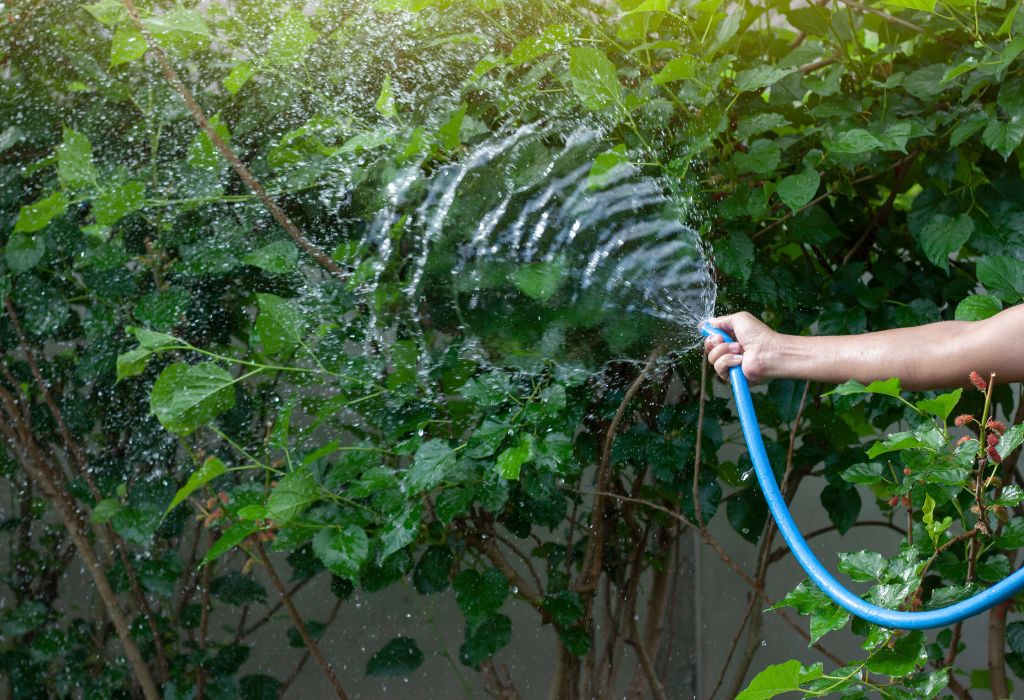
Garden hoses come in a variety of sizes, each designed for specific tasks, water flow requirements, and user needs. Choosing the correct size ensures efficient watering, reduces wear on connectors, and prevents frustration during outdoor activities.
Common Hose Diameters
The diameter of a hose directly influences water flow, pressure, and flexibility.
- 1/2 inch: These light-duty hoses are suitable for small gardens, potted plants, or light watering tasks. Their smaller diameter limits flow but increases portability and ease of handling.
- 5/8 inch: The most common residential hose size, 5/8 inch hoses provide a balance between flow rate and manageability. They are ideal for typical backyards, garden irrigation, and washing tasks.
- 3/4 inch: Designed for heavy-duty applications, these hoses deliver higher flow rates, making them suitable for large gardens, commercial use, or high-pressure watering systems. The larger diameter allows more water to pass through but increases weight and storage requirements.
Hose Lengths
Hose length is another critical factor affecting usability and performance. Common lengths range from 25 feet to 100 feet, with longer hoses offering greater reach but also introducing more friction, which can reduce water flow. Selecting an appropriate length depends on garden size, water pressure, and storage convenience.
Thread Sizes
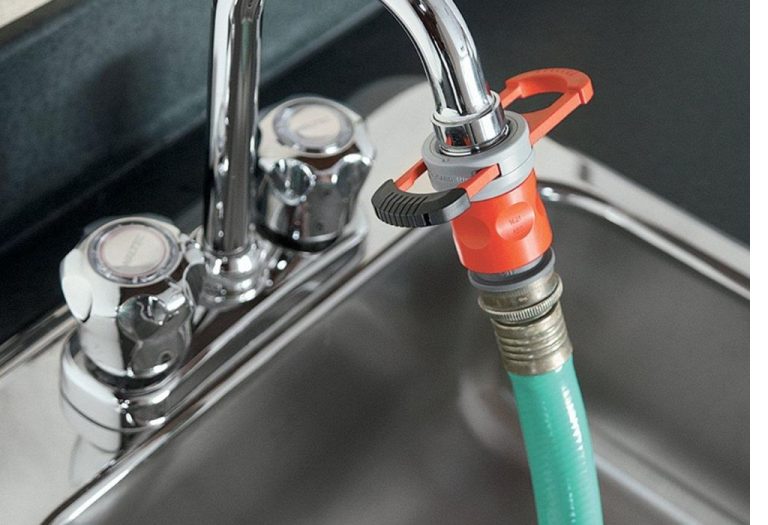
The fitting at the end of a hose determines compatibility with faucets, sprinklers, and nozzles. Standard Garden Hose Thread (GHT) is 3/4 inch in diameter with 11.5 threads per inch. Ensuring compatibility with GHT fittings is essential to prevent leaks and maintain a secure connection. Thread type and size can vary internationally, so imported hoses or equipment may require adapters for proper fitting.
Materials and Durability
Garden hoses are manufactured from various materials, including vinyl, rubber, or hybrid blends. Rubber hoses are durable and flexible, vinyl hoses are lightweight and affordable, and hybrid hoses offer a balance of durability and maneuverability. Material selection affects hose longevity, kink resistance, and performance under different weather conditions.
Importance of Understanding Hose Sizes
Selecting the right hose diameter, length, thread, and material ensures optimal water delivery and task efficiency. It prevents issues such as low water pressure, kinks, leaks, and premature wear, contributing to a more reliable and effective watering system.
By understanding garden hose sizes comprehensively, homeowners can make informed choices, ensuring that the hose matches their watering needs and connects seamlessly with existing fittings and accessories. This foundation is essential before measuring hoses and choosing the right type for specific applications.
Factors Influencing Hose Size Selection
Selecting the correct garden hose size depends on several practical considerations that affect performance, usability, and efficiency. Understanding these factors helps homeowners choose a hose that meets water flow needs, matches available pressure, and suits the intended tasks.
Water Flow Requirements
The desired flow rate determines the hose diameter best suited for the job. Larger diameters allow more water to pass through, increasing GPM (gallons per minute). For light watering, such as potted plants, a 1/2 inch hose is often sufficient, while 5/8 inch or 3/4 inch hoses are better for lawns, gardens, or high-demand tasks.
Water Pressure
Household water pressure varies from 40 to 60 PSI in most residential systems. Hoses must be selected with pressure in mind, as smaller hoses may limit flow despite high pressure. Conversely, larger hoses can fully utilize available pressure, delivering a consistent and higher GPM to the end point.
Intended Use
The type of tasks determines both hose diameter and length. Light-duty watering, car washing, and small garden irrigation require manageable hoses with moderate flow. Heavy-duty tasks, such as filling pools or irrigating large areas, benefit from wider and longer hoses capable of handling high GPM efficiently.
Storage and Portability
Larger and longer hoses offer better flow but are heavier and more challenging to store. Shorter hoses are easier to coil and transport, making them ideal for small gardens or balcony use. Homeowners must balance water flow needs with convenience and portability.
Climate and Environmental Considerations
Temperature extremes, UV exposure, and seasonal use affect hose material choice and size selection. Rubber hoses handle varying temperatures better and are less prone to kinking, while vinyl hoses are lightweight but more susceptible to damage under harsh conditions. Material and size together ensure durability and optimal performance.
Budget and Longevity
Higher-quality hoses with larger diameters and durable materials cost more but last longer and provide reliable performance. Evaluating the cost versus the benefits of flow rate, durability, and ease of use ensures that homeowners invest wisely.
Understanding these factors empowers homeowners to select a hose that balances performance, convenience, and longevity. Proper hose selection minimizes frustration, ensures adequate water delivery, and maximizes the efficiency of outdoor tasks.
How to Measure Your Garden Hose Size
Accurately measuring a garden hose is essential for selecting compatible fittings, adapters, and accessories. Knowing the hose’s diameter, length, and thread size ensures optimal water flow and prevents leaks, making watering tasks more efficient.
Measuring Hose Diameter
The diameter determines the amount of water that can pass through the hose. Use a tape measure or caliper to measure the inner diameter of the hose, which is the space water flows through. Standard residential hoses are usually 1/2 inch, 5/8 inch, or 3/4 inch in diameter, with 5/8 inch being the most common.
Measuring Hose Length
Hose length affects both reach and flow rate. Lay the hose flat and measure from one end to the other. Longer hoses can reduce water pressure due to friction, so selecting the right length balances coverage and performance.
Determining Thread Size
Thread size affects compatibility with faucets, sprinklers, and nozzles. Standard Garden Hose Thread (GHT) is 3/4 inch with 11.5 threads per inch. Using a thread gauge or comparing with a known fitting ensures a proper leak-free connection.
Additional Considerations
Check for kinks, twists, or bends before measuring, as these can distort diameter readings. Also, consider the hose material; flexible rubber hoses may compress slightly, while vinyl hoses are more rigid. Accurate measurement ensures that fittings, nozzles, and adapters will match perfectly, preventing leaks and inefficiency.
Benefits of Accurate Measurement
Knowing the exact hose size allows homeowners to choose the right hose for specific tasks, whether it’s watering small garden beds, washing cars, or irrigating large lawns. Correct measurements improve water delivery, maintain consistent pressure, and prevent frustration during routine outdoor tasks.
By following these steps, homeowners can confidently measure hoses and select accessories that provide optimal flow and performance. This sets the stage for proper hose usage, maintenance, and compatibility with various watering tools.
Choosing the Right Hose for Your Needs
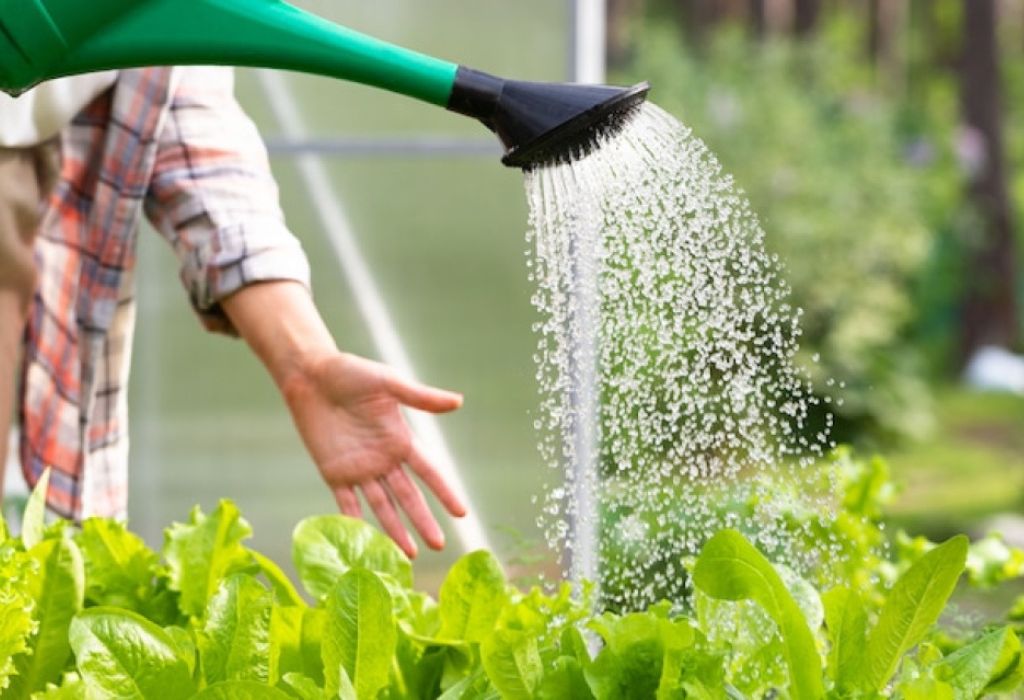
Selecting the appropriate garden hose ensures efficient watering, reduces wear on equipment, and provides the necessary reach for different outdoor tasks. Considering diameter, length, material, and intended use helps homeowners make informed choices that maximize performance and longevity.
For Small Gardens
Light-duty hoses, typically 1/2 inch in diameter and 25 to 50 feet long, are ideal for small gardens or container plants. Their lightweight and flexible design allows easy handling, quick storage, and adequate water flow for minor irrigation tasks.
For Medium to Large Gardens
A 5/8 inch hose with a length between 50 and 75 feet suits medium to large gardens. This standard residential size balances flow rate, portability, and pressure, making it versatile for watering lawns, flower beds, and vegetable gardens.
For Commercial or Heavy-Duty Use
Heavy-duty hoses, often 3/4 inch in diameter and up to 100 feet long, are suitable for large areas, commercial properties, or high-demand tasks like filling pools or powering sprinklers. Their larger diameter supports higher GPM, while durable materials resist kinks and wear under frequent use.
Material Considerations
Hose materials impact flexibility, durability, and resistance to weather conditions. Rubber hoses are durable and flexible, handling temperature extremes well. Vinyl hoses are lightweight and cost-effective but less resistant to wear and sunlight. Hybrid hoses combine durability with manageable weight, offering a balance between performance and ease of use.
Thread and Fittings
Compatibility with existing faucets and nozzles is critical. Standard Garden Hose Thread (GHT) ensures secure connections and prevents leaks. Ensuring proper thread alignment and using quality washers or adapters enhances longevity and performance.
Storage and Portability
Hose weight and stiffness affect storage and maneuverability. Shorter or lighter hoses are easier to coil, transport, and store, while heavier, longer hoses may require reels or wall hooks. Selecting a hose that matches the storage capabilities and user strength is essential for convenience and safety.
By considering diameter, length, material, thread type, and storage needs, homeowners can select a garden hose that meets their specific requirements. Proper selection improves water efficiency, ensures consistent flow, and reduces frustration during outdoor watering tasks.
Common Misconceptions About Garden Hose Sizes
Many homeowners have misconceptions about garden hose sizes, leading to inefficient watering, wasted water, or unnecessary frustration. Understanding these myths helps in selecting the right hose and ensuring proper performance.
Bigger Hoses Always Deliver Better Flow
A common misconception is that a larger diameter hose automatically provides higher water flow. While wider hoses can carry more water, other factors such as water pressure, hose length, and nozzle type also affect flow. Selecting a bigger hose without considering these variables may not improve performance and can make the hose heavier and harder to handle.
All Hoses Fit All Faucets
Not every hose fits every faucet. Standard Garden Hose Thread (GHT) is common in the U.S., but variations exist, especially with imported hoses or older plumbing systems. Using incompatible threads can cause leaks and damage both the hose and faucet.
Longer Hoses Are Always Better
Some assume that longer hoses are more convenient and efficient. In reality, increased hose length creates more friction and reduces water pressure at the output, lowering flow rate. Choosing a length that balances reach and performance is essential for effective watering.
Thread Size and Hose Diameter Are the Same
Thread size determines compatibility with fittings and nozzles, while hose diameter affects water flow. Confusing the two can result in leaks or poor performance. Proper measurement and understanding of both ensures secure, efficient connections.
Light Hoses Are Weak
Homeowners sometimes believe that light-duty hoses cannot handle normal watering tasks. While heavier hoses are more durable, light hoses are perfectly adequate for small gardens or short-term use, offering better flexibility and easier storage.
Importance of Correct Understanding
Clarifying these misconceptions allows homeowners to choose the correct hose size, diameter, and fittings for their specific needs. Accurate knowledge ensures efficient watering, reduces frustration, and prevents damage to both hoses and connected accessories.
By addressing these common myths, users can make informed decisions and maintain a reliable, effective garden hose system for all outdoor tasks.
Troubleshooting Common Garden Hose Size Issues
Even when a homeowner selects the correct hose size, various issues can reduce performance and water efficiency. Recognizing common problems and their solutions ensures that watering tasks are completed effectively without wasted effort or water.
Kinks and Twists
Kinks and twists in a hose restrict water flow and reduce the effective GPM. These often occur when hoses are stored improperly or dragged around corners and obstacles. To prevent kinking, always coil hoses loosely after use and utilize hose reels or wall hooks. Guides or hose stakes can help maintain smooth curves and prevent sharp bends during operation. Proper handling reduces the risk of cracks forming at stress points, maintaining long-term hose durability.
Leaks and Worn Washers
Leaks frequently appear at hose connectors or joints, often due to deteriorated washers or improper fittings. Inspect washers regularly and replace them when signs of wear, cracks, or flattening appear. Using quality washers ensures a tight seal, preventing water loss and maintaining pressure. Additionally, checking the hose ends for cracks or splits and repairing minor damage promptly prevents small leaks from escalating into significant problems.
Incompatible Fittings
A mismatch between hose threads and faucet or nozzle fittings can cause leaks and reduce water flow. Standard Garden Hose Thread (GHT) is common in the U.S., but variations exist, especially with imported hoses or older systems. Verify compatibility before purchasing adapters or nozzles to prevent cross-threading or leaks. High-quality adapters and fittings provide secure, leak-free connections, improving overall hose performance.
Reduced Flow from Long Hoses
Long hoses create more internal friction, which reduces water pressure and lowers GPM at the output. If low flow is an issue, consider using a larger diameter hose or shortening the hose for high-demand tasks. Properly managing hose length also minimizes stress on connectors, reducing wear and extending the lifespan of the hose.
Seasonal Effects
Environmental factors like temperature extremes and UV exposure can influence hose flexibility and durability. Hoses left in direct sunlight for long periods may become brittle, while freezing temperatures can crack hose material. Storing hoses in a shaded, dry, or temperature-controlled area helps prevent damage and maintains consistent water delivery throughout the year.
Regular troubleshooting and proactive maintenance of hose size issues ensure consistent water flow and reduce frustration during outdoor tasks. By addressing kinks, leaks, compatibility, length, and environmental factors, homeowners can achieve optimal performance and prolong the life of their garden hoses.
Calculating Water Usage with Garden Hose Sizes
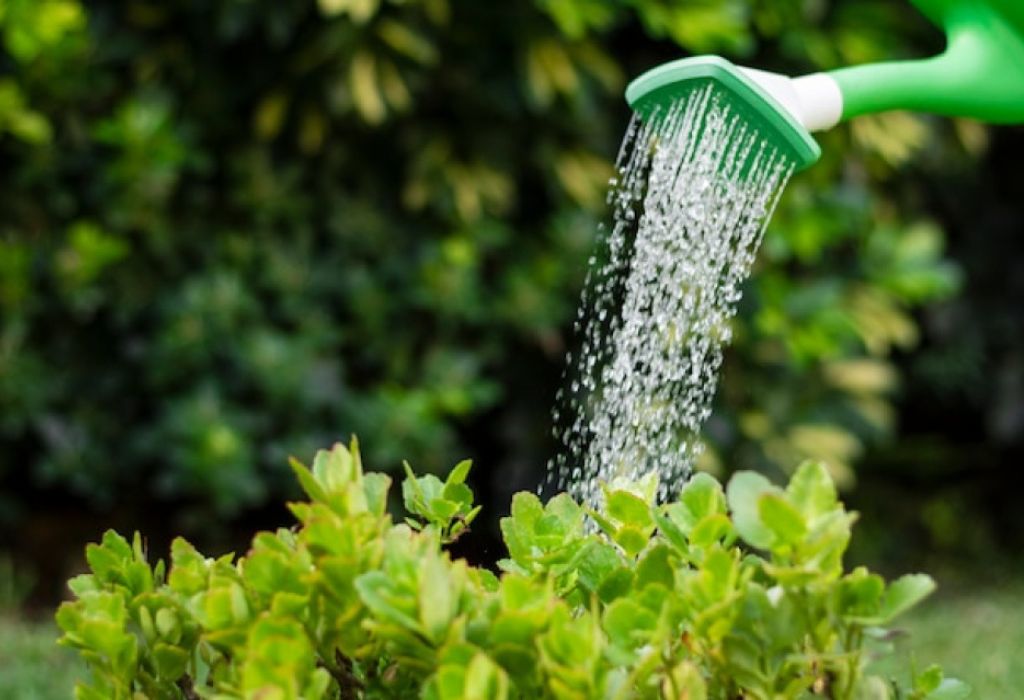
Knowing what size is a standard garden hose is critical for estimating water usage, planning irrigation, and ensuring efficient watering. Accurate calculations reduce waste, improve performance, and save both time and resources.
Basic Calculation
Water usage can be calculated using the simple formula: Water (gallons) = Flow Rate (GPM) × Time (minutes). For example, a 5/8 inch hose delivering 12 GPM for 10 minutes will use 120 gallons of water. Understanding this relationship allows homeowners to estimate the amount of water needed for different tasks accurately. This is particularly useful for planning irrigation schedules and preventing overwatering.
Adjusting for Flow Variations
Effective water usage depends on factors such as hose length, nozzle type, and water pressure. Longer hoses reduce flow due to friction, while nozzle restrictions can limit water delivery. Measuring actual GPM under typical conditions ensures accurate estimates. Taking these variations into account allows homeowners to plan irrigation more precisely and maintain consistent water coverage.
Planning Irrigation
Proper irrigation requires understanding both flow rate and coverage area. Calculating water requirements helps determine how long each hose should run and how many hoses or sprinklers are needed for full garden coverage. Matching hose size to irrigation needs ensures uniform watering, prevents runoff, and maintains healthy plants. Accurate planning reduces waste and saves water costs over time.
Cost and Environmental Benefits
Monitoring water usage based on hose size promotes environmental sustainability and lowers utility bills. Applying the correct flow prevents unnecessary waste, ensures efficient watering, and contributes to responsible water management. Efficient hose usage is not only economical but also environmentally friendly.
Advanced Applications
For larger irrigation systems, knowledge of hose size and water flow informs pump selection, sprinkler placement, and timing schedules. Using calculated GPM ensures consistent coverage across all zones, prevents pressure loss, and allows multiple hoses or sprinklers to operate simultaneously without compromising efficiency.
By calculating water usage based on hose size and flow, homeowners can optimize both efficiency and performance. Understanding how hose diameter, length, and nozzle type affect GPM ensures reliable, sustainable, and effective watering for every outdoor task.
Conclusion
Understanding what size is a standard garden hose is essential for efficient watering, reliable connections, and overall gardening success. Selecting the correct diameter, length, and thread type ensures optimal water flow, prevents leaks, and reduces frustration during outdoor tasks.
Homeowners should consider the intended use of the hose, water pressure, and storage convenience when choosing a size. Light-duty hoses (1/2 inch) work well for small gardens, while 5/8 inch hoses are ideal for most residential needs, and 3/4 inch hoses handle heavy-duty or commercial applications. Thread type, particularly standard Garden Hose Thread (GHT), ensures compatibility with faucets, nozzles, and sprinklers.
Material choice also impacts performance and durability. Rubber hoses offer flexibility and longevity, vinyl hoses are lightweight and affordable, and hybrid hoses provide a balance between durability and ease of use. Proper material selection reduces wear, prevents kinks, and maintains consistent water flow.
Avoid common misconceptions such as assuming bigger hoses always deliver better flow or longer hoses are always more efficient. Understanding the differences between diameter, length, thread size, and material allows homeowners to make informed decisions that save water, time, and effort.
Regular inspection, maintenance, and proper storage extend hose life and maintain performance. Checking for leaks, replacing worn washers, and storing hoses in a cool, dry place ensures long-term reliability.
By applying these guidelines, homeowners can select and maintain a garden hose that meets their specific watering needs. Knowing what size is a standard garden hose empowers users to achieve efficient, reliable, and sustainable outdoor water management for every task.

I’m Maya L. Greenwood, a lifelong plant lover who believes anyone can grow something beautiful with the right guidance. After years of testing soil mixes, pruning methods, irrigation tricks, and pest-safe solutions, I started EasyGardenTips.com to turn hard-won lessons into step-by-step advice. From seed starting and container gardens to composting and seasonal checklists, my goal is to make gardening simple, sustainable, and fun.