Ryobi 18v Leaf Blower Review: Features, Pros, Cons, and Buyer Advice
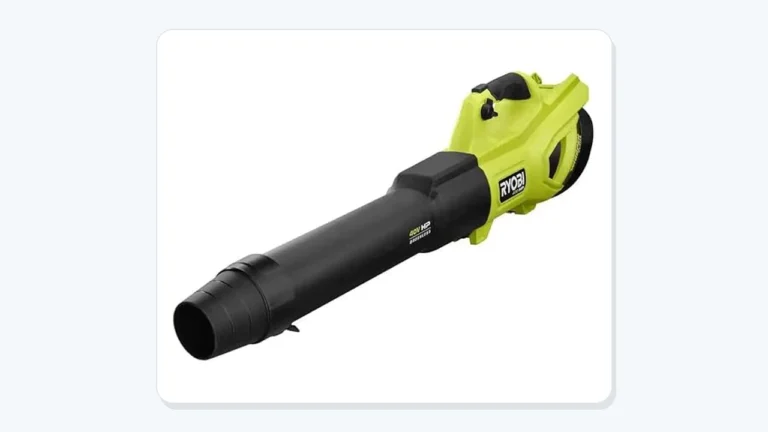
The RYOBI ONE+ 18V 100 MPH 350 CFM Cordless Variable-Speed Jet is a cordless leaf blower aimed at people clearing light debris from hard surfaces and moving dry leaves. It makes the most sense for routine cleanup close to home, especially if you already use compatible RYOBI ONE+ 18V batteries.
Its 350 CFM airflow is meant to move a useful volume of debris, while the listed 100 MPH air speed helps direct that air at leaves and loose dirt. A variable-speed trigger gives you a way to adjust the airflow rather than running at one fixed pace.
The main catch is that this is a tool-only listing: the battery and charger are sold separately. That can be a manageable buy if you own a compatible battery, but it changes the real cost and convenience for anyone starting from scratch.
Below, you’ll find what the specifications can—and can’t—tell you, what kinds of cleanup seem like a sensible fit, and what to check before ordering. The short version: it looks suited to light, dry yard work, not every blower job.
RYOBI ONE+ 18V 100 MPH 350 CFM Cordless Variable-Speed Jet

Features and Specifications
The listing gives a compact set of useful specifications, but it doesn’t provide everything a buyer might want to know. Here’s what the stated details mean in day-to-day terms.

| Specification | What it means for you |
|---|---|
| 18V ONE+ system | It uses the RYOBI ONE+ 18V platform, which may be convenient if you already have compatible batteries. Check your battery and the product instructions before relying on compatibility. |
| 100 MPH air speed | This listed speed describes how quickly air moves at the blower outlet; it can help direct loose leaves or debris, but doesn’t alone predict how much area you can clear. |
| 350 CFM airflow | CFM means cubic feet per minute, a measure of air volume. This figure helps describe how much air the blower moves, which matters when gathering scattered leaves. |
| Variable-speed trigger | You can vary the airflow with the trigger, which offers more control around edges, garden beds, and other spots where full force may scatter debris. |
| Battery and charger sold separately | You’ll need to supply a compatible battery and charger or buy them separately, so the tool-only price isn’t the complete cost of getting started. |
Air speed and airflow volume describe different things. MPH is the speed of the moving air, while CFM describes its volume; neither number by itself guarantees a particular clearing time or performance on wet, packed-down material.
That distinction matters when comparing blowers. A high air-speed figure can sound impressive, but the CFM figure and the type of debris you’re moving also affect whether a blower suits your yard. RYOBI describes this model as intended for light applications, hard surfaces, and dry leaves, which is a more grounded guide to its role than the numbers alone.
The listing doesn’t state a battery capacity, runtime, weight, noise level, or charging time. Those omissions make it hard to estimate how long a session will last or how tiring the tool may feel, so check the product details and your battery options if either factor is a deciding point.
Everyday Use and Performance
For a paved driveway, walkway, or patio with a light layer of dry leaves, this blower’s stated use makes sense. The 350 CFM figure indicates airflow volume for pushing loose material together, while the 100 MPH rating indicates air speed that can help move debris along a surface.

Think of quick maintenance rather than a full fall cleanup. Clearing a few leaves after a breezy day or shifting dry clippings away from a hard surface is a more reasonable expectation than clearing a large property in one go.
The variable-speed trigger is useful when the work changes from one spot to another. You may want a gentler push near gravel or a planting bed so you don’t scatter what you’re trying to leave in place, then more airflow on an open path. The listing confirms variable speed, but doesn’t provide specific speed settings.
Wet leaves and heavier debris are a less certain fit. The product is described for dry leaves and light applications, so it’s wise not to assume it will move soggy piles, compacted dirt, or substantial yard waste with the same ease.
Battery choice also affects how practical cordless cleanup feels. A battery you already own may make it easy to grab the blower for short jobs, but this listing doesn’t promise a particular runtime or say which capacity you need for a given area. If your yard takes a long time to clear, plan around battery availability rather than assuming one charge will cover it.
Noise and comfort deserve a check, too. The supplied listing doesn’t state a noise rating or tool weight, so there’s no sound basis for promising quiet operation or a particular level of fatigue. For regular or extended use, look for those details in the full product information and use appropriate hearing and eye protection when operating a blower.
Design, Fit, and Setup
This listing is for the blower as a tool, not a complete battery-and-charger kit. Before buying, check whether you already own a compatible RYOBI ONE+ 18V battery and charger; otherwise, add those items to your shopping plan. The product name identifies the ONE+ 18V system, but checking the exact battery instructions is still sensible.
The listing says the item ships in bulk packaging. That’s worth noting if you expect a standard retail box or plan to give the tool as a gift. Confirm what the seller includes in the package rather than assuming that batteries, a charger, or extra attachments are tucked inside.
There’s no stated weight, length, or included nozzle information in the supplied details. If storage space, reach, or carrying comfort matters, look for the full specifications before ordering. Those practical details can affect whether a blower is comfortable to use and easy to put away.
Setup should begin with the product instructions, especially for battery installation and operation. Don’t force a battery that doesn’t fit, and make sure the blower is switched off before handling or inspecting it. Follow the manual’s guidance for clearing debris and storing the tool; the listing doesn’t specify a cleaning method or maintenance schedule.
For a cordless tool, keeping the battery and charger in good condition is part of the setup, not an afterthought. Store and charge them as their instructions direct, and check that the battery is charged before heading outside. That small check can spare you the annoyance of getting halfway through a cleanup and discovering the tool is out of power.
What Works Well (pros)
- Useful figures for light cleanup: The listed 350 CFM and 100 MPH provide two concrete airflow measures to compare with other blowers, while the stated use gives a realistic target: light work, hard surfaces, and dry leaves.
- Adjustable airflow control: A variable-speed trigger lets you change the blower’s output as you move between open pavement and spots where loose material could scatter.
- Cordless convenience: There’s no power cord to keep within reach while moving around an outdoor space. That’s especially handy for brief jobs away from an outlet.
- Potential fit with an existing battery setup: The ONE+ 18V designation may make this a straightforward addition for buyers with a compatible battery and charger already on hand. Confirm compatibility for your equipment before purchasing.
These advantages are most meaningful when the job is modest and the battery situation is already sorted. A cordless tool that’s easy to grab can be more useful for routine touch-ups than a more involved setup, but it still needs to match the amount and type of debris you handle.
Where It Falls Short (cons)
- Battery and charger aren’t included: New buyers need to source both separately, which adds another purchase and means the listed tool alone won’t be ready to use.
- Its stated role is limited: RYOBI identifies light applications, hard surfaces, and dry leaves. Buyers dealing with wet leaves, heavy debris, or demanding whole-yard cleanup shouldn’t treat it as a proven fit for those jobs.
- Runtime is not specified: The listing doesn’t give a runtime or battery capacity. If you have a larger area to clear, you’ll need to investigate battery options and consider whether a spare is practical.
- Some useful fit details are missing: Weight, noise level, dimensions, and package contents beyond the tool-only designation aren’t established here. That leaves extra homework for buyers who care about comfort, storage, or included parts.
Those are buying constraints, not proof that the blower has a defect. The key is to avoid treating “cordless” as shorthand for “ready to go” or assuming the airflow figures cover every kind of yard debris.
Who Should Buy It?
This model is worth considering if your regular cleanup is mostly dry leaves, light debris, and loose material on a driveway, patio, or walkway. Its stated use aligns with those tasks, and the variable-speed trigger may help when you want to control where the debris goes.
It’s also a more natural choice for someone already invested in compatible RYOBI ONE+ 18V equipment. In that situation, the tool-only format may be less of a hassle because you may already have the battery and charger needed to operate it.
Before placing an order, ask yourself a few practical questions:
- Do you have a compatible ONE+ 18V battery and charger, or have you included their separate cost in your plan?
- Is your usual debris dry and light, and are most of the surfaces hard?
- Will you be clearing a small or moderate area, or do you need longer runtime for a large property?
- Do you need specific information about weight, noise, dimensions, or included parts before choosing?
If the first two answers are yes and the missing details aren’t deal-breakers, the product’s specifications line up with straightforward maintenance. If you’re unsure about battery fit or the package contents, verify those points with the seller before buying.
Who Should Skip It?
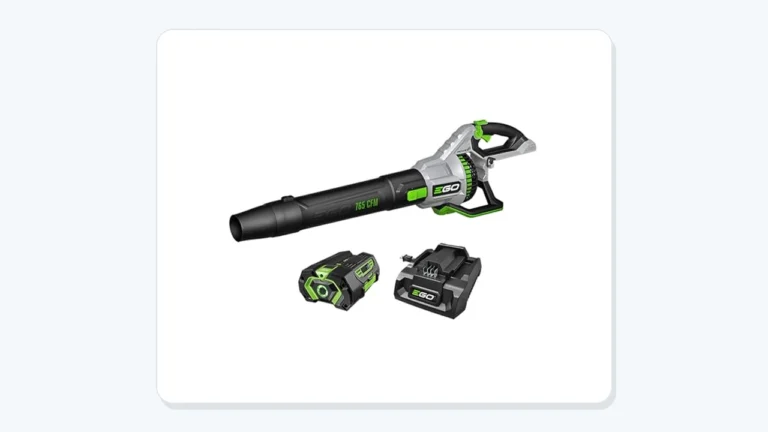
Skip this blower if you regularly need to clear wet, heavy leaves or large areas and you don’t have time to work around battery limits; look instead at a higher-voltage or gas blower with published specifications suited to sustained, heavier cleanup.
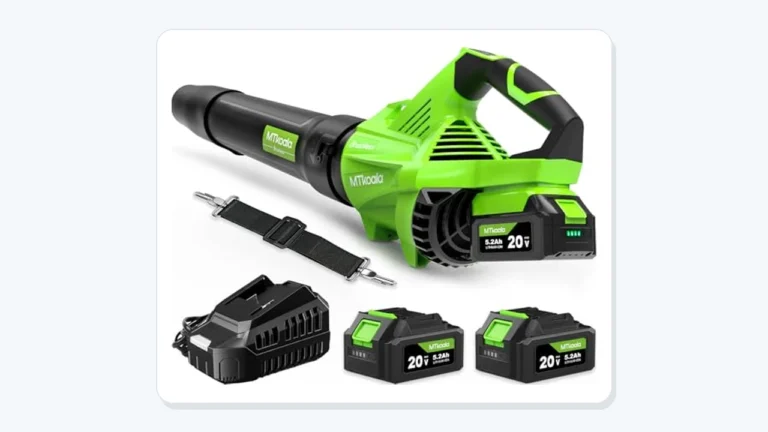
It’s also a poor match if you need a complete kit in one purchase and don’t want to find a battery and charger separately. A battery-and-charger bundle may be more convenient, but check its airflow rating and included battery details rather than assuming it performs like this tool-only listing.
Buyers who need a precise runtime estimate, a known weight, or a stated noise level should pause until they can confirm those details. The supplied information doesn’t answer those questions, and guessing can lead to a tool that feels wrong for the size or timing of the job.
FAQs About RYOBI ONE+ 18V 100 MPH 350 CFM Cordless Variable-Speed Jet
Does this RYOBI blower include a battery and charger?
No. The listing is for the tool only, with the battery and charger sold separately. Check that you have compatible equipment or budget for both before ordering.
What do 100 MPH and 350 CFM mean on this blower?
The 100 MPH figure is the listed air speed, and 350 CFM is the listed airflow volume. They describe different aspects of airflow; neither guarantees performance on wet or heavy debris.
Is it suitable for wet leaves?
The listing describes the blower for light applications, hard surfaces, and dry leaves. Wet leaves fall outside that stated use, so don’t count on it as the right tool for that job.
Can I use a RYOBI ONE+ 18V battery I already own?
The product is identified as part of the RYOBI ONE+ 18V system, but check your battery’s compatibility and the blower’s instructions before use. The listing doesn’t specify a required battery capacity or runtime.
Is this a good choice for a large yard?
That depends on the area, debris, and battery setup. The listing gives no runtime estimate and describes light applications, so buyers with extensive cleanup should compare options designed for longer or heavier work.
Final Verdict: Is It Worth Buying?
The RYOBI ONE+ 18V 100 MPH 350 CFM Cordless Variable-Speed Jet looks like a sensible option for light cleanup on hard surfaces, particularly when dry leaves are the main job. Its listed airflow figures and adjustable trigger give buyers useful comparison points without promising more than the stated use supports.
The trade-offs are real: it’s tool-only, runtime isn’t specified, and its stated role doesn’t cover demanding debris. For someone with a compatible battery who wants a cordless blower for routine touch-ups, it’s a reasonable candidate. For wet leaves, large properties, or a ready-to-run kit, compare a more suitable blower or a battery-and-charger bundle before deciding.

I’m Maya L. Greenwood, a lifelong plant lover who believes anyone can grow something beautiful with the right guidance. After years of testing soil mixes, pruning methods, irrigation tricks, and pest-safe solutions, I started EasyGardenTips.com to turn hard-won lessons into step-by-step advice. From seed starting and container gardens to composting and seasonal checklists, my goal is to make gardening simple, sustainable, and fun.