5 Best Self Propelled Gas Lawn Mower with Push Button Start Guide
Finding the best self propelled gas lawn mower with push button start means balancing easy starting, cutting power, maneuverability, and the ongoing care that comes with a gasoline engine. The right choice depends on yard size, slopes, grass thickness, preferred walking speed, and whether you want bagging, mulching, or discharge flexibility.
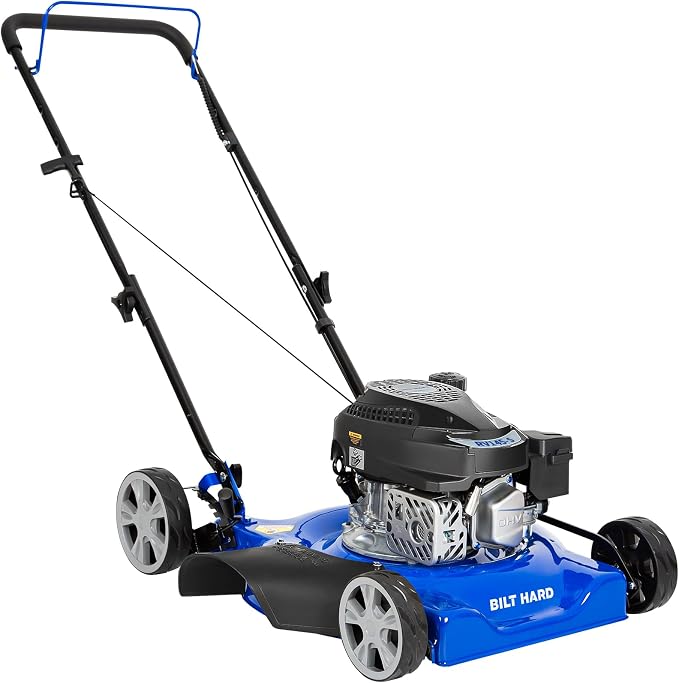
My first choice is BILT HARD 21″ Self Propelled Gas Lawn Mower. It stands at the top of this 5-product list because it offers the strongest overall fit for the buying priorities covered below.
My second choice is YARDMAX 24 In. 201cc Electric Start Select PACE 6 Speed CVT. It is the option I would compare next when a buyer has slightly different priorities from my first pick.
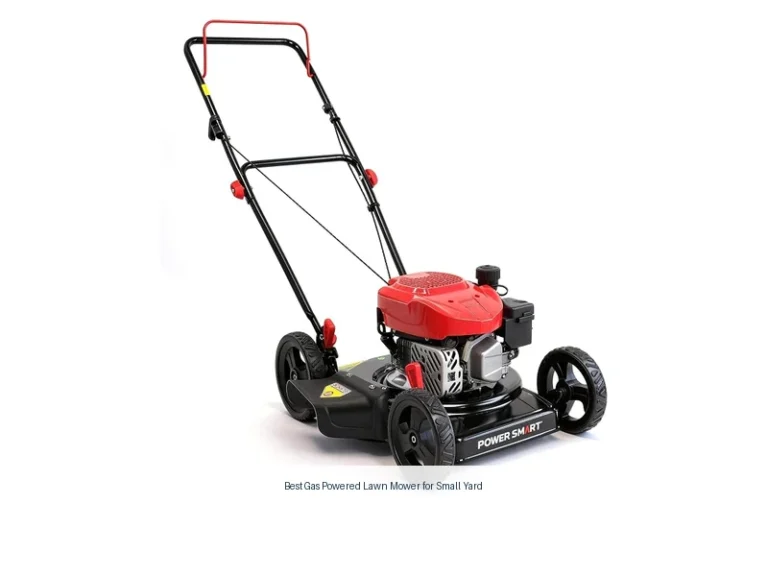
My third choice is PowerSmart 21″ Self-Propelled Gas Lawn Mower. It rounds out my top three with a useful alternative for buyers whose priorities differ from the first two choices.
YARDMAX In. 201cc Electric Start Select PACE 6 Speed CVT is my alternative and second choice because its push-button electric start and six-speed CVT provide unusually good control over both starting and walking pace. The 24-inch deck can cover ground quickly, while the included blower adds versatility for clearing leaves and clippings.
.amz-product-card:hover{transform:translateY(-3px)!important;box-shadow:0 10px 26px rgba(20,70,110,.12)!important;border-color:#bdd7ea!important;}
Best Self Propelled Gas Lawn Mower with Push Button Start
I selected these products for their relevance to push-button or electric-start self-propelled mowing, useful feature information, and available customer-feedback evidence. I also considered differences in deck size, drive layout, cutting options, terrain suitability, and brand choice rather than treating every mower as interchangeable; the Greenworks model is included as a battery-powered comparison for shoppers considering a quieter alternative.
| # | Image | Product | Price on Amazon |
|---|---|---|---|
| 1 |  |
BILT HARD 21″ Self Propelled Gas Lawn Mower | Check Price |
| 2 |  |
YARDMAX 24 In. 201cc Electric Start Select PACE 6 Speed CVT | Check Price |
| 3 |  |
PowerSmart 21″ Self-Propelled Gas Lawn Mower | Check Price |
| 4 |  |
SENIX 201cc 22″ 3-in-1 Variable Speed Self Propelled Gas Lawn Mower | Check Price |
| 5 |  |
Greenworks 60V 21in Self-Propelled Lawn Mower | Check Price |
BILT HARD 21″ Self Propelled Gas Lawn Mower
The BILT HARD stands out as a balanced option for homeowners who want a conventional gas mower without a fussy starting routine. Its 201cc four-cycle OHV engine produces 9.0 ft-lb of torque, giving it a useful reserve for ordinary medium and larger lawns. The no-choke, no-primer design is particularly beginner-friendly because it removes two manual steps that can confuse new gas-mower owners.
Rear-wheel drive and single-speed self-propulsion make the mower easier to guide across broad areas and mild slopes. The trade-off is that a single speed provides less pace adjustment than a variable-speed drive, so it may not feel equally comfortable for every walking speed. The angled, foam-wrapped handle helps reduce hand fatigue during longer mowing sessions.
A steel 21-inch deck offers a practical balance between coverage and maneuverability. The mower can bag clippings, mulch them, or discharge them to the side, while a single lever adjusts all four wheels through eight positions from 1.2 to 3.75 inches. That wide range suits short, tidy cuts as well as taller seasonal grass.
Pros
- 201cc OHV engine with 9.0 ft-lb of torque
- No-choke, no-primer starting design
- Rear-wheel drive with simple single-speed propulsion
- Steel deck and three cutting modes
- Eight height settings controlled by one lever
Cons
- Single-speed drive offers less pace control
- Gas-engine ownership requires fuel and routine maintenance
My Opinion
This is my top gas pick for a buyer who values straightforward operation and broad mowing flexibility. Before purchase, confirm that the included bagging and discharge setup meets the yard’s needs, and plan for regular oil, fuel, blade, and air-filter care even though the starting process is simplified.
YARDMAX 24 In. 201cc Electric Start Select PACE 6 Speed CVT
YARDMAX takes a different approach by emphasizing both coverage and speed control. Its 24-inch cutting width can reduce the number of passes across a larger lawn, although that extra width can make the mower feel less nimble in narrow gates, landscaped corners, or compact yards. Buyers should measure storage paths and gate openings before choosing a wide-deck machine.
The push-button electric start is the central convenience feature. It eliminates the need to pull a starter cord, while the automatic choke is intended to simplify cold starts without manual priming or choking. Because this remains a gas-powered mower, the owner still needs to manage fuel and standard engine maintenance; electric starting does not make it maintenance-free.
Its Select PACE system uses a six-speed continuously variable transmission. That is valuable when a lawn contains both open stretches and tighter areas because the operator can better match the mower’s movement to a comfortable walking speed. High wheels and rear-wheel drive also point toward easier handling over uneven ground, though the wider deck may still require more room to turn.
The supplied configuration also includes an advanced airflow leaf blower capable of up to 150 CFM and 130 MPH according to the product information. That accessory can make seasonal cleanup more convenient, but shoppers should view it as an added use case rather than a reason to overlook deck width or storage requirements.
Pros
- Push-button electric start with automatic choke
- Six-speed CVT for more precise pace control
- 24-inch deck for efficient coverage
- Rear-wheel drive and high-wheel design
- Includes a blower for cleanup tasks
Cons
- Wide deck may be awkward in tight spaces
- Limited supplied customer-feedback volume compared with several alternatives
My Opinion
YARDMAX is the strongest alternative for a larger, relatively open lawn where walking-speed adjustment matters. Measure gates and storage space first, and confirm the electric-start system’s charging or battery requirements in the package instructions before the first mowing season.
PowerSmart 21″ Self-Propelled Gas Lawn Mower
PowerSmart is aimed at the practical medium-yard buyer. Its 170cc OHV engine is smaller than the 201cc engines used by the first two gas options, but the available information emphasizes smooth starting, consistent performance, and durability. For ordinary residential grass, the smaller engine can be a reasonable match when the priority is dependable basic mowing rather than maximum reserve.
The 21-inch steel deck keeps the footprint familiar and useful for a mix of open lawn and tighter sections. Its 1.4-bushel bag collects clippings when a clean finish is important, while mulching can return finely cut material to the lawn and rear discharge provides a faster option when collection is not needed. Switching between these modes gives the owner more flexibility through the season.
Rear-wheel drive combined with 10-inch rear wheels is the main terrain advantage. Larger drive wheels can help the mower maintain traction and roll more predictably over uneven ground or slopes. That does not remove the need for careful footing, but it makes this model more compelling for yards where a basic front-wheel-drive layout may struggle.
Height adjustment uses one lever and six settings from 1.5 to 3.9 inches. The range accommodates different grass types and seasonal cutting preferences, although it offers fewer increments than the BILT HARD. With substantial customer-feedback volume and a medium-yard focus, this is a straightforward choice for shoppers who want familiar controls and a durable deck.
Pros
- Rear-wheel drive with large 10-inch rear wheels
- 21-inch steel deck for medium and larger lawns
- Bagging, mulching, and rear-discharge options
- Single-lever adjustment across six cutting heights
- 1.4-bushel collection bag
Cons
- 170cc engine has less stated torque than the 201cc alternatives
- Fewer height positions than some competing models
My Opinion
PowerSmart makes the most sense for a medium lawn with slopes or uneven sections where rear traction is important. Check the bag, discharge attachment, and height-control hardware during setup, and avoid assuming that a self-propelled drive makes steep terrain risk-free.
SENIX 201cc 22″ 3-in-1 Variable Speed Self Propelled Gas Lawn Mower
SENIX offers a strong combination of deck width, engine size, and pace control. The 22-inch steel cutting deck covers more ground than a standard 20- or 21-inch mower, which can shorten mowing time on open lawns. That advantage comes with a practical compromise: a wider body needs more turning room and may be less convenient around small planting beds or narrow passages.
A 201cc four-cycle OHV engine supplies the power for medium to large lawns, while rear-wheel drive and 11-inch rear wheels help the machine move across slopes, thick grass, and uneven surfaces. The large rear wheels should appeal to buyers who frequently encounter rough sections, but traction still depends on lawn conditions, operator control, and safe mowing technique.
Variable-speed self-propulsion is useful when the lawn changes from a long straight run to a confined corner. Instead of accepting one fixed pace, the operator can slow down for obstacles or adjust the mower’s movement to a comfortable walking rhythm. That added control is more useful on irregular properties than it would be on a completely open, flat rectangle.
SENIX also provides bagging, mulching, and side discharge. Six single-lever height settings span 1.25 to 4 inches, giving enough range for short cuts and taller grass management. The broad upper setting is helpful when avoiding excessive removal during hot or dry conditions.
Pros
- Powerful 201cc four-cycle OHV engine
- 22-inch steel deck for faster open-lawn coverage
- Variable-speed rear-wheel self-propulsion
- 11-inch rear wheels for uneven ground
- Six height settings from 1.25 to 4 inches
Cons
- Wider deck may be difficult in confined yards
- Gas engine requires routine fueling and maintenance
My Opinion
SENIX is a strong fit when the yard is broad enough to benefit from a 22-inch deck and varied enough to justify variable speed. Before buying, measure the narrowest route to the lawn and make sure the desired bagging, mulching, or side-discharge arrangement can be stored without crowding other equipment.
Greenworks 60V 21in Self-Propelled Lawn Mower
Greenworks is not a gas mower, but it deserves consideration from shoppers who are focused on push-button convenience and self-propelled performance rather than fuel specifically. Its 60V brushless motor starts instantly and avoids emissions during use, while the included two 4.0Ah batteries are rated for up to three-quarter acre per charge depending on terrain and mowing technique.
That runtime estimate should be treated as a planning figure rather than a guarantee. Thick grass, slopes, wet conditions, frequent self-propelled use, and aggressive cutting heights can all affect how much area remains available. The two-battery kit is still helpful because one battery can be charging while the other is in service, provided the charging routine and storage conditions are followed.
Rear-wheel drive supplies traction on slopes and in thicker grass, and the operator can adjust pace while mowing. The 21-inch deck is a familiar compromise between coverage and maneuverability. Four-in-one functionality adds bagging, mulching, side discharge, and turbo leaf pickup, giving this mower broader seasonal usefulness than a basic cordless model.
Greenworks also claims operation at three times quieter than gas mowers and backs the tool and batteries with a four-year limited warranty. Compatibility with more than 75 Greenworks 60V tools can add value for a homeowner already using that battery platform. The trade-off is that the purchase does not suit someone committed to gasoline power or who lacks a convenient charging location.
Pros
- Instant starting with no fuel or engine pull cord
- Two 4.0Ah batteries included
- Rear-wheel drive with adjustable self-propelled pace
- Four cutting and cleanup functions
- Works with more than 75 Greenworks 60V tools
Cons
- Runtime varies with terrain and mowing technique
- Not a gas-powered option for buyers specifically requiring gasoline
My Opinion
Greenworks is the best comparison choice for someone who values quiet, low-maintenance operation more than gasoline ownership. Confirm that the stated runtime fits the property and that the four-year limited tool-and-battery warranty applies to the intended purchase before relying on it for a large lawn.
How I Selected These Mowers for the Best Self Propelled Gas Lawn Mower with Push Button Start
The main selection standard was practical relevance to shoppers who want self-propelled movement and easier starting. I gave priority to gasoline models with electric-start or simplified-start information, then compared engine displacement, drive-wheel placement, deck construction, cutting modes, height adjustment, and pace control. These details influence how a mower behaves in real ownership far more than a long list of isolated specifications.
Customer-feedback volume and stated ratings were considered as evidence of market experience, but not treated as a guarantee of individual results. The PowerSmart and Greenworks listings provide much more feedback volume than the YARDMAX listing, so that difference matters when judging how much ownership evidence is available. Brand variety was also useful because shoppers may already have a preferred tool platform, service expectation, or storage setup.
A push-button start solves the starting inconvenience, but it does not turn a gas mower into a maintenance-free machine. Fuel quality, oil care, blade condition, air filtration, and proper storage still affect ownership.
I also included the Greenworks battery model as a clearly labeled alternative rather than pretending it belongs to the gas category. It shows what a buyer gives up and gains by changing power sources: no fuel or exhaust, quieter operation, and instant starting, but dependence on battery runtime and charging.
The biggest practical differences among these choices are not just engine size. Deck width, rear-wheel traction, walking-speed control, and access to storage or charging space can determine whether a mower feels convenient every week.
How to Choose the Best Self Propelled Gas Lawn Mower with Push Button Start
Start with the yard rather than the engine label. A broad, open property may reward a wide deck and variable speed, while a smaller yard with gates and landscaping may be easier with a narrower 21-inch machine. Slopes, thick grass, collection preferences, and available storage should shape the decision before starting convenience becomes the deciding factor.
- Match deck width to open lawn area, gates, paths, and storage space.
- Choose rear-wheel drive when slopes, thick grass, or uneven terrain are common.
- Look for variable speed if different family members will operate the mower.
- Confirm whether the desired cutting modes include bagging, mulching, and discharge.
- Plan for fuel, oil, cleaning, and winter storage with every gas model.
Engine size and grass conditions
The 201cc models in this group offer more stated engine capacity than the 170cc PowerSmart, but displacement alone does not predict every mowing result. Cutting height, blade sharpness, mowing frequency, grass moisture, and travel speed all affect load. A larger engine is more attractive for thick or rapidly growing grass, while a 170cc machine can still be sensible for routine medium-yard work.
Deck width and maneuverability
A 24-inch or 22-inch deck can reduce passes on an open lawn. However, the benefit decreases when the mower must repeatedly turn around trees, landscaping, fences, or narrow gates. Measure the tightest route from storage to the lawn, not just the width of the main grass area. A 21-inch deck often offers an easier compromise for mixed layouts.
Drive system and walking pace
Rear-wheel drive generally deserves attention when the front of the mower becomes light while climbing or when the lawn contains slopes. Large rear wheels can also help over uneven ground. Variable-speed systems are useful for people who want to walk slowly around obstacles or move faster across open grass. A single-speed system is simpler, but its fixed pace may not suit every operator.
Cutting height and lawn health
More height positions provide finer control, but the useful range matters more than the raw count. Taller settings can help avoid cutting too much during hot or dry weather, while lower settings may suit a particular lawn’s appearance. Raise the deck gradually when grass is unusually tall rather than attempting to remove a large amount in one pass.
Gas convenience versus battery convenience
Electric start makes gasoline equipment easier to activate, but fuel and engine upkeep remain part of ownership. A battery mower removes fuel handling and usually starts instantly, yet runtime depends on batteries, terrain, and mowing technique. Greenworks is most appealing when the buyer already owns compatible 60V tools or wants to build that platform.
Setting Up a Self-Propelled Mower Before the First Cut
Read the supplied instructions completely before adding fuel, oil, or attempting to start the machine. Assembly can involve the handle, grass bag, discharge components, battery or starter system, and height-control hardware. Do not assume that every mower arrives ready to run, and do not use a fuel mixture when the engine requires standard gasoline operation as specified by its instructions.
- Inspect the deck, wheels, handle, blade area, and controls for shipping damage.
- Secure the handle and confirm that drive and blade controls move freely.
- Install the bag, mulch insert, or discharge attachment as directed.
- Set all four wheel positions or the single height lever to a moderate setting.
- Add only the specified fluids or fuel, then test the start and drive controls in a clear area.
For the Greenworks model, charge the batteries using the supplied compatible charger and make sure they are seated correctly. Keep the first mowing session short enough to learn the pace control, stopping response, deck engagement, and turning behavior before tackling the entire property.
How to Use Self-Propelled Drive Effectively
Self-propulsion should assist walking, not pull the operator beyond a comfortable pace. Engage the drive only after establishing stable footing and a clear direction. Release the drive before making tight turns, crossing non-grass surfaces, or approaching obstacles unless the instructions specifically indicate otherwise.
Mow when the grass is reasonably dry, use overlapping passes, and avoid forcing the deck through unusually tall growth. If the engine note changes noticeably or the mower begins to bog down, slow the pace, raise the cutting height, or make another pass later. Bagging fills more quickly in lush growth, while mulching generally works best when clippings are not excessively long.
Maintenance and Storage That Extend Ownership
Routine care
Remove accumulated grass from the underside of the deck only with the mower powered down and made safe according to the instructions. Keep cooling areas and air-intake components clear. Check the blade periodically for damage or dullness, because a worn blade can reduce cut quality and make the engine work harder.
Gas models need appropriate oil checks and changes, clean air filtration, and fresh fuel practices based on the engine instructions. Never perform blade or underside work with the engine running. If the mower uses an electric-start battery, follow its charging and storage directions instead of leaving it unattended in unsuitable conditions.
Seasonal storage
Before extended storage, clean and dry the machine, address fuel requirements in the manual, and store it in a dry, ventilated location away from ignition sources. Fold the handle only if the design allows it and avoid placing heavy objects on control cables. Store the Greenworks batteries and charger in the conditions specified by Greenworks, separate from moisture and extreme heat.
Safety Practices for Slopes and Obstacles
Walk across slopes when the instructions recommend it rather than taking a risky straight-up or straight-down route. Wear sturdy footwear, keep both hands available for control, and remove sticks, toys, wire, and stones before mowing. Large rear wheels and rear-wheel drive can improve handling, but they cannot compensate for wet turf, poor footing, or an incline beyond the mower’s safe operating guidance.
Stop the blade and engine or disconnect the battery before clearing a blockage. Keep children and pets away from the mowing area, and never leave a running mower unattended. Side discharge should be directed away from people, vehicles, windows, and garden beds.
Common Mistakes to Avoid
Many ownership problems begin with a mismatch between the mower and the property rather than with a defective feature. A few minutes spent measuring, reading setup instructions, and planning maintenance can prevent avoidable frustration.
- Buying a 24-inch mower without checking gates, sheds, and narrow paths.
- Assuming electric start means the gas engine needs no oil or fuel care.
- Using the lowest height on tall grass and trying to finish in one pass.
- Ignoring the bag, mulch insert, or discharge attachment during assembly.
- Running a self-propelled mower too quickly on a slope or wet surface.
- Storing gasoline or batteries in a location exposed to heat, moisture, or ignition sources.
Never clear packed grass, inspect the blade, or reach under the deck until the mower is fully stopped and made safe according to the owner’s instructions.
FAQ
Does electric start mean a gas mower is maintenance-free?
No. Electric starting removes the pull-cord step, but the engine still needs appropriate fuel, oil attention, air-filter care, blade maintenance, and proper storage. Follow the maintenance schedule supplied with the specific mower.
Is rear-wheel drive better for a sloped lawn?
Rear-wheel drive can provide useful traction when climbing or moving over uneven ground, especially when paired with large rear wheels. It does not make every slope safe, so use the operating guidance and maintain secure footing.
Is a 24-inch deck better than a 21-inch deck?
It can finish an open lawn with fewer passes, but it may be harder to turn and fit through narrow gates. A 21-inch deck is often more versatile for yards with landscaping, confined areas, or limited storage space.
What is the benefit of variable-speed self-propulsion?
Variable speed lets the operator slow down around trees, corners, and obstacles or move more quickly across open grass. It is especially useful when more than one person will use the mower or when the property has varied terrain.
Can the Greenworks mower replace a gas mower?
It can for buyers whose lawn fits the available battery runtime and who prefer quiet, low-maintenance operation. Performance depends on terrain and mowing technique, so compare the stated up-to-three-quarter-acre range with the actual property before choosing it.
Final Thoughts
The best self propelled gas lawn mower with push button start for most buyers in this comparison is the BILT HARD 21 Self Propelled Gas Lawn Mower 201cc 4-Cycle because it balances engine strength, simple starting, rear-wheel drive, and flexible cutting options. Choose the YARDMAX 24 in. 201cc Electric Start Select PACE for a wider deck and six-speed control, or the PowerSmart 21 Self-Propelled Gas Lawn Mower 170cc OHV Engine Rear-Wheel for a practical medium-yard option with useful rear traction.

I’m Maya L. Greenwood, a lifelong plant lover who believes anyone can grow something beautiful with the right guidance. After years of testing soil mixes, pruning methods, irrigation tricks, and pest-safe solutions, I started EasyGardenTips.com to turn hard-won lessons into step-by-step advice. From seed starting and container gardens to composting and seasonal checklists, my goal is to make gardening simple, sustainable, and fun.