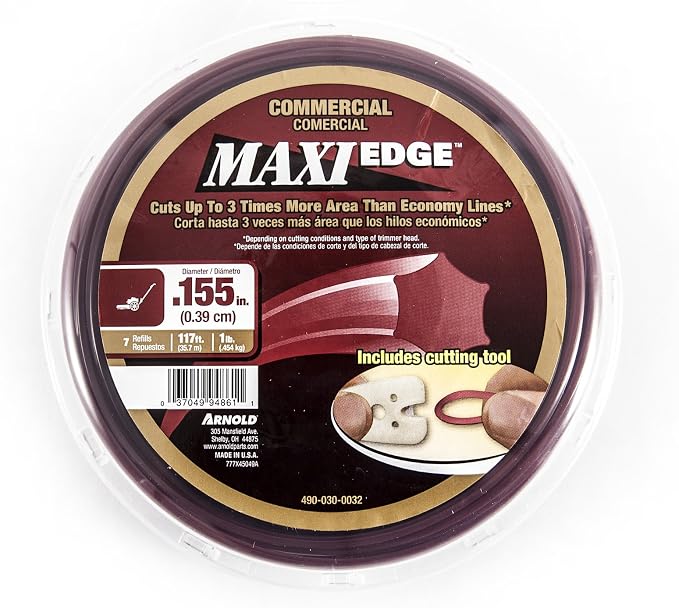
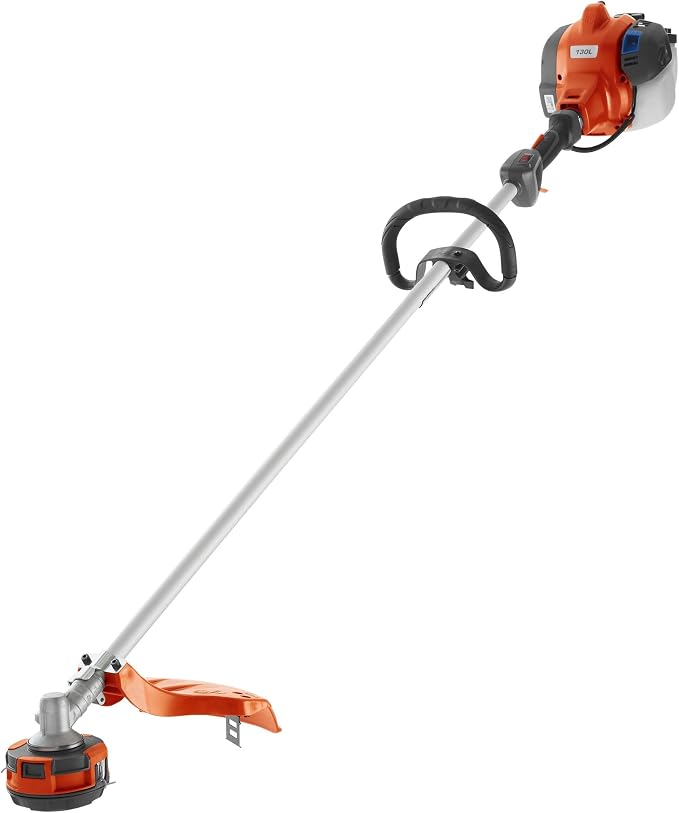
5 Best String for String Trimmer: Best Picks and Key Buying Tips
Choosing the best string for string trimmer depends on more than finding the thickest line or the longest spool. Diameter, profile, material, trimmer compatibility, cutting conditions, and how often you reload all affect whether a line feels efficient or frustrating in actual yard work.
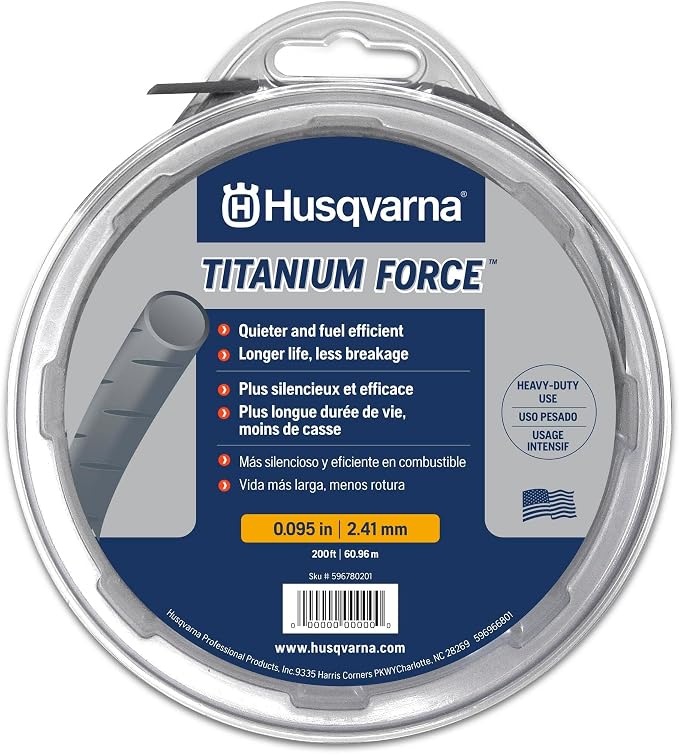
For most homeowners, the Husqvarna Titanium Force 0.095 String Trimmer Line is the strongest overall choice because it combines a durable co-extruded polymer, a practical 140-foot length, reduced noise, and compatibility with standard trimmer heads. The Viabrico .095″ Weed Eater String is the clear alternative if you want a longer 330-foot supply and a square, heavy-duty profile for more demanding vegetation.
The five options below were compared by diameter, line shape, construction, cutting purpose, available length, compatibility information, loading convenience, and the type of property or trimming routine each one suits. The goal is not simply to identify strong line, but to help you match the line to your trimmer and the work you actually do.
Best String for String Trimmer at a Glance
| Product | Name | Price |
|---|---|---|
 |
Husqvarna Titanium Force 0.095 String Trimmer Line | Check Price |
 |
Viabrico .095″ Weed Eater String | Check Price |
 |
Anleolife .095″ Commercial Square String Trimmer Line | Check Price |
 |
Echo 330095071 String | Check Price |
 |
105 String Trimmer Line | Check Price |
1. Husqvarna Titanium Force 0.095 String Trimmer Line
Husqvarna Titanium Force earns the top position because it presents the most balanced package for everyday residential and demanding property maintenance. The .095-inch diameter is a widely useful size for grass, lawn borders, fence lines, and moderate weeds, while the round, dimpled, co-extruded design emphasizes durability without making the line excessively specialized.
Its commercial-grade polymer is engineered for abrasion resistance, flexibility, and reduced breakage. That combination matters when a line repeatedly contacts edging surfaces, rough grass, or occasional hard obstacles. The line also has an undulated surface intended to support precise cutting and quieter operation. Husqvarna states that its patented design reduces noise by 50 percent, which may be especially valuable if you trim around a home, work for longer sessions, or simply dislike the sharp sound of conventional line.
The package includes a 140-foot spool, giving occasional and regular homeowners a useful supply without requiring them to store an especially large bulk roll. It is manufactured in the USA and is described as compatible with all standard string trimmer heads. Even so, the trimmer manual remains the final authority on approved diameter and loading method.
The main trade-off is that a 140-foot spool is smaller than the 330-foot or 1,280-foot options ranked below. Frequent users or landscaping professionals may reload more often. Its round profile may also be less aggressive than a square line when cutting especially dense, tall, or woody growth.
Choose this line when you want a dependable all-purpose .095 option with low-noise characteristics and a sensible balance of cutting performance, flexibility, and storage. Keep the spool clean and load it evenly to preserve smooth feeding; choose a bulk square line instead if your priority is maximum supply or sharper edges for heavy vegetation.
2. Viabrico .095″ Weed Eater String
Viabrico’s .095-inch square orange line takes second place because it offers a strong combination of cutting aggression, long-term supply, and compatibility for users who do more than occasional touch-ups. Its square profile creates four cutting edges, and the manufacturer describes the design as providing a larger cutting surface for even edges and a manicured finish. In practice, that shape is aimed at users who value crisp trimming around borders, fences, and overgrown sections.
The line is made from polyamide material and is listed with a 110-pound tensile weight and high impact resistance. Those specifications point toward a heavy-duty line intended to resist snapping during tougher work. Abrasion and crack resistance are also emphasized, including use near sharp rocks. That does not make the line immune to damage, but it makes it a logical candidate for demanding residential maintenance and repeated landscaping tasks.
A 330-foot, 1.7-pound supply is one of this product’s clearest advantages. It gives frequent users more line before a reload and can be more practical for large yards than a shorter spool. The precision-wound construction is designed to reduce misfeeds, jamming, and tangling, although careful loading is still important with any replacement line.
The square profile has trade-offs. It can be more aggressive against vegetation, but line shape and diameter must still match the trimmer’s requirements. A line that is too thick can feed poorly or place extra demand on a machine that was not designed for it. Square line can also feel less forgiving when it strikes hard surfaces.
Viabrico is the clear alternative to the Husqvarna for users who want more line and a sharper square cutting profile. It works with gas, electric, and cordless trimmers that accept .095-inch line. Confirm that measurement in the owner’s manual before buying, and wind the spool evenly in the specified direction to minimize tangling and feeding problems.
3. Anleolife .095″ Commercial Square String Trimmer Line
Anleolife ranks third primarily because it is built around volume. The 1,280-foot, 5-pound spool is much larger than the other listed supplies, making it particularly appealing to landowners, frequent homeowners, and landscaping users who would rather buy one substantial roll than repeatedly replace shorter packages. For large properties or recurring fence-line and border work, that reserve can reduce interruptions during the season.
This line uses a bright orange, four-edge square profile. The high-visibility color can make the line easier to see while loading and trimming, which is helpful when checking the spool or locating a loose end. The square edges are intended to produce defined cuts in grass, weeds, lawn borders, fence lines, and open yard areas. That makes the product more targeted toward crisp, assertive trimming than a basic round line.
The Nylon 66 copolymer construction is designed for everyday grass cleanup and tougher routine work. The product information identifies it for homeowners, landowners, and landscaping professionals, so its practical appeal is less about compact storage and more about sustained use. It is listed as compatible with supported .095-inch heads from brands including Husqvarna, Echo, Stihl, Weed Eater, EGO, Oregon, Milwaukee, and DeWalt.
The large spool is also the main limitation. It takes more storage space, weighs five pounds, and may be unnecessary for someone who trims a small yard a few times per month. A bulk spool can also be less convenient if you do not have a clean way to measure and cut replacement lengths. The square profile may not be the best choice for a trimmer that specifies round line or for light work where a softer, quieter line is preferred.
Before loading, verify both the .095-inch diameter and the maximum line length allowed by your head. Use the built-in cutter to prepare consistent sections, and keep the unused spool protected from moisture and heat. Choose Anleolife when supply and repeat-use value matter more than compact ownership.
4. Echo 330095071 String
Echo 330095071 holds fourth place because it offers a specialized blend of square cutting edges and a twisted design from a recognized trimmer-line brand. The line is described as suitable for residential and commercial jobs, including medium to heavy rugged weeds. That positioning makes it more substantial than a light-duty line intended only for soft grass and occasional edging.
Its square edges are designed to provide a razor-sharp cutting surface for fast, clean trimming. This profile can be useful when you want defined results along lawn borders, around fence lines, or through weeds that require more than a gentle pass. The twisted form is intended to reduce trimmer noise and vibration while preserving cutting performance. Those qualities may make longer sessions more comfortable than using a similarly aggressive line with a less refined shape.
Another practical advantage is resistance to welding and high temperatures. Welding, sometimes called line fusing, can occur when stored or loaded line sticks together because of heat, pressure, or friction. Resistance to that issue can support more dependable feeding, though proper storage and correct winding remain important. The product is listed as working on most brands of gas-powered trimmers, giving it useful flexibility for compatible gas machines.
Its limitations are important for shoppers with electric or cordless equipment. The supplied information specifically identifies gas-powered compatibility, so users of battery or corded trimmers should not assume that this line is approved simply because the diameter appears suitable. The available data also does not state the spool length, weight, or exact diameter in the product name, so you need to verify those details before ordering for a particular head.
Echo makes sense when you own a compatible gas trimmer and want square cutting edges with a twisted form aimed at lower noise and vibration. Check the manual for line diameter and loading capacity, and store the line away from excessive heat. If you need a clearly stated 330-foot supply or broad gas, electric, and cordless compatibility, Viabrico may be easier to match to your requirements.
5. 105 String Trimmer Line
The 105 String Trimmer Line rounds out the list by focusing on thicker .105-inch performance and a long 708-foot supply. The larger diameter is intended for heavier weeds, overgrown brush, lawn edging, field clearing, and larger-acreage maintenance. That makes it a useful consideration for users whose trimmer is specifically approved for .105-inch line and who need more resistance than a typical .080 or .095 line can provide.
This product uses a dark blue, round twisted nylon design. The bright blue color is easier to see during loading and can help you confirm where the line sits in the spool. The manufacturer also describes the twisted shape as reducing operating noise by 30 to 50 percent compared with square or traditional spiral shapes. A round profile may feed smoothly and create less resistance, while the thicker diameter supplies additional material for demanding work.
The 3-pound spool provides up to 708 feet, so it is well suited to users who reload regularly or maintain more than one compatible trimmer. It is described as compatible with most standard gas, electric, and cordless models, including both auto-feed and bump-feed systems. The available diameter choices, from .065 to .105 inch, also give the brand a broader range for different jobs, although this particular product is the .105 option.
The most important trade-off is compatibility. A thicker line is not automatically better: if your head is designed for .080 or .095, .105 line may feed poorly or exceed the manufacturer’s recommendation. This model also has a smaller review base than the other ranked products, so buyers may prefer the more established options when broad ownership history matters to them.
Use the 105 line for a compatible machine facing thick weeds, brushy growth, or extensive edging. Confirm the diameter, maximum capacity, and feed method before loading. Store the bulk roll in a cool, dry location, and choose a smaller diameter for light grass if your trimmer manual allows it and easier feeding is the priority.
How to Choose the Best String for a String Trimmer
The right replacement line should match the trimmer first and the vegetation second. A line can be marketed as heavy duty, quiet, universal, or professional, but those descriptions do not override the machine’s specifications. Begin with the owner’s manual or the information printed on the trimmer head. Look for the approved line diameter, maximum line length, compatible profile, and recommended loading procedure.
Once those limits are clear, compare how much cutting material you need, what type of growth you face, and how often you want to reload. The following factors help separate a convenient match from a frustrating one.
Start with the correct diameter
Diameter is the first specification to check. The products in this roundup include .095-inch options and a .105-inch option, but common trimmer systems may use other sizes as well. Smaller diameters are generally associated with lighter grass and less demanding work, while larger diameters provide more material for tougher weeds and heavier trimming. The supplied information for the 105 String Trimmer Line specifically frames .065 and .080 as options for light grass and small yards, with .095 and .105 intended for heavier weeds and larger properties.
That does not mean the largest line will improve every trimmer. A head built for .080-inch line may not accept .095, and a head intended for .095 may not have enough clearance or power for .105. Oversized line can feed poorly, increase resistance, create more vibration, or place unnecessary demand on the motor. It may also fail to advance correctly through an automatic-feed system.
When the manual lists a range, choose according to the work. A lower approved diameter may be easier for routine grass and light edging. A higher approved diameter can make sense for thicker weeds, rough borders, and longer sessions, provided the machine is designed for it.
Understand round, square, twisted, and dimpled profiles
Line shape affects the way the cutting edge contacts vegetation and how the line behaves when it meets hard surfaces. Round line is often a practical all-purpose format. The Husqvarna product uses a round, dimpled, co-extruded design, while the 105 String Trimmer Line uses a round twisted form. These profiles are positioned around flexibility, smooth operation, lower resistance, or reduced noise.
Square line has defined edges that can feel more aggressive against weeds and can produce crisp results along borders. Viabrico, Anleolife, and Echo all emphasize square cutting edges. That can be helpful for dense growth, but sharper edges do not eliminate the need for correct technique. Striking concrete, rocks, metal, or fencing can still wear or break the line quickly.
Twisted line attempts to combine useful cutting surfaces with a shape that can reduce noise and vibration. Echo’s line uses a twisted design alongside square edges, while the 105 model uses a round twisted profile and describes reduced operating noise. Dimpled or undulated surfaces, such as those on the Husqvarna, similarly focus on quieter operation and controlled cutting.
There is no universally superior profile. Choose round or twisted line when smooth feeding and lower noise matter. Consider square line when defined edges and stronger engagement with weeds are more important. If your manual specifies a particular profile, follow that recommendation rather than selecting by marketing language alone.
Match the line to the vegetation
Light grass and routine lawn touch-ups usually do not require the same line as tall weeds, rough fence lines, or brushy areas. A .095-inch line can be a versatile middle ground for many homeowners, which is why several of the leading choices use that diameter. It offers more substance than very light line while remaining suitable for many standard trimmer heads.
For medium to heavy weeds, a square .095 line may provide a more assertive cut. Viabrico and Anleolife are aimed at grass cleanup, borders, fence lines, and tougher vegetation. Echo is described for medium to heavy rugged weeds and both residential and commercial jobs. These options may be appropriate when a thin line breaks too frequently or leaves ragged results.
The .105-inch 105 String Trimmer Line is intended for an even more demanding category, including overgrown brush and field clearing. However, the phrase “heavy duty” should not encourage you to use a line outside your trimmer’s approved range. If the growth is beyond what a string trimmer can safely handle, changing line size is not a substitute for using the correct tool or clearing method.
Use controlled passes rather than forcing the head into thick growth. Let the line do the cutting, maintain a safe distance from people and property, and avoid deliberately striking hard objects. This approach can reduce breakage regardless of which profile you select.
Decide how much line to buy
Spool length affects convenience, storage, and cost efficiency, even when price is not the deciding factor. Husqvarna supplies 140 feet, which is a manageable amount for homeowners who want a practical reserve without a large bulk roll. Viabrico offers 330 feet, a useful middle ground for frequent trimming and larger yards. Anleolife supplies 1,280 feet on a 5-pound spool, making it the most suitable of these options for repeated work, multiple properties, or professional-style maintenance.
The 105 String Trimmer Line provides up to 708 feet on a 3-pound spool. That amount can serve users who need a .105 line regularly but do not want the very large Anleolife roll. Echo’s supplied information does not state the spool length, so confirm the package details before relying on it for a particular maintenance schedule.
Large rolls reduce the chance of running out during a project, but they require a clean storage location and a reliable way to measure and cut line. They can also be unnecessary if you maintain a small yard only a few times each season. A shorter spool may be easier to store and handle, while a bulk spool makes more sense when reloads are frequent.
Consider your feed system and trimmer type
Trimmer heads commonly use bump-feed, automatic-feed, or manually loaded systems. The 105 String Trimmer Line is specifically described as compatible with both auto-feed and bump-feed systems, while the other products are identified by general trimmer-head compatibility. Your manual should tell you how much line to load and whether the head accepts pre-cut pieces, a wound spool, or line that you wind yourself.
Compatibility also varies by power source. Viabrico is described for gas, electric, and cordless trimmers that accept .095-inch line. Anleolife is listed for compatible gas and electric trimmers and names supported brands including Husqvarna, Echo, Stihl, Weed Eater, EGO, Oregon, Milwaukee, and DeWalt. The Husqvarna line is described as compatible with all standard string trimmer heads. Echo’s listing specifically mentions most gas-powered trimmers, so electric and cordless owners should verify before purchase.
Brand names can help narrow the search, but they are not enough by themselves. Two trimmers from the same brand may use different head sizes or line diameters. Check the exact model number whenever possible. Also confirm whether the line is approved for your machine’s maximum revolutions and head design, especially when moving from a standard round line to a thicker or square profile.
Look at material and durability claims realistically
Material affects flexibility, abrasion resistance, impact resistance, and how long line remains usable in storage. Husqvarna uses a co-polymer engineered resin construction and emphasizes resistance to abrasion, flexibility, and reduced breakage. Viabrico uses polyamide and identifies high impact resistance, tensile strength, abrasion resistance, and crack resistance. Anleolife uses Nylon 66 copolymer, while the 105 line uses premium nylon described as tough and durable.
These details help distinguish the products, but no nylon line is indestructible. Contact with rocks, concrete, metal edging, or fencing can consume line rapidly. A line that lasts well in grass may wear much faster when used for hard-surface edging. Durability should therefore be judged against the task rather than treated as an absolute promise.
Storage also matters. Keep replacement line protected from excessive heat, direct sunlight, and damaging conditions. Avoid leaving a loose roll where it can become dirty, kinked, or tangled. When installing line, follow the head’s winding direction and keep the wraps even. Uneven winding can cause misfeeds and vibration that may be mistaken for a problem with the line itself.
Choose noise and vibration features according to your routine
Noise reduction can be a meaningful ownership benefit, particularly for homeowners trimming near living spaces or working through a large area. Husqvarna describes a 50 percent noise reduction from its patented undulated surface. Echo’s twisted line is intended to reduce noise and trimmer vibrations, and the 105 String Trimmer Line describes a 30 to 50 percent operating-noise reduction compared with square or traditional spiral shapes.
These claims are product-specific and should not be interpreted as a guarantee of the same result on every trimmer. Motor type, head design, line diameter, cutting speed, and the vegetation being cut all influence perceived sound and vibration. A thicker line may also feel different from a thinner one even when both are marketed as quiet.
If lower noise is a priority, start with a compatible twisted, undulated, or round design. Keep the line at the correct length and make sure the spool is balanced. Excessive vibration can result from uneven loading, damaged line, debris in the head, or a head problem rather than from the line profile alone.
Load replacement line carefully
Before changing line, switch off the trimmer and follow the manufacturer’s safety procedure. For a gas model, allow the engine and head to stop fully. For electric and cordless models, disconnect the power source according to the manual. Wear eye protection during trimming and keep bystanders away from the work area because line can throw grass, stones, and other debris.
Remove the old line and inspect the head for packed grass, dirt, cracks, or damaged components. Measure the replacement line according to the manual rather than filling the spool as tightly as possible. Too much line can prevent the head from rotating freely or cause feeding problems. Wind each side evenly in the correct direction, leaving the specified amount outside the head.
With bulk products such as Anleolife, Viabrico, or the 105 String Trimmer Line, use a clean cutter to make consistent lengths. Keep the spool secured while cutting so the line does not spring loose and tangle. Bright colors, including Viabrico’s orange and Anleolife’s orange, or the 105 model’s blue, can make the end easier to locate during loading.
Troubleshoot common feeding problems
If line will not feed, first check whether the diameter is correct. An oversized line is a frequent cause of poor advancement. Next, inspect the winding pattern. Crossed wraps, loose loops, and line wound in the wrong direction can create jams even when the line itself is sound.
When line welds together, heat, pressure, and incorrect storage may be involved. Echo’s resistance to welding and high temperatures is a useful feature, but it does not replace proper storage. Remove fused sections, check the spool for damage, and reload with an even tension. If the problem returns, inspect the eyelets and bump mechanism for wear or debris.
Rapid breakage often indicates contact with hard surfaces, an unsuitable diameter, or vegetation beyond the line’s intended use. Try a compatible heavier profile if the manual allows it, but do not simply keep increasing diameter. A damaged head, worn eyelet, or incorrect spool installation can also cause abnormal wear.
Think about ownership and storage
Shorter spools are convenient for casual users, while bulk rolls reward people who trim frequently. Consider where the line will live between jobs. A 5-pound, 1,280-foot spool needs substantially more storage planning than a 140-foot package. Keep all nylon line clean, dry, and protected from excessive heat. A sealed or covered container can help prevent dirt from reaching the spool and reduce the chance of accidental tangling.
It is also sensible to keep a small amount of line with the trimmer for emergency reloads while storing the main roll separately. Labeling the diameter can prevent accidentally loading .105 line into a head designed for .095. If you own multiple trimmers, keep each roll clearly identified by diameter and compatible machine.
Finally, consider how much time you spend reloading compared with how much line you use. The Husqvarna is convenient for a balanced household supply. Viabrico offers more reserve with a heavy-duty square profile. Anleolife is geared toward extensive repeat work, while the 105 line serves compatible machines that need thicker material. Echo is a focused choice for gas-trimmer users who want square edges and a twisted design.
FAQ About the Best String for a String Trimmer
What is the best string for a string trimmer for most homeowners?
A compatible .095-inch line is a practical starting point for many homeowners because it balances everyday grass trimming with moderate weed control. Among these options, Husqvarna Titanium Force 0.095 String Trimmer Line is the most balanced choice, provided your trimmer accepts .095-inch line. Always confirm the diameter and maximum loading length in the manual.
Is square trimmer line better than round line?
Neither profile is universally better. Square line provides defined cutting edges and can suit tougher weeds and crisp borders. Round or twisted line may offer smoother feeding, flexibility, and lower noise. Choose the profile your trimmer supports and match it to the vegetation, rather than selecting solely by shape.
Can I use .105-inch line instead of .095-inch line?
Only if the trimmer head and manual approve .105-inch line. A thicker line may be useful for heavy weeds, but it can feed poorly or create excess resistance in a head designed for .095. Verify the exact diameter range before installing the 105 String Trimmer Line.
How much trimmer line should I keep on hand?
Occasional users may be comfortable with a 140-foot supply, while frequent trimmers may prefer 330 feet or more. Large yards, multiple machines, and professional-style work can justify bulk supplies such as 708 feet or 1,280 feet. Storage space and your ability to cut and wind replacement lengths should also influence the amount you buy.
Why does replacement line keep breaking?
Common causes include striking rocks or concrete, using an incorrect diameter, overloading the head, winding the spool unevenly, or trimming vegetation that exceeds the line’s intended use. Inspect the head and eyelets, confirm the manual’s specifications, and reload carefully before assuming the line is defective.
Does trimmer line expire?
Replacement line can become less useful if exposed to excessive heat, sunlight, dirt, or poor storage conditions. Keep it covered in a cool, dry place and avoid kinks or contamination. Viabrico’s product information describes a deterioration cycle of up to five years, but actual storage conditions and use still matter.
Final Verdict
For the broadest mix of durability, compatibility, manageable storage, and quieter operation, Husqvarna Titanium Force 0.095 String Trimmer Line is the strongest overall pick. Choose Viabrico .095″ Weed Eater String when you want a longer supply and a square heavy-duty edge. Anleolife suits bulk users, Echo fits compatible gas trimmers seeking a twisted square line, and the 105 String Trimmer Line is the thicker option for machines approved for .105-inch work.

I’m Maya L. Greenwood, a lifelong plant lover who believes anyone can grow something beautiful with the right guidance. After years of testing soil mixes, pruning methods, irrigation tricks, and pest-safe solutions, I started EasyGardenTips.com to turn hard-won lessons into step-by-step advice. From seed starting and container gardens to composting and seasonal checklists, my goal is to make gardening simple, sustainable, and fun.