5 Best Gas Powered String Trimmer: Best Picks and Key Buying Tips
Choosing the best gas powered string trimmer depends on more than engine size. Cutting width, shaft design, fuel system, vibration control, attachment support, and the kind of vegetation you regularly face all affect whether a trimmer feels efficient or exhausting. For most homeowners, the Husqvarna 130L Gas String Trimmer is the strongest all-around choice in this group because it combines a manageable 28-cc engine with an 18-inch cutting width, easy-start features, and vibration control.
The PROYAMA 42.7cc 3 in 1 Gas Powered is the clear alternative when ordinary lawn trimming is only part of the job. Its larger engine and multiple cutting attachments make it more appropriate for thick weeds, brush, and small branches. I have also included one cordless model as a useful comparison for readers who may discover that quiet, low-maintenance operation matters more than gasoline power.
The products below were compared by looking at cutting capacity, engine design, starting and refueling convenience, handling, versatility, included equipment, replacement-line compatibility, and realistic use cases. The rankings reflect how well each tool matches common American yard-maintenance needs, not simply the largest engine or the longest feature list.
My top recommendation is Husqvarna 130L Gas String Trimmer because it provides the strongest overall fit among the 5 options compared below.
Best Gas Powered String Trimmer Picks at a Glance
| Product | Name | Price |
|---|---|---|
 |
Husqvarna 130L Gas String Trimmer | Check Price |
 |
PROYAMA 42.7cc 3 in 1 Gas Powered | Check Price |
 |
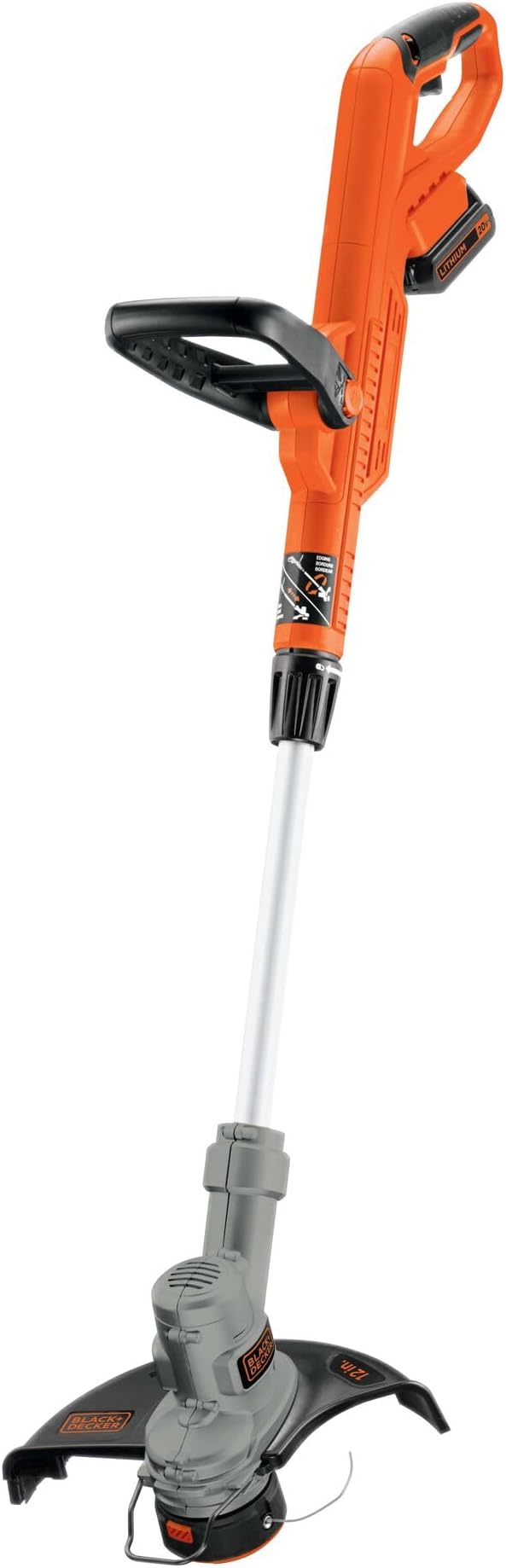
14″ Electric String Trimmer Cordless Battery Powered | Check Price |
 |
58cc 4-in-1 Gas String Trimmer | Check Price |
 |
SENIX Gas String Trimmer | Check Price |
1. Husqvarna 130L Gas String Trimmer
The Husqvarna 130L earns the top position by offering a balanced combination of reach, power, starting convenience, and everyday comfort. Its 28-cc gas engine reaches a maximum power speed of 8,000 rpm, while the 18-inch cutting width lets you cover a substantial strip of grass with each pass. That combination suits homeowners who need more capability than a light-duty trimmer but do not want a particularly oversized brush-clearing machine.
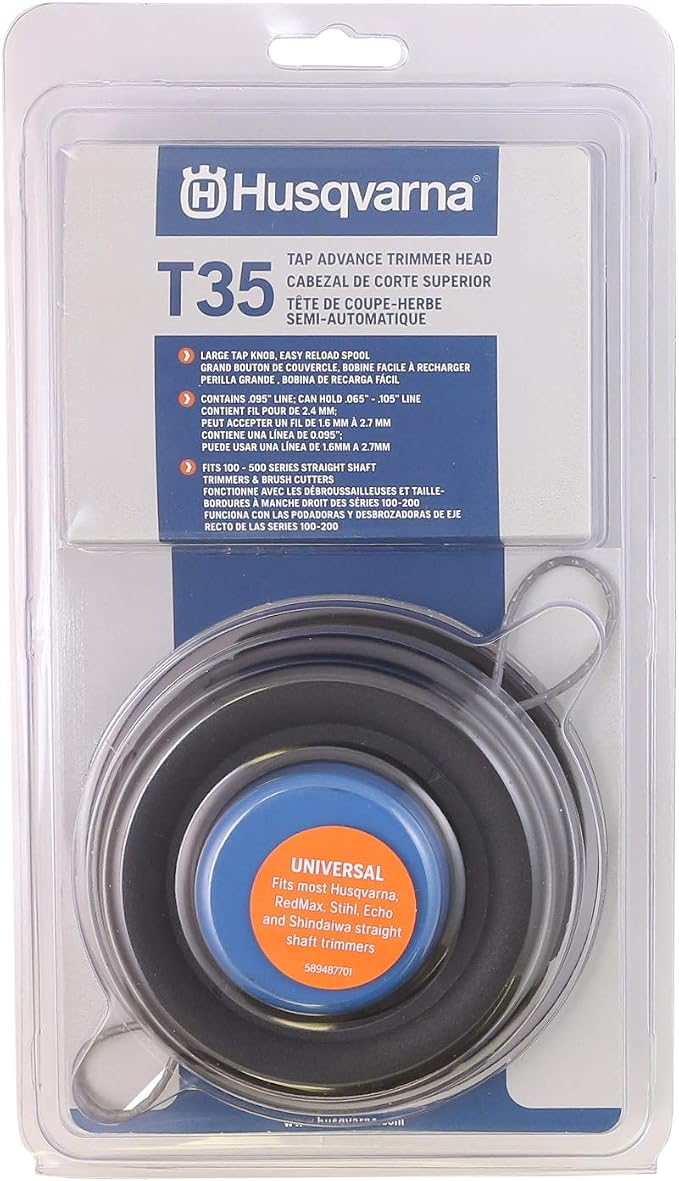
Its straight shaft is useful around fences, trees, edges, and other hard-to-reach areas. The Rapid Replace trimmer head is another practical advantage: align, load, and twist the line instead of spending excessive time disassembling the head during reloading. For routine maintenance, that simpler process can make a noticeable difference, especially when trimming a larger property.
Starting equipment is a major reason this model ranks above the other conventional trimmers here. Digital ignition, Smart Start, and an air-purge system are designed to reduce starting effort in different weather conditions. The automatic stop switch also resets to the on position, helping avoid a common frustration after shutting the engine down.
Handling is addressed with a comfortable handle design and Husqvarna’s LowVib technology, which is intended to lessen vibration and fatigue. That makes the 130L a particularly good fit for homeowners who trim for extended periods or who value controlled edging more than maximum brush-clearing force.
Before buying, remember that this is a string trimmer rather than a multi-attachment brush cutter. It is best suited to grass, lawn weeds, and routine property maintenance. Follow the fuel and line instructions supplied with the tool, and inspect the trimmer head and guard before each use. Choose another type if you regularly cut woody brush or small saplings.
2. PROYAMA 42.7cc 3 in 1 Gas Powered
The PROYAMA 42.7cc 3 in 1 Gas Powered takes second place because it is the most broadly equipped option for demanding vegetation. Its 42.7-cc, 2HP two-cycle engine is substantially oriented toward large yards, tall grass, thick weeds, and rough areas that can overwhelm a conventional line trimmer. It is the clear alternative to the Husqvarna for buyers who need more clearing strength and attachment flexibility.
Rather than limiting the machine to one trimmer head, PROYAMA supplies a trimmer head, a three-tooth blade, a 40-tooth blade, and a chain blade. The line head is appropriate for everyday lawn trimming, while the metal blades are intended for progressively heavier vegetation. This makes the tool useful for clearing neglected corners, field edges, dense weeds, and brush without purchasing separate power equipment for every task.
The straight-shaft configuration provides reach around sidewalks, fences, trees, and shrubs. It can also offer better control when the cutting attachment is positioned away from the user’s feet. That said, the larger engine and metal-blade capability bring more responsibility. Attachment changes must be completed correctly, and the operator needs to use the appropriate guard and protective equipment for the installed cutter.
This model is a strong match for property owners, gardeners, and landscapers who move between ordinary trimming and rough clearing. It ranks below the Husqvarna because its greater versatility may be unnecessary for a typical suburban lawn, and the supplied data does not highlight the same dedicated easy-start and low-vibration package.
Plan the setup before purchase. Confirm that the included attachments, guards, and fasteners are suitable for the work you intend to do, and use the correct two-cycle fuel mixture specified by the manufacturer. Keep the blades maintained and inspect them for damage. If your work is almost entirely edging and grass trimming, a lighter single-purpose model may be easier to manage.
3. 14″ Electric String Trimmer Cordless Battery Powered
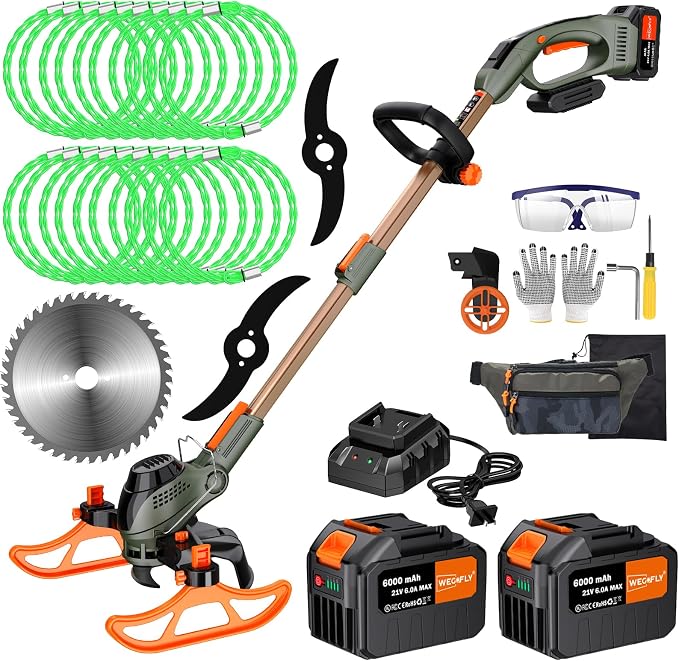
This cordless electric string trimmer ranks third because it is not gas powered, but it provides a useful alternative for buyers whose priorities favor convenience, lower routine maintenance, and easier handling. Its 800W brushless motor is listed at 20,000 rpm, and the 14-inch cutting width is suitable for maintaining lawn edges, garden borders, and ordinary weed growth around a home.
The package includes two 21V, 3000mAh batteries and eight replacement spools. The batteries can be used in rotation, with the product description claiming up to 100 minutes of total working time. Actual runtime will vary with vegetation, cutting technique, battery condition, and how continuously the tool is operated, but having a second battery reduces the need to stop immediately when one is depleted.
Its 3-in-1 design allows conversion between a cordless trimmer, an edger, and a wheeled string trimmer. The upgraded wheel can help guide the tool along a boundary, while the adjustable head angle and auxiliary handle support more controlled positioning. The lightweight design is also presented as easier for a broad range of users to handle than a gasoline machine.
The trade-off is capability. A 14-inch battery trimmer is generally a better fit for grass and light weeds than for prolonged clearing of thick brush, woody growth, or large unmanaged areas. Battery charging also becomes part of ownership, and the tool cannot deliver continuous operation unless a charged battery is available.
Consider this model when your property is modest, noise and exhaust are concerns, or you want a trimmer that starts with a switch rather than a recoil pull. Keep the included spools organized, charge both batteries before a large job, and use the wheel when edging consistency matters. For heavy vegetation or long stretches away from a charger, one of the gas models is a better fit.
4. 58cc 4-in-1 Gas String Trimmer
The 58cc 4-in-1 Gas String Trimmer is designed for the most aggressive clearing among the ranked options. Its 58cc two-stroke engine is listed at up to 9,300 rpm, giving it the stated torque for tall weeds, dense brush, overgrowth, and small saplings. It sits fourth not because it lacks power, but because that level of capability can be excessive for ordinary lawn trimming and the available review base is much smaller than for the leading choices.
Versatility is the central attraction. The package includes a dual-line trimmer head, a heavy-duty three-tooth blade, and a 40-tooth circular blade, along with the equipment needed to use the four attachment functions. The line head can handle lawn edging and grass, while the blades are intended for progressively tougher vegetation. This is appealing for acreage owners who want one machine for several property-maintenance tasks.
The bike-style handles provide a broader grip position, and the adjustable shoulder strap is intended to distribute weight during longer jobs. A straight shaft adds reach under shrubs and along fences. An anti-vibration system is also included to reduce fatigue. Starting and monitoring details are helpful: the recoil starter is designed for quick starting, the transparent fuel window makes the fuel level visible, and an instant-stop switch allows a rapid pause.
Included extras add ownership value. The box contains a safety guard, shoulder strap, tool kit, fuel mixing bottle, spare spark plug, and starter rope. Those items can reduce the need to source basic setup and maintenance supplies immediately.
This is best reserved for users comfortable with attachment changes, two-stroke fuel preparation, and more forceful cutting equipment. Confirm the correct fuel-and-oil ratio in the instructions, install the proper guard for each attachment, and wear eye, hearing, hand, leg, and foot protection. For small lawns, its size and power may make a simpler trimmer more practical.
5. SENIX Gas String Trimmer
The SENIX Gas String Trimmer rounds out the list with a homeowner-friendly 4-cycle design and a wide 17-inch cutting swath. Its 26.5cc engine uses regular gasoline without the gas-and-oil mixing required by a conventional two-cycle trimmer. That simpler refueling routine is its defining advantage and may appeal to users who want gas-powered operating time without preparing a fuel mixture.
The dual-line bump-feed head uses 0.098-inch line and allows the operator to advance line while working. A 17-inch width is useful for covering larger lawn areas efficiently, while the straight shaft and pro-style D-handle help with reach and control around fences, trees, flower beds, and other obstacles.
SENIX also emphasizes a compact engine that is 20 percent lighter than traditional models and includes vibration control to help reduce fatigue. Those details make the trimmer relevant for extended residential jobs, particularly when the operator prefers the feel and continuous availability of a gasoline tool but does not want a particularly bulky machine.
A three-year limited warranty is a meaningful ownership consideration, although buyers should review the warranty terms and any registration requirements. Replacement-line planning is straightforward because the trimmer is compatible with SENIX AGT001 and AGT005 accessories using 0.095-inch line. The supplied description lists a 0.098-inch dual-line setup, so check the manual and head requirements before substituting line sizes.
The main limitation is that this is a line trimmer rather than a blade-equipped brush cutter. It should be considered for grass and weeds, not small saplings or dense woody clearing. Its rating here also reflects the available product information and limited review volume rather than a broad long-term ownership record. Use fresh regular gasoline as directed, keep the air and cutting head clean, and consider this model when no-mix fueling is more important than multi-tool versatility.
How to Choose the Best Gas Powered String Trimmer
Start with the vegetation, not the engine number
Engine displacement is an easy specification to compare, but it is not the only measure of suitability. The right trimmer depends first on what you are cutting. A maintained suburban lawn with occasional weeds has very different requirements from a rural lot containing tall grass, vines, brush, and young woody growth.
For grass around sidewalks, fences, trees, and flower beds, a conventional line head is usually the appropriate tool. The Husqvarna 130L and SENIX models are shaped around that kind of work, with wide cutting swaths and straight shafts for reach. A line head is also the better choice when you want to reduce the risk of damaging landscape edging, tree bark, or decorative surfaces.
For neglected areas, thick weeds, or brush, additional engine capacity and a blade attachment can matter. The PROYAMA and 58cc models are designed for this broader role. However, more power does not automatically mean a better experience. A larger machine can be heavier, louder, more demanding to control, and less pleasant for a short weekly trimming session.
Think about the worst regular job you expect to perform, not the rarest possible task. If brush clearing happens once every few years, renting or borrowing a dedicated brush cutter may be more sensible than carrying a heavy multi-attachment trimmer all season.
Understand two-cycle and four-cycle fueling
Most gas trimmers use either a two-cycle or four-cycle engine. The distinction affects fueling, maintenance, sound, weight, and how you plan each work session.
A two-cycle engine requires gasoline mixed with the specified amount of two-cycle oil. The PROYAMA and 58cc models use this general engine format. The mixture must be accurate: too little oil can damage the engine, while an incorrect mixture can cause poor running, excess smoke, or starting problems. Use the manufacturer’s stated ratio and a clean, clearly labeled fuel container.
A four-cycle engine uses straight regular gasoline in the fuel tank, which is the key convenience advantage of the SENIX. It avoids mixing fuel before every fill-up, but four-cycle equipment still requires the correct engine-oil maintenance described in its manual. Do not assume that “no mixing” means no oil checks or oil changes.
Fuel age matters for both styles. Gasoline left sitting for long periods can contribute to starting and running problems. Follow the storage instructions, use only approved fuel containers, and do not keep a fuel mixture longer than the manufacturer recommends. At the end of a season, prepare the machine for storage instead of leaving old fuel in it indefinitely.
Choose a cutting width for your property
Cutting width indicates how much ground the head covers in one pass. Wider heads can reduce the number of passes across an open lawn, which is why 17- and 18-inch models can be attractive for larger yards and fields. The Husqvarna 130L has an 18-inch width, while the SENIX uses a 17-inch swath.
A narrower cutting width can be easier to control in confined spaces. It may help when working between closely spaced plants, around delicate landscaping, or along narrow paths. The 14-inch cordless model demonstrates that a smaller width can still be practical for routine residential maintenance.
Width should also match engine and line capability. Do not install a head or line arrangement that exceeds the manufacturer’s specifications simply to increase the cutting area. Excessive line length or an incompatible head can place additional load on the engine and may affect balance, safety, or performance.
Compare line-feed systems and line size
Line-feed design determines how quickly you can resume work after the line wears down. A bump-feed head advances line when the head is tapped against the ground, while other systems require manual loading or a different release method. The SENIX uses a dual-line bump-feed head, which can be convenient during continuous trimming.
The Husqvarna uses a Rapid Replace head built around aligning, loading, and twisting the line. That design may be especially appealing to owners who dislike complicated reloading procedures. The cordless model includes eight replacement spools, which reduces immediate supply shopping but ties the owner to the compatible spool format.
Line thickness is not interchangeable by assumption. Thicker line can be useful for tougher weeds, but the head, engine, and guard must be designed for it. The SENIX description references both 0.098-inch operating line and compatibility with AGT001 and AGT005 accessories using 0.095-inch line. That is precisely the kind of detail to verify in the owner’s manual before purchasing replacements.
Keep spare line or spools stored in a dry, accessible place. Line can become brittle with age, heat, or poor storage. If the trimmer repeatedly breaks line, check whether you are striking concrete, metal, or sharp edging, and confirm that the line is installed and sized correctly.
Decide whether you need blade attachments
Line trimmers are intended primarily for grass and weeds. A blade-equipped brush cutter is a different category of equipment, even when the two functions share one powerhead. Blade attachments can cut vegetation that would quickly consume line, including heavy weeds, thick grass, and some brush.
The PROYAMA includes a three-tooth blade, a 40-tooth blade, and a chain blade in addition to its trimmer head. The 58cc model includes a three-tooth blade and a 40-tooth circular blade among its four attachment functions. These options provide flexibility, but they also increase setup demands.
Use only attachments approved for the specific machine. The guard, retaining hardware, handle position, and harness arrangement may differ depending on the attachment. Inspect blades before use and remove damaged, bent, cracked, or excessively worn components. Never improvise a blade installation or operate without the required guard.
Blade work also calls for a clear work area. Remove people, pets, stones, wire, and other loose objects from the cutting zone. Be especially cautious near fences, buildings, vehicles, and trees. If you primarily maintain a lawn, the added blade hardware may offer little practical benefit.
Pay attention to shaft and handle design
A straight shaft is common on full-size gas trimmers because it provides reach beneath shrubs and along fences. It can also make the cutting head easier to position for edging. Both the Husqvarna and the SENIX use straight-shaft designs, and the PROYAMA and 58cc models emphasize the same reach advantage.
Handle style influences posture and control. A D-handle is common on general lawn trimmers and allows the user to guide the head around landscape features. Bike-style handles, used by the 58cc model, spread the hands farther apart and can improve control during heavier clearing. They also pair naturally with a shoulder strap or harness.
A harness is more than an accessory when operating a large machine for a long period. Adjust it so the tool hangs in a balanced position and the cutting head remains at a controllable height. Never rely on the strap to replace proper hand control. Stop if you feel numbness, pain, or unusual fatigue.
Evaluate starting and stopping convenience
Gas trimmers require a starting routine that may include priming, engaging a choke, setting a stop switch, and pulling a recoil starter. Starting aids can reduce frustration, especially after storage or in cool conditions. The Husqvarna combines digital ignition, Smart Start, and air purge, while the 58cc model lists a recoil starter designed for quick starting.
Starting behavior still depends on fresh fuel, a clean air filter, a healthy spark plug, and correct operating steps. Even a model with starting assistance can be difficult to start if it has been stored with stale fuel or if the choke procedure is misunderstood. Read the starting sequence before the first job rather than learning it while standing in tall grass.
A reliable stop switch is equally important. Know where it is before starting and use it whenever you need to inspect the head, clear wrapped vegetation, change an attachment, or move across a hard surface. Never put hands near a moving head simply because the engine sounds as though it is slowing down.
Balance power against vibration and fatigue
Trimming is a repetitive task, and the physical design can matter as much as the engine. Vibration, machine weight, handle position, and harness adjustment all influence how long you can work comfortably. The Husqvarna includes LowVib technology, the 58cc model lists an anti-vibration system, and SENIX combines vibration control with an engine described as 20 percent lighter than traditional models.
These features do not eliminate fatigue. A large engine and blade attachment can still feel demanding, particularly when the cutting head catches dense vegetation. Keep both hands positioned as instructed, maintain a stable stance, and avoid reaching so far that the tool becomes difficult to control.
For older users or anyone with limited upper-body strength, a cordless tool may be easier to start and carry. The battery model includes an auxiliary handle and wheel, which can help with balance and edging. Its lower cutting capacity should still be considered before choosing it for a large or overgrown property.
Check what comes in the package
Included equipment can affect how quickly a trimmer becomes useful. The 58cc model supplies multiple attachments, a safety guard, shoulder strap, tool kit, fuel mixing bottle, spare spark plug, and starter rope. That is a more complete clearing package than a basic line trimmer, though it also creates more parts to store and maintain.
The cordless model includes two batteries, a charger, and eight replacement spools. This is convenient for buyers who do not already own compatible batteries or a spool supply. Check charging time, storage conditions, and battery warranty information before relying on it for a large job.
For single-purpose gas trimmers, inspect the package for the correct guard, line head, handle hardware, and any required tools. Product listings can summarize contents, but the included manual is the final reference for assembly and operation. If an important part is missing, do not operate the machine until it has been replaced.
Use compatibility information to plan ownership
Replacement parts are easy to overlook when comparing new equipment. A trimmer is only convenient if you can obtain the correct line, spools, spark plugs, filters, and other wear items. The SENIX specifically identifies AGT001 and AGT005 compatibility, while the Husqvarna’s Rapid Replace head uses its own loading approach. The cordless model’s included spools are useful, but future purchases should match the spool and head design.
Multi-attachment machines require additional storage and maintenance. Blades should be protected from moisture and handled carefully. Retaining hardware should be kept together with the correct attachment, and the tool kit should remain available for tightening and adjustments. Labeling parts can save time if the machine is used seasonally.
Warranty coverage is another ownership factor. The SENIX lists a three-year limited warranty, but limitations, exclusions, proof-of-purchase rules, and registration requirements can apply. Save the receipt and manual, and document the model and serial information. For every trimmer, use manufacturer-approved replacement parts when possible rather than assuming universal fit.
Prepare the yard and operate safely
Walk the area before trimming. Pick up stones, sticks, wire, toys, and other debris that could become projectiles. Mark sprinkler heads and hidden edging. Keep children and pets away from the work zone, and avoid trimming when bystanders can enter the path unexpectedly.
Wear eye protection at minimum, along with sturdy footwear, long pants, gloves, and hearing protection for gas-powered equipment. Blade attachments may require additional protective equipment and a harness. Avoid loose clothing that could contact the rotating head.
Keep the cutting head below waist level and maintain a stable stance. Do not use a blade near hard surfaces unless the attachment and operating instructions specifically allow it. Stop the engine before adjusting line, removing wrapped vegetation, changing attachments, or inspecting a suspected problem. For cordless equipment, remove the battery before servicing the cutting head.
Maintain the trimmer between jobs
Basic maintenance begins with cleaning. Remove grass and debris from the head, guard, shaft, and cooling areas after each use. A clogged cooling path can contribute to overheating, while buildup around the head can affect balance and line release.
Gas models also need periodic inspection of the air filter, spark plug, fuel system, fasteners, and cutting head. Follow the service intervals in the manual. Replace worn line and damaged guards promptly. On a four-cycle model, check and change engine oil as directed; on a two-cycle model, pay close attention to fuel-mixture instructions instead.
Before storing a gas trimmer, prepare the fuel system according to the manufacturer’s guidance. Store it upright in a dry, ventilated location away from ignition sources. Keep blades covered and batteries removed from cordless equipment when recommended. Do not leave fuel or rechargeable batteries in extreme temperatures.
Troubleshoot the most common problems
If a gas trimmer will not start, confirm the stop switch position, fuel level, fuel freshness, primer or air-purge procedure, choke setting, and spark-plug condition. Flooding can occur when the starting sequence is repeated incorrectly, so follow the manual instead of continuing to pull the starter.
If the engine starts but loses power, inspect the air filter, fuel supply, line length, and cutting head. Excessively long line or vegetation wrapped around the head can place an avoidable load on the engine. With a blade-equipped model, stop completely before clearing any obstruction.
If the head vibrates unusually, stop using the trimmer and inspect the line, spool, blade, retaining hardware, and head for damage or uneven wear. Do not continue operating a machine that has a cracked guard, bent blade, loose attachment, or damaged shaft.
For a cordless model, verify that the battery is fully seated and charged, the charger is connected correctly, and the head is free of wrapped grass. Keep spare batteries out of direct heat and use only the specified charger. A gradual reduction in runtime may indicate normal battery aging or a need to clean the cutting system.
Best Gas Powered String Trimmer FAQ
What engine size is enough for a gas string trimmer?
For routine residential grass and weed trimming, an engine in the mid-20cc range can be sufficient when paired with an appropriate line head. Larger engines become more useful for wide properties, tall grass, dense weeds, and brush. The 28-cc Husqvarna represents a balanced general-purpose size, while the 42.7-cc and 58cc options are better suited to heavier clearing and blade attachments.
Is a straight-shaft gas trimmer better?
A straight shaft is often preferable for reach under shrubs, along fences, and around trees. It can also suit edging and larger properties. It is not automatically better for every user, because shaft length and overall balance can affect comfort. Choose based on the areas you need to reach and whether the handle and harness let you control the machine comfortably.
Are four-cycle gas trimmers easier to own?
They can be easier to refuel because they use regular gasoline rather than a gasoline-and-oil mixture. They still require engine-oil checks and scheduled maintenance. Two-cycle trimmers may offer a simpler engine layout or a lighter design, but their fuel must be mixed at the correct ratio. Neither engine type eliminates the need for fresh fuel, cleaning, and proper storage.
What line thickness should a gas string trimmer use?
Use the line diameter specified for the trimmer head and engine. Thicker line may withstand tougher weeds, but it can overload an incompatible head or reduce operating efficiency. Always verify the manual before changing sizes. Also check whether the tool uses loose line, a Rapid Replace system, or preloaded spools, since replacement formats are not universally interchangeable.
When should I choose a brush-cutter attachment?
Use a brush-cutter attachment only when the machine is designed and approved for it and the vegetation exceeds what a line head can reasonably handle. Three-tooth and multi-tooth blades can be useful for tall weeds, heavy grass, and some brush. They require more careful setup, protective equipment, clearance, and control than ordinary lawn trimming. For occasional heavy work, a dedicated brush cutter may be more appropriate.
Why does my gas trimmer keep stopping in thick grass?
Possible causes include excessive line length, a clogged air filter, stale or incorrectly mixed fuel, a dirty spark plug, vegetation wrapped around the head, or cutting too aggressively. Stop the machine before inspecting it. Clear the head, verify the fuel procedure, and check routine maintenance items. If the problem continues, use the manufacturer’s troubleshooting instructions or seek qualified service.
How should a gas string trimmer be stored?
Clean the head and guard, inspect the line or blade, and prepare the fuel system according to the manual. Store the trimmer in a dry, ventilated area away from flames and heat. Protect blades and keep tools and attachment hardware together. Seasonal storage instructions vary, so follow the specific guidance for the engine rather than assuming every gas trimmer should be handled identically.
Conclusion: Which Gas String Trimmer Is the Best Pick?
The Husqvarna 130L Gas String Trimmer is the best overall choice here for dependable residential trimming, useful reach, an 18-inch cutting width, and starting and vibration-control features that support regular ownership. Choose the PROYAMA 42.7cc 3 in 1 Gas Powered instead when brush clearing and multiple cutting attachments are central to your work. For lighter-duty users who prefer no gasoline, the cordless model offers a practical alternative, while the 58cc and SENIX machines fill more specialized power and fueling preferences.

I’m Maya L. Greenwood, a lifelong plant lover who believes anyone can grow something beautiful with the right guidance. After years of testing soil mixes, pruning methods, irrigation tricks, and pest-safe solutions, I started EasyGardenTips.com to turn hard-won lessons into step-by-step advice. From seed starting and container gardens to composting and seasonal checklists, my goal is to make gardening simple, sustainable, and fun.