Lawn Aerator Alternatives: Simple Ways to Improve Your Yard
Figuring out the best lawn aerator alternatives can feel tricky, especially if you’re new to lawn care. There are many options, and it’s easy to get confused! Don’t worry, though; it’s simpler than you might think. This guide is made for everyone, offering easy-to-follow steps to help your lawn thrive. We’ll explore various methods to help your grass grow greener and healthier, so let’s get started!
Reasons to Consider Lawn Aerator Alternatives
Sometimes, getting a traditional lawn aerator isn’t the best option. Maybe you have a small yard, or the cost is a problem. Perhaps you’re looking for something that is easier to use. Whatever the case, exploring lawn aerator alternatives offers a practical way to boost your lawn’s health. It opens the door to different tools and techniques that may suit your needs better, helping to save time, money, and effort. We will examine various options, covering both hand tools and machines, so you can pick what fits your lawn and your budget. This approach makes lawn care accessible to everyone.
The Problem with Compacted Soil
Compacted soil is like a hard shell around your grass roots. When soil gets compacted, it means the tiny spaces between the soil particles get squeezed, making it tough for air, water, and nutrients to reach the roots. This can happen from foot traffic, heavy objects sitting on the grass, or the natural settling of soil over time. Think of it like this: if you cover your mouth and nose, it’s hard to breathe. Similarly, compacted soil chokes the roots, preventing them from growing strong and healthy. This issue leads to a weaker lawn that’s more vulnerable to diseases and pests, leaving it looking thin and lifeless.
- Restricted Airflow: Compacted soil drastically cuts off the supply of air to the roots.Roots need oxygen to breathe, and without it, they can’t effectively absorb water and nutrients. This results in stunted root growth and a weaker lawn. It’s like trying to run underwater; you can’t go very far.
- Poor Water Absorption: Water struggles to penetrate compacted soil.Instead of soaking into the soil, water runs off, leading to dry spots and wasted water. The grass doesn’t receive the hydration it needs to flourish. Imagine trying to pour water onto a brick; it just sits on top.
- Nutrient Deficiency: Compacted soil hinders nutrient uptake.Fertilizers and soil amendments can’t easily reach the roots when the soil is tightly packed. The grass is starved of the essential elements needed for robust growth and color. It’s similar to not eating enough healthy foods; your body lacks energy and strength.
- Increased Weed Growth: Compacted soil provides a great environment for weeds.Weeds often thrive in compacted soil because they can tolerate the harsh conditions better than grass. They can easily outcompete your lawn for resources. This means more work and treatments for you. Think of weeds as the bullies of the playground, taking over space and resources.
Identifying Compaction in Your Lawn
Recognizing compaction is the first step in addressing the issue. There are some key signs to look for that indicate your lawn could benefit from a little help. Testing the soil yourself can be done by simply pushing a screwdriver into your lawn. If it goes in easily, great! If it’s hard to push, you probably have compacted soil. Checking for standing water after rain is another method. If water pools on the surface instead of soaking in within a few hours, compaction might be present. Walking across the lawn and noticing how your footprints linger is a visual clue. If the grass stays flattened, this suggests that the soil is not resilient.
- Water Pooling: Does water sit on the surface after rain?If the water takes a long time to drain, it’s a sign that the soil is not allowing water to pass through. Water may sit there for a few hours, or even days.
- Footprints Lingering: Do your footprints stay visible after walking?If the grass doesn’t bounce back up quickly, it’s a sign that the soil is dense and not elastic. This happens because the soil particles are too close together to allow the blades of grass to spring back up.
- Difficult Digging: Is it hard to push a shovel or garden fork into the ground?If you have to apply a lot of force to get a shovel or garden fork into the soil, it’s a clear indication that the soil is compacted. This is especially true if the tools bounce off the ground or you feel strong resistance when trying to penetrate.
- Thin, Weak Grass: Is your grass thinning out and struggling to thrive?Compacted soil chokes the roots, making it hard for grass to get the resources it needs. As a result, the grass will appear thin and weak, and it may start to die off, creating bare spots in your lawn.
Effective Lawn Aerator Alternatives
There are many other choices that can help you deal with compacted soil. These alternatives offer different benefits, ranging from ease of use to effectiveness for specific lawn problems. They can be more affordable and easier to apply than standard aeration. Whether you’re looking for a simple solution for a small yard or a more involved approach for a larger area, the following choices provide great flexibility in lawn care. The right choice depends on your lawn’s condition, the size of your yard, and your personal preferences.
Using a Garden Fork for Manual Aeration
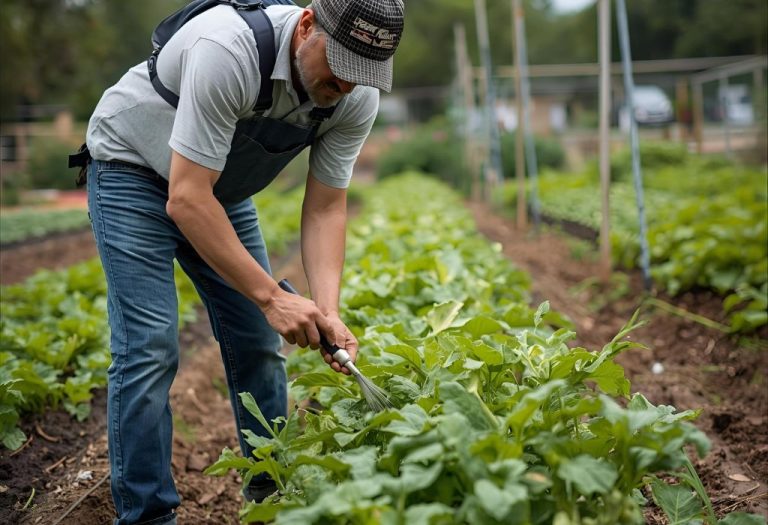
A garden fork is one of the simplest and most accessible lawn aerator alternatives. It’s a great choice for smaller lawns or for addressing compacted areas in larger yards. The process involves pushing the fork tines deep into the soil and then gently wiggling the fork back and forth to create small holes. This manual approach provides immediate relief to compacted areas by allowing air, water, and nutrients to penetrate the soil. This is not the fastest method for aerating a large area, but it’s effective for spot treatments or maintaining smaller yards. The best part? It doesn’t require any special equipment or learning.
- Easy to Use: Just push the fork into the ground and wiggle.There is no complicated machinery involved, making it simple for anyone to use. The process is very straightforward: you place the fork on the ground, step on it to push the tines into the soil, and then gently wiggle the fork back and forth. This simple motion creates holes in the compacted soil, which helps loosen the ground. You can go as deep as the tines allow. Ensure you are lifting and wiggling the fork in the correct positions.
- Cost-Effective: Garden forks are relatively inexpensive.Compared to renting or buying specialized aerators, a garden fork is an economical choice. The initial investment is minimal, and the tool is durable and long-lasting, providing great value for its use. Also, there are no ongoing costs.
- Targeted Aeration: Focuses on the most compacted areas.You can identify problem spots and apply your effort where it is most needed. This targeted approach is very efficient, allowing you to focus on the areas that need the most attention. You are not wasting time on areas that may be doing just fine.
- Good for Small Spaces: Great for aerating small lawns.A garden fork is easy to maneuver in tight spaces, around flowerbeds, and other obstacles. This flexibility makes it ideal for lawns where larger machines might be impractical. This makes it perfect for aerating smaller gardens or yards that are tricky to access.
Using Core Aeration Shoes
Aeration shoes, sometimes known as aeration sandals or lawn aeration boots, are another alternative. They have spikes attached to the soles. As you walk across your lawn, the spikes penetrate the soil, creating small holes. Aeration shoes are designed to loosen up the soil and improve air and water flow to the roots. Although they can be useful for light aeration and ongoing maintenance, they might not be as effective for heavily compacted soil or large areas. The process is easy, and using the shoes is a gentle way to improve your lawn’s health over time. Wearing these shoes is a great option for people who enjoy doing yard work while also staying active.
- Easy Application: Aeration is achieved with every step.You simply strap the shoes to your feet and walk across your lawn. The spikes on the soles pierce the soil, creating tiny holes. It’s a very straightforward process that doesn’t require any special skills or training.
- Light Aeration: Suitable for mild soil compaction.The spikes provide small aeration, which helps with light compaction and promotes air and water flow. The process is great for regular maintenance.
- Good Exercise: Combines lawn care with physical activity.Using aeration shoes gives you exercise as you work on your lawn, making lawn care a way to get your steps in. You can also listen to music or podcasts while you work.
- Limited Effectiveness: May not be sufficient for severely compacted soil.Aeration shoes don’t penetrate the soil deeply, so they may not be enough to resolve severe compaction issues. They are better suited for regular maintenance and lightly compacted soils. For heavily compacted areas, other methods might be needed.
Liquid Aeration: A Modern Approach
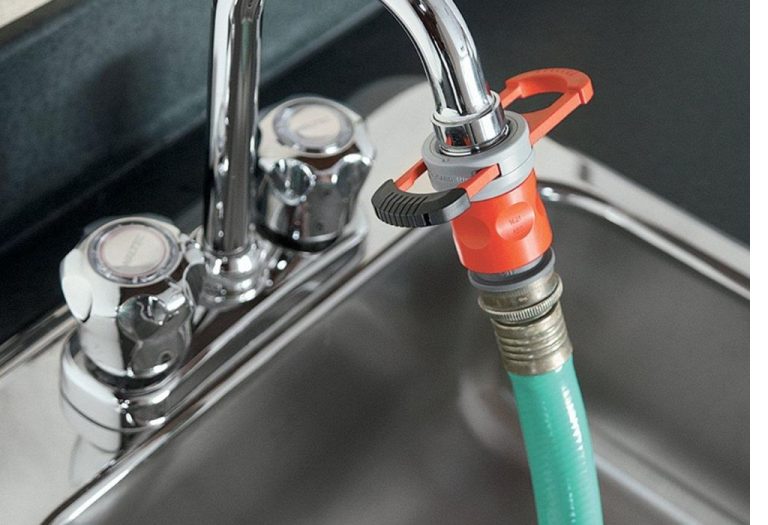
Liquid aeration products provide another alternative. These products use special chemicals to break up compacted soil. The idea behind these is to help the soil by promoting better air circulation and enhancing water penetration. It’s like giving your soil a deep treatment. The products work by releasing organic compounds or surfactants that work their way down into the soil. These compounds help loosen up tightly packed soil particles, allowing air and water to reach the roots of the grass more efficiently. Liquid aeration products are a good choice because they are easy to apply and can be used on all grass types. The chemicals usually come in a spray bottle that can be attached to a garden hose.
- Ease of Application: Can be applied easily with a sprayer.Liquid aerators are often applied through a garden hose sprayer. You just attach the product to your hose and spray the lawn, which is very simple. No special equipment is required, and there’s no physical exertion needed.
- Quick Results: Shows results faster than other methods.Many users report seeing improvements in a matter of weeks, as the liquid starts to break down the compacted soil quickly. It is often faster than core aeration or other methods. If you’re looking for a relatively fast improvement in your lawn’s health, liquid aeration might be a good choice.
- Versatility: Effective on a wide range of lawn types.Liquid aerators can be used on most grass types, including cool-season and warm-season grasses. Whether you have a lawn that is fescue, Kentucky bluegrass, or Bermuda grass, liquid aeration is a flexible choice that can work for you.
- Cost Considerations: Can be more expensive over time.Though the initial cost might be reasonable, the need for regular treatments can add up. Repeated applications are needed to maintain soil health. Liquid aeration may not be the cheapest option in the long term, particularly if you have a large lawn.
Choosing the Right Lawn Aerator Alternative for Your Needs
Selecting the right lawn aerator alternative depends on your specific lawn needs and preferences. Start by assessing your lawn’s condition. Examine the level of compaction, soil type, and the size of your yard. Consider your budget, the amount of time you want to invest in lawn care, and how often you’re willing to do the work. Remember, there’s no single “best” option. The right choice is the one that best suits your particular situation. Take all these factors into account to find a solution that helps keep your lawn healthy and thriving. By considering these details, you can make a choice that will deliver the best results for your lawn.
Assessing Your Lawn’s Condition
Evaluating your lawn is the first and most important step to determine the best approach. The assessment process should start with a visual examination. Look for areas of standing water after rain, any signs of thinning grass, and any areas where the grass appears stressed or yellow. Next, conduct a soil test to understand the level of compaction and the soil type. Use a screwdriver, shovel, or garden fork to check how easily you can penetrate the soil. This will give you a good idea of the level of compaction. Additionally, check the amount of foot traffic your lawn receives, because lawns that get a lot of use are more likely to become compacted.
- Visual Inspection: Check for visible signs of compaction.Look for standing water, yellowing grass, and bare patches. These are all signs that your lawn might be suffering from poor soil aeration. These things often indicate issues with your soil.
- Soil Test: Determine the soil type and compaction level.Use a screwdriver or garden fork to test the soil’s density. This test will help you figure out how easily air, water, and nutrients are reaching your grass roots. This is critical for choosing the right aeration method.
- Traffic Assessment: Evaluate the amount of foot traffic.Lawns that get a lot of traffic are more likely to get compacted, so keep this in mind when picking an aeration method. Areas with more foot traffic may need more frequent aeration.
- Soil Type: Consider the type of soil in your yard.Clay soils tend to compact more easily than sandy soils. Knowing your soil type will help you decide which lawn aerator alternatives will work best for you. Some alternatives may be more suitable for certain types of soil. For example, clay soils can benefit from more frequent aeration compared to sandy soils.
Comparing the Alternatives
A quick comparison of the different options can help you decide which alternative is best for you. Garden forks are inexpensive and great for small lawns or for dealing with particular problem spots. They are easy to use, but they can be time-consuming for large yards. Aeration shoes offer a convenient, low-effort approach, but they may not be as effective for highly compacted soils. Liquid aerators are easy to apply and work quickly, but they require regular applications and can be more costly. Thinking about these factors can help you make a choice that works best for your situation. Here’s a quick overview to help you decide.
| Lawn Aerator Alternative | Pros | Cons | Best For |
|---|---|---|---|
| Garden Fork | Low cost, precise targeting, simple to use | Labor-intensive, time-consuming for large areas | Small lawns, spot treatments, areas with high foot traffic |
| Aeration Shoes | Easy to apply, good for light aeration, simple | Less effective for severe compaction, not very deep | Maintenance aeration, areas with minimal foot traffic |
| Liquid Aeration | Easy application, fast results, good for all grass types | Requires repeated treatments, cost can add up, some environmental concerns | General lawn health, fast results, all grass types |
Considering Your Budget and Time
Lawn care involves both money and time, and it’s essential to strike a balance that fits your lifestyle and financial situation. Garden forks are a great choice for those on a tight budget, as they have low upfront costs. While liquid aerators may seem cheap initially, repeated treatments could create more expense in the long term. If you value your time and have a larger budget, hiring a professional might be an efficient choice. Ultimately, the best strategy is the one that aligns with your available resources.
- Cost Analysis: Compare the upfront and long-term costs.Figure out not only the initial expenses, but also the costs over time. Liquid aerators may have repeated costs because they often require regular applications.
- Time Commitment: Factor in the time needed for each method.Think about how much time you are willing to spend. Some methods, like using a garden fork, demand more time and effort than other methods. Aeration shoes are less demanding than using a garden fork.
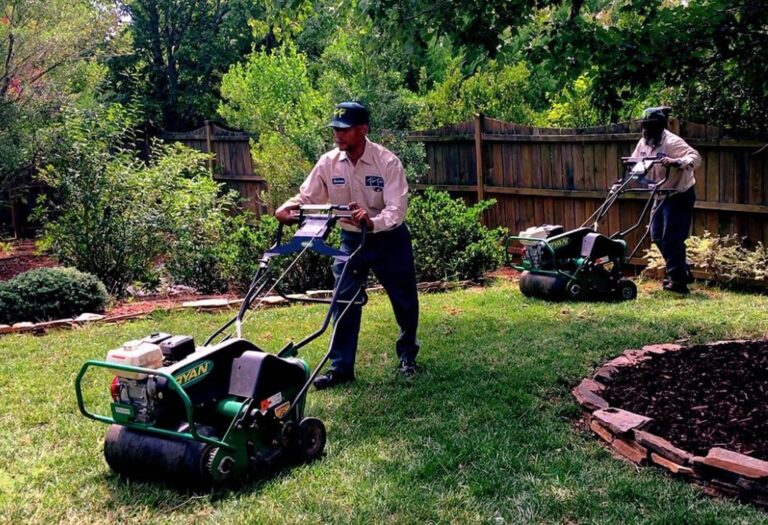
- Professional Help: Consider hiring a professional.If you have a large lawn or are short on time, a professional might be a better choice. They can do the job fast and effectively.
- Maintenance Schedule: Plan for ongoing lawn care.Choose a method that you can commit to over time. Regular aeration helps keep your lawn healthy. Keep in mind that a long-term strategy gives the best results.
Frequently Asked Questions
Question: How often should I aerate my lawn?
Answer: It depends on your soil and how much your lawn is used. In general, aerate your lawn once a year. If your lawn gets a lot of use or has heavy clay soil, you might need to aerate it twice a year, in the spring and fall.
Question: Can I aerate my lawn myself?
Answer: Yes, you can. Many lawn aerator alternatives, such as garden forks and liquid aerators, are designed for home use and are easy to apply. You can also use aeration shoes. However, if you have a large lawn or prefer not to do it yourself, you can hire a professional.
Question: What’s the best time of year to aerate?
Answer: The best time to aerate is during the growing season, which is usually spring or fall. Aerating during these times allows your grass to recover quickly and take advantage of increased air, water, and nutrients in the soil.
Question: Are there any downsides to liquid aerators?
Answer: While liquid aerators are easy to use, they may require repeat applications throughout the growing season. Also, always follow the manufacturer’s directions, and keep in mind that they may be more costly long-term than some other methods.
Question: Which lawn aerator alternative is the easiest to use?
Answer: Liquid aerators and aeration shoes are very easy to use. Liquid aerators are applied with a hose sprayer, and aeration shoes are simply worn while you walk across the lawn. Both require very little effort.
Final Thoughts
Choosing the right lawn aerator alternatives can greatly improve your lawn’s health. You’ve explored various methods, from manual tools like garden forks to newer options such as liquid aeration. Remember, the best approach depends on your lawn’s specific needs, your time, and your budget. By evaluating your lawn’s condition, comparing the pros and cons of each alternative, and thinking about your personal preferences, you can make the best choice. With these tools and techniques, you can ensure a lush, green, and healthy lawn. Don’t be afraid to try different strategies until you find what works best. Happy lawn care!