Will Aeration Spread Weeds? A Lawn Care Guide
If you’re wondering if will aeration spread weeds, you’re not alone! It’s a common question, especially for those just getting started with lawn care. Aeration, which involves creating holes in your lawn, seems like it could either help or hurt your weed situation. Don’t worry, it’s not as tricky as it sounds. We’ll explore the topic and provide a clear, step-by-step approach to keep your lawn healthy and weed-free. Let’s find out how to tackle this!
What Is Lawn Aeration?
Lawn aeration is a process where small holes are created in your lawn. Think of it like giving your lawn some breathing room! This is usually done with a machine called an aerator. There are different types of aerators, but the main goal is to improve the health of your soil. Compaction in the soil can be a real issue. It happens when the soil gets packed down, making it hard for water, air, and nutrients to reach the roots of your grass. Aeration helps break up this compaction, allowing these vital elements to get where they need to go.
Essentially, aeration improves the soil structure. It creates pathways for roots to grow deeper, making your grass healthier and more resilient. A healthy lawn is better equipped to fight off problems like weeds and diseases. The type of aeration, such as core aeration or spike aeration, affects the results. Knowing what aeration is about is the first step in deciding if it makes sense for your lawn, especially when considering whether will aeration spread weeds.
Types of Aeration
There are two main types of aeration used in lawn care: core aeration and spike aeration. Both are aimed at reducing soil compaction, but they go about it in different ways. Understanding the differences is important because they have slightly different effects on your lawn, especially when considering how they might impact weed growth. The best choice depends on the specific needs of your lawn and the severity of compaction.
-
- Core Aeration: This is considered the more effective method. Core aerators use hollow tines to remove small plugs of soil and thatch from your lawn. These plugs are usually about 0.5 to 0.75 inches in diameter and several inches long. The removal of these cores creates channels for air, water, and nutrients to reach the roots of the grass more easily. This helps to loosen the soil and reduce compaction effectively.
Core aeration also helps with thatch buildup. Thatch is a layer of dead organic matter that accumulates between the grass blades and the soil surface. Too much thatch can prevent water and nutrients from reaching the roots. By removing the soil cores, core aeration also brings some thatch to the surface, where it can decompose. This method is usually done in the spring or fall when the grass is actively growing and can recover quickly.
-
- Spike Aeration: This involves using solid tines to poke holes in the ground. Spike aerators create channels for air and water to penetrate the soil but do not remove any soil plugs. While this method can help with aeration, it’s generally less effective than core aeration, particularly in heavily compacted soils. Spike aeration can be a good option for lawns with moderate compaction or for a quick, less intensive aeration.
One of the benefits of spike aeration is that it’s often easier and faster than core aeration. It’s often used for smaller lawns or as a maintenance activity. However, it can sometimes compact the soil around the holes, which can reduce its effectiveness over time. It is a useful option for improving air and water movement in the soil. Spike aeration is a lighter touch option compared to core aeration.
Does Aeration Actually Spread Weeds?
The question of will aeration spread weeds is something many homeowners think about before they consider aerating their lawns. The answer is a bit nuanced; aeration itself isn’t a direct weed spreader, but it can create conditions that might make weeds more noticeable or even help them. It all comes down to understanding the mechanics of aeration and the life cycle of weeds.
When you aerate your lawn, you are essentially creating small openings in the soil. These openings can provide a pathway for weed seeds to germinate if they are present on the surface. If you have a lawn with many weeds already, aerating might make those weeds more visible by disturbing the soil. This can bring weed seeds closer to the surface, and in turn, give them a good shot at sprouting. So, in a sense, aeration could indirectly help weeds by disturbing the soil. However, the benefits of aeration usually outweigh this potential issue.
How Weeds Grow in a Lawn
Weeds are tenacious plants, and they have various methods of spreading. Understanding these methods is key to managing them effectively, particularly in the context of lawn aeration. Weeds use a combination of seed dispersal, vegetative propagation, and adaptation to thrive in a range of conditions. From tiny seeds to root systems, they are equipped to colonize areas and outcompete desired grasses.
-
- Seed Dispersal: Many common lawn weeds reproduce through seeds. These seeds can be dispersed by wind, water, animals, or even human activities. Some weeds, like dandelions, have specialized structures (like parachutes) that allow their seeds to travel long distances on the wind. Other seeds may stick to animal fur or clothing, spreading them far and wide. Aeration, by disturbing the soil, can potentially bring these seeds closer to the surface, increasing the chance of germination.
Additionally, improper aeration can cause the spread of weed seeds. If the equipment is not thoroughly cleaned after aerating a lawn infested with weeds, the aeration equipment could spread weed seeds to a healthy lawn.
-
- Vegetative Propagation: Some weeds can spread through vegetative reproduction, meaning they can grow new plants from parts of the original plant, such as roots, stems, or rhizomes. This allows weeds to spread without needing to produce seeds. For example, some weeds have underground stems (rhizomes) that can send up new shoots, creating new plants. Other weeds can root from stem nodes, allowing them to spread quickly across the ground.
The most common weeds that spread through rhizomes include quackgrass, bentgrass, and bermudagrass. By spreading vegetatively, these weeds can grow and expand quickly. Aeration might affect this by potentially breaking up the rhizomes of some weeds, which, in some situations, could lead to new plants sprouting. Conversely, aerating may assist the spread of these rhizomes.
-
- Environmental Factors: Weeds often thrive in lawns that are already stressed or unhealthy. Poor soil conditions, inadequate watering, or improper mowing can weaken the desired grass and create opportunities for weeds to establish themselves. Weeds also benefit from disturbances like bare patches in the lawn. Aeration can help improve these conditions by reducing compaction, improving water infiltration, and promoting a healthier lawn, which can, in turn, help the grass outcompete weeds.
Ultimately, a lawn that is properly aerated and well-maintained is better equipped to handle weeds. These environmental factors show that aeration is more about improving the overall health of the lawn.
Preparing Your Lawn for Aeration
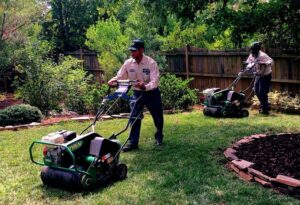
Preparing your lawn before aeration can significantly improve its effectiveness and minimize potential issues, such as weed spread. Proper preparation ensures that the aeration process goes smoothly and benefits the lawn’s health. It involves several key steps, including mowing, watering, and addressing any existing weed problems.
Effective planning includes timing the aeration with the season, ensuring the soil is moist before starting, and being ready to manage weeds that might emerge after the process. This planning will optimize the results, leading to a healthier and more beautiful lawn. It is a critical component of successful lawn care and a good response to the question of will aeration spread weeds. Proper preparation can mitigate some of the risks.
Mowing Before Aeration
Mowing your lawn before aeration is a crucial step in preparing the lawn. This process offers several advantages, including enhancing the aeration’s efficiency and improving its overall effectiveness. Mowing ensures that the aerator can reach the soil surface without obstructions and contributes to a tidier lawn, which makes it easier to work on. It prevents the aerator from getting bogged down in tall grass. Plus, a shorter grass height lets the soil cores come to the surface, which is a key part of the aeration process.
- Reduce Obstacles: Taller grass can hinder the aerator’s tines from penetrating the soil fully. Mowing removes the bulk of the grass blades, providing a clear path for the aerator to create those important holes. This leads to a more thorough aeration and better soil penetration.
- Improved Soil Contact: When the grass is shorter, the aerator has better contact with the soil. This ensures the tines can remove soil plugs efficiently, creating the desired channels for air, water, and nutrients. Close soil contact can also lessen damage to the grass.
- Easier Core Removal: Shorter grass helps the soil cores come to the surface more easily. These cores contain thatch and compacted soil, and their removal is a key part of the aeration process. The cores will break down and return nutrients to the soil.
- Neater Appearance: Mowing before aeration gives your lawn a neater appearance. This can make the entire aeration process look more professional and is a simple step that enhances the overall outcome.
Watering Before Aeration
Watering before aeration is crucial for the success of the aeration process. The soil condition plays a very important role in determining how well the aeration will work, and moisture is a major part of that. Aeration involves creating holes in the lawn, and having the soil at the right moisture level will greatly affect how easy it is to do. The goal is to make the process smoother, more effective, and gentler on your lawn.
- Optimal Soil Conditions: Moist soil is much easier for an aerator to penetrate compared to dry soil. Dry soil is very hard and can make it difficult for the aerator tines to create holes. Wet soil is also not ideal, as it can cause the aerator to get stuck or create a muddy mess. The ideal moisture level is when the soil is slightly damp, but not saturated.
- Enhanced Core Removal: When the soil is properly moistened, the aerator is able to pull the cores out more efficiently. In dry soil, the cores might break apart or remain stuck in the ground. Good moisture promotes the formation of clean, intact soil cores, which will benefit your lawn.
- Less Stress on the Aerator: Aerating dry soil can put extra stress on the aerator’s tines and machine. Moist soil reduces the wear and tear on the equipment, helping to prevent damage and extend the life of your equipment. This is true whether the aerator is a walk-behind, tow-behind, or stand-on model.
- Encourage Root Development: After aeration, the moist soil promotes better root development by providing moisture. The newly created holes provide pathways for water to reach the roots of the grass more efficiently, helping the roots grow stronger and deeper.
Weed Control Before Aeration
Controlling weeds before aeration is an important aspect of lawn care. Addressing weed issues before aeration ensures that the aeration process helps, rather than hinders, your lawn’s health. The main idea here is to minimize the weeds before you make any changes to your lawn. Because of this, you should decide if will aeration spread weeds beforehand. The weed control measures will limit the number of weeds. They also allow you to concentrate on promoting healthy grass growth.
- Identify Weed Types: Before you start any weed control measures, identify the types of weeds present in your lawn. Different weeds require different control methods. Some weeds can be controlled with pre-emergent herbicides, while others require post-emergent herbicides. Knowing the weeds will help you choose the right approach.
- Pre-Emergent Herbicides: Apply pre-emergent herbicides a few weeks before aeration. These herbicides prevent weed seeds from germinating. This is especially helpful if you know there are weed seeds in the soil. Follow the product instructions carefully, and ensure you use the proper amount.
- Post-Emergent Herbicides: If you have existing weeds, use post-emergent herbicides to kill them. Apply these herbicides before aeration, so they have time to work. It’s important to give the herbicide enough time to be effective, which may mean applying it a few weeks before aeration. Remember to follow label instructions.
- Manual Removal: For small infestations, you can remove weeds by hand. This is often the best approach if you have a small lawn or a few isolated weeds. Make sure to remove the entire weed, including the roots. This will prevent the weed from coming back.
Best Practices After Aeration
After aeration, proper lawn care practices are key to ensuring that your grass thrives and to reducing the risk of new weeds. Your lawn is in a vulnerable state, so taking the correct steps following the aeration process is essential. Following these practices gives your lawn the best chance to grow healthy and strong. Doing these things can improve the effectiveness of the aeration and create the ideal environment for your grass to thrive.
Aeration creates opportunities for the lawn to be its best, but it also creates the chance for other things. Knowing the best practices after aeration helps mitigate these risks, creating an ideal environment for grass to flourish. The question of will aeration spread weeds is heavily influenced by how you take care of the lawn after the process.
Seeding After Aeration
Seeding after aeration is an important part of lawn care. Aeration creates ideal conditions for grass seed to germinate and thrive, leading to a denser, more robust lawn. The process involves spreading grass seed over the aerated lawn to fill in any bare spots and encourage new growth. It’s often combined with topdressing and fertilization to maximize the benefits and improve the overall lawn health.
- Improved Seed-to-Soil Contact: Aeration creates small holes and channels in the soil. These openings allow grass seeds to come into direct contact with the soil. This close contact is very important for germination because it allows the seeds to absorb moisture and nutrients more easily.
- Enhanced Germination: The holes created by aeration offer a protected environment for the seeds. They are sheltered from wind, sun, and other environmental factors that could impact germination. In addition, the holes increase air circulation, which helps prevent soil compaction and improves overall conditions.
- Reduced Compaction: Aeration breaks up compacted soil, making it easier for grass roots to grow deep and strong. This improved root development allows the new grass to access water and nutrients more efficiently, helping the lawn become more resilient to stress, such as drought or heavy foot traffic.
- Fill in Bare Spots: Seeding after aeration is a good way to fill in bare spots and thin areas in your lawn. This encourages new grass growth, which helps create a more uniform and attractive lawn. A dense lawn is better at crowding out weeds and making your lawn look its best.
Fertilizing After Aeration
Fertilizing after aeration enhances the benefits of the aeration process and helps promote a healthy, lush lawn. Fertilization provides essential nutrients that the grass needs to grow strong and vibrant, leading to better results. The aeration process creates an ideal environment for the grass roots to absorb nutrients. Fertilizing after aeration boosts these effects.
- Nutrient Availability: Aeration creates pathways in the soil that improve air and water movement, which helps grass roots absorb nutrients from the soil. Fertilizing after aeration ensures that these nutrients are readily available for the grass. Choose a fertilizer that provides the specific nutrients your grass needs.
- Promote Root Development: Fertilizers contain nutrients like phosphorus, which are key for strong root development. Aeration also encourages root growth by reducing compaction and improving soil conditions. Using fertilizer after aeration helps the grass establish a robust root system.
- Enhance Growth: Fertilizers provide the necessary nutrients for grass to grow strong and healthy. They help the grass recover from the stress of aeration, allowing it to quickly fill in any bare spots and create a thicker, greener lawn. This also makes the grass more resistant to disease.
- Timing of Fertilization: It’s best to fertilize immediately after aeration. This lets the nutrients get into the soil. It is also important to choose the right type of fertilizer, considering the time of year and the specific needs of your grass. Be sure to follow the instructions on the fertilizer label.
Watering After Aeration
Watering after aeration is an important part of proper lawn care. Watering helps the grass recover from the aeration process and enhances the overall health of the lawn. It provides moisture, encourages root development, and promotes better absorption of nutrients. Knowing how much water to apply, the timing, and any special requirements, can make a difference in your lawn’s health. Watering is crucial, ensuring you answer the question of will aeration spread weeds with the best lawn results.
- Moisture for Seed Germination: If you seeded after aeration, watering is important to provide the moisture needed for the grass seeds to germinate. Keep the soil consistently moist (but not soggy) during the germination phase to help the seeds sprout. This constant moisture will support the seedlings.
- Encourage Root Development: Watering helps promote the development of strong, deep roots. The aeration process creates channels for water to reach the roots more effectively, so watering soon after will let the roots establish themselves. This will improve the lawn’s ability to tolerate drought.
- Nutrient Absorption: Water helps the grass absorb nutrients from the soil. When the soil is moist, the roots can access and absorb nutrients more efficiently. If you fertilize after aeration, watering helps move the nutrients into the soil.
- Reduce Stress and Promote Recovery: Watering helps the grass recover quickly from the stress of the aeration process. The water will help the grass recover and promote faster growth. In turn, the quicker growth will improve the overall health and appearance of the lawn.
Addressing Weed Issues Post-Aeration
Dealing with weeds after aeration is a crucial step in maintaining a healthy and attractive lawn. Though aeration helps improve overall lawn health and can make it harder for weeds to take hold, some weed seeds may still find their way into your lawn. A proactive approach to weed control after aeration ensures that you get the best possible results. This strategy will help answer if will aeration spread weeds for your lawn.
After aeration, weed control may involve a combination of manual removal, herbicides, and other techniques. Proper care will limit the emergence of new weeds, and you’ll preserve the health of your lawn.
Monitoring for Weed Growth
Regularly monitoring your lawn for weed growth is an important part of lawn care. It helps catch potential problems early and helps you take prompt action. Early detection allows you to manage weed issues, and it helps you get the best results. A comprehensive approach helps you identify what’s working and what may need adjustment.
- Frequent Inspections: Inspect your lawn regularly. This means looking at your lawn at least once or twice per week. This can help you spot early signs of weed growth. Look for any new plants or changes in your lawn.
- Identify the Weeds: Correct identification of the weeds is very important. Each weed type can have a different life cycle and require a specific control method. Take time to learn about the common weeds in your area. This will help you select the most effective control measures.
- Targeted Action: Once you’ve identified the weeds, take prompt and focused action. Small weeds are often easier to remove manually or control with spot treatments of herbicides.
- Record Keeping: Keep records of when weeds appear and the control methods you have used. These records can help you track the effectiveness of your control measures and learn how to prevent future infestations.
Using Herbicides After Aeration
Using herbicides after aeration is a part of weed management, helping to prevent and control weed growth. Herbicides are a critical tool in lawn care. They offer targeted and effective control and help prevent weed issues from getting out of control. It’s important to understand the different types of herbicides, how to apply them, and safety considerations. Using herbicides allows you to effectively manage weed problems.
- Pre-Emergent Herbicides: Apply pre-emergent herbicides after aeration and seeding. These herbicides prevent weed seeds from germinating. Pre-emergent herbicides can also reduce the emergence of new weeds. Be sure to apply the herbicide before the weeds germinate.
- Post-Emergent Herbicides: Apply post-emergent herbicides to kill existing weeds. These herbicides work on weeds that have already sprouted. Select herbicides that are suitable for the weeds present in your lawn and use them on dry conditions, following the product instructions carefully.
- Spot Treatments: For isolated weed patches, use spot treatments of herbicides to kill weeds. This involves applying the herbicide directly to the weeds. It is more effective, and you may want to spot treat to avoid harming the surrounding grass.
- Timing of Application: The timing of herbicide applications is important. Apply pre-emergent herbicides before weed seeds germinate, usually in early spring. Apply post-emergent herbicides when weeds are actively growing. Follow the herbicide label directions for application timing.
Frequently Asked Questions
Question: Does aeration prevent weeds from growing?
Answer: Aeration does not directly prevent weeds. However, it improves the overall health of your lawn, making it more resistant to weeds. A healthy, dense lawn crowds out weeds more effectively.
Question: Is it safe to aerate a lawn with weeds?
Answer: It’s generally safe, but be aware that aeration can bring weed seeds to the surface. It’s best to address existing weed problems before aerating. Consider using pre-emergent or post-emergent herbicides.
Question: How often should I aerate my lawn?
Answer: The frequency depends on your soil type and usage. Lawns with heavy clay soil benefit from annual aeration. Lawns with sandy soil may need aeration every other year. High-traffic areas may need more frequent aeration.
Question: Can I aerate my lawn myself, or should I hire a professional?
Answer: You can aerate your lawn yourself, using a rented or purchased aerator. For large lawns or severe compaction issues, hiring a professional can be more efficient. They have the experience and equipment to do the job properly.
Question: Should I seed after aeration?
Answer: Yes, seeding after aeration is recommended. Aeration creates ideal conditions for grass seed germination. Seeding after aeration helps to fill in bare spots and promotes a thicker, healthier lawn.
Final Thoughts
So, will aeration spread weeds? Not exactly. Aeration doesn’t directly cause weeds to spread; in fact, the process itself isn’t a weed-spreader. However, it can make existing weed seeds more likely to sprout and appear. By creating pathways in the soil, aeration can sometimes allow weeds to take root. However, the benefits of aeration, such as improved soil health and deeper grass roots, usually help your lawn outcompete weeds. The key is preparation: removing weeds and creating the best environment before you aerate. After aeration, be sure to fertilize, seed, and water properly. With the right approach, aeration is a great tool for achieving a healthier, weed-resistant lawn. Good luck!