Does Aeration Reduce Thatch? A Lawn Care Guide
If you’re wondering, does aeration reduce thatch, you’re in good company! It’s a common question for anyone who wants a healthy, green lawn. Figuring out lawn care can sometimes feel tricky, especially when you’re starting out. But don’t worry! This guide will explain everything in simple terms, so you can easily understand what thatch is, and if aeration helps. We’ll break down the process step-by-step so you can make informed decisions. First, let’s explore what thatch actually is and why you should care about it.
What Is Thatch and Why Does It Matter?
Thatch is a layer of dead and living organic matter that builds up between the soil surface and the green blades of your grass. It’s mainly composed of stems, roots, and debris. A little thatch is actually beneficial; it helps retain moisture and provides a cushion for your lawn. However, when thatch becomes too thick, it can become a real problem, preventing water, air, and nutrients from reaching the soil. This can lead to a host of issues, including poor growth, disease, and insect infestations. Identifying the presence and thickness of thatch is the first step in assessing the overall health of your lawn.
Understanding thatch helps you appreciate the importance of lawn care. It is a natural process, but when the buildup is too much, issues start to crop up. The good news is, there are ways to manage thatch and keep your lawn healthy and thriving. For example, knowing if does aeration reduce thatch can make a big difference.
Identifying Thatch Buildup
How do you know if your lawn has a thatch problem? It’s easier than you might think. Grab a trowel or a garden knife and dig out a small sample of your lawn, about 1-2 inches deep. If the spongy, brown layer of thatch is more than half an inch thick, you probably have a problem. You might also notice these signs:
- Your lawn feels spongy when you walk on it.
- Grass blades are struggling to grow, with a yellowish or brownish tint.
- Water runs off the surface instead of soaking in.
- Pests or diseases seem to be constantly attacking your grass.
These clues tell you that thatch is likely causing issues with your lawn’s overall health. Taking action now can help prevent further issues later. You might be considering aeration or other methods. In the next section, let’s explore if, in fact, does aeration reduce thatch and how it works.
The Role of Thatch in Lawn Health
A thin layer of thatch has benefits. It provides insulation against extreme temperatures, protecting the grass roots from cold winters and scorching summers. It also helps to reduce soil compaction by creating a slightly looser top layer. Moreover, it acts as a natural mulch, conserving moisture and reducing the need for frequent watering. A thin layer can even help to suppress weeds by blocking sunlight. However, when the amount of thatch exceeds the healthy range, it starts causing problems.
The accumulation of dead organic matter inhibits the movement of essential nutrients. This issue then limits access to the air required for healthy root function. So, is there a simple fix? Let’s dive deeper and see if does aeration reduce thatch is a good strategy.
Does Aeration Reduce Thatch? The Simple Answer
So, does aeration reduce thatch? In short, yes, aeration is a powerful tool in the fight against thatch. Aeration helps by breaking up the thatch layer directly and by creating a healthier environment for the microorganisms that break down organic matter. Aeration involves creating small holes or removing cores of soil from your lawn. These actions allow water, air, and nutrients to penetrate the soil more easily. This helps the grass roots become stronger, ultimately reducing thatch buildup and improving your lawn’s health.
The process does not eliminate thatch in one step, but over time, it helps improve the lawn’s condition. While aeration is a key part of thatch management, it’s often more effective when combined with other lawn care practices, such as proper fertilization and mowing.
How Aeration Helps Manage Thatch
Aeration addresses thatch problems in a couple of key ways: it physically breaks up the thatch layer, and it encourages the microbial activity that helps decompose thatch. By removing cores or creating small holes in the soil, aeration helps improve the environment for beneficial microbes. These microbes, such as bacteria and fungi, are essential for breaking down organic matter, including thatch. The aeration process creates better air circulation. It then stimulates the activity of the microorganisms that help break down the thatch layer. Aeration also improves water and nutrient penetration into the soil. This results in healthier grass that is more capable of outcompeting thatch-producing materials.
The improved water and nutrient absorption can also strengthen your lawn. This allows it to fight back against thatch buildup effectively. The combined effect leads to a noticeable reduction in thatch over time. It promotes a healthier, more vibrant lawn.
Types of Aeration for Thatch Control
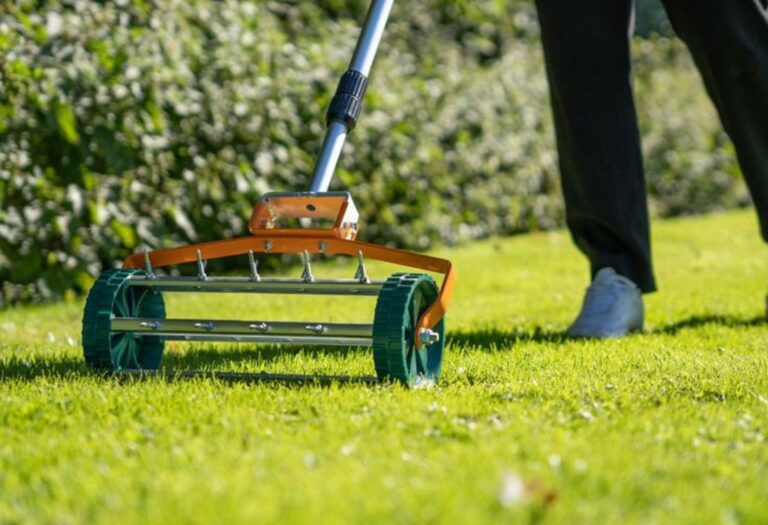
There are a few aeration methods. Core aeration is the most effective way. It involves using a machine that removes small plugs (cores) of soil from your lawn. This creates larger holes that provide better air circulation and allows for deeper penetration of water and nutrients. Spike aeration involves using a machine with solid tines that poke holes into the soil. Although it is easier and faster, it’s not quite as effective at dealing with thatch. You can also aerate by using a manual aerator, such as aerator sandals or a rolling aerator. However, these tools are best suited for small lawns or for light thatch problems.
Ultimately, core aeration is often the best choice for dealing with thatch. It physically removes soil, which helps to relieve compaction and allows for better air circulation and improved water absorption.
Best Practices for Aeration and Thatch Management
Aerating your lawn is only one piece of the puzzle. Combining aeration with other lawn care practices will yield the best results. Proper fertilization, mowing, and watering habits are essential for maintaining a healthy, thatch-free lawn. You can also consider using a dethatching rake to remove excess thatch. By following a comprehensive lawn care plan, you can enjoy a lush, green lawn.
You can create the ideal lawn environment with a combination of efforts, rather than just one. By choosing the right aeration methods and combining them with other lawn care strategies, you can minimize thatch accumulation and have a lawn you will be proud of.
Preparing Your Lawn for Aeration
Before you aerate, there are a few things you can do to prepare your lawn. First, mow your lawn to its normal height a day or two before aerating. This makes it easier for the aerator to penetrate the soil. Mark any sprinkler heads or underground utilities to avoid damage. Water your lawn thoroughly the day before aerating. Moist soil is easier to aerate than dry soil. If you are using a core aerator, make sure the tines are sharp and in good condition. Be sure to remove any debris like rocks or sticks that could interfere with the process.
- Assess Your Soil: Check for compaction to see how the aerator will work.
- Water Deeply: Ensure your lawn is well-hydrated to make aeration easier.
- Mark Hazards: Identify and mark any underground utilities or sprinkler heads.
Post-Aeration Care
After aerating, you’ll need to take a few steps to help your lawn recover. Leave the soil cores on the lawn. They will break down and return nutrients to the soil. Water your lawn thoroughly after aerating, and continue to water regularly. This helps the grass roots to grow and fill in the holes created by the aerator. Fertilize your lawn. Apply a slow-release fertilizer to help the grass recover from the aeration. Overseed your lawn if necessary. Aeration creates ideal conditions for grass seed to germinate, so this is a good time to reseed any bare spots. It’s best to avoid heavy foot traffic on the lawn for a few days after aeration to allow the grass to recover.
If you take these steps after aeration, your lawn will recover quicker. Your lawn will then benefit from the process. The post-aeration care sets the stage for a healthier lawn. It does this by encouraging new growth and improving the overall condition of your soil and grass.
Frequency of Aeration
The frequency of aeration depends on your lawn’s condition and the type of grass you have. Generally, you should aerate your lawn once a year, preferably in the fall. This allows the grass to recover during the cooler months and prepare for the following growing season. For lawns with heavy thatch or compacted soil, you may need to aerate twice a year, once in the spring and once in the fall. In areas with clay soil, more frequent aeration may be required to combat compaction. Aeration frequency also depends on how much foot traffic your lawn receives. Lawns with high foot traffic may need aeration more often.
For most lawns, a yearly aeration schedule is sufficient. Watch your lawn to assess its needs. Adjust your aeration plan as necessary.
Other Methods to Reduce Thatch
Besides aeration, other methods can reduce thatch. These methods work best when combined with aeration. They create a healthier lawn environment overall. A few key techniques that can help include:
Dethatching
Dethatching involves removing the layer of thatch that has already built up on your lawn. You can use a manual dethatching rake or a mechanical dethatcher, such as a power rake or a vertical mower. Dethatching is most effective when done in the early spring or early fall when the grass is actively growing. When using a manual dethatching rake, make sure to use a vigorous back-and-forth motion to pull up the thatch. Mechanical dethatchers are generally more efficient, but you should avoid using them too aggressively, as they can damage the grass. After dethatching, be sure to water and fertilize your lawn to help it recover. The method that you choose will depend on the size of the lawn and how much thatch needs to be removed.
Dethatching helps to physically remove thatch. It also improves air circulation and allows for better penetration of water and nutrients into the soil. It is especially useful for lawns with a significant thatch buildup. It is best to do this in combination with aeration for the best results.
Proper Mowing Techniques
Mowing techniques play a significant role in thatch management. Following some key guidelines will help prevent thatch buildup. Mow your lawn regularly and avoid cutting off more than one-third of the grass blade at a time. This helps to prevent the grass from being stressed. It also helps to prevent the accumulation of dead grass clippings that can contribute to thatch formation. Make sure your mower blades are sharp. Sharp blades cut the grass cleanly. They do not tear the grass, which can lead to increased thatch. Change mowing directions each time to prevent soil compaction. Compacted soil contributes to thatch buildup. Also, leave grass clippings on your lawn. When you do this, you provide nutrients and organic matter that will break down and feed your lawn.
Proper mowing is an important aspect of thatch management. These techniques will help to reduce thatch buildup. The right mowing practices will keep your grass healthy and minimize the need for more aggressive thatch removal methods.
Fertilizing and Watering Practices
Proper fertilization and watering are essential for lawn health. They also play a key role in thatch management. Use a balanced fertilizer with the right amount of nitrogen, phosphorus, and potassium. Fertilize your lawn according to the manufacturer’s instructions. Over-fertilizing can lead to excessive growth and thatch buildup. Water your lawn deeply and infrequently. This encourages deep root growth and makes your lawn more resistant to drought. Avoid frequent, shallow watering. This can lead to shallow root growth and thatch buildup.
By following these best practices, you can create a healthy lawn environment. It also helps to promote decomposition of organic matter. They work with aeration to create the conditions for a lush, green lawn.
Frequently Asked Questions
Question: Is aeration the only method to reduce thatch?
Answer: No, aeration is a powerful tool, but it works best when combined with other methods. Dethatching, proper mowing, and good watering and fertilizing habits are also very important.
Question: Can I aerate my lawn too often?
Answer: Yes, excessive aeration can damage your lawn. For most lawns, once or twice a year is sufficient. Watch your lawn and adjust your schedule based on its condition.
Question: What’s the best time to aerate my lawn?
Answer: The best time to aerate is in the early fall or spring. This allows your grass to recover during cooler weather and before the next growing season.
Question: Should I remove the soil plugs after core aeration?
Answer: No, leave the soil cores on your lawn. They will break down and return nutrients to the soil. They also help to fill in the aeration holes.
Question: Is aeration the same as dethatching?
Answer: No, aeration creates small holes to allow air, water, and nutrients to enter the soil. Dethatching removes existing thatch. They complement each other, and both are part of proper lawn care.
Final Thoughts
We’ve looked into whether does aeration reduce thatch and how it can help you get the lawn you’ve always wanted. Aeration is a key strategy for thatch management and overall lawn health. Understanding what thatch is and how it affects your lawn is the first step. By aerating your lawn, you can break up the thatch layer, improve soil aeration, and create a better environment for grass roots. Consider the frequency of aeration, as well as preparing your lawn beforehand and taking care of it afterward. By incorporating aeration with other lawn care practices, you can create a thriving, green space. You are on your way to a healthier and more attractive lawn. Get outside, start aerating, and enjoy the difference!