Do Aerator Shoes Work? A Lawn Care Guide
Thinking about aerating your lawn, and wondering, do aerator shoes work? It’s a question many new lawn care enthusiasts ask. It can feel like a tricky topic, with lots of conflicting advice. But don’t worry! This guide breaks down the answers in a simple, step-by-step way. We’ll explore everything you need to know to decide if aerator shoes are right for you, and how to get the best results. Let’s get started and explore how you can make your lawn the best it can be!
What Are Aerator Shoes?
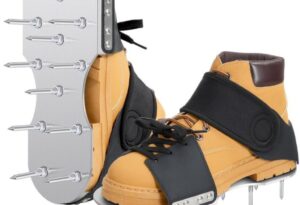
Aerator shoes, also known as lawn aeration sandals, are specialized footwear that aims to improve lawn health through aeration. They consist of a sole with spikes or tines attached. When you walk across your lawn wearing these shoes, the spikes penetrate the soil. This process creates small holes that allow air, water, and nutrients to reach the grass roots more easily. The design seems simple, but the effectiveness is often debated.
This section explores the core of aerator shoes. We’ll define what they are, how they work, and what makes them different from other aeration methods. We’ll break down the practical aspects, looking at the shoe’s structure and the idea behind using them. You’ll gain a good grasp of what aerator shoes are all about.
How Aerator Shoes Function
Aerator shoes are designed to mimic the process of core aeration, although on a much smaller scale. The spikes are typically made of plastic or metal and are usually around 1-2 inches long. When the wearer walks on the lawn, the spikes puncture the soil surface. This action has several effects. First, it reduces soil compaction, which is a common problem in lawns, especially those with heavy foot traffic. Compaction squeezes the soil particles together, reducing the space available for air and water. Second, the holes created by the spikes allow more air to reach the grass roots. This is critical because grass roots need oxygen to survive. Without sufficient oxygen, root growth is stunted, and the grass becomes less healthy.
The concept behind aerator shoes is simple, but their effectiveness depends on many factors, including soil type, lawn condition, and the amount of use they get. The best approach is to consider them as a tool within a broader lawn care strategy.
- Soil Compaction Relief: Aerator shoes effectively address soil compaction, a situation where soil particles compress, hindering air, water, and nutrient flow to the roots. The spikes break up compacted areas.
- Enhanced Oxygen to Roots: The small holes generated by the shoes allow more oxygen to reach the grass roots. Oxygen is essential for root health and overall grass vitality.
- Improved Water and Nutrient Absorption: Aeration holes help the roots soak up water and nutrients more efficiently. This leads to better growth and a healthier lawn.
- Increased Surface Drainage: By creating pathways, aerator shoes can improve surface drainage. This is especially helpful in clay-heavy soils where water tends to sit.
- Minor Disturbance: Aerator shoes provide a minimally invasive way to address surface problems. This can be important for yards where other aeration options are impractical.
Aerator Shoe Materials and Design
The materials used in aerator shoes are key to their function and durability. The spikes can be made of several materials. Plastic spikes are common because they are inexpensive and lightweight. Metal spikes, often made of steel or alloy, tend to be more durable and can penetrate harder soils more easily. The soles of the shoes are usually made from durable plastic or rubber, and are designed to securely attach to your regular footwear. There are different designs available. Some have straps to secure the shoes to your feet, while others fit over your shoes like sandals.
Choosing the right design and materials is essential to getting the best performance from your aerator shoes. Consider your lawn’s specific needs, including soil type, grass type, and the amount of use. Well-made aerator shoes that suit your lawn’s needs can make a visible difference in its health and appearance.
Aeration Methods Compared
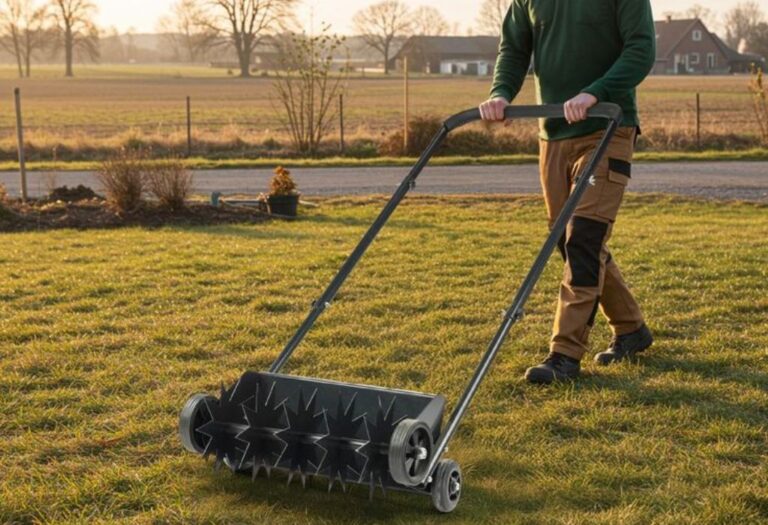
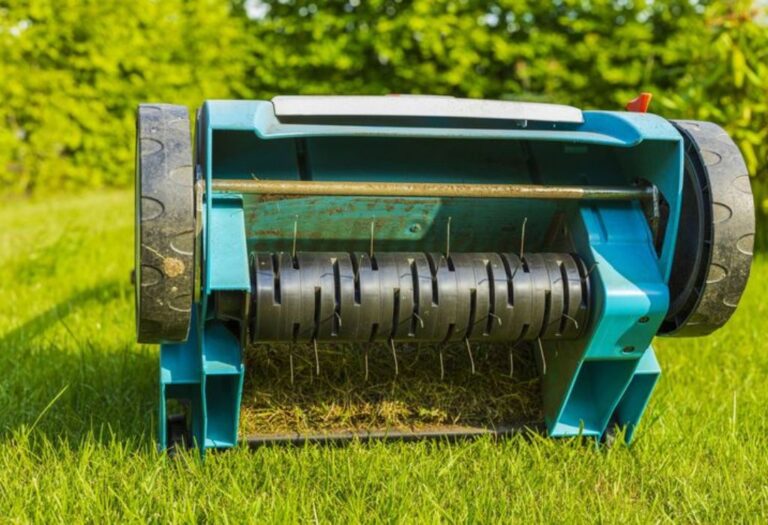
Aerator shoes are just one way to aerate your lawn. Other methods include core aeration (also called plug aeration) and spike aeration using a lawn aerator machine. Core aeration is considered the most effective method for overall lawn health. It involves removing small plugs of soil and creating holes that improve air circulation. Aerator machines are also a popular choice for larger lawns, allowing for faster and more thorough aeration. The best method for you depends on your lawn’s size, condition, and your budget.
Understanding the different aeration methods helps you select the best approach. Each method has strengths and weaknesses. Weigh these aspects to create a plan that suits your lawn’s requirements and your resources.
| Aeration Method | How It Works | Pros | Cons |
|---|---|---|---|
| Aerator Shoes | Spikes puncture the soil | Inexpensive, easy to use, good for light aeration | Less effective for heavily compacted soil, slow process |
| Core Aeration | Removes soil plugs | Most effective, improves air and water flow, reduces thatch | Requires specialized equipment, can be labor-intensive, more expensive |
| Spike Aeration Machine | Spikes or tines penetrate the soil | Faster than shoes, can cover larger areas | Less effective than core aeration, can compact soil if not used correctly |
Do Aerator Shoes Really Work for Lawn Care?
The effectiveness of aerator shoes is a common topic of debate. While they can provide some benefits, they’re not always the best choice for all lawns. Many factors come into play, like soil type, lawn condition, and frequency of use. Their effectiveness largely depends on the specific needs of your lawn.
This section explores the pros and cons of using aerator shoes. We’ll look at the conditions where they can be helpful, and also those where other aeration methods might be more suitable. This will provide a balanced view, helping you make a decision tailored to your lawn’s needs. We’ll explore situations where aerator shoes are helpful and when they might not be the best solution. Understanding these factors is key to knowing whether aerator shoes are worth it for your lawn.
Benefits of Aerator Shoes
Aerator shoes offer several potential benefits for lawn care. They are easy to use, so even beginners can use them. They’re also an affordable option compared to more complex aeration methods like core aeration. Another benefit is their suitability for small lawns or areas that are hard to reach with larger equipment. By creating small holes in the soil, they can enhance the movement of air, water, and nutrients. This can lead to healthier grass and a more vibrant lawn, especially if the soil isn’t severely compacted.
Aerator shoes offer a practical solution for basic aeration needs. These benefits can contribute to better lawn health. It’s important to keep the benefits in context. They are a suitable choice for certain situations.
- Ease of Use: Aerator shoes are simple to use. No specialized skills or training are needed. Just strap them on and walk around your lawn.
- Cost-Effectiveness: Compared to renting or buying larger aeration equipment, aerator shoes are a budget-friendly option. This makes them accessible for homeowners.
- Convenience: Aerator shoes are easily stored and transported. They don’t require power, making them a great option for any lawn.
- Improved Air, Water, and Nutrient Movement: Aerator shoes create small holes in the soil, helping to improve the flow of air, water, and nutrients to the grass roots.
- Surface Compaction Relief: They can help relieve surface compaction, which is especially beneficial in high-traffic areas where the soil tends to get packed down.
Limitations and Potential Drawbacks
While aerator shoes have advantages, they also have limitations. They are generally not as effective as core aeration, which removes plugs of soil and creates larger channels. Aerator shoes often do not penetrate the soil deeply enough to address severe compaction issues. The holes they create can sometimes close up quickly, reducing their long-term impact. Also, they can be a time-consuming process for large lawns, and their effectiveness is limited by how frequently you use them.
Considering the limitations is essential. This helps you manage expectations. It also ensures you choose the most effective approach for your lawn. These drawbacks are important to consider to decide if aerator shoes are the best choice for your lawn care.
- Shallow Penetration: Aerator shoes create shallow holes. They might not reach the depth needed for effective aeration.
- Ineffective on Heavily Compacted Soil: Aerator shoes are less effective on soils that have been severely compacted.
- Slow Process: Aerating an entire lawn with aerator shoes can be time-consuming, making them less practical for larger areas.
- Short-Lived Effects: The holes created by the spikes can sometimes close up quickly, reducing the long-term benefits of aeration.
- Risk of Soil Compaction: In certain soil types, aerator shoes can further compact the soil if used incorrectly.
Soil Types and Aerator Shoes
The type of soil you have impacts how effective aerator shoes will be. In sandy soils, which are naturally well-draining, the benefits of aerator shoes might be less noticeable. These soils already have good air circulation. In clay soils, which are prone to compaction, aerator shoes can be more helpful, though they might not be sufficient on their own. The best way to improve clay soil is often core aeration. The density of your soil directly influences how aerator shoes perform.
Understanding how your soil type influences the performance of aerator shoes is important. This knowledge allows you to adapt your lawn care strategy. This is important to ensure you get the best outcomes for your lawn. Knowing your soil’s composition helps you decide if aerator shoes are the right tool for the job.
Best Practices for Using Aerator Shoes
Using aerator shoes effectively requires more than just strapping them on and walking around. Proper use involves preparing your lawn, using the shoes correctly, and following up with appropriate aftercare. Proper technique maximizes the benefits and helps you avoid possible negative impacts.
This part provides practical steps for using aerator shoes. We’ll cover lawn preparation, the proper way to walk with the shoes, and what to do after aeration to optimize your results. This step-by-step approach simplifies the process. It will help ensure that you use the shoes effectively.
Preparing Your Lawn for Aeration
Before using aerator shoes, prepare your lawn to maximize their effectiveness. First, mow your lawn to a short height. This makes it easier for the spikes to penetrate the soil and reach the roots. Next, if your soil is dry, water your lawn a day or two before aeration. This softens the soil, making it easier for the spikes to penetrate. Removing any debris, like leaves or twigs, from your lawn will also ensure better contact between the spikes and the soil. This pre-aeration approach can dramatically improve results. Remember, the goal is to create conditions that facilitate aeration.
Preparing your lawn properly will improve the results you get from aerator shoes. It makes the job easier and more effective. You’ll make sure the spikes can easily reach the soil and that the aeration process works as well as possible.
Aerator Shoe Techniques
When using aerator shoes, it’s important to use the correct technique. Walk across your lawn in a consistent pattern, covering the entire area. Overlap your steps slightly to ensure you create enough holes for good aeration. Vary your walking direction to avoid creating a pattern. Pay extra attention to areas with heavy foot traffic, as these will likely be more compacted. Do not overdo it. Using the shoes too frequently can cause issues. Aerate during the growing season. This is when the grass can quickly recover and benefit from the process.
Following good techniques can increase the effectiveness of aerator shoes. This helps you get the most out of your lawn care efforts. Correct use makes sure that the aeration is done properly, leading to a healthier lawn.
Post-Aeration Care
After aerating your lawn with aerator shoes, give your lawn proper aftercare. This helps the grass recover and benefit from the aeration. Water your lawn after aeration. This helps the roots grow into the new holes. If you choose to, apply fertilizer after aeration. This will give the grass roots added nutrients. Over time, overseeding is also useful. It can help fill in any bare spots and create a fuller, healthier lawn. This can also help to fill in the holes created by the aerator shoes. Post-aeration care enhances the long-term benefits of the aeration process.
Providing proper post-aeration care is critical to get the full benefits. It helps your lawn recover quickly. It also encourages strong growth. It ensures your efforts result in a greener, healthier lawn.
Alternatives to Aerator Shoes
If aerator shoes don’t seem like the best option for your lawn, consider some alternatives. Core aeration, using a machine that removes plugs of soil, is often considered the most effective aeration method. Spike aerators can also be used, which are machines that puncture the soil with spikes. These are faster than aerator shoes. Finally, you can use a garden fork to aerate small areas of your lawn. These methods each have different levels of effectiveness. Choose the one that best suits your needs.
Exploring alternatives to aerator shoes can lead you to the best approach. Each option has unique benefits and drawbacks. Knowing your options allows you to make an informed decision for your lawn care.
Core Aeration vs. Aerator Shoes
Core aeration, also known as plug aeration, is generally considered more effective than using aerator shoes. Core aeration machines remove small cores or plugs of soil. This process creates larger holes than aerator shoes do, and also reduces thatch buildup. These holes create better channels for air, water, and nutrients to reach the grass roots. Core aeration helps with root growth and a healthier lawn. It’s often recommended for lawns with significant soil compaction or thatch. However, core aeration can be more expensive. It requires renting or buying the equipment.
Comparing core aeration to aerator shoes shows the difference in effectiveness. Core aeration provides a more thorough approach. Consider the benefits and drawbacks of each method to pick the best choice.
Other Aeration Methods
Apart from core aeration and aerator shoes, several other methods are available. Spike aeration is a common alternative. Machines that use spikes to create holes in the soil can be more efficient than aerator shoes. Liquid aeration involves applying a product that helps break down compaction. This can be less labor-intensive. Manual aeration with a garden fork is suitable for small areas. The best method depends on your lawn’s specific needs, your budget, and the amount of effort you want to invest. These different approaches allow you to customize your lawn care plan. This includes helping you pick the perfect method for your situation.
Exploring other methods gives you more options for lawn care. Each method has advantages. Consider the condition of your lawn, your budget, and how much effort you’re willing to put in. This allows you to select the best approach.
Frequently Asked Questions
Question: How often should I use aerator shoes?
Answer: For best results, aerate your lawn with aerator shoes once or twice a year, ideally during the growing season (spring or fall).
Question: Are aerator shoes suitable for all types of grass?
Answer: Aerator shoes are suitable for most grass types, but their effectiveness can vary. Consider your specific grass type and its needs.
Question: Can I use aerator shoes on my newly seeded lawn?
Answer: It’s best to wait until your new grass has established before aerating. This helps prevent damage and gives your grass the best chance to thrive.
Question: Do I need to water my lawn after using aerator shoes?
Answer: Yes, watering after aeration helps settle the soil, encourages root growth, and enhances the effects of the aeration.
Question: Are aerator shoes a replacement for core aeration?
Answer: Aerator shoes provide some aeration benefits, but they are not a replacement for core aeration. Core aeration is generally more effective.
Final Thoughts
So, do aerator shoes work? The answer is a qualified yes. Aerator shoes can provide some benefits for your lawn, especially on a small scale or as a part of a larger plan. They are most useful for mild soil compaction and can help with air and water movement. However, they aren’t a