How to Charge a Cordless Electric Lawn Mower Properly
It’s a warm afternoon and you’ve just finished mowing the garden when you notice the battery light blinking red. You plug in your mower, but you’re not entirely sure if you’re charging it correctly or for the right amount of time.
Many people overlook how important proper charging habits are for cordless lawn mowers. The way you charge your battery affects not only runtime but also its lifespan and overall safety. A well-charged mower runs longer, performs better, and lasts for years without costly replacements.
In this detailed guide, you’ll learn everything you need to know about charging a cordless electric lawn mower properly. From understanding battery technology to safe charging practices and long-term maintenance, each step will help you get the best out of your mower season after season.
Understanding How Cordless Electric Lawn Mowers Get Their Power
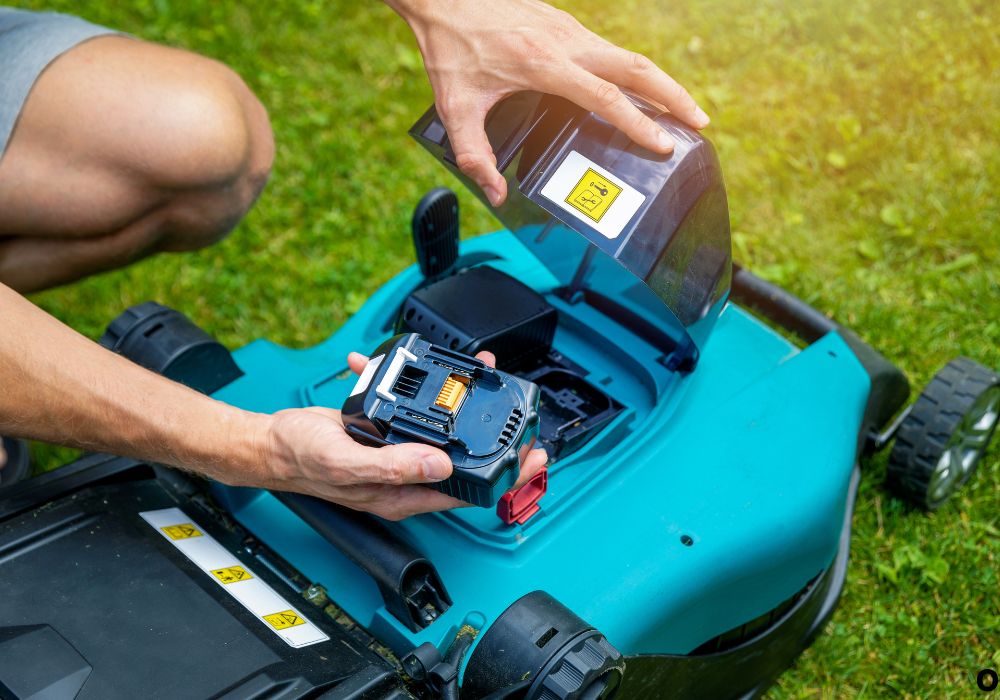
Cordless electric lawn mowers rely on rechargeable batteries, most commonly lithium-ion, to power their motors. These batteries store energy chemically and release it as electricity when the mower operates.
Battery capacity is measured in amp-hours (Ah), while voltage determines the mower’s power output. A higher voltage means stronger torque for tougher grass, but it also requires longer charging times. Amp-hours indicate how long the mower can run before needing another charge.
Inside every modern battery is a small computer known as a Battery Management System, or BMS. It regulates energy flow, protects against overheating, and prevents overcharging or deep discharge. This intelligent design keeps your mower safe and ensures consistent performance.
Understanding your mower’s power system helps you appreciate why correct charging is so vital. Treating the battery correctly preserves its health and guarantees smooth mowing for years to come.
Step-by-Step Guide to Charging a Cordless Electric Lawn Mower
Charging a cordless mower is simple, but following the right process prevents mistakes that can damage the battery.
First, always switch the mower off and allow the battery to cool for at least 30 minutes after use. Charging a hot battery shortens its life and can lead to overheating.
If your mower has a removable battery, press the release button and slide it out carefully. Connect it to the charger that came with your mower. For built-in batteries, plug the charger directly into the mower’s charging port.
Ensure the charger is connected to a dry, well-ventilated power outlet. Avoid using extension cords unless specifically rated for outdoor equipment.
Once charging begins, observe the indicator lights. Most chargers display red during charging and green when full. Do not force the plug or try to speed up the process. When charging is complete, disconnect the charger first from the wall, then from the battery.
Always use the original charger supplied by the manufacturer. Third-party chargers may deliver incorrect voltage, risking battery failure or even fire.
How Long Should You Charge a Cordless Lawn Mower Battery?
Charging time varies depending on the mower’s voltage, capacity, and charger type. Smaller 36- or 40-volt batteries typically charge within 60 to 90 minutes, while mid-range 56- or 60-volt batteries can take up to two hours. High-power 80-volt systems may need 150 minutes or more for a full charge.
Rapid chargers shorten charging time by increasing current flow, but this creates more heat. Although convenient, frequent use of rapid chargers may slightly reduce long-term battery life. It’s best to use standard chargers for routine maintenance and save fast chargers for busy days.
Smart chargers automatically adjust current and shut off when the battery reaches full capacity. This prevents overcharging, one of the leading causes of battery wear.
You’ll know charging is complete when the light turns green or the mower’s display shows 100 per cent. Never leave the battery plugged in indefinitely — it wastes electricity and generates unnecessary heat.
If you follow the manufacturer’s guidance, you’ll enjoy consistent performance and avoid sudden runtime drops mid-mow.
Safety Tips When Charging an Electric Lawn Mower

Safety should always come first when handling electrical equipment. Charging a mower battery may seem harmless, but mistakes can cause damage or even injury.
Always charge the battery in a dry, indoor environment. Garages, sheds, or utility rooms with good airflow are ideal. Avoid damp areas or outdoor spaces exposed to rain.
Place the charger on a stable, flat surface away from flammable materials. Batteries can become warm during charging, so ventilation is essential. Do not cover the charger or block cooling vents.
Never leave batteries unattended for long periods, especially overnight, unless the charger specifically supports trickle charging. If you notice a strange smell, excessive heat, or swelling, stop charging immediately and inspect for faults.
Check cables and connectors regularly. Damaged wires or loose plugs can cause short circuits. Always unplug the charger before moving or cleaning the mower.
Using a surge-protected socket adds extra safety against voltage spikes. With a few simple precautions, charging remains completely safe and efficient.
Common Charging Mistakes to Avoid
Even experienced users sometimes make errors that shorten battery life or reduce performance. One of the most common mistakes is charging immediately after mowing. A warm battery should cool first; otherwise, internal heat can degrade cells.
Overcharging is another issue. Leaving the charger connected for hours after the battery is full strains the chemical balance inside the cells. Similarly, deep discharging — running the battery completely flat — increases wear and tear.
Avoid using the wrong charger. Each mower model has specific voltage and connector types. Generic or cheap replacements may fit physically but deliver incorrect current.
Many users also forget about storage conditions. Keeping a battery fully charged or completely empty during long storage can lead to capacity loss. For best results, maintain about half charge when storing for winter.
Avoid using damaged or dirty chargers. Dust and corrosion on terminals reduce charging efficiency and create resistance that generates unnecessary heat. Good habits protect your investment for years to come.
Extending Battery Life Through Proper Charging Habits
A few simple routines can significantly extend your mower’s battery life. Begin by charging only after the battery has cooled completely. This prevents heat-related damage and ensures consistent power delivery.
Partial charging between 20 and 80 per cent helps preserve cell structure. Constantly charging to full capacity or draining to zero reduces lifespan. Most modern mowers work best with moderate charge cycles.
Clean the battery contacts regularly with a dry cloth to remove dust or grass residue. Good electrical contact means faster, safer charging.
When the mowing season ends, store your battery indoors at about half charge. Avoid garages that drop below freezing, as cold temperatures cause capacity loss. Top up the charge every two or three months to keep cells balanced.
Treat your mower’s battery like any precision tool. With careful charging and occasional cleaning, it will deliver reliable service and save money on replacements.
Different Charger Types and Their Impact on Battery Health
Understanding charger types helps you choose the best option for your mower’s needs. Standard chargers operate at a steady current and are the safest for long-term battery health. They charge slower but produce less heat and stress.
Rapid chargers deliver higher current to shorten charging time. They are ideal for professionals or frequent users but can slightly reduce battery lifespan if used constantly. It’s wise to alternate between rapid and regular charging cycles.
Smart chargers are the most advanced. They include sensors that monitor temperature, voltage, and charge level in real time. These chargers automatically reduce current when nearing full capacity, preventing overcharging.
Brands such as EGO, Ryobi, and Makita now offer fast yet temperature-controlled charging systems. LED lights or digital displays clearly show progress, while auto shut-off ensures safety once complete.
Using the correct charger type keeps your mower’s battery efficient and ready for action without sacrificing longevity.
Long-Term Storage and Seasonal Charging Tips
When mowing season ends, proper storage becomes essential. Start by wiping the battery clean with a dry cloth to remove dirt or grass residue. Inspect for cracks, corrosion, or damage before storing.
Keep the battery indoors in a dry, well-ventilated area. Ideal storage temperature is between 10 and 25 degrees Celsius. Avoid humid sheds or freezing garages, as extreme temperatures degrade chemical performance.
Never store the battery fully charged or completely drained. Aim for around 50 per cent charge and check every few months. If the level drops below 30 per cent, recharge slightly. This keeps the cells balanced and prevents deep discharge.
During long winters, avoid placing heavy objects on top of the charger or battery pack. If your model includes a maintenance mode, activate it to maintain optimal voltage.
When the new season arrives, recharge the battery slowly before first use. These small steps ensure your mower runs smoothly and the battery remains strong year after year.
Frequently Asked Questions About-Charging Cordless Electric Lawn Mowers
1. How do I know when my cordless mower is fully charged?
The indicator light usually turns green or the display shows 100 per cent.
2. Can I overcharge my mower battery?
Yes, overcharging stresses the cells and shortens lifespan.
3. Should I remove the battery while charging?
Only if your model requires it. Follow manufacturer guidelines.
4. Can I use a different brand charger?
No, mismatched chargers can damage the battery or cause safety risks.
5. Why does my charger get hot?
Heat is normal, but excessive warmth may indicate poor ventilation.
6. How long should I charge before first use?
Most new batteries need a full initial charge of about two hours.
7. Is it safe to charge in a shed or garage?
Yes, if the space is dry and well ventilated. Avoid damp conditions.
8. Can I mow while the battery is half charged?
Yes, but expect shorter runtime. Partial charges are safe for lithium-ion cells.
9. What should I do if the charger light stays red?
Disconnect, cool the battery, and try again. If it persists, contact service.
10. Should I unplug after charging?
Yes, always disconnect the charger once complete.
11. How can I extend battery lifespan?
Avoid heat, overcharging, and deep discharge. Charge moderately and store properly.
12. Is it bad to leave the battery in the mower?
Not for short periods, but remove it for long-term storage.
13. Do rapid chargers reduce battery life?
Slightly, if used constantly. Alternate with slower chargers when possible.
14. How often should I clean the charger contacts?
Wipe monthly or whenever dirt builds up. Clean contacts improve efficiency.
15. What temperature is best for charging?
Between 10 and 30 degrees Celsius for optimal cell balance.
Conclusion
Charging a cordless electric lawn mower properly is not just a routine task — it is an essential part of maintaining the mower’s performance, safety, and longevity. The way you handle and charge your battery directly affects how efficiently it powers your mower and how many years of reliable service you can expect from it.
Modern electric mowers are built with advanced lithium-ion batteries that offer excellent power and endurance, but they are also sensitive to poor charging habits. Overcharging, deep discharging, or charging in unsuitable conditions can reduce their capacity and cause premature wear.
By following correct charging procedures, you preserve both battery health and cutting power season after season.
The key is consistency and care. Always allow the battery to cool before charging, use only the manufacturer’s approved charger, and avoid extreme temperatures.
A battery stored correctly and maintained with moderate charging cycles will retain most of its original performance for years. Proper charging also helps you achieve full runtime on every mow, ensuring that you can finish your garden in one smooth session without interruptions.
Equally important is safety. A well-ventilated charging area, a clean charger, and regular inspections prevent hazards like overheating or short circuits. Responsible charging habits not only extend the battery’s lifespan but also make every mowing experience safer and more predictable.
Beyond practicality, there is a sense of satisfaction in maintaining your equipment correctly. Knowing that your mower is always ready, that the battery is healthy, and that you’re operating efficiently brings confidence to every use. It also reduces waste, as batteries last longer and fewer replacements are needed.
In the end, proper charging is about respect — for your mower, for your investment, and for the environment. Take the time to charge thoughtfully, and your cordless electric mower will reward you with dependable performance, quiet operation, and perfectly cut grass every single time.

I’m Maya L. Greenwood, a lifelong plant lover who believes anyone can grow something beautiful with the right guidance. After years of testing soil mixes, pruning methods, irrigation tricks, and pest-safe solutions, I started EasyGardenTips.com to turn hard-won lessons into step-by-step advice. From seed starting and container gardens to composting and seasonal checklists, my goal is to make gardening simple, sustainable, and fun.