What Is a Mower Bag For? Complete Beginner’s Guide
A freshly mowed lawn looks picture-perfect until you notice the scattered grass clippings left behind. For many homeowners, this raises a common question — what is a mower bag for, and do you really need one?
A mower bag might seem like a simple attachment, but its role in achieving a clean, healthy, and well-kept yard is more significant than most realize.
Every year, an average 1,000 square feet of lawn can produce between 90 to 225 kilograms of grass clippings during regular mowing (source).
Managing this volume without the right equipment can quickly turn yard maintenance into a hassle.
A mower bag helps by collecting these clippings efficiently, leaving the lawn clean and reducing the spread of weeds and diseases.
Definition & Purpose — What Is a Mower Bag For
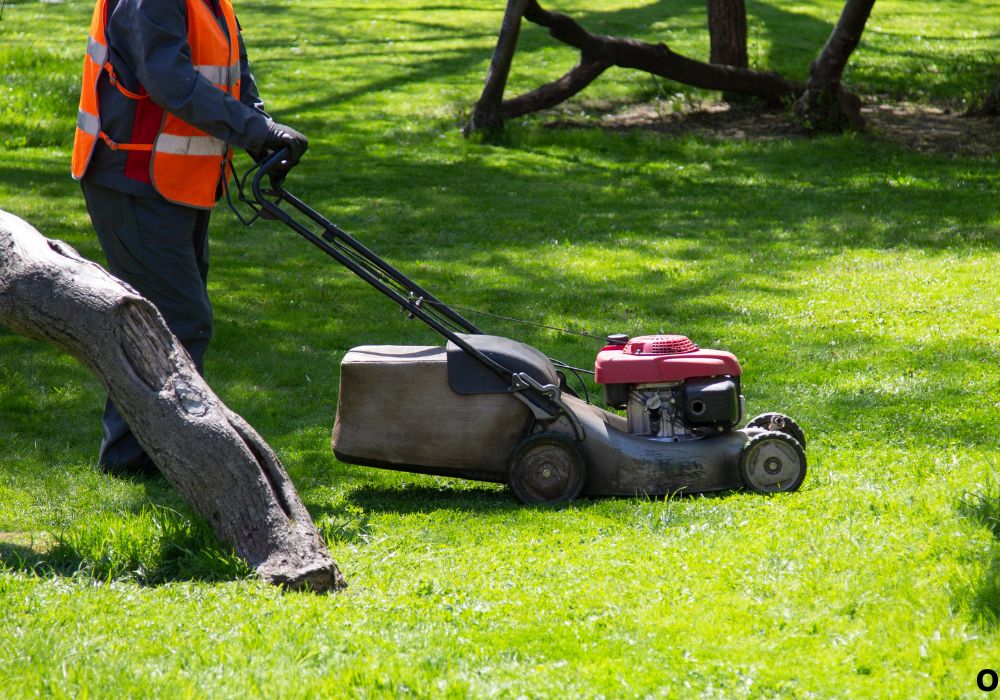
A mower bag, also known as a grass catcher, is an attachment designed to collect grass clippings as you mow. It prevents the cut grass from being left on the surface of your lawn and keeps the area looking freshly maintained.
The mower bag is part of a bagging system, sometimes called a material collection system (MCS), which can be attached to walk-behind mowers, self-propelled models, or riding lawn tractors.
When the mower’s blades spin, the airflow pushes the cut grass through a discharge chute into the attached bag. This simple yet effective mechanism ensures clippings are gathered rather than scattered.
By doing so, it keeps the turf cleaner, reduces thatch build-up, and helps prevent fungal diseases that thrive in dense grass piles.
Understanding what is a mower bag for also helps new users recognize its importance. It’s not only about cleanliness; it’s also about maintaining consistent lawn health.
A good mower bag saves time on post-mowing cleanup and improves the overall mowing efficiency. Whether it’s made of mesh, fabric, or plastic, every type serves the same goal — collect, contain, and simplify your mowing routine.
Benefits of Using a Mower Bag
Using a mower bag provides several practical and aesthetic benefits that improve the quality of your lawn and simplify maintenance.
One of the biggest advantages is the clean, manicured appearance it creates. Instead of leaving grass scattered across the yard, the mower bag neatly collects it, allowing you to enjoy an instantly tidy result.
Bagging also minimizes the spread of fungus, weeds, and pests, especially if your lawn has diseased grass. By collecting infected clippings instead of letting them decompose on the soil, you reduce the risk of reintroducing harmful spores or insects.
This approach is particularly valuable after heavy rainfall when humidity promotes fungal growth.
Another key benefit is reduced thatch build-up. Thatch is a layer of decomposing material that can suffocate healthy roots. Bagging removes much of this organic debris before it accumulates.
It’s also ideal when mowing wet grass, trimming tall weeds, or maintaining areas near sidewalks and patios where loose grass might cause mess or safety concerns.
While bagging does remove nutrients that could otherwise return to the soil, it’s an effective method when cleanliness and disease prevention are priorities. Many professional landscapers recommend alternating between bagging and mulching to maintain both health and aesthetics.
Drawbacks & Trade-offs — When a Mower Bag Is Not Ideal
Although mower bags offer clear advantages, they are not always the best choice for every situation.
One of the primary drawbacks is the loss of natural nutrients. When grass clippings are removed, the lawn loses a valuable source of nitrogen, potassium, and phosphorus — all essential for healthy growth.
According to research on grasscycling, clippings can return 15–20% of a lawn’s nitrogen needs when left to decompose (source).
Bagging also increases the physical workload. You need to stop frequently to empty the bag, especially on large properties.
If the bag is overfilled, it can clog the chute or reduce suction efficiency, making mowing less smooth. This frequent stopping interrupts the workflow and adds to the total mowing time.
There’s also the issue of disposal. After collecting the clippings, you must either compost them, place them in yard waste bins, or take them to a recycling center. In some regions, disposing of grass clippings is subject to restrictions, making bagging less convenient.
Finally, excessive bagging can impact soil health over time. Without returning organic matter, the soil may become less fertile and require additional fertilizers.
Therefore, while a mower bag helps in achieving a neat lawn, it’s important to balance bagging with nutrient management practices like mulching.
Bagging vs Mulching vs Discharging — Which to Choose
Lawn care professionals often debate which method — bagging, mulching, or discharging — offers the best results. Each approach has its own set of benefits and drawbacks depending on your goals and lawn condition.
Bagging gives the cleanest appearance and prevents debris build-up. It’s especially useful after long intervals between mowing or when grass is wet or diseased. For example, after stormy weather, bagging helps collect heavy clippings and reduces mess across driveways and patios.
Mulching, on the other hand, chops clippings into fine particles and redistributes them into the turf. This process returns organic matter and nutrients back into the soil, enriching it naturally. Studies show that mulched clippings decompose quickly and can reduce fertilizer dependency.
Discharging is the simplest but messiest method. It expels clippings directly onto the lawn without collecting them. While it saves time, it can make lawns uneven or untidy. However, in certain conditions — like mowing overgrown fields or dense patches — discharge can prevent clogging and strain on the mower.
The right choice depends on your goals. If you want a pristine look, bagging works best. For sustainability and long-term soil enrichment, mulching is superior.
For quick trimming, discharging offers speed with minimal maintenance. Many modern mowers now include 3-in-1 systems allowing users to switch between these modes easily.
How to Use a Mower Bag Correctly & Best Practices
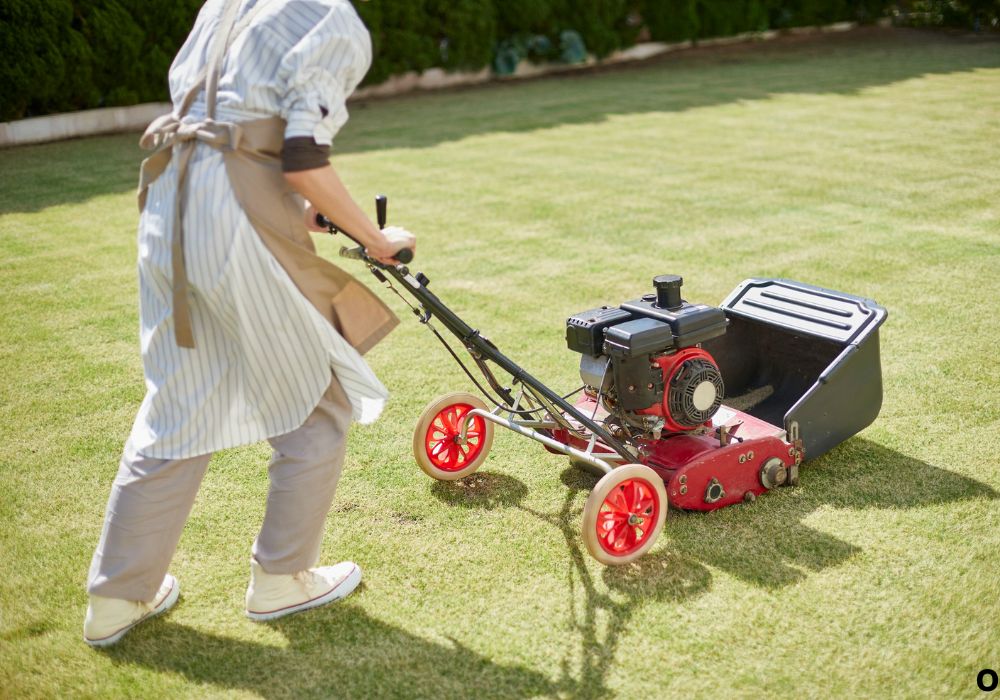
Getting the most out of your mower bag requires correct technique and regular maintenance. Start by mowing when the grass is dry. Wet clippings tend to stick together, causing blockages in the chute or bag.
Maintaining a consistent mowing schedule prevents grass from growing too tall, which also reduces clogging and improves suction flow.
Adjusting the cutting height is equally important. The one-third rule is widely recommended: never remove more than one-third of the grass blade in a single session. This keeps grass healthier and makes collection easier.
Ensure your mower blades are sharp, as dull blades tear grass rather than cutting it cleanly, leading to clogging and uneven airflow.
Always empty the mower bag before it’s completely full. Overfilling not only adds weight but also restricts airflow, reducing efficiency.
Cleaning the chute after each use prevents mold, mildew, and debris buildup. Periodic washing and drying of the bag prolong its life and helps maintain proper ventilation.
Finally, check your bag’s attachment points and seals regularly. Loose fittings can cause grass to spill or reduce suction power. A properly maintained bagging system enhances mower performance and keeps your lawn care consistent and efficient.
Troubleshooting Common Issues
Even well-maintained mower bags can face occasional problems. One of the most frequent issues is clogging, usually caused by mowing wet or excessively tall grass.
The chute can become blocked, preventing proper airflow and suction. If this happens, stop the mower and clear the blockage carefully after turning off the engine.
Another problem is uneven bag filling. When airflow is obstructed by dirt or leaks, one side of the bag may fill faster than the other.
Cleaning the vent openings and ensuring tight seals often resolves this issue. Periodic inspection of the material collection system can also prevent premature wear.
Loss of suction is another concern, often due to a worn or dirty bag. Airflow through the fabric is essential for proper operation. Cleaning or replacing the bag can restore efficiency.
Additionally, dull blades or slow engine speeds can reduce the vacuum effect, making the bag less effective.
Finally, always store your mower and bag in a dry, clean area. Moisture can damage fabric bags, promote mildew, and weaken stitching. Following a simple cleaning and maintenance routine after each use can extend the life of your mower bag significantly.
When (and Why) to Skip the Mower Bag — Grasscycling
While mower bags are useful, sometimes it’s better to leave them aside and practice grasscycling. This method involves leaving clippings on the lawn to decompose naturally. It’s an environmentally friendly practice that returns nutrients like nitrogen and potassium to the soil.
According to the EPA and multiple lawn care studies, grasscycling can reduce yard waste by up to 25% while improving soil structure (source).
Grasscycling is ideal during regular mowing when the lawn is not overgrown or diseased. Since the clippings are short and light, they quickly break down and release nutrients. Contrary to common myths, grasscycling doesn’t cause thatch build-up.
Proper mowing height and frequency ensure the clippings decompose efficiently without smothering the grass.
However, it’s best to avoid grasscycling when dealing with wet grass, weeds, or fungal patches. In such cases, the clippings can clump together or spread diseases.
Alternating between bagging and grasscycling helps maintain a balance between tidiness and sustainability. This approach allows homeowners to keep lawns clean when necessary while still supporting soil health through natural decomposition.
Buying & Choosing the Right Mower Bag or System
Selecting the right mower bag can greatly influence performance and ease of use. The first step is ensuring compatibility with your mower model. Manufacturers often design specific bagging systems for each machine, and using the correct one guarantees proper fit and airflow.
Consider the capacity of the bag. Smaller yards can make do with compact bags, while larger areas benefit from higher-capacity options to reduce emptying frequency.
Material is another key factor. Breathable mesh bags allow better airflow and lighter weight, while plastic or rigid containers provide durability and ease of cleaning.
If you own a riding mower or lawn tractor, investing in a complete material collection system (MCS) is ideal.
These systems use tubes, blowers, or vacuum mechanisms to move clippings efficiently. For self-propelled or push mowers, choose a bag that attaches firmly and balances well during operation.
Lastly, weigh the cost vs longevity factor. OEM (original equipment manufacturer) bags usually offer better performance and lifespan, while aftermarket options may be more affordable but less durable. Selecting the right product ensures smooth mowing sessions and less frequent replacements.
Conclusion
Understanding what is a mower bag for goes far beyond simply collecting grass clippings. It’s about maintaining a cleaner, healthier, and more visually appealing lawn. A mower bag provides convenience, helps prevent disease, and keeps your property neat after every mow.
However, it’s also important to use it wisely. Overusing bagging can deprive the lawn of natural nutrients, so alternating with grasscycling or mulching ensures long-term soil health.
Every lawn is different — some need consistent bagging for a polished finish, while others thrive better when clippings are left to nourish the turf.
With proper mowing habits, equipment maintenance, and an understanding of when to bag or mulch, you can easily create a perfect balance between aesthetics and sustainability.
Keep your blades sharp, your mower bag clean, and your mowing schedule consistent. A well-managed lawn isn’t about working harder — it’s about working smarter.

I’m Maya L. Greenwood, a lifelong plant lover who believes anyone can grow something beautiful with the right guidance. After years of testing soil mixes, pruning methods, irrigation tricks, and pest-safe solutions, I started EasyGardenTips.com to turn hard-won lessons into step-by-step advice. From seed starting and container gardens to composting and seasonal checklists, my goal is to make gardening simple, sustainable, and fun.