How to Dispose of Garden Hose: Easy Methods for Homeowners
Old garden hoses often accumulate in garages, sheds, or backyards, creating clutter and environmental concerns. Disposing of them improperly contributes to landfill waste and potential pollution.
Many homeowners wonder how to dispose of garden hose responsibly. Knowing the correct methods ensures safety, environmental protection, and potential opportunities for reuse or recycling.
Curiosity arises when considering that old hoses can be transformed into practical household items or garden tools. Repurposing hoses not only reduces waste but also provides creative solutions for home and garden projects.
The benefits of proper disposal extend beyond organization and creativity. According to the EPA, improper disposal of household plastics, including garden hoses, contributes significantly to landfill volume and pollution (EPA Source).
Additionally, recycling programs report that thousands of pounds of rubber and vinyl hoses are discarded annually, often unnecessarily (Recycle Now).
Understanding Garden Hose Materials
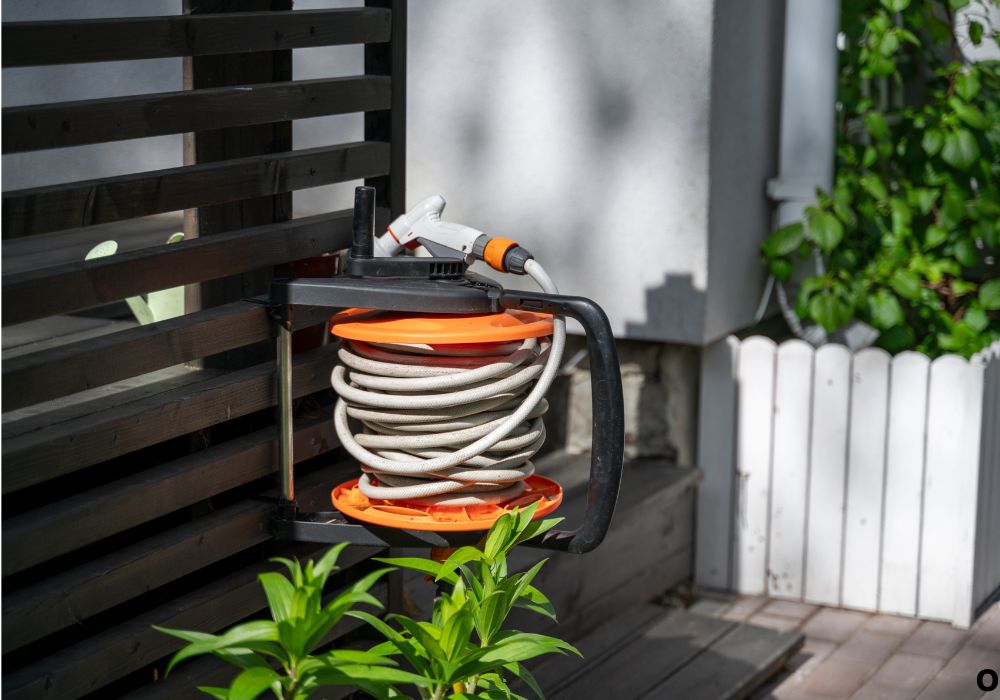
Garden hoses are typically made from rubber, vinyl, or hybrid synthetic materials, each with unique properties that influence durability, flexibility, and disposal options.
Understanding the material composition is essential for selecting the most appropriate disposal or recycling method.
Rubber hoses are known for their robustness and longevity. They are highly resistant to kinking, cracking, and environmental wear, which makes them suitable for heavy-duty use and multiple seasons of watering. Their durability also means they occupy landfills for many years if not properly recycled.
Vinyl hoses are lightweight, affordable, and easy to handle. However, they are less resilient than rubber hoses and more prone to punctures, cracks, and degradation under prolonged sunlight or freezing temperatures. Due to their composition, vinyl hoses often require specialized facilities for recycling or disposal.
Hybrid or reinforced hoses combine materials such as rubber cores with vinyl coatings or woven fabrics.
These hoses offer a balance between flexibility, durability, and affordability, but mixed materials can complicate recycling.
It is crucial to separate metal connectors from hoses before processing to ensure proper recycling and prevent contamination.
The type of hose material directly affects environmental impact. Rubber hoses, although more durable, are not biodegradable and take decades to decompose. Vinyl hoses can leach chemicals if burned or improperly discarded, highlighting the importance of responsible disposal methods.
Identifying the material of a garden hose is the first step toward safe and environmentally conscious disposal.
This knowledge allows homeowners to choose the appropriate recycling center, repurposing method, or municipal disposal option, reducing landfill contributions and supporting sustainable practices.
By understanding hose materials, homeowners can make informed decisions that protect both their gardens and the environment. Proper material identification is the foundation for effective disposal, recycling, or repurposing strategies.
Methods for Disposing of Garden Hoses
Proper disposal of garden hoses is essential to minimize environmental impact and promote sustainability. Several methods can be employed, depending on the hose material, condition, and available local facilities.
Recycling programs are the most environmentally friendly option. Some centers accept rubber hoses for shredding and repurposing into products like mats, playground surfaces, or new rubber materials.
Before recycling, it is important to remove metal fittings and ensure the hose is clean and free from debris.
Repurposing hoses is a creative alternative. Old hoses can be cut and used as plant ties, garden edging, protective padding, or craft projects. This method reduces waste while providing functional solutions around the home and garden.
Waste collection remains a practical option when no recycling or repurposing alternatives exist. Hoses can be placed in regular trash bins according to municipal guidelines, although this should be a last resort due to their long decomposition time.
Donation is another viable approach for hoses that remain usable. Community gardens, schools, or charity organizations may accept functional hoses, extending their life and benefiting others while preventing unnecessary landfill accumulation.
Choosing the right disposal method depends on hose condition, local recycling options, and personal preference.
Combining recycling, repurposing, and donation ensures that garden hoses are managed responsibly, reducing environmental impact and supporting sustainability initiatives.
By understanding and applying these disposal methods, homeowners can ensure that old garden hoses are removed responsibly. Proper disposal not only protects the environment but also encourages a culture of sustainability and resourcefulness in everyday gardening practices.
Environmental Considerations for Garden Hose Disposal

Improper disposal of garden hoses can have significant environmental consequences. Hoses left in landfills can take decades to decompose, and vinyl hoses may release harmful chemicals into the soil and groundwater.
Rubber hoses, while more durable, are not biodegradable. When discarded without recycling, they occupy space in landfills for years, contributing to long-term environmental degradation.
Vinyl hoses, if burned, can release toxic fumes, highlighting the need for responsible disposal methods.
Recycling and repurposing hoses reduce environmental impact by diverting materials from landfills. Shredded rubber can be used for playground surfaces, mats, or new hose production, turning waste into functional products and conserving natural resources.
Choosing eco-friendly hose materials during purchase also supports sustainable disposal. Hoses made from recyclable or biodegradable materials simplify end-of-life management and reduce ecological harm.
Community awareness and municipal programs play a critical role. Local recycling centers, bulk collection days, and hazardous waste programs often accept hoses or provide guidance for proper disposal.
Homeowners should stay informed about local regulations to ensure compliance and protect the environment.
By considering the environmental implications of hose disposal, homeowners can make responsible decisions that minimize waste and pollution.
Proper planning, recycling, and repurposing not only extend the life of materials but also contribute to a more sustainable and eco-conscious gardening practice.
Creative Ways to Repurpose Old Hoses
Old garden hoses can be repurposed into functional and decorative items around the home and garden. Repurposing reduces waste, saves money, and offers innovative solutions for everyday problems.
One common use is as plant protection. Cut hose sections can be wrapped around tree trunks, garden beds, or delicate plants to shield them from lawn mowers, foot traffic, or pets. This helps prevent damage and supports healthy growth.
Hoses can also be used in DIY crafts. They can be shaped into mats, coasters, or creative garden decorations. Flexible hoses allow for unique, customized projects that add personality and practicality to outdoor spaces.
Household applications include using hose segments as padding for pipes, furniture edges, or tool handles. This prevents damage, reduces noise, and adds safety for children or pets in the home environment.
Playground and sports uses are another avenue. Coiled hoses or hose sections can serve as obstacle course barriers, cushioning for equipment, or boundary markers, providing functional and safe solutions for recreational areas.
Repurposing old hoses not only extends their useful life but also encourages environmentally conscious practices. By finding new applications for worn hoses, homeowners reduce landfill contributions, save money, and enhance the functionality and creativity of their living spaces.
These creative methods demonstrate that garden hoses can serve multiple purposes beyond watering.
With a bit of ingenuity, homeowners can turn old, worn-out hoses into valuable tools and projects, supporting sustainability while adding practical benefits to their homes and gardens.
Seasonal and Local Disposal Tips
Disposing of garden hoses responsibly requires awareness of seasonal timing and local regulations. Planning disposal around seasonal cleanups ensures compliance and environmental safety.
Spring and fall are ideal times for hose disposal. Many homeowners replace old hoses during garden preparation or post-season cleanup, aligning disposal with community collection programs. Coordinating disposal during these periods increases the likelihood of proper handling.
Local regulations vary, and understanding municipal guidelines is crucial. Some cities offer bulk collection days, hazardous waste programs, or dedicated recycling centers for rubber and vinyl hoses. Checking local resources prevents fines and ensures that hoses are processed correctly.
Storing hoses until collection day is recommended. Keeping old hoses in a dry, accessible area prevents damage or safety hazards and ensures that they are ready for proper disposal or recycling.
Homeowners should also consider drop-off locations and recycling facilities. Many centers provide instructions for separating materials, removing metal connectors, and cleaning hoses before submission. Following these steps maximizes the efficiency of recycling programs.
By considering seasonal and local factors, homeowners can dispose of garden hoses efficiently, responsibly, and in an environmentally conscious manner.
Awareness of collection schedules, municipal regulations, and proper preparation ensures compliance and contributes to sustainable gardening practices.
Planning ahead for hose disposal not only protects the environment but also simplifies the process, making it convenient and effective for homeowners. Proper timing and knowledge of local disposal options are key to successful hose management.
Future Trends in Hose Disposal

Garden hose disposal is evolving with increased awareness of sustainability, recycling, and eco-friendly materials. Future trends focus on reducing environmental impact while promoting reuse and resource efficiency.
Recyclable and biodegradable hoses are becoming more common. Manufacturers are designing hoses that can be easily processed at the end of their life, minimizing landfill contribution and chemical leaching. These innovations simplify disposal for homeowners while supporting environmental initiatives.
Community programs and municipal recycling initiatives are expanding. Many local authorities now offer dedicated collection days, workshops, and drop-off points for rubber and vinyl hoses, encouraging responsible disposal. Homeowners are increasingly able to participate in organized recycling efforts, reducing waste.
Repurposing and DIY reuse are also gaining popularity. Creative applications, such as plant protection, craft projects, and household padding, provide functional alternatives to disposal. These practices promote sustainability and encourage resourcefulness.
Technology may further enhance disposal management. Smart labeling and tracking could inform homeowners about recycling centers, acceptable materials, and optimal preparation steps, streamlining the process and improving compliance.
These trends indicate a shift toward environmentally conscious hose management. By adopting recyclable materials, supporting community programs, and exploring repurposing opportunities, homeowners can reduce ecological impact and contribute to a more sustainable approach to garden hose disposal.
Conclusion
Proper disposal of garden hoses is essential for environmental protection, sustainability, and responsible home management. Understanding materials, local regulations, and available recycling or repurposing options ensures that hoses are handled safely and efficiently.
Rubber hoses, while durable, are not biodegradable and require careful recycling or repurposing. Vinyl hoses can release harmful chemicals if burned or left in landfills, highlighting the importance of eco-conscious disposal practices.
Creative repurposing, such as using hoses for plant protection, DIY projects, or household padding, extends the useful life of materials and reduces waste. Donation to community gardens or schools provides additional opportunities to reuse functional hoses.
Municipal programs, seasonal collection days, and recycling initiatives offer practical disposal options. Homeowners should remain informed about local guidelines to ensure compliance and minimize environmental impact.
By adopting responsible disposal strategies, homeowners contribute to sustainability, reduce landfill waste, and create opportunities for reuse.
Following the methods outlined in this guide ensures that old garden hoses are managed effectively, supporting both a healthy environment and practical home gardening solutions.

I’m Maya L. Greenwood, a lifelong plant lover who believes anyone can grow something beautiful with the right guidance. After years of testing soil mixes, pruning methods, irrigation tricks, and pest-safe solutions, I started EasyGardenTips.com to turn hard-won lessons into step-by-step advice. From seed starting and container gardens to composting and seasonal checklists, my goal is to make gardening simple, sustainable, and fun.