
How Much Does a Cubic Yard of Mulch Cost by Mulch Type
A cubic yard of mulch usually costs $25 to $75 for common materials, while premium mulch can reach $80 to $100 or more. Local delivery, mulch type, color, order size, and whether the mulch comes loose or bagged can move your final price quite a bit.
Are you trying to price a mulch job without getting surprised by delivery fees? Are you wondering if one cubic yard will cover your beds or leave you halfway finished?
You’ll learn how mulch sellers price a cubic yard, how much each common mulch type costs, how many square feet one yard covers, and when bulk mulch beats bags.
Get the estimate right, and you can protect your plants, avoid bare patches, and skip a second delivery charge. Guess too low, and the job stalls; guess too high, and you spend money on mulch that sits in a pile.
This takes about 9 minutes to read, and the practical payoff is a cleaner estimate. You’ll learn how to:
- Compare hardwood, cedar, rubber, and colored mulch prices.
- Calculate the cubic yards needed for your planting beds.
- Separate material cost from delivery and spreading labor.
- Choose bulk or bagged mulch without getting fooled by package size.
How Much Does a Cubic Yard of Mulch Cost?
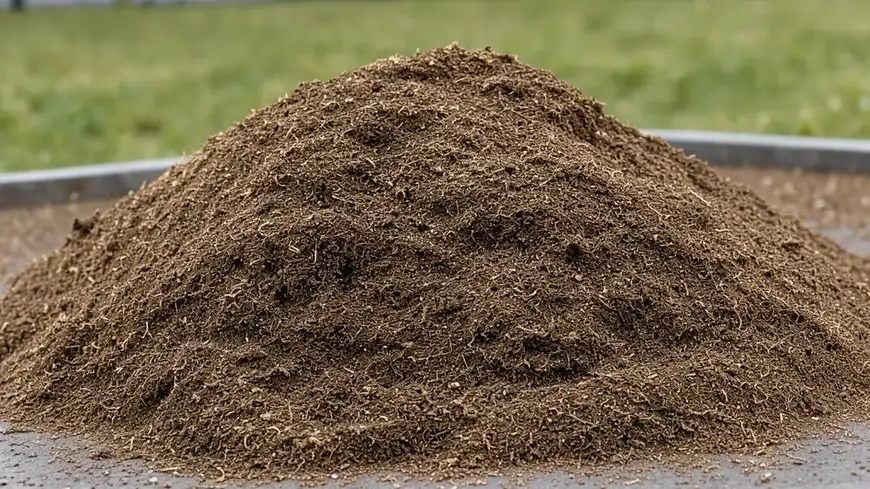
A cubic yard of mulch costs about $25 to $75 for standard bulk mulch, with specialty products commonly ranging from $40 to $100 per yard. The final bill depends on material, region, delivery distance, seasonal demand, and the depth you need.
A cubic yard measures volume, not weight. It equals 27 cubic feet, which is enough to cover 324 square feet at a 1-inch depth, 162 square feet at 2 inches, or 108 square feet at 3 inches.
Most landscape beds get about 2 to 3 inches of mulch. A thin 1-inch layer fades quickly and leaves soil exposed, while a deeper layer can hold too much moisture against stems and tree trunks.
| Mulch Type | Typical Bulk Price Per Cubic Yard | What Affects The Price |
|---|---|---|
| Shredded hardwood | $25–$55 | Local supply, screening, color |
| Cedar | $35–$75 | Scent, insect resistance claims, region |
| Pine bark | $30–$65 | Nugget or shredded form |
| Dyed wood mulch | $30–$70 | Dye color, processing, brand |
| Compost or leaf mulch | $25–$60 | Screening and local availability |
| Rubber mulch | $80–$150 | Manufacturing, color, delivery weight |
| Premium decorative bark | $50–$100+ | Large nuggets, clean appearance, rarity |
These ranges cover common retail and landscape-supply pricing, not a guaranteed quote. A supplier near a sawmill may charge less for hardwood, while a city delivery area may add a hefty transportation fee.
If you’re unsure about quantity, use a reliable mulch amount calculator before calling suppliers. A bed measuring 20 feet by 10 feet needs about 0.6 cubic yards at 2 inches deep, so buying a full yard leaves some extra for settling and touch-ups.
The price tag may show $35 per yard, but your invoice can include a minimum delivery charge, fuel fee, sales tax, or spreading fee. Ask for the delivered price before placing the order, because that number matters more than the material price alone.
A bulk order usually arrives loose in a dump truck or trailer. The supplier may unload it in one pile near the driveway, so you’ll need a shovel, wheelbarrow, or mulch fork to move it to the beds.
What Does Each Mulch Type Cost?
Shredded hardwood usually gives the lowest cost for general garden beds, while cedar, dyed products, rubber, and decorative bark cost more because processing and raw materials add expense. The right pick depends on appearance, moisture control, maintenance, and how long you want the surface to look fresh.
Shredded hardwood mulch
Shredded hardwood mulch usually costs $25 to $55 per cubic yard and works well for flower beds, shrubs, and trees. The small fibers lock together, so hardwood mulch stays put better than large bark nuggets on a sloped bed.
Fresh hardwood may look tan, gray, or medium brown, then darken and fade as weather breaks it down. Some suppliers sell natural hardwood, while others add black, brown, or red dye for a stronger color.
I usually favor natural shredded hardwood for a practical home bed because it costs less and blends into the yard as it ages. Colored mulch can look sharp near a front walk, but faded dye makes the bed look tired sooner than many homeowners expect.
Cedar mulch
Cedar mulch commonly costs $35 to $75 per cubic yard. Cedar has a light color and a noticeable smell, and many people choose it for ornamental beds where appearance matters more than the lowest price.
Cedar tends to be lighter than hardwood, so wind can move it around during the first few weeks. A 3-inch layer and a clean bed edge help keep it in place.
Claims about cedar naturally stopping insects get stretched. Cedar can smell strong and may discourage some pests for a while, but mulch isn’t a dependable substitute for pest control.
Pine bark and pine straw
Pine bark mulch usually costs $30 to $65 per cubic yard, depending on whether the product comes as shredded bark, mini nuggets, or large nuggets. Pine bark has a warm color and works well around acid-loving plants, though the mulch itself won’t quickly change established soil chemistry.
Pine straw sells by the bale rather than the cubic yard in many areas. It can cost less for large beds, but wind, rain, and foot traffic may require more frequent touch-ups.
Dyed wood mulch
Dyed mulch generally costs $30 to $70 per cubic yard. The wood base may be hardwood or another recycled wood product, and the color comes from added dye that can range from brown to black, red, or deep gold.
Ask the supplier what kind of wood is in the mix and how the dye is handled. Cheap, chunky material may contain oversized pieces that spread poorly, while screened material gives you a more even blanket.
Rubber mulch
Rubber mulch often costs $80 to $150 per cubic yard or more. The higher price comes from processing recycled tires, adding color, and transporting a heavy product.
Rubber mulch can last longer visually than wood mulch, but it doesn’t improve soil as it breaks down. I wouldn’t choose it for a vegetable garden or a bed where you want organic material to feed the soil.
Compost and leaf mulch
Compost or leaf mulch commonly costs $25 to $60 per cubic yard. These materials can improve soil texture as they break down, but they may look less polished than dyed wood around a formal entry bed.
A dark, screened compost mulch works nicely around perennials and shrubs. Avoid thick layers against plant crowns, because wet organic material can encourage rot.
How Do You Calculate Mulch Quantity and Total Cost?
Calculate mulch quantity by multiplying bed length by width, converting the result to square feet, and matching the area to your desired depth. Multiply the cubic yards needed by the supplier’s price, then add delivery and any spreading charge.
Use this formula:
Length in feet × width in feet × depth in feet ÷ 27 = cubic yards
Convert inches to feet before using the formula. Two inches equals 0.167 feet, and three inches equals 0.25 feet.
- Measure each bed’s length and width.
- Multiply those measurements to get square footage.
- Choose a depth, usually 2 or 3 inches.
- Convert depth from inches to feet.
- Multiply length, width, and depth.
- Divide the result by 27.
- Round up to the next practical order size.
A 12-foot by 18-foot bed covers 216 square feet. At 2 inches deep, the calculation comes to about 1.3 cubic yards, so ordering 1.5 yards gives you room for uneven ground and minor settling.
| Bed Area | 1 Inch Deep | 2 Inches Deep | 3 Inches Deep |
|---|---|---|---|
| 100 square feet | 0.3 yard | 0.6 yard | 0.9 yard |
| 200 square feet | 0.6 yard | 1.2 yards | 1.9 yards |
| 300 square feet | 0.9 yard | 1.9 yards | 2.8 yards |
| 500 square feet | 1.5 yards | 3.1 yards | 4.6 yards |
| 1,000 square feet | 3.1 yards | 6.2 yards | 9.3 yards |
Beds rarely form perfect rectangles. Split an L-shaped bed into smaller rectangles, calculate each piece, and add the results.
What if your bed has trees, rocks, or a curved edge? Measure the outside shape, then subtract large areas that won’t receive mulch, such as patios or dense groundcover.
Pro Tip: Order a little extra when the bed has dips, exposed roots, or a rough grade. A small leftover pile helps with settling and later repairs, while a shortage can force a second delivery.
Bulk mulch versus bagged mulch
Bulk mulch usually costs less per cubic yard, especially for orders above 2 cubic yards. Bagged mulch can make sense for a small bed, a backyard with tight access, or a project where you need to carry material by hand.
A common bag holds 2 cubic feet. Since a cubic yard contains 27 cubic feet, you need about 14 bags to equal one cubic yard, with the exact count depending on the labeled volume.
A $4 bag may sound cheap, but 14 bags cost about $56 before tax. Add the time spent loading and handling those bags, and bulk mulch may win for a medium or large bed.
For a careful comparison, use this bulk or bagged mulch cost guide and compare equal volumes rather than sticker prices. The cheapest bag on the shelf isn’t cheap if you need a dozen more than expected.
Moving mulch from the pile
One cubic yard of mulch may weigh anywhere from several hundred pounds to more than 1,000 pounds, depending on material moisture and density. You won’t move that mass in one load, but the pile still creates plenty of shovel work.
A standard wheelbarrow often carries 2 to 3 cubic feet when loaded safely. That means one cubic yard takes roughly 9 to 14 wheelbarrow loads, though a cautious load on uneven ground may increase the count.
Use this wheelbarrow load estimate when planning labor and time. A pile dropped at the street is a different job from a pile placed beside the garden gate.
I once ordered mulch for a bed that looked smaller from the driveway than it really was, then spent an afternoon stretching the last few loads across bare corners. The practical lesson was simple: measure first, and pay a little extra for enough material rather than trying to make a thin layer look full.
How Do Delivery, Labor, and Season Change the Price?
Delivery can add $50 to $150 or more to a mulch order, while spreading labor may add another charge based on bed size, access, and surface condition. A nearby supplier with a two-yard minimum may cost less than a distant seller offering a lower per-yard price.
Ask these questions before ordering:
- What is the total delivered price?
- Is there a minimum order?
- Does the truck reach the drop point?
- Is delivery priced by distance or by load?
- Does the quote include tax?
- Can the driver place the pile on a driveway without blocking access?
Delivery distance matters because mulch is bulky and low-priced compared with many landscape materials. A short local route may cost little, while a long trip can turn a bargain yard into an expensive one.
Truck access matters, too. A delivery truck may not fit through a narrow gate, cross a soft lawn, or place mulch beside a backyard bed. Confirm the drop location before the truck arrives, because moving a pile twice is nobody’s idea of a good Saturday.
Spring and early summer can bring higher demand in some regions. Fall may offer better availability, but local weather, supplier stock, and wood-processing schedules matter more than a simple seasonal rule.
Spreading mulch safely
Before shoveling, wear gloves and closed-toe shoes. Keep mulch away from hot equipment, open flames, and building vents, especially when the material is dry.
Spread mulch in a loose 2- to 3-inch layer. Pull the material several inches away from tree trunks and plant stems, creating a shallow donut instead of a volcano.
Thick mulch pressed against a trunk holds moisture against the bark and can invite decay, rodents, and insect damage. Around shrubs, leave the crown, where stems meet roots, uncovered.
Important Tip: Don’t bury sprinkler heads, drain covers, or low landscape lighting. Mark those items before spreading so future maintenance doesn’t turn into a muddy treasure hunt.
Use a rake for final leveling and a shovel or mulch fork for the main work. A wheelbarrow with one solid tire turns easily in tight spaces, while a two-wheel model feels steadier on flat ground.
Common Mulch Buying Mistakes and Fixes
The most expensive mulch mistakes usually involve wrong quantity, hidden delivery fees, poor material selection, or excessive depth. A five-minute phone call and a basic measurement can prevent most of them.
Buying by bag count alone
Bag labels can hide the real volume difference between products. Compare cubic feet per bag, not just the number of bags stacked on a pallet.
Fourteen 2-cubic-foot bags equal about one cubic yard. Eighteen 1.5-cubic-foot bags equal the same rough volume, so the lower bag count doesn’t automatically mean the lower cost.
Ordering too little
A thin layer may leave soil visible after rain and wind move the mulch. Ordering 10 to 15 percent extra can help with irregular beds, but don’t add a large cushion if the supplier has easy same-week delivery.
Choosing color over material
Black and red mulch can make flowers pop, but color won’t fix poor texture or oversized chunks. Check the material blend, screening, and freshness before paying extra for a bold shade.
Spreading mulch against trunks
A tall mound around a tree looks tidy for about five minutes. Then moisture stays trapped, bark remains damp, and the tree’s base takes unnecessary stress.
Ignoring old mulch
You don’t always need to remove last year’s mulch. Rake it thin, break up matted areas, and add only enough fresh material to reach the target depth.
Old mulch that smells sour, contains moldy clumps, or has become a dense crust may need removal. Bag the problem material and ask a local garden center how to handle it.
Pro Tip: Take a photo of the supplier’s mulch pile or sample before ordering a large load. Color and texture can vary from one batch to another, especially with natural wood products.
Key Takeaways:
- Standard bulk mulch usually costs $25 to $75 per cubic yard.
- Premium bark, cedar, and rubber mulch cost more because processing and materials differ.
- One cubic yard covers 162 square feet at 2 inches deep.
- Delivery and spreading can cost as much as the mulch itself on small orders.
- Compare bulk and bagged products by cubic feet, not package price.
FAQs About How Much Does a Cubic Yard of Mulch Cost
Is $50 a good price for a cubic yard of mulch?
Yes, $50 is a reasonable price for many standard bulk mulches, especially shredded hardwood or basic dyed wood. The price becomes less attractive if delivery adds another $100, so compare the full delivered total instead of the material-only rate.
How much area does one cubic yard of mulch cover?
One cubic yard covers about 324 square feet at 1 inch deep, 162 square feet at 2 inches, or 108 square feet at 3 inches. Uneven beds, settling, and waste can reduce actual coverage, so a small extra amount may help.
How many bags of mulch equal a cubic yard?
About 14 bags of 2-cubic-foot mulch equal one cubic yard because a cubic yard contains 27 cubic feet. Bags with 1.5 cubic feet require about 18 bags, so always read the volume printed on each package.
Is bulk mulch cheaper than bagged mulch?
Bulk mulch is usually cheaper per cubic yard for medium and large projects, while bagged mulch can cost less for a tiny bed. Bagged mulch also avoids a loose delivery pile, which may matter when access is tight or storage space is limited.
Should mulch be 2 or 3 inches deep?
Two inches works well for many established flower beds, while 3 inches gives stronger weed suppression and moisture control. Keep mulch away from trunks and stems, and avoid burying shallow-rooted plants or covering irrigation hardware.
Make Your Mulch Budget Hold Up
A fair mulch budget starts with the delivered price, not the number printed beside one cubic yard at the supplier. Standard hardwood often gives the best balance of cost, coverage, and easy spreading, while premium bark or cedar makes sense when appearance matters more.
Measure the beds, choose a realistic depth, and compare equal volumes before ordering. My clearest advice is to call two local suppliers with the same measurements and ask for the total price delivered to your exact drop point. That quick comparison can save money, prevent a thin finish, and leave you with a garden bed that looks finished instead of almost finished.

I’m Maya L. Greenwood, a lifelong plant lover who believes anyone can grow something beautiful with the right guidance. After years of testing soil mixes, pruning methods, irrigation tricks, and pest-safe solutions, I started EasyGardenTips.com to turn hard-won lessons into step-by-step advice. From seed starting and container gardens to composting and seasonal checklists, my goal is to make gardening simple, sustainable, and fun.


