
Figuring out why aerator shoes don’t work can seem tricky when you are starting out with lawn care. You might have seen them advertised and thought they were the solution, but they often leave you disappointed. Don’t worry, it’s a common problem, and this blog post will help you explore the real reasons. We’ll break down the facts in a simple, step-by-step way, so you’ll know exactly what to look for when choosing the right lawn care tools. Ready to learn?
The Basics of Lawn Aeration
Lawn aeration is all about getting air, water, and nutrients down to the roots of your grass. Think of it like giving your lawn a breath of fresh air. It helps your grass grow strong and healthy. There are different ways to aerate your lawn, but the goal is always the same: to reduce soil compaction and improve the overall health of your turf. This is essential, particularly in areas with heavy clay soils or high foot traffic. It allows the roots to spread and absorb the things they need to thrive. If the soil is too compacted, it can choke the roots, and the grass will struggle. That is why aeration is essential for lush, green lawns. Let us consider the common issues that can occur when aerating your lawn.
What Soil Compaction Is and Why It Matters
Soil compaction happens when the soil particles are squeezed together, leaving little space for air and water. Imagine trying to breathe through a thick, clogged straw. That is what it is like for grass roots in compacted soil. Common things like walking on your lawn, using heavy equipment, and even natural processes like rain can compact the soil. This makes it difficult for roots to grow and absorb nutrients, leading to weak and unhealthy grass. The good news is that you can fix this problem and help your lawn flourish. It is a critical aspect for the health of your lawn.
- Reduced Air Circulation: Compacted soil limits the amount of air that reaches the roots. This hinders respiration, which is essential for root health. If the roots cannot breathe, the whole plant suffers.
- Poor Water Absorption: Compacted soil prevents water from penetrating deep into the soil. As a result, the roots may dry out, even after watering, and the grass becomes stressed.
- Nutrient Deficiency: When the soil is compacted, it is difficult for roots to absorb the nutrients from the soil. This can lead to yellowing, slow growth, and other signs of nutrient deficiency.
- Increased Thatch Buildup: Compacted soil often leads to a buildup of thatch, which is a layer of dead grass and organic matter that sits on the soil surface. Too much thatch can suffocate the grass and prevent water and nutrients from getting to the roots.
- Weak Root Development: The roots will struggle to grow down through compacted soil. This leads to shallow root systems, which make the lawn more susceptible to drought and other stresses.
For example, if you live in an area with a lot of foot traffic on your lawn, you are more likely to have compacted soil. Children playing, pets running around, or simply walking across the lawn regularly can lead to this issue. Using heavy machinery, such as lawn mowers or tractors, also contributes to soil compaction. This means your grass will struggle to grow unless you address the compaction issue.
How Core Aeration Works
Core aeration is a method of removing small plugs of soil from your lawn. These plugs are typically about half an inch to an inch in diameter and several inches long. The removal of these soil cores creates space in the soil, allowing air, water, and nutrients to reach the roots of the grass. Core aeration is the most effective type of aeration because it physically removes soil, which helps relieve compaction. After aeration, the grass will be able to breathe, drink, and eat better. It is one of the most beneficial things you can do for your lawn, especially if it is in a high-traffic area. The process is not overly complicated, but it is often better to use a dedicated machine for it.
- Soil Plug Removal: Core aerators use hollow tines to extract small cores of soil, creating holes throughout the lawn. This is how they address compaction.
- Improved Oxygen Flow: The holes created by core aeration allow for better air circulation in the soil, which is essential for healthy root growth.
- Enhanced Water Penetration: With less compaction, water can easily reach the roots, preventing drought stress and promoting healthier growth.
- Nutrient Delivery: Aeration helps improve the absorption of nutrients, leading to lush, green grass.
- Thatch Control: Core aeration can help manage thatch buildup. The plugs pulled from the soil contain thatch, and removing this can help improve the overall health of the lawn.
A recent study found that lawns that underwent core aeration experienced a 40% increase in water absorption compared to lawns that were not aerated. This is a very significant difference that underscores the benefits of this lawn-care practice. Another case study shows that a homeowner aerated their lawn in the spring and fall and noticed a significant improvement in the lawn’s health, including a reduction in thatch, denser grass, and fewer weeds.
Dethatching: Clearing the Way
Dethatching involves removing the layer of dead grass, roots, and organic matter that can build up on the surface of your lawn. This layer, known as thatch, can prevent water, air, and nutrients from reaching the soil and the roots of your grass. Thatch can become a problem if it exceeds about half an inch thick. Dethatching is essential for removing this barrier and allowing your lawn to breathe and thrive. It is often done before or after aeration to maximize the benefits. Dethatching can also make your lawn more resistant to disease and pests. This often goes hand in hand with the process of aeration.
- Improved Water and Nutrient Absorption: Dethatching removes the barrier of thatch, allowing water and nutrients to reach the soil and grass roots more easily.
- Enhanced Air Circulation: Removing thatch allows air to circulate more freely, promoting healthy root growth and reducing the risk of fungal diseases.
- Reduced Pest and Disease Problems: Thick thatch can harbor pests and diseases. Removing thatch can reduce these issues and keep your lawn healthy.
- Better Seed-to-Soil Contact: If you are overseeding your lawn, dethatching helps ensure that grass seeds make good contact with the soil, increasing the chances of successful germination.
- Stronger, Healthier Grass: By removing thatch, you encourage healthier grass growth, which is more resistant to stress and damage.
One example of the benefits of dethatching is seen in areas where heavy thatch buildup has been a problem. After dethatching, the lawn showed a remarkable improvement in water absorption, reducing the need for frequent watering. In another case, a homeowner used a dethatcher before reseeding, which resulted in a much higher germination rate and a fuller, greener lawn compared to previous attempts without dethatching. The cost of a dethatcher tool is often a small price to pay for what can be achieved in your lawn.
Why Aerator Shoes Fail
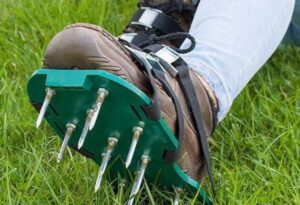
You may be asking why aerator shoes are not a good option. The answer involves understanding what they can and cannot do. Aerator shoes are basically sandals or shoes with spikes attached to the soles. The idea is that as you walk, the spikes will poke holes in the ground, aerating the lawn. However, the reality is that they often fail to provide the benefits of proper aeration. Let us consider the various reasons why. The truth about aerator shoes is not pretty.
Surface Aeration vs. Deep Aeration
The main issue with aerator shoes is that they only scratch the surface of the soil. The spikes on the shoes are typically short and do not penetrate deep enough to address soil compaction. Effective aeration requires the removal of soil cores or creating deep enough holes for air, water, and nutrients to reach the root zone. Aerator shoes simply do not provide this level of penetration. They can be compared to a light massage, while core aeration is like a deep tissue treatment. The surface level aeration that aerator shoes provide does not deliver the results that you want.
- Shallow Penetration: The spikes on aerator shoes usually only penetrate an inch or two into the soil. They are not deep enough to deal with compaction issues.
- Surface Disturbance: Instead of creating effective holes, the spikes on aerator shoes tend to push the soil sideways, causing more compaction.
- Limited Effectiveness: Due to their shallow penetration, aerator shoes provide very little in terms of real aeration benefits. The soil compaction remains.
- Inefficient for Heavy Compaction: They cannot make a difference on heavily compacted lawns.
- Poor Air and Water Penetration: The shallow holes they create are often too small and quickly close up.
Imagine trying to dig a hole with a toothpick. You might make a small indentation, but you would not be able to dig deep enough to have any real impact. Aerator shoes work in a similar way: they might scratch the surface, but they do not solve the underlying problem of soil compaction. A study found that aerator shoes did not significantly improve soil aeration or grass health compared to un-aerated control plots. In a comparison study, the surface aeration provided by aerator shoes did not show any noticeable improvement in water penetration compared to lawns with standard aeration practices.
The Problems of Ineffective Aeration
When you use tools that do not properly aerate your lawn, you are actually causing more harm than good. Ineffective aeration methods can lead to several problems, including surface compaction and minimal benefits for your grass. Proper aeration requires removing soil cores or creating deep channels that allow air, water, and nutrients to reach the roots of the grass. Using methods that do not achieve this can leave your lawn struggling. That is why understanding the limitations of the tools you use is essential for maintaining a healthy lawn. There can be a lot of wasted time and effort with the wrong tools.
- Continued Compaction: Aerator shoes can cause surface compaction by pushing the soil together instead of removing it.
- Limited Water and Nutrient Absorption: Without proper aeration, water and nutrients cannot reach the roots, leading to weak and unhealthy grass.
- Poor Root Development: Grass roots will struggle to grow in compacted soil, resulting in shallow root systems and stressed lawns.
- Increased Thatch Build-Up: Ineffective aeration can contribute to thatch build-up, further hindering the health of your lawn.
- No Improvement in Lawn Health: The overall health and appearance of your lawn will likely not improve with ineffective aeration.
For instance, let’s consider a homeowner using aerator shoes on a lawn with heavy clay soil. The shoes would likely not make a difference, and the soil would remain compacted. This homeowner might water and fertilize, but their lawn would still look weak and struggle. As a result, they may even think they are doing something wrong, when in fact, the aerator shoes are just not working. The key to fixing this issue is understanding what real aeration looks like and using the right tools.
Alternative Aeration Methods That Work
If you have decided that aerator shoes are not right for you, there are several methods that will give you better results. The most effective method is core aeration, which involves removing small plugs of soil from your lawn. This creates space for air, water, and nutrients to reach the roots of the grass. Another option is a spike aerator, which creates holes in the soil, although it is not as effective as core aeration. Depending on the size of your lawn, you can rent or buy aeration tools. It is an investment that will pay off for the long term health of your lawn.
- Core Aeration: This is the most effective method, involving the removal of small soil plugs. It is highly recommended.
- Spike Aeration: This method creates holes in the soil but is less effective than core aeration.
- Professional Lawn Care: Consider hiring a lawn care service that specializes in aeration and other lawn care tasks.
- Manual Aeration Tools: For small lawns, you can use manual core aerators.
- Lawn Aerator Machines: For larger lawns, there are motorized core aerators you can rent or buy.
Consider the difference in results: Core aeration, for example, can show a very noticeable change in your lawn’s health. The grass becomes thicker, greener, and more resistant to stress. The same cannot be said for aerator shoes, which do not show any real impact on the health of your lawn. When it comes to lawn care, the right tools make all the difference. When planning for your lawn care, you must weigh the upfront costs and the ongoing maintenance. But the results will be well worth it.
How to Identify a Compacted Lawn
Knowing whether your lawn is compacted is the first step toward better aeration. There are many signs you can look for to determine if your lawn needs aeration. Being able to tell if your lawn is compacted is essential for implementing the appropriate solutions to help your lawn thrive. If you ignore compaction issues, your lawn will likely suffer. Let us review some of the telltale signs that you are facing this problem.
Visual Signs of Compaction
There are several visual cues that indicate your lawn may be compacted. Look for areas of standing water after rain, as this suggests the soil is not draining properly. Also, pay attention to how your lawn looks and feels, such as when you walk on it. Knowing these signs will help you take action and improve the health of your lawn. You do not always need a test to tell if your lawn needs some care. Sometimes you just need to know what to look for.
- Standing Water: Water that puddles on your lawn after rain or watering. This means the soil is not draining properly.
- Thin or Sparse Grass: Areas of your lawn with thin or sparse grass may indicate compaction, since the roots cannot grow well.
- Hard Soil: The soil feels hard and difficult to penetrate. Use a screwdriver to see if it goes into the soil.
- Yellowing or Stunted Growth: The grass is yellowing, or the growth is slow, and there is a lack of nutrients.
- Increased Weed Growth: Compacted soil often favors weed growth over grass.
For example, if you notice that water sits on your lawn for hours after a rainstorm, it is a clear sign that the soil is not draining well. This is often caused by compaction. Another sign is if the grass is thin or sparse, especially in high-traffic areas. The compacted soil makes it hard for the grass roots to grow deep and healthy. You should know the common signs of soil compaction to make the correct moves.
The Screwdriver Test and Other Methods
The screwdriver test is a simple way to check for soil compaction. Simply push a screwdriver into the ground in several spots around your lawn. If it is difficult to push the screwdriver in, this is a sign that the soil is compacted. This is a very easy test to perform and can be the first step in assessing your lawn’s needs. The soil can be extremely difficult to penetrate if compacted. The screwdriver test is a quick and straightforward way to determine the level of compaction in your lawn. This will inform your decision about whether or not your lawn requires aeration. This is one of the most common ways to see if you have an issue.
- The Screwdriver Test: Push a screwdriver into the soil. If it is difficult to insert, the soil is likely compacted.
- Foot Traffic Test: Walk across your lawn. If your footprints stay visible, the soil is probably compacted.
- Water Absorption Test: Observe how quickly your lawn absorbs water. If water puddles, the soil is likely compacted.
- Look for Bare Patches: Compacted areas often have bare patches, as grass roots struggle to grow.
- Consult a Professional: Consider consulting a lawn care professional to get a soil analysis and expert advice.
If you are unsure whether your lawn is compacted, it is always a good idea to seek help from a lawn care expert. They can perform a soil test, which will give you a detailed analysis of your soil’s condition. For example, if you push a screwdriver into the soil and find that it only goes in a couple of inches, it’s a sign that the soil is tightly packed. This means that your lawn would likely benefit from aeration to improve its health. Professional analysis is the best route if you are not sure.
Best Practices for Lawn Aeration
Aeration is a very easy practice to get started with. The key is knowing how to do it correctly for the best results. Effective aeration ensures that your grass gets the air, water, and nutrients it needs to flourish. The timing, equipment, and follow-up care all play essential roles. Let us explore the best approaches to get the most out of your efforts.
Timing Aeration for Optimal Results
The timing of your aeration is important. The best time to aerate your lawn is generally during the growing season. This allows your grass to recover and fill in the holes created by aeration. You should consider the type of grass you have and your local climate. Aerating at the right time of year will give your lawn the best chance to recover and become a nice green space. Proper timing can play a significant role in your lawn’s overall health and appearance. It is a common question among beginner lawn care enthusiasts.
- Cool-Season Grasses: The best time is in the early spring or early fall. This allows the grass to recover during its peak growing periods.
- Warm-Season Grasses: The best time to aerate these grasses is usually in the late spring or early summer, allowing them to take advantage of the active growing season.
- Avoid Extreme Temperatures: Avoid aerating during periods of extreme heat or cold.
- Water Before Aeration: Water the lawn before aerating to soften the soil and make the process easier.
- Consider Overseeding: Aerate before overseeding to allow the seeds to have direct soil contact.
For example, if you live in a region with cool-season grasses, you would likely aerate in the fall. The slightly cooler temperatures and increased rainfall in the fall provide ideal conditions for grass to recover and grow. In another example, warm-season grasses will benefit from aeration in late spring. This is when the grass is actively growing. By aerating at the right time, you are giving your lawn the best opportunity to thrive.
Choosing the Right Equipment
Choosing the correct equipment for aeration is essential for getting the job done effectively. The best option is a core aerator. This will remove soil plugs and create space for air, water, and nutrients. There are also spike aerators, but they are less effective. You can choose from manual or powered aerators, depending on your lawn’s size and your preference. Finding the correct equipment is the first step in getting the results that you want.
- Core Aerators: These machines remove plugs of soil, creating the best results. Core aerators are highly recommended for overall efficiency.
- Spike Aerators: Spike aerators are a good option, but less effective than core aerators.
- Manual Aerators: These tools are suitable for smaller lawns.
- Powered Aerators: Powered aerators are ideal for larger areas and make the job faster and easier.
- Rent or Buy: You can either rent or buy the equipment, depending on how often you plan to aerate.
You can find core aerators at most home improvement stores or equipment rental businesses. If you have a small lawn, a manual core aerator might be sufficient. If you have a larger lawn, you might want to rent a powered aerator for faster and easier results. Core aerators are consistently the best choice. For larger areas, consider renting a powered aerator, as it will save you time and energy. Knowing how to pick the right equipment can make all the difference in your lawn care success.
Post-Aeration Care
After aerating your lawn, it is important to provide proper care to ensure your grass recovers and thrives. This means watering, fertilizing, and possibly overseeding, depending on your lawn’s condition. The right aftercare practices can help your lawn bounce back quickly. Following these steps ensures your lawn is able to repair and grow strong. These steps will help you maximize the benefits of aeration. If you make sure you follow the correct aftercare practices, your lawn will look fantastic.
- Water Thoroughly: Water your lawn immediately after aeration to help settle the soil and encourage root growth.
- Fertilize: Apply fertilizer after aeration to provide nutrients for the grass.
- Overseed: If necessary, overseed your lawn after aeration to fill in any thin areas.
- Mow Properly: Maintain a proper mowing height and avoid over-mowing.
- Monitor: Watch for any signs of stress and adjust your care as needed.
After aeration, you should water your lawn deeply to help the soil settle. You should then apply fertilizer to provide your grass with the nutrients it needs to recover. Overseeding can also be very beneficial. In one case, a homeowner fertilized their lawn after core aeration and saw a significant improvement in the grass density and color. Another homeowner, who combined aeration with overseeding, witnessed a marked increase in the overall health of their lawn. This showcases the importance of proper post-aeration care.
Frequently Asked Questions
Question: How often should I aerate my lawn?
Answer: It depends on your soil and lawn conditions, but generally, you should aerate once a year, or twice for heavily compacted lawns.
Question: Can I aerate my lawn too much?
Answer: Aerating too frequently can disturb your lawn, so stick to the recommended schedule.
Question: What is the best type of aerator to use?
Answer: A core aerator is the most effective type because it removes plugs of soil.
Question: Do I need to water my lawn after aeration?
Answer: Yes, watering after aeration helps settle the soil and encourages root growth.
Question: Can I aerate my lawn myself, or do I need a professional?
Answer: You can aerate your lawn yourself with the right equipment, or you can hire a professional for larger lawns or if you prefer.
Final Thoughts
As you can see, why aerator shoes don’t work is because they simply do not address the real issues of soil compaction. The spikes they use cannot penetrate deep enough, and the surface scratching is not an effective way to improve aeration. Understanding the basics of aeration and choosing the right tools is key to a healthy lawn. Core aeration, for example, is far superior because it removes small soil plugs, allowing air, water, and nutrients to reach the roots of your grass. Remember, a thriving lawn starts with a solid foundation. Now you know the truth about aerator shoes and how to achieve real results. So, next time you are out in your yard, consider giving your lawn the gift of proper aeration and watch it flourish!