
Picture this: the sun is shining, the mower hums, and every strip of grass looks freshly manicured.
Yet within minutes, the once-perfect lawn is littered with clumps of cut grass that need bagging or raking. It’s tiring, time-consuming, and hardly the effortless mowing experience most homeowners hope for.
Now imagine finishing your lawn without a single bag of waste. Instead of collecting clippings, the mower finely chops and redistributes them, turning every blade of grass into a natural fertilizer.
This is the science behind what is a mulching blade on a lawn mower, a small but powerful upgrade that transforms mowing into an eco-friendly process.
Mulching blades are designed to cut grass multiple times before releasing it back into the soil. The result is cleaner cuts, reduced yard waste, and healthier turf that grows greener over time.
According to Lawn Institute research, grass clippings left on lawns can provide up to 25% of the nutrients needed for healthy growth (thelawninstitute.org). Another study by Michigan State University found that mulching can cut annual fertilizer use by nearly 30% (msu.edu).
What Is a Mulching Blade on a Lawn Mower: Definition and Core Function
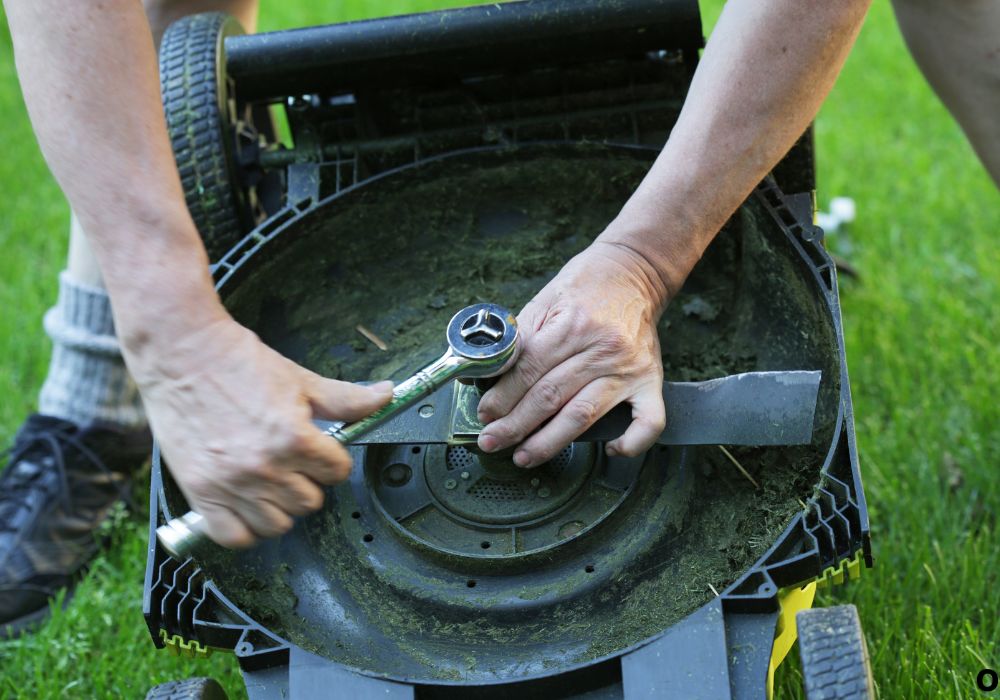
A mulching blade is a specially designed mower blade that finely chops grass clippings and redistributes them back onto the lawn as natural fertilizer.
Unlike a standard or high-lift blade that pushes clippings out of the deck for bagging or side discharge, a mulching blade keeps them circulating beneath the mower until they are shredded into microscopic pieces.
This design helps the clippings break down quickly, returning nitrogen and other vital nutrients to the soil.
The curved shape and wider cutting edge of a mulching blade create a more controlled airflow under the deck. This airflow recirculates the clippings multiple times, resulting in cleaner cuts and smoother lawn texture.
Most blades feature additional cutting surfaces or serrated edges that slice the grass repeatedly before releasing it. This process, known as grasscycling, not only reduces waste but also improves soil moisture retention and promotes thicker, greener growth.
When used correctly, mulching blades make lawn maintenance both efficient and eco-friendly. They eliminate the need for constant bag emptying, reduce landfill waste, and save money on fertilizers.
Understanding what is a mulching blade on a lawn mower helps homeowners achieve a professional-looking lawn while supporting a more sustainable mowing routine.
Mulching Blade vs Standard Blade: Key Differences
While both blades are designed to cut grass efficiently, their structure and airflow patterns set them apart in function and performance.
A standard or high-lift blade uses straight, aerodynamic edges to create strong suction that lifts and ejects grass clippings into a bag or out the side discharge chute. It focuses on producing a clean, single cut and moving material quickly out of the mower deck.
A mulching blade, on the other hand, features a curved shape with a wider surface and extra cutting edges.
This design generates a circulating airflow beneath the mower deck, allowing the blade to slice the same clippings multiple times before depositing them back onto the lawn. The finely shredded particles decompose faster, acting as a natural fertilizer that enhances soil health.
Mulching blades tend to have more drag and require slightly more power from the mower, but they greatly reduce the need for cleanup and fertilizer application.
Standard blades excel in tall or wet grass conditions where quick discharge is preferred, while mulching blades shine in regular maintenance scenarios.
Understanding these differences helps homeowners decide which blade type best fits their lawn’s size, terrain, and maintenance routine.
Benefits and Drawbacks of Using a Mulching Blade
A mulching blade offers several practical and environmental advantages that make it an essential tool for efficient lawn care. Its primary benefit lies in how it converts grass clippings into nutrient-rich mulch that feeds the soil naturally.
As the finely chopped clippings decompose, they return essential elements like nitrogen, phosphorus, and potassium—reducing the need for synthetic fertilizers.
According to The Lawn Institute, returning clippings to the soil can save homeowners up to 25% in annual fertilizer costs (thelawninstitute.org).
Mulching also enhances lawn health and moisture retention. The micro-clippings form a light protective layer that shades the soil, helping to conserve water during dry periods.
Additionally, mulching eliminates the hassle of collecting and disposing of grass bags, saving both time and storage space.
However, mulching has a few limitations. It works best on dry grass and with frequent mowing. Cutting wet or tall grass may lead to clumping or uneven distribution. The mower also requires more power to recirculate clippings, which can slightly increase fuel or battery use.
Despite these minor drawbacks, the long-term gains in soil quality, reduced waste, and time efficiency make mulching blades a smart and sustainable choice for most lawns.
How to Choose the Right Mulching Blade

Selecting the right mulching blade depends on mower compatibility, lawn conditions, and personal mowing preferences. The first step is to check your mower’s manual or manufacturer’s website for compatible blade sizes, deck width, and mounting hole patterns.
Using an incorrect blade can cause vibration, uneven cutting, or even damage to the mower’s spindle system.
For small or flat lawns, a standard mulching blade with a balanced curve is usually sufficient. It efficiently chops grass into fine particles while maintaining smooth airflow.
If your lawn frequently grows dense or tall grass, consider Gator-style mulching blades, which have serrated or “toothed” edges that improve shredding power and circulation. These are ideal for heavy-duty mowing and quick decomposition.
Another key factor is the deck design. Some mowers are engineered specifically for mulching, with internal baffles and plugs that enhance clipping recirculation.
If your mower supports a 3-in-1 function (mulch, bag, or side discharge), switching between blade types allows flexibility based on the season or lawn needs.
Lastly, evaluate your grass type and mowing frequency. Frequent mowing with sharp blades ensures even distribution and prevents clumping. By matching blade design to lawn conditions, homeowners can achieve consistent performance, cleaner cuts, and long-term soil enrichment.
Proper Use and Maintenance of Mulching Blades
Using and maintaining a mulching blade correctly ensures optimal cutting performance, cleaner results, and longer equipment life. The key lies in understanding when and how to mulch, along with consistent upkeep to keep the blade in prime condition.
For best results, mow frequently and avoid cutting more than one-third of the grass height at a time. This keeps clippings small enough to decompose quickly without forming clumps.
Mowing dry grass allows the blade to circulate air efficiently, preventing wet clippings from sticking under the deck. Regular cleaning of the mower deck also enhances airflow, which is essential for the mulching process.
Sharpening the blade every 20 to 25 hours of use maintains clean cuts and reduces engine strain. Dull edges tear grass instead of slicing it, leading to frayed tips and a dull lawn appearance. Balanced blades are equally important to minimize vibration and spindle wear.
Before performing maintenance, always disconnect the spark plug or remove the battery for safety. Inspect the blade for cracks or thinning edges and replace it if necessary.
Proper care not only improves cutting precision but also maximizes the environmental and performance benefits of mulching, keeping lawns lush and healthy throughout the season.
Mulching vs Bagging vs Side Discharge: When to Use Each
Choosing between mulching, bagging, and side discharge depends on lawn conditions, grass type, and desired finish. Each method serves a unique purpose, and understanding when to use them helps maintain both the lawn’s appearance and long-term health.
Mulching is best for regular maintenance when grass growth is moderate and the lawn is dry. The mulching blade recycles clippings into fine particles that settle between grass blades and decompose, enriching the soil naturally.
It’s the most eco-friendly option, saving time, reducing landfill waste, and cutting fertilizer costs. However, it performs best with frequent mowing and dry conditions to prevent clumping.
Bagging is ideal when dealing with overgrown, wet, or diseased grass. It collects clippings for immediate disposal, leaving the yard spotless. This method also helps minimize the spread of fungal spores or weeds but requires more effort and regular emptying of the bag.
Side discharge works well for tall or coarse grass when quick cutting is needed. It expels clippings out of the deck to prevent clogging but can leave visible rows of debris. For rough terrain or infrequent mowing schedules, it offers a practical balance between speed and efficiency.
By switching between these methods based on mowing conditions, homeowners can maintain a consistently clean and healthy lawn all season long.
Future Trends and Innovations in Mulching Blades
The design of the mulching blade continues to evolve as manufacturers focus on improving cutting precision, durability, and energy efficiency.
Modern blades now feature advanced aerodynamic designs that optimize airflow beneath the deck, allowing clippings to circulate longer for finer cuts without increasing drag.
This innovation is especially important for battery-powered mowers, where energy efficiency directly affects runtime.
New materials and coatings are also shaping the future of mulching. Blades constructed from hardened steel alloys or coated with anti-corrosion finishes stay sharper longer and resist rust caused by moisture and debris.
Some brands are even experimenting with titanium or ceramic edges to reduce wear and extend sharpening intervals, giving users cleaner cuts with less maintenance.
Another growing trend is the development of smart mower systems that automatically adjust blade speed and torque based on grass thickness. This adaptive technology ensures consistent mulching quality while conserving power.
Additionally, eco-conscious homeowners are driving demand for sustainable lawn care tools, encouraging brands to design recyclable, long-lasting blades that minimize environmental impact.
As technology advances, mulching will continue to combine convenience, performance, and sustainability—making it a vital feature for the next generation of lawn mowers.
These innovations are redefining what homeowners can expect from a cleaner, greener mowing experience.
Conclusion
A mulching blade is far more than just another mower attachment — it’s a tool that turns routine lawn care into a sustainable practice. By finely cutting and redistributing clippings, it transforms waste into a natural fertilizer that enriches the soil and keeps grass vibrant.
Unlike standard or high-lift blades, it offers a cleaner finish, better moisture retention, and significant savings on fertilizer and disposal costs.
Throughout this guide, we explored what is a mulching blade on a lawn mower, how it works, and the key differences that set it apart from other blade types.
We also discussed how to choose the right blade, when to use mulching versus bagging or side discharge, and the importance of regular maintenance for peak performance.
The future of mowing continues to lean toward smarter, more efficient, and eco-friendly designs. Whether you maintain a small urban yard or a sprawling landscape, investing in a quality mulching blade ensures a greener lawn and a cleaner environment.

I’m Maya L. Greenwood, a lifelong plant lover who believes anyone can grow something beautiful with the right guidance. After years of testing soil mixes, pruning methods, irrigation tricks, and pest-safe solutions, I started EasyGardenTips.com to turn hard-won lessons into step-by-step advice. From seed starting and container gardens to composting and seasonal checklists, my goal is to make gardening simple, sustainable, and fun.