
Every weekend, someone fires up their mower only to watch grass clippings fly into patios, windowsills, and unsuspecting bystanders. That mess isn’t just an annoyance—it’s often traced back to a simple yet critical part: the discharge chute.
What is mower discharge chute exactly, and why does its condition make the difference between a clean, safe lawn and chaos in your yard? That question holds the key to better mowing.
Imagine hitting a rock or twig unseen on the lawn. Once cut, that piece of debris can be shot out through the discharge chute at speeds over 200 mph, turning harmless items into dangerous projectiles. (MSU Extension)
Safety isn’t just theory. In the U.S., tens of thousands of people are treated each year for mower-related injuries, many tied to flying debris and mower parts. (ITT Blog | Integra LifeSciences)
Learning what is mower discharge chute and mastering its maintenance leads to safer mowing, fewer clogs, and less cleanup. Proper upkeep ensures the chute deflector and guard work correctly, preventing accidents and extending mower life.
Definition & Purpose of a Mower Discharge Chute
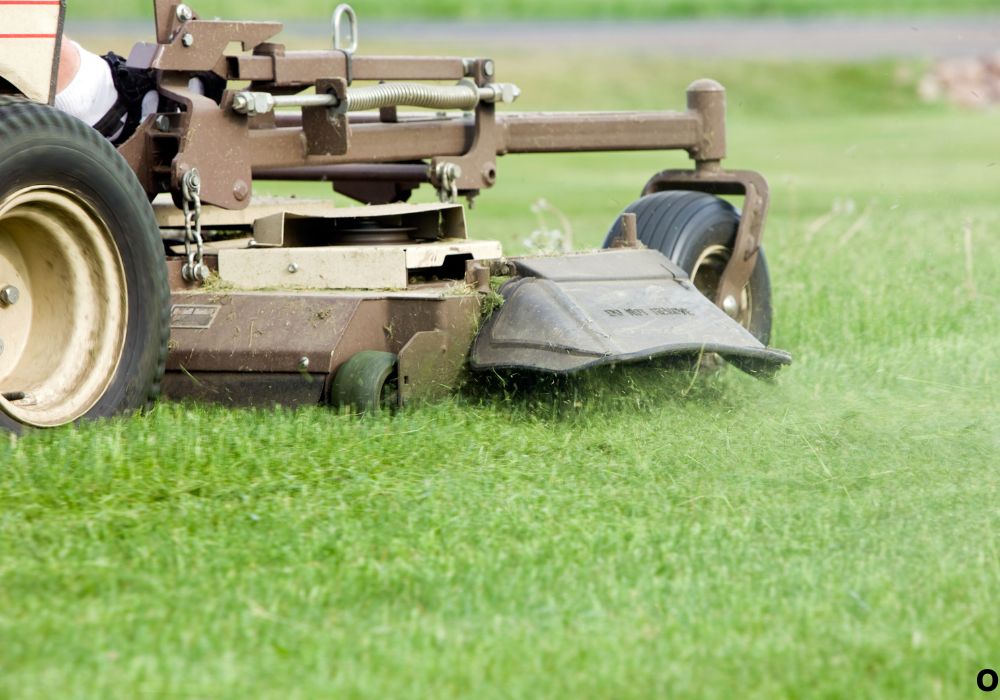
A mower discharge chute is a crucial component designed to direct grass clippings safely away from the cutting deck. It is typically a curved channel made of metal or durable plastic that guides the ejected material while preventing debris from striking the operator or nearby objects.
The primary purpose of the discharge chute is twofold: to manage the trajectory of cut grass and to protect against flying debris. Without a properly functioning chute, grass clumps can accumulate under the mower deck, causing clogging and uneven cuts.
In addition, rocks, sticks, and other small objects can become dangerous projectiles, posing significant injury risks.
Discharge chutes also play a role in controlling the overall efficiency of the mowing process. By channeling clippings away efficiently, they reduce the chance of re-cutting material, which can slow down mowing and create uneven distribution.
Many mowers include a deflector flap or chute guard to further enhance safety and control the speed and direction of ejected clippings.
Maintenance of the chute is vital for performance. Debris buildup or a misaligned chute can disrupt airflow, leading to clogs or erratic ejection.
Regular inspection ensures that the chute, flap, and guard are intact, properly positioned, and free from blockages.
Understanding the discharge chute’s function highlights its importance in achieving a clean, safe, and efficient mowing experience while preventing common hazards associated with improperly managed clippings.
How a Mower Discharge Chute Works
A mower discharge chute functions by channeling grass clippings and debris away from the cutting deck using airflow generated by the spinning blades.
As the blades cut, they create a low-pressure zone beneath the deck that lifts and propels the clippings toward the chute opening.
The shape and angle of the chute are designed to optimize this airflow, ensuring that cut material exits efficiently without clogging the deck.
A properly positioned chute deflector or flap controls the trajectory of the clippings, reducing the risk of damage to nearby objects or injury to the operator.
Different mower models may feature side or rear discharge configurations. Side discharge chutes eject clippings to the side, which is common for walk-behind mowers, while rear discharge designs direct clippings behind the mower, often used in riding mowers.
Some mowers include adjustable or flexible chute flaps, allowing users to control where clippings are deposited.
The discharge process relies on maintaining a balance between blade speed, deck height, and chute alignment. A misaligned or blocked chute disrupts airflow, causing clippings to back up, reducing cutting efficiency, and potentially overloading the engine.
Understanding how the discharge chute works highlights the importance of keeping it clean, properly aligned, and free from damage, ensuring both safety and optimal mowing performance.
Types and Variations of Discharge Chutes
Mower discharge chutes come in several types, each designed to meet different mowing needs and safety standards.\
The most common is the side discharge chute, which channels grass clippings to the side of the mower deck.
This design is ideal for walk-behind mowers and allows clippings to be spread across the lawn for even distribution.
Rear discharge chutes direct clippings behind the mower and are often found on riding mowers. They are useful for keeping clippings out of walkways or flowerbeds and can be combined with collection systems for easy disposal. Some models include mulching configurations, which block the chute temporarily to recirculate clippings back under the deck, finely chopping the grass to return nutrients to the lawn.
Material and design variations also exist. Many chutes are constructed from durable plastic for lightweight flexibility, while metal chutes offer extra strength against debris impact. Adjustable flaps or deflectors allow users to control the direction and distance of ejected clippings.
Proper understanding of the type of chute on a mower ensures the right maintenance and operation practices.
Selecting the correct chute for your mower type and lawn conditions not only enhances cutting performance but also reduces clogging risks and increases overall safety during operation.
Common Problems and Troubleshooting Chute Issues
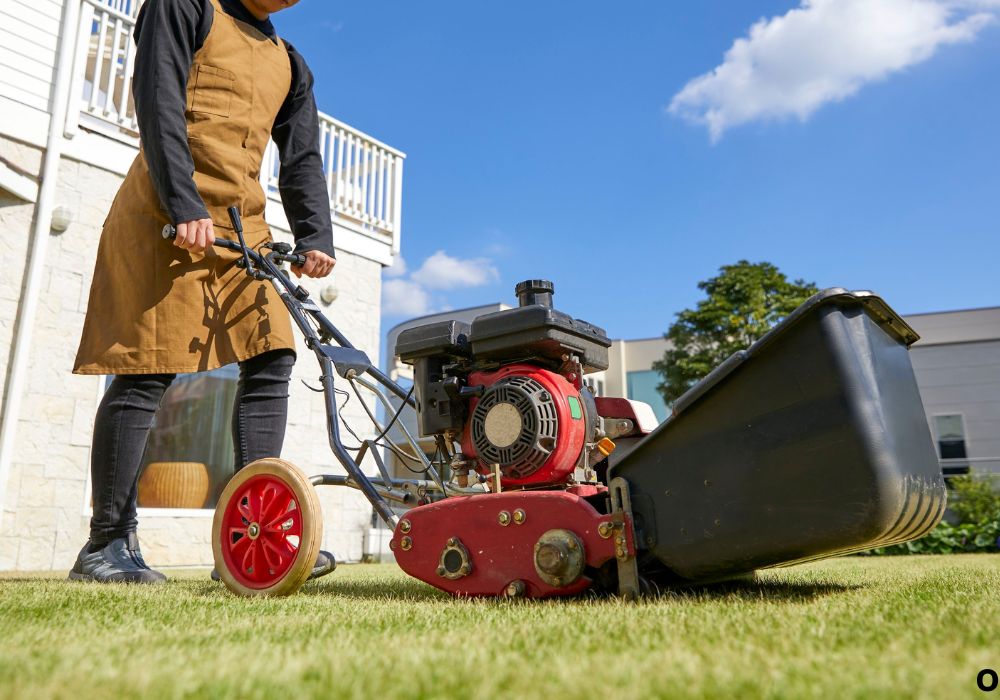
Discharge chutes are prone to several common problems that can affect mower performance and safety.
One frequent issue is clogging, often caused by wet grass, long clippings, or mowing at too slow a speed. A clogged chute prevents proper ejection, leading to uneven cuts and potential engine strain.
Another issue is damage or misalignment. Chutes can bend or crack if they hit rocks, roots, or other debris. A bent or broken chute disrupts airflow, causing clippings to accumulate under the deck and potentially creating hazardous projectiles.
Worn or loose chute guards and flaps can also reduce efficiency and safety. A missing or malfunctioning guard increases the risk of debris striking the operator or nearby objects.
Misaligned flaps may alter the direction of ejected clippings, leaving clumps on the lawn or hitting unintended areas.
Troubleshooting these problems begins with regular inspection and cleaning. Removing clippings after each mowing session, checking for cracks or bends, and ensuring all guards and flaps are securely attached can prevent most issues.
Proper maintenance of the discharge chute keeps the mower operating efficiently, reduces hazards, and prolongs the life of the mower deck and blade system.
Maintenance and Repair of a Mower Discharge Chute
Regular maintenance of the discharge chute is essential for safe and efficient mowing. Cleaning the chute after each use prevents grass buildup, which can lead to clogs and reduced airflow.
Using a brush, scraper, or garden hose helps remove stuck clippings and dirt without damaging the chute surface.
Inspecting the chute for cracks, bends, or worn areas ensures proper operation. Damaged chutes should be repaired or replaced promptly to maintain safety and performance.
Lubricating hinge points and flap mechanisms with light oil or silicone spray keeps the chute moving freely and prevents sticking.
Removing the chute for deeper cleaning or inspection can make maintenance easier. Ensure that all fasteners, guards, and deflectors are correctly positioned and secure before resuming mowing.
Consistent upkeep not only improves the efficiency of grass ejection but also reduces the risk of debris-related injuries. Proper maintenance extends the lifespan of the chute and ensures smoother mowing with fewer interruptions.
Safety Best Practices and Performance Tips
Using a mower discharge chute safely is crucial to prevent accidents and ensure optimal performance.
Always keep the chute guard and deflector in place to prevent rocks, sticks, and other debris from becoming dangerous projectiles. Never remove or prop open the chute during operation, as this bypasses the safety mechanism.
Pay attention to mowing direction and avoid areas where people, pets, or fragile objects are present. Adjust the chute angle or flap to control the trajectory of clippings, especially on slopes or near fences.
Regularly inspect the chute and surrounding components for damage, ensuring that all fasteners are tight and the chute is free from blockages.
Environmental conditions, such as wet grass or high winds, may affect the chute’s performance. Mowing during optimal conditions reduces clogging and improves cutting efficiency.
Following these best practices maintains safe operation, enhances grass dispersal, and prolongs the life of the mower and its discharge system.
Mulching vs Discharge — When to Use Which
Mowers often allow switching between discharge and mulching modes to suit different lawn conditions.
In discharge mode, clippings are ejected through the chute, which is ideal for tall or wet grass that might clog the deck. This mode keeps the mower deck clear and reduces the risk of engine strain.
Mulching mode blocks the discharge chute, recirculating clippings under the deck and cutting them into finer pieces. These finely chopped clippings return nutrients to the lawn, promoting soil health and reducing the need for additional fertilizer.
Choosing the right mode depends on mowing conditions, grass length, and desired lawn results. Using the discharge chute for heavy or wet growth prevents clogs, while mulching works best for regular, light mowing.
Understanding when to switch between these modes ensures both safety and optimal lawn care performance.
Conclusion
The mower discharge chute is a small but vital component that ensures safe, efficient, and effective mowing. Understanding what is mower discharge chute and how it functions allows homeowners to prevent clogs, control debris, and maintain a clean, even lawn.
Regular inspection, cleaning, and maintenance of the chute, flap, and guard help avoid common issues such as blockages, misalignment, and dangerous projectiles. Proper operation and adherence to safety practices minimize the risk of injury while improving mower performance.
Whether using side discharge, rear discharge, or mulching configurations, knowing how and when to use the chute enhances both lawn quality and mower longevity. Maintaining this critical part ensures that every mowing session is safer, more efficient, and hassle-free.
Homeowners are encouraged to check their mower discharge chute regularly, address any damage immediately, and follow proper mowing practices.
A well-maintained chute not only protects the operator and surroundings but also keeps the mower running smoothly season after season.

I’m Maya L. Greenwood, a lifelong plant lover who believes anyone can grow something beautiful with the right guidance. After years of testing soil mixes, pruning methods, irrigation tricks, and pest-safe solutions, I started EasyGardenTips.com to turn hard-won lessons into step-by-step advice. From seed starting and container gardens to composting and seasonal checklists, my goal is to make gardening simple, sustainable, and fun.