
Imagine stepping onto your lawn, only to find patches of yellowing grass, uneven growth, and an influx of weeds. This scenario often results from a simple yet overlooked factor: improper mower cutting height.
Many homeowners unknowingly damage their lawns by mowing at the wrong height, leading to stressed grass and increased vulnerability to weeds.
So, what exactly is mower cutting height, and why does it matter? Mower cutting height refers to the distance between the ground and the mower’s blade when set to its desired position.
The correct cutting height ensures optimal grass health, promotes root development, and reduces weed growth.
According to Denver Water, setting your mower to a height of 2.5 to 3 inches provides several benefits, including deeper root development and better drought resistance. (denverwater.org)
What Is Mower Cutting Height and Why It Matters
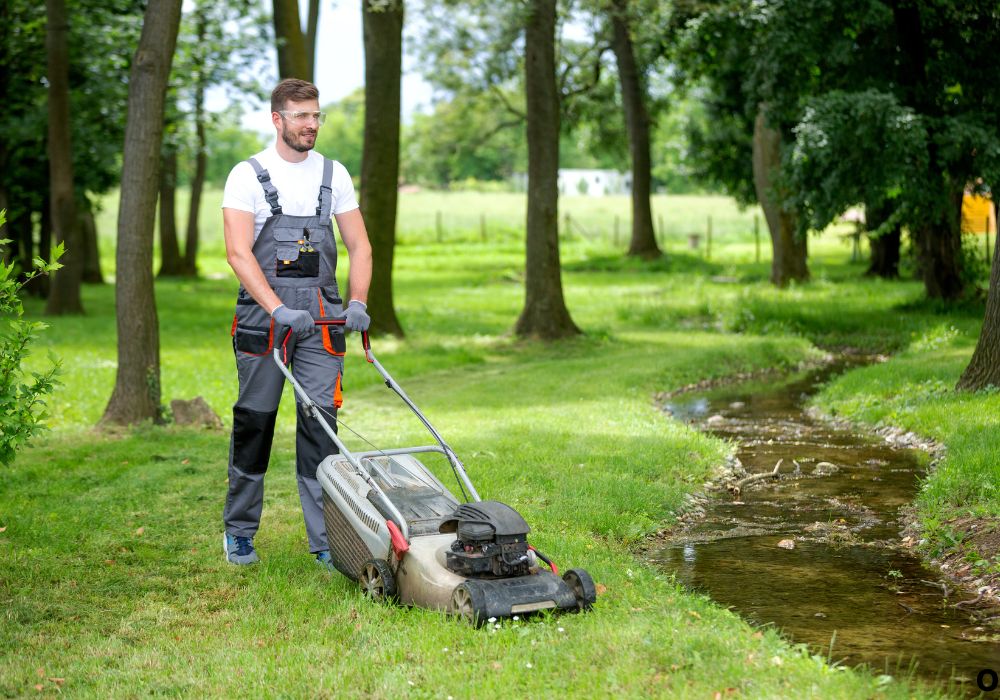
Mower cutting height is the distance between the ground and the mower blade when the deck is set to a particular level. This height determines how much of the grass blade is removed during each mowing session and directly affects the health of the lawn.
Maintaining the correct cutting height ensures that grass grows strong roots and develops a dense canopy, which helps resist weeds, drought, and disease.
Cutting grass too short can stress the lawn, leaving it vulnerable to pests and environmental damage, while cutting too high may result in uneven growth and reduced aesthetics.
Different grass types require different heights to thrive. For example, cool-season grasses like Kentucky bluegrass and fescues generally perform best when maintained at 2.5 to 3.5 inches, whereas warm-season grasses like Bermuda or Zoysia are healthier at 1.5 to 2.5 inches.
Seasonal adjustments are also important; raising the height during hot, dry months protects the grass crown, while slightly lower cuts in spring encourage new growth.
Proper cutting height also affects mower performance. A well-adjusted mower reduces clumping and minimizes engine strain, ensuring efficient grass ejection and an even cut.
Neglecting to set the correct height can lead to repeated mowing, uneven appearance, and increased maintenance time.
By understanding what mower cutting height is and why it matters, homeowners can achieve a healthier, more resilient lawn with less effort, while extending the life and efficiency of their mowing equipment.
Recommended Cutting Heights for Different Grass Types
Selecting the correct mower cutting height depends largely on the type of grass in your lawn. Cool-season grasses, such as Kentucky bluegrass, tall fescue, and perennial ryegrass, generally thrive when mowed between 2.5 and 3.5 inches.
This height encourages deep root development, retains soil moisture, and helps the lawn recover quickly from wear or environmental stress.
Warm-season grasses, including Bermuda, Zoysia, and St. Augustine, prefer slightly shorter cuts, typically between 1.5 and 2.5 inches. Maintaining this height supports dense growth, reduces weed encroachment, and prevents the grass from matting under high summer heat.
Seasonal adjustments are also important: raising the cutting height in summer helps protect against drought, while slightly lower cuts in spring encourage new growth and uniform green coverage.
Grass density, soil type, and climate can also influence the ideal cutting height. Thicker lawns or those in shaded areas may benefit from slightly taller settings to allow light penetration and airflow. Conversely, sandy or thin soils may require lower cuts to prevent grass from becoming leggy or stressed.
By tailoring mower cutting height to grass type and seasonal conditions, homeowners can maintain healthier, more resilient lawns.
Proper adjustment not only improves aesthetics but also reduces the risk of diseases, promotes efficient nutrient absorption, and ensures a smoother, more uniform mowing experience.
How to Measure Mower Cutting Height Accurately
Measuring mower cutting height correctly ensures that each mowing session maintains the lawn at the optimal level. Start by placing the mower on a flat, even surface such as a driveway or patio to avoid skewed measurements.
Use a tape measure or ruler to determine the distance from the ground to the blade’s lowest point. Ensure the mower is turned off and the spark plug disconnected before taking measurements to prevent accidental injury.
Check each wheel or adjustment point individually, as some mowers may have slightly uneven deck settings that affect cut consistency. Adjust the deck height via the lever, knob, or wheel mechanism according to your grass type and desired cutting height.
Perform a test mow on a small patch and inspect the results. Re-measure the grass height and adjust the mower deck as needed to achieve an even cut across the entire lawn.
Accurate measurement prevents over-cutting, which can stress grass and promote weed growth, and avoids under-cutting, which may leave a thick, uneven lawn.
Maintaining the correct cutting height improves root development, encourages dense growth, and ensures your mower operates efficiently without unnecessary strain or clumping. Regular measurement and adjustment are key to sustaining a healthy, visually appealing lawn.
The One-Third Rule: Why It Matters
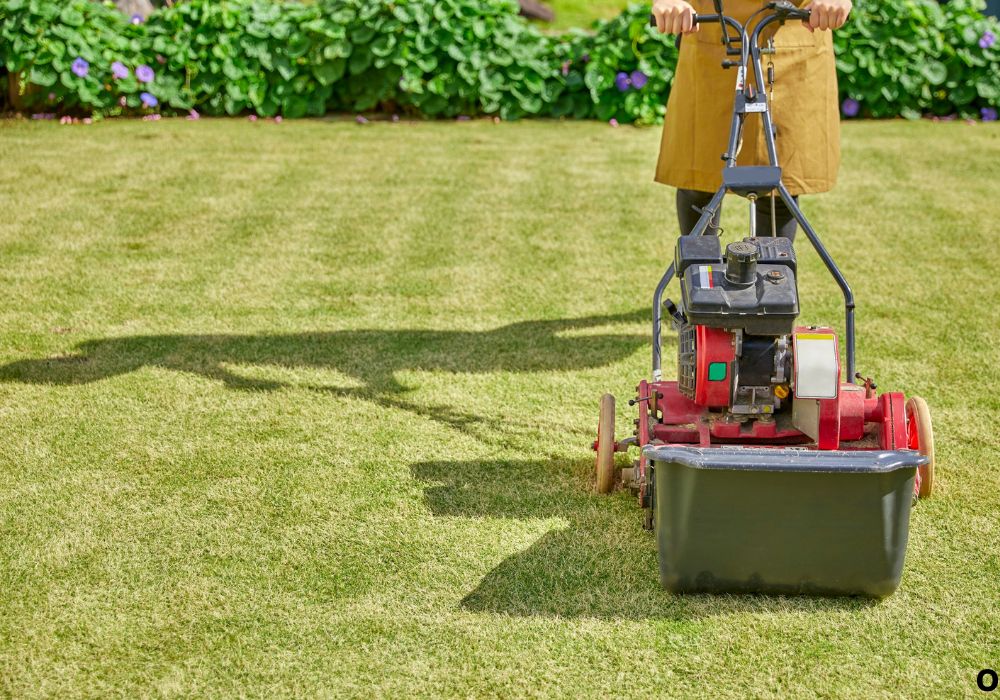
The one-third rule is a fundamental principle in lawn care, designed to prevent excessive stress on grass during mowing. It states that no more than one-third of the grass blade should be removed in a single mowing session.
Cutting more than this can shock the grass, causing it to wilt, turn brown, and become more susceptible to pests and disease.
Following the one-third rule encourages stronger root development and promotes a dense, healthy lawn that recovers quickly between mowing sessions.
For example, if your grass is four inches tall, set your mower to remove no more than approximately 1.25 inches in one cut. Adhering to this guideline reduces scalping, prevents uneven growth, and helps maintain uniformity across the lawn.
This principle also works in conjunction with seasonal adjustments and grass type considerations.
By combining proper cutting height with the one-third rule, homeowners can maintain optimal lawn health, reduce the risk of weed invasion, and ensure the grass remains resilient to environmental stressors throughout the year.
Implementing the one-third rule consistently improves mowing efficiency, minimizes the need for frequent maintenance, and enhances the overall aesthetic appeal of the lawn.
Seasonal Adjustments for Optimal Lawn Health
Adjusting mower cutting height according to the season is essential for maintaining a healthy lawn year-round. In spring, slightly shorter cuts help remove dormant grass and encourage new growth, giving the lawn a fresh start after winter dormancy.
During the hot summer months, raising the cutting height protects the grass crown from heat stress and reduces moisture loss, helping the lawn withstand drought conditions. Longer grass also shades the soil, limiting weed germination and promoting deeper root development.
In fall, moderate mowing heights prepare the lawn for winter dormancy while maintaining enough leaf surface for photosynthesis. During winter, mowing is rarely necessary, but if performed, keeping grass longer protects it from frost damage and foot traffic stress.
Seasonal adjustments not only enhance grass health but also improve overall lawn resilience, reduce fertilizer and watering needs, and prevent common stress-related problems.
By understanding how mower cutting height interacts with seasonal conditions, homeowners can ensure their lawn remains lush, vibrant, and resistant to disease throughout the year.
Common Mistakes and How to Avoid Them
Mowing at the wrong height is a frequent mistake that can harm your lawn’s health and appearance. Cutting grass too short stresses the blades, weakens the root system, and increases vulnerability to weeds and pests.
Infrequent mowing allows grass to grow excessively tall, making each subsequent cut more stressful and leaving uneven patches. Mowing wet grass can lead to clumping, uneven cuts, and soil compaction, which impairs root growth.
Another common error is ignoring the one-third rule, which can shock the grass and slow recovery. Using dull mower blades tears rather than cuts grass, resulting in ragged edges that are prone to disease and browning.
To avoid these mistakes, follow proper mowing schedules, adhere to the one-third rule, mow when the grass is dry, and keep blades sharp.
Consistently monitoring and adjusting mower cutting height based on grass type and seasonal conditions ensures a healthier, more resilient lawn with an even, attractive appearance.
How to Adjust Your Mower’s Cutting Height
Adjusting the mower cutting height properly ensures a consistent and healthy lawn. Most mowers feature height adjustment mechanisms such as levers, knobs, or wheel settings that allow precise control over deck height.
Start by locating the adjustment control on your mower and determine the desired height based on grass type, seasonal conditions, and the one-third rule. Raise or lower the mower deck evenly across all wheels or adjustment points to maintain a level cut.
After setting the height, perform a test mow on a small section to ensure the cut meets expectations. Check for uniformity and make any fine adjustments as needed before mowing the entire lawn.
Regularly verifying and adjusting mower cutting height prevents scalping, improves cutting efficiency, and promotes even growth. Following these steps helps maintain a vibrant, healthy lawn while ensuring the mower operates safely and effectively.
Additional Tips for Maintaining Lawn Health
Maintaining a healthy lawn requires more than just proper cutting height. Regularly sharpening mower blades ensures clean cuts, reducing stress on grass and preventing ragged edges that invite disease.
Alternating mowing patterns prevents grass from leaning in one direction and promotes upright, uniform growth. Deep, infrequent watering encourages strong root systems, making the lawn more resilient to drought and foot traffic.
Seasonal fertilization based on grass type and soil conditions provides essential nutrients for optimal growth. Removing clippings when excessive or using mulching techniques helps recycle nutrients while preventing thatch buildup.
By combining correct mower cutting height with these practices, homeowners can achieve a lush, dense lawn that withstands environmental stressors.
Consistent care reduces maintenance effort, minimizes weed invasion, and enhances the overall aesthetic and functional quality of the yard.
Conclusion
Understanding what is mower cutting height and how to adjust it correctly is essential for maintaining a healthy, vibrant lawn. Proper cutting height promotes deep root development, reduces weed growth, and ensures the grass remains resilient to environmental stressors.
By following recommended heights for your grass type, adhering to the one-third rule, and making seasonal adjustments, homeowners can achieve uniform growth and a visually appealing lawn.
Regular maintenance, including sharpening mower blades and alternating mowing patterns, further enhances lawn health and appearance.
Accurate measurement, consistent adjustments, and attention to seasonal conditions ensure the mower operates efficiently while minimizing stress on the grass.
Checking and maintaining the mower deck height not only improves cutting performance but also extends the life of your equipment.
Homeowners are encouraged to implement these best practices consistently. A well-maintained cutting height, combined with proper lawn care techniques, results in a lush, healthy, and durable lawn that looks great throughout the year.

I’m Maya L. Greenwood, a lifelong plant lover who believes anyone can grow something beautiful with the right guidance. After years of testing soil mixes, pruning methods, irrigation tricks, and pest-safe solutions, I started EasyGardenTips.com to turn hard-won lessons into step-by-step advice. From seed starting and container gardens to composting and seasonal checklists, my goal is to make gardening simple, sustainable, and fun.