
Imagine mowing a yard that takes twice as long as it should simply because the mower’s cutting path is too narrow. Every pass feels repetitive, and by the time the job is done, the weekend is already slipping away.
For many homeowners, this frustration stems from not understanding what deck size truly means and how it affects mowing efficiency.
The concept might sound simple, but the deck size of a lawn mower plays one of the most critical roles in determining how quickly and effectively you can maintain your yard.
A larger deck covers more ground per pass, while a smaller one offers better control around tight spaces and obstacles. Choosing the wrong size can lead to uneven cuts, wasted fuel, or even premature mower wear.
According to Tractor Supply, the deck size directly impacts mowing speed and the total number of passes needed to finish a lawn (tractorsupply.com).
Research from Consumer Reports also shows that wider decks can reduce mowing time by up to 40% on larger yards (consumerreports.org). These numbers highlight how a simple measurement can transform lawn care results.
What Is a Deck Size on a Lawn Mower
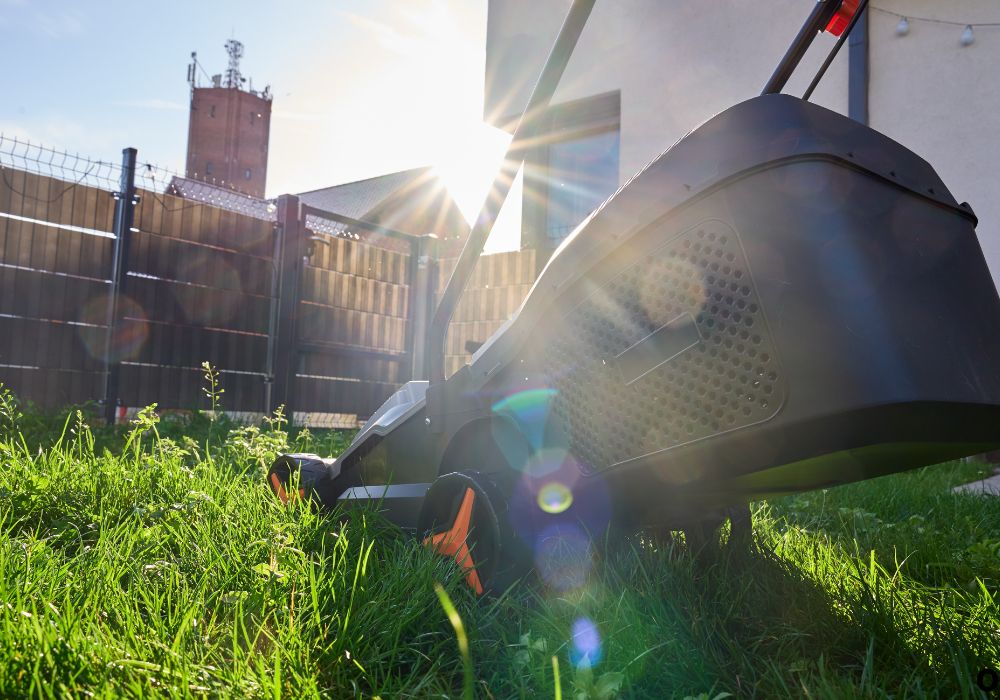
The deck size on a lawn mower refers to the width of the cutting area beneath the mower, measured in inches from one blade tip to the other.
It represents how much grass the mower can cut in a single pass, making it one of the most important factors that determine mowing speed, efficiency, and overall performance.
In simple terms, a larger deck size means fewer passes across the yard, while a smaller deck allows for greater precision and maneuverability in tight spaces.
The mower deck itself is a protective housing that encloses the blades and directs airflow to discharge or mulch the grass clippings. It plays a key role in maintaining even cutting height and grass distribution.
For example, a 42-inch deck can handle medium-sized lawns efficiently, while 60-inch or larger decks are better suited for large properties or commercial use.
The optimal size depends on yard layout, terrain, and the type of mower being used—walk-behind, riding, or zero-turn.
Choosing the right deck size directly impacts cutting consistency, fuel use, and mowing time. Understanding what is a deck size on a lawn mower ensures better results, longer equipment life, and a smoother, more professional-looking lawn every time.
How Deck Size Affects Performance and Efficiency
The deck size of a lawn mower directly determines how efficiently it cuts grass and how long it takes to finish mowing.
A larger deck covers more surface area per pass, allowing the mower to cut more grass in less time. This efficiency is especially noticeable on medium to large lawns, where fewer passes translate to shorter mowing sessions and reduced fuel or battery usage.
However, efficiency doesn’t just depend on width alone — it’s also influenced by deck design, airflow, and blade speed.
Wider decks, typically ranging from 48 to 60 inches, are ideal for open lawns with minimal obstacles. They create a broad cutting path that minimizes overlap between passes.
But for smaller yards or areas filled with trees, fences, or flowerbeds, smaller decks around 30 to 42 inches provide better maneuverability and control. They allow tighter turns and easier navigation in confined spaces without scalping or missing patches.
Engine power also plays a crucial role. A deck that’s too large for the engine can reduce cutting performance and strain the mower. Likewise, on uneven terrain, wide decks may cause uneven cuts if not properly leveled.
Understanding how deck size affects speed, control, and cut quality helps homeowners choose a mower that balances performance with precision for their specific yard type.
Deck Sizes by Mower Type and Yard Size
Different types of mowers come with deck sizes suited for specific yard dimensions, terrain, and usage patterns.
Walk-behind mowers typically feature deck sizes ranging from 20 to 48 inches, making them perfect for smaller lawns or areas with multiple obstacles. Their compact design allows for easy maneuvering around trees, gardens, and fences while maintaining precision.
For homeowners with yards under half an acre, a 21-inch deck is usually ideal for quick and accurate mowing.
Riding mowers and zero-turn mowers are designed for larger spaces and efficiency. Their deck sizes generally range from 30 to 72 inches, depending on the model and power capacity.
A 42-inch to 48-inch deck works well for lawns between half an acre and two acres, offering a balance between cutting width and maneuverability.
For properties over two acres, especially those with open, flat areas, decks between 54 and 60 inches can dramatically cut down mowing time.
However, bigger is not always better. Wide decks may struggle to navigate tight spaces, gates, or slopes and can require more storage space.
Matching deck size to yard size and layout ensures smoother operation, consistent cutting results, and minimal engine strain—key elements for efficient and long-lasting lawn care performance.
Deck Design and Material Considerations
The deck design and materials used in a lawn mower play a crucial role in determining durability, cut quality, and airflow performance. While the deck size defines how much grass can be cut in one pass, the design dictates how efficiently that grass is lifted, cut, and discharged.
Most decks are made from either stamped steel or fabricated steel, each with distinct strengths and weaknesses depending on the mowing environment and workload.
Stamped decks are formed from a single sheet of steel, offering smoother airflow and a cleaner finish on well-maintained lawns. They are generally lighter, more affordable, and ideal for residential mowing where durability demands are moderate.
In contrast, fabricated decks are welded together from heavy-gauge steel plates, providing superior strength and resistance to impact. These are often found on commercial mowers or models used for rough, uneven terrain where durability is a priority.
Beyond materials, design elements like baffles, spindles, and airflow chambers affect how evenly grass is cut and dispersed. Well-designed decks enhance suction, reduce clumping, and improve the overall mowing experience.
Choosing the right deck construction ensures not only longevity but also smoother performance—especially when matched properly with the mower’s power and deck size.
How to Choose the Right Deck Size

Choosing the correct deck size on a lawn mower is a balance between yard size, terrain, and the mower’s power capacity. The ideal deck size maximizes efficiency without sacrificing maneuverability or cut quality.
For smaller lawns under half an acre, a deck between 20 and 42 inches works best, offering precise control and easy navigation around trees, fences, and garden beds.
For medium yards between half an acre and two acres, a 42 to 48-inch deck provides an excellent mix of speed and flexibility.
Large open properties or fields above two acres benefit from 54 to 60-inch decks, which cover more ground per pass and significantly reduce mowing time.
Terrain also influences deck choice. If the lawn has slopes, bumps, or uneven surfaces, a slightly smaller deck improves traction and prevents scalping. For flat, open areas, a wider deck ensures faster coverage with minimal overlap.
Engine power must also match the chosen deck size — underpowered engines can struggle with wide decks, leading to inconsistent cuts or bogging down in thick grass.
Finally, consider storage space and gate width before buying. Larger decks may not fit through narrow gates or garage doors. Matching deck width to yard conditions and mower capabilities ensures efficient, safe, and long-lasting performance every season.
Future Trends and Innovations in Lawn Mower Decks
The future of lawn mower deck design is rapidly evolving as manufacturers integrate new materials, technology, and engineering to improve cutting precision, durability, and efficiency.
Modern innovations aim to reduce maintenance while enhancing performance for both residential and commercial users.
One of the biggest advancements is the introduction of aerodynamic deck designs that optimize airflow. These decks create better suction under the housing, lifting grass blades for cleaner and more consistent cuts.
Some newer models include adjustable baffles and airflow channels that adapt to grass height and density automatically, improving mulching and discharge performance.
Material innovation is another major trend. While traditional steel remains common, manufacturers are experimenting with composite and aluminum alloy decks that resist corrosion, reduce weight, and improve maneuverability.
These lighter materials make mowers easier to handle and extend deck lifespan, especially in humid or coastal climates.
Technology is also reshaping how decks perform. Smart sensor systems are being developed to detect cutting resistance, adjusting blade speed for optimal power use.
Additionally, battery-powered mowers are gaining wider decks and improved efficiency thanks to brushless motors and digital torque control.
As these innovations continue, future lawn mowers will not only cut faster and cleaner but also operate smarter and more sustainably — redefining what a well-designed deck can do for modern lawn care.
Conclusion
Understanding what is a deck size on a lawn mower is essential for anyone looking to achieve efficient, professional-quality mowing. The deck size determines how much grass is cut in a single pass and directly affects mowing time, precision, and overall performance.
Choosing the correct width for your lawn’s size and layout ensures smoother operation, better fuel efficiency, and consistent results throughout the season.
From compact 21-inch decks ideal for small city lawns to large 60-inch commercial models designed for wide, open fields, every mower’s deck serves a specific purpose.
Equally important are the materials and design — whether stamped steel for lighter residential use or fabricated steel for long-lasting durability. Matching these factors with engine power, yard terrain, and storage capacity creates a mower setup that works efficiently and lasts longer.
As deck technologies continue to evolve with smarter designs, lighter materials, and improved airflow systems, lawn maintenance is becoming faster, cleaner, and more eco-friendly. The right deck size not only saves time but also enhances the mowing experience itself.

I’m Maya L. Greenwood, a lifelong plant lover who believes anyone can grow something beautiful with the right guidance. After years of testing soil mixes, pruning methods, irrigation tricks, and pest-safe solutions, I started EasyGardenTips.com to turn hard-won lessons into step-by-step advice. From seed starting and container gardens to composting and seasonal checklists, my goal is to make gardening simple, sustainable, and fun.