
As the last leaves fall and your lawn takes its seasonal rest, your electric lawn mower deserves a break too. But tossing it into the shed and forgetting about it until spring can cost you — in performance, battery life, and even safety.
According to Consumer Reports, more than 40% of mower failures stem from poor off-season storage. Cold weather, trapped moisture, and neglect are silent enemies that can corrode metal parts, weaken batteries, and shorten your mower’s life span.
The good news? With just a few hours of attention, you can prepare your electric lawn mower for winter like a professional.
This guide breaks down the best method to store an electric lawn mower for winter, ensuring it stays clean, charged, and ready to roar back to life next season.
Why Proper Winter Storage Matters
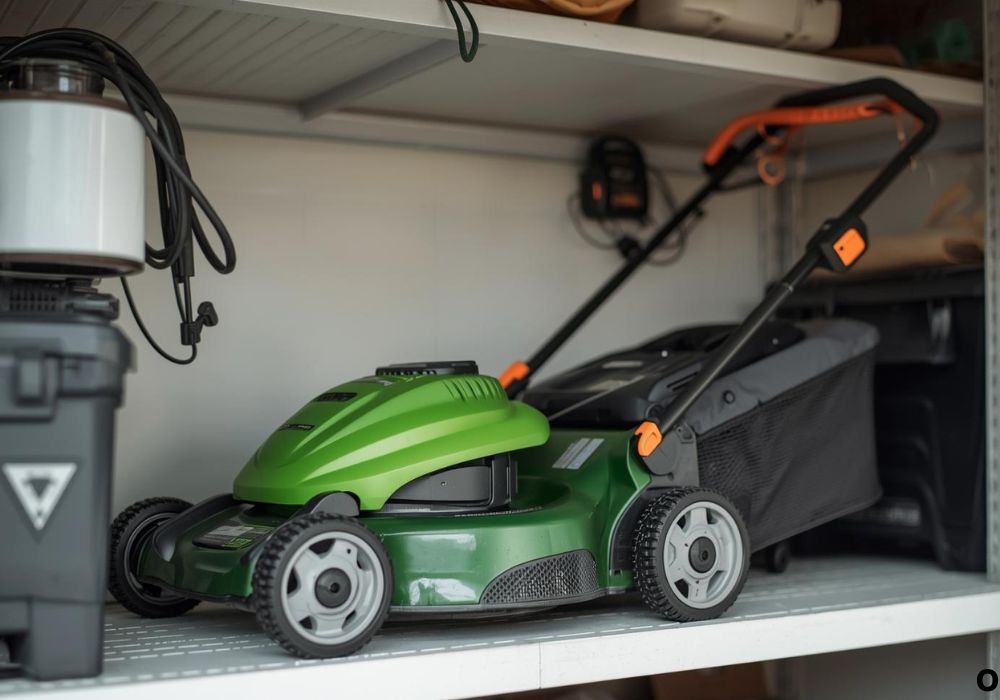
Most homeowners underestimate how quickly cold weather can affect electric-powered tools. When temperatures drop below freezing, condensation starts forming on metal and electrical components.
This moisture leads to rust, corroded connectors, and short circuits. Even sealed batteries can lose up to 20% of their charge if stored incorrectly.
Proper storage isn’t just about keeping your mower safe — it’s about extending its working life by several years.
Cleaning, drying, and removing the battery ensures both mechanical and electrical systems remain in top shape. Think of it as giving your mower an annual check-up to keep it performing efficiently for future seasons.
Moreover, safe storage helps prevent accidents. A plugged-in charger in a damp garage or a battery left in freezing conditions can become a fire or safety hazard. Storing your mower the right way means protecting your investment and your home.
Step-by-Step: The Best Method to Store an Electric Lawn Mower for Winter
Step 1: Clean Your Mower Thoroughly
Begin by disconnecting the mower from its power source or removing the battery. Then, remove any grass clippings, dirt, or debris under the deck and around the blades.
Dried grass holds moisture, which can cause rust or attract mold. Use a plastic scraper or a soft brush to avoid damaging the underside.
Once clean, wipe the mower body with a damp cloth. For stubborn grime, mix mild soap with water. Never spray water directly into electrical parts. Finish by drying it completely using a towel or air compressor.
Step 2: Remove and Store the Battery Indoors
The battery is the heart of your electric mower. Leaving it in a cold garage or shed can degrade its cells. Most electric mower manufacturers recommend storing the battery at 40–70°F (4–21°C) and keeping it partially charged (around 50–60%).
Remove the battery following your manufacturer’s instructions. Wipe it clean and store it in a dry indoor space away from direct sunlight or heat sources. Label the storage box so you can easily find it when spring returns.
Avoid storing the battery on concrete floors — the cold surface can drain charge faster. Instead, place it on a wooden shelf or inside a padded container.
Statistic: According to Battery University, lithium-ion batteries stored at room temperature with a 40–60% charge can retain up to 95% of their capacity after six months.
Step 3: Inspect and Maintain the Blades
Before storing your mower, check the condition of its blades. Look for dull edges, nicks, or rust spots. Sharpening the blades before storage saves time in spring and prevents corrosion.
If the blade has heavy rust or damage, remove it for replacement. Always wear gloves when handling blades and follow your manual for proper removal and installation.
Lightly coat the sharpened blades with oil or rust-preventive spray. This thin layer acts as a protective barrier against moisture in the air.
Step 4: Check Cords, Cables, and Connections
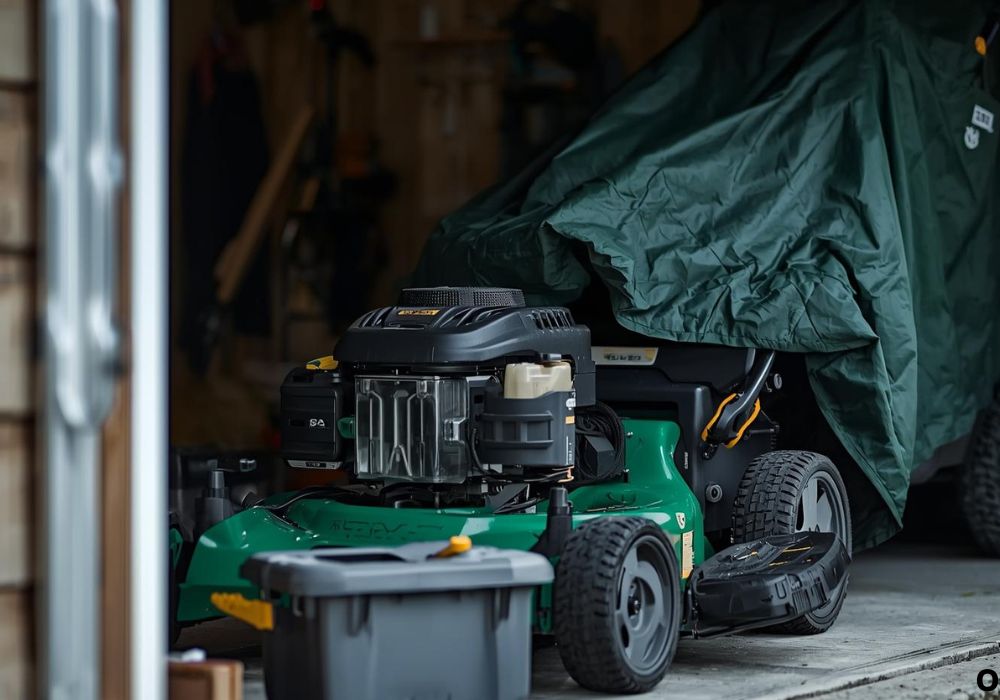
Electric cords often suffer from unnoticed damage over summer use. Inspect all wires, power cables, and plugs for cuts or fraying. Repair or replace damaged cords before storing the mower.
If you use a corded mower, coil the cord neatly without tight bends to prevent cracking. For cordless models, check terminals for corrosion. Clean them gently using a small brush and apply dielectric grease for protection.
This simple habit can save you from malfunctioning chargers and power losses when you start mowing again in spring.
Step 5: Fold and Secure the Handle
Fold down the mower handle to reduce space and prevent it from bending accidentally. If the mower has locking knobs or bolts, tighten them securely so nothing rattles during storage.
Wrap any loose cables around the handle to keep them tidy. Never store your mower resting on the handle or with weight pressing on it, as it may warp over time.
Step 6: Choose the Right Storage Location
The right environment can make or break your mower’s condition. Store your mower in a dry, cool, and dust-free location. Avoid unheated sheds or garages where temperatures frequently drop below freezing.
If you must store in an outdoor shed, use insulation or a heater to maintain a moderate temperature. Avoid placing the mower directly on concrete floors — instead, keep it elevated using wooden planks or shelves to prevent cold transfer.
Comparison Table:
| Storage Type | Pros | Cons |
| Garage (Heated) | Ideal temperature & protection | Takes space |
| Basement | Dry and temperature-stable | Hard to move in/out |
| Outdoor Shed | Convenient | Needs insulation |
| Storage Unit | Safe & secure | May cost extra |
Step 7: Cover Your Mower Properly
A breathable waterproof cover keeps dust, rodents, and moisture away. Avoid plastic wraps — they trap condensation, leading to rust. Instead, use a purpose-made mower cover or heavy-duty canvas.
If storing in a damp area, use moisture absorbers or silica gel packs to control humidity.
Place rodent deterrents (like peppermint oil cotton balls or sealed traps) nearby, as mice love to nest in warm mower compartments during winter.
Step 8: Store the Battery Charger Separately
Keep your battery charger in the same temperature-controlled room as the battery but store it separately to avoid short circuits. Clean dust off the terminals and coil cords loosely to prevent damage.
Label your charger and battery so they don’t get mixed with other tools. For long-term storage, disconnect any removable cords or adapters.
Step 9: Mid-Winter Checkup
Even during storage, your mower needs occasional attention. Once every four to six weeks, check for moisture, inspect the cover, and ensure there’s no rodent activity.
If it’s a battery-powered model, measure the charge level using your manufacturer’s app or indicator lights. Recharge lightly if it drops below 40%. This prevents deep discharge, which can permanently harm battery cells.
Step 10: Spring Revival — Getting Your Mower Ready Again
When the grass starts growing again, bring your mower out of hibernation carefully. Inspect it thoroughly before first use. Clean any dust buildup, reinstall the battery, and ensure all connections are tight.
Plug in the charger for a full recharge cycle, test the safety switch, and spin the blades manually to confirm there’s no friction.
If you stored it following these steps, your mower will start smoothly — no squeaking blades, no weak power, and no corrosion damage.
Battery Care Tips for Winter Storage
The battery needs special care during cold months. Below are expert-backed practices to keep it healthy:
- Keep Charge Between 50–60%: Full charge stresses cells; low charge causes deep discharge.
- Avoid Extreme Temperatures: Never store below freezing or above 90°F.
- Store Indoors: Garages can dip too low at night; use a dry closet or utility room.
- Use Battery Covers: Protective cases prevent dust and static buildup.
- Check Monthly: Plug it in briefly if the charge dips below 40%.
Following these guidelines can extend your battery’s life span by up to 2 years, saving money on replacements.
Where and How to Store an Electric Mower Safely
If you’re short on space, vertical storage is an option — but only for models designed for upright placement. Check your manufacturer’s label before doing this.
Avoid stacking heavy objects on top of your mower. The body and handles can deform under weight. Keep it away from chemicals, gasoline, or solvents, as fumes can damage rubber seals and electrical parts.
If your space is prone to dampness, consider installing a small dehumidifier. A dry environment keeps all components safe and corrosion-free.
Preventing Rodent and Moisture Damage
Rodents often chew wires, ruining your mower’s internal circuitry. Keep your storage area clean, free from food crumbs, and use deterrents like mothballs or peppermint oil.
For moisture control, add silica gel packets inside the mower’s cover or place a bucket of baking soda in the area. Regularly check for any sign of rust or droppings.
By taking small preventive measures, you avoid expensive electrical repairs when spring returns.
Maintenance Checklist Before Next Season
When winter ends, perform a quick maintenance check before using your mower:
- Inspect the blade and sharpen if needed.
- Clean dust or oil residue from the deck.
- Reinstall and fully charge the battery.
- Check tire pressure (if applicable).
- Run a 2–3 minute test at low speed to confirm smooth operation.
Completing this checklist ensures your mower is spring-ready and running like new.
Frequently Asked Questions About Winter Storage Made Simple
How long can an electric mower stay unused?
It can stay stored for 5–6 months if kept clean, dry, and charged correctly.
Should I remove the battery before storage?
Yes. Always remove and store it indoors to avoid cold-related damage.
Is it safe to keep my mower in the garage all winter?
Yes, if it’s dry and not freezing. Avoid damp corners near walls.
Can I cover my mower with plastic?
Avoid plastic wraps; use breathable fabric covers instead.
How often should I charge the battery during storage?
Check every 4–6 weeks. Recharge slightly if charge drops below 40%.
Do I need to sharpen blades before storage?
Yes. Sharp blades rust less and save time when mowing resumes.
What’s the best temperature for battery storage?
Between 40°F and 70°F is optimal.
Can rodents damage electric mowers?
Yes. Protect wiring with deterrents and store above ground level.
Can I store it outside if covered?
Only if absolutely necessary — use a heavy-duty waterproof cover and raised platform.
Should I disconnect the charger when not in use?
Always disconnect to avoid power surges and corrosion.
Do I need to lubricate parts before storing?
Yes, lightly oil moving components to prevent rust.
Will freezing weather damage my mower’s motor?
Yes, freezing temperatures can crack plastic and weaken seals.
Is it okay to hang the mower on a wall?
Yes, if your model allows vertical storage and no fluids are inside.
Can I use my mower again immediately after winter?
Yes, but first check battery levels and do a quick inspection.
How do I know my mower is ready for storage?
When it’s fully cleaned, battery removed, and covered — it’s winter-ready.
Conclusion
Proper winter storage is not just a chore — it’s a smart maintenance habit that pays off in durability, performance, and safety. Your electric lawn mower works hard all summer, so giving it a well-deserved rest keeps it healthy for years.
By cleaning, removing the battery, checking blades, and covering correctly, you protect it from the silent threats of cold, moisture, and corrosion. Whether you store it in your garage, shed, or basement, remember — the key is cleanliness, dryness, and care.
Come spring, when your neighbors struggle to revive rusty, dead mowers, yours will hum to life effortlessly. Store it right, and it will reward you with reliable performance season after season.

I’m Maya L. Greenwood, a lifelong plant lover who believes anyone can grow something beautiful with the right guidance. After years of testing soil mixes, pruning methods, irrigation tricks, and pest-safe solutions, I started EasyGardenTips.com to turn hard-won lessons into step-by-step advice. From seed starting and container gardens to composting and seasonal checklists, my goal is to make gardening simple, sustainable, and fun.