
Figuring out should i leave soil plugs is a common question for anyone starting a garden. It can be tricky because it feels like a small decision, but it can affect how your plants grow. Are those little soil clumps something you should mess with? Don’t worry, this guide will simplify everything. We’ll break down the pros and cons and give you a simple, step-by-step solution to help your plants thrive. First, let’s explore why those soil plugs can cause questions for new gardeners.
What Are Soil Plugs and Why They Matter
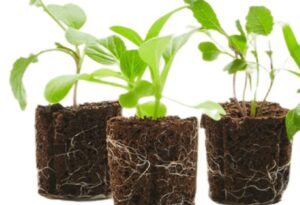
Soil plugs, sometimes called soil blocks or starter plugs, are those little clumps of soil that surround the roots of young plants you buy at a store or start yourself from seeds. They’re important because they help the delicate roots stay safe and moist. When you’re planting, you might wonder if you should leave them on or take them off. The answer isn’t always obvious, and it depends on a few things.
The Anatomy of a Soil Plug
Let’s explore the parts that make up a soil plug. These plugs are like tiny homes for young plants. They’re usually made of a mixture of peat moss, coir (coconut fiber), perlite, and vermiculite. These materials are chosen because they hold water well, allowing the roots to stay hydrated. Think of perlite as tiny, airy rocks that help the soil drain well. Vermiculite is similar, but it also holds onto nutrients. These are usually shaped to fit perfectly into the cell of your seed trays or nursery pots.
Understanding the components is key to grasping why soil plugs are important and how they benefit young plants. These plugs provide essential water and aeration for fragile roots.
- Peat Moss: A common ingredient in soil plugs. It is an excellent water retainer that helps keep the soil moist around the plant’s roots. It also has a slightly acidic pH, which is suitable for many plants.
- Coir (Coconut Fiber): Another water-retentive material, coir, is a sustainable alternative to peat moss. It also offers good aeration to the roots and resists compaction.
- Perlite: These small, white volcanic glass pieces improve drainage and aeration. Perlite is lightweight and allows air to circulate, which is essential for healthy root growth.
- Vermiculite: Similar to perlite, vermiculite also provides aeration, but it is more efficient at retaining nutrients, making them available to the plant’s roots.
The Benefits of Soil Plugs
Soil plugs offer several benefits for young plants. They act as a protective structure for the roots, which are very delicate. This means that when you’re moving a young plant, the roots stay intact. They also hold water and nutrients near the roots, which is super important for plants that are still growing. When you plant, the soil plug provides an environment that the plant is used to, which helps it deal with the shock of being moved. This lessens stress and allows the plant to grow faster. The material in soil plugs often helps with drainage and air flow around the roots.
- Protecting Delicate Roots: One of the main benefits is the physical protection the plug offers the root system.
- Providing Water and Nutrients: Soil plugs are designed to retain moisture and nutrients, providing a readily available source for the young plant.
- Reducing Transplant Shock: Plants experience stress when moved from one location to another.
- Improved Drainage and Aeration: The structure of soil plugs allows for better water drainage and air circulation around the roots.
Deciding Should I Leave Soil Plugs or Not: Factors to Consider
When you’re dealing with should i leave soil plugs, it’s not a one-size-fits-all answer. It comes down to a few things. You have to consider the type of plant, the weather, and what your garden soil is like. Also, how the plant was grown can make a difference. Some plants might be okay with the plug, while others prefer to have it removed. Taking the time to consider these factors helps you make the best decision for your plants. It increases the chance of happy, healthy plants.
The Plant’s Needs
Different plants have different root systems, which influences your choice. Some plants, like tomatoes and peppers, are okay with having their roots disturbed. Others, like beans and squash, do not like it. If you know how the plant reacts, you will know if you should try to keep the soil plug intact. Researching the plant’s specific needs before planting will help guide your decision.
- Plants That Tolerate Disturbance: Some plants are very resilient and can handle having their roots moved around a little. Examples are tomatoes, peppers, and most annual flowers. These plants can generally be planted with the soil plug intact or with a little bit broken up.
- Plants That Dislike Disturbance: Other plants, like root vegetables (carrots, beets), beans, and squash, are more sensitive to root disturbance. When planting these, carefully leave the soil plug to avoid harming the roots.
- Plants with Different Root Structures: Understanding the root structure helps you decide how to handle the soil plug. Plants with fibrous root systems, such as grasses, are more tolerant. Tap-rooted plants, like carrots, may struggle if their main root is damaged.
Soil Conditions and Climate
Your local environment matters when deciding what to do with soil plugs. If the soil in your garden is heavy clay, leaving the soil plug intact might worsen drainage. In hotter climates, the soil plug can help keep the plant’s roots cool and moist. In colder areas, the plug may trap excess moisture, which could harm roots. Knowing what your soil and climate are like will let you make the best choices for your plants. Proper adaptation to your soil and weather will increase the chances of healthy growth.
- Soil Type: Heavy clay soils can compact around the soil plug, hindering root growth and water drainage. Sandy soils tend to drain quickly, so keeping the soil plug intact can help retain moisture.
- Climate: In hot, dry climates, the soil plug can help keep the roots from drying out too fast. In cool, wet climates, it is important to ensure the soil plug does not retain excessive moisture, which can cause root rot.
- Weather Forecast: If you’re expecting a heat wave or heavy rain after planting, that could impact your decision. You may want to consider breaking up the plug for better drainage if heavy rain is coming, or keeping the plug intact if heat is expected.
The Type of Soil Plug
Different types of soil plugs can change how you approach planting. Some plugs are made from materials that break down easily, while others hold their shape for a long time. Some plugs are designed to break down quickly after planting to allow roots to grow out. Knowing about the type of plug helps you decide what’s best for the plant. Using the right method ensures that the plant is planted properly.
- Peat-Based Plugs: Peat-based plugs are very common and hold moisture well. They tend to break down over time. It’s often okay to leave these intact when planting.
- Coir-Based Plugs: Coir is made from coconut fibers, is sustainable, and also holds moisture. They work much the same way as peat-based plugs, and it is usually fine to leave them.
- Compressed Plugs: These are usually made from peat or coir, compressed into a small disc. They expand when watered. You can either plant these intact or gently break up the edges before planting.
Step-by-Step Guide: Planting With or Without Soil Plugs
Ready to start planting? Here’s how to plant, with or without the soil plug. We’ll explore two approaches to help you decide what to do when you plant your flowers and vegetables. This information will help you plant your plants properly.
Planting with the Soil Plug Intact
Planting with the soil plug intact is the easier method. It works well if the plant likes it. This way, the plant has a seamless transition. You can minimize stress and disturbance to the root system. This method is great for plants like tomatoes or peppers, as well as plants that may be sensitive.
- Dig the Hole: Dig a hole in your garden bed that is the same depth and width as the soil plug. Make sure the hole is big enough to easily accommodate the entire plug.
- Place the Plug: Gently place the soil plug with the plant into the hole. Make sure the top of the plug is level with or slightly below the soil surface. Do not plant the plug too deep, as it can cause stem rot.
- Backfill: Carefully fill in the space around the soil plug with soil. Gently pat the soil around the plant to help secure it. Do not compact the soil too much, as it will make it difficult for the roots to grow.
- Water Thoroughly: Water the plant deeply right after planting. This helps to settle the soil and give the plant the moisture it needs to start growing.
Planting without the Soil Plug
This is best for plants that do not like their roots disturbed. It’s good if your soil is heavy clay. This will help the roots spread out. You can gently break apart the soil plug. Just be careful not to damage the roots. This method is good for plants that may be sensitive, such as beans or squash.
- Gently Remove the Plug: Carefully take the plant from its container, gently squeezing the sides. If the roots are tightly packed, you might have to squeeze a bit more.
- Loosen the Roots: If the roots are tangled or circling the soil plug, carefully use your fingers or a small tool to gently loosen them. Try to spread the roots out a little so they can grow in the soil.
- Dig the Hole: Dig a hole in the garden bed wide enough for the roots to spread out. The hole should be deep enough that the top of the roots will be level with the soil.
- Place and Backfill: Place the plant into the hole. Spread the roots gently so they grow in their new space. Refill the hole with soil, patting it gently around the roots.
- Water Well: Water the plant after planting to settle the soil. Be sure to provide enough water for the plant’s needs.
Frequently Asked Questions
Question: Should I remove the soil plug if the plant is root-bound?
Answer: Yes, if the plant is root-bound (roots circling tightly), you should gently loosen the roots before planting. This encourages them to spread out into the surrounding soil.
Question: What if the soil plug is dry when I plant?
Answer: If the soil plug is dry, soak it in water for a few minutes before planting to rehydrate it. This gives the plant a better start.
Question: Is it always okay to leave the soil plug if the plant is healthy?
Answer: Generally, yes, it’s often fine to leave the plug. However, if your soil drains poorly or the plant dislikes root disturbance, removing the plug might be better.
Question: How can I tell if a plant doesn’t like having its soil plug removed?
Answer: If a plant wilts, stops growing, or shows signs of stress (like yellowing leaves) after planting without the plug, it may not have liked the disturbance.
Question: Does the size of the plant matter when deciding to remove the soil plug?
Answer: Yes, smaller plants might benefit from the plug’s protection. Larger plants with more developed root systems can often handle removal better.
Final Thoughts
Making the right choice about should i leave soil plugs is key for plant success. Remember, whether you keep the soil plug or not depends on the plant, your garden, and your soil. You now know the basics and know the factors to consider. By paying attention to the specific needs of your plants, you can ensure they get the best possible start. Following these guidelines, you’re well on your way to making confident planting decisions. Take some time to explore your plants’ needs. Good luck with your gardening. Happy planting!