
Getting your lawn lush and green can be tricky. One common step that often confuses beginners is when to put down grass seed after aerating your lawn. It seems simple, but getting the timing right is important for good results. Don’t worry, this guide will make it easy! We’ll explore the best practices to help you succeed when you decide to plant seed after aeration. You’ll learn the essential steps to a healthier lawn.
What is Aeration and Why is it Important?
Aeration is a lawn care task that involves creating small holes in your lawn. This can be done with a machine called an aerator or with tools like aerating shoes. These holes help improve the soil’s ability to breathe. This process is important because compacted soil can prevent water, air, and nutrients from reaching the roots of your grass. Aeration helps break up this compaction, allowing the roots to grow stronger and deeper. Stronger roots mean a healthier lawn that can better withstand pests, diseases, and heat. Regular aeration is a solid step toward a healthier and more vibrant lawn. Think of it as giving your lawn a breath of fresh air.
Types of Aeration
There are several methods used to aerate lawns, each with its own advantages. The most common types include core aeration and spike aeration. Both aim to improve soil conditions, but they do it in different ways. Knowing the differences is important for choosing the best method for your yard.
-
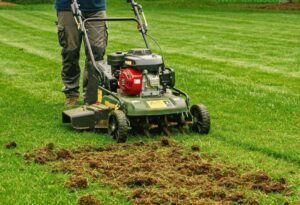
- Core Aeration: This is the most effective method, also known as plug aeration. It uses a machine to remove small cores of soil from the lawn. These cores, about 2-3 inches long, are left on the surface to break down naturally. This process creates small holes in the soil, allowing air, water, and nutrients to penetrate the root zone. This is often preferred because it removes soil, reducing compaction.
Core aeration is especially good for lawns that experience a lot of foot traffic or that have clay-heavy soil. The removal of soil plugs allows for improved air circulation and root development. The cores that are pulled up break down over time, enriching the soil. Because of its effectiveness, core aeration is often recommended as the first step before planting seed after aeration.
-
- Spike Aeration: This involves using tools or machines with solid tines that poke holes in the ground. Spike aeration can improve air circulation, but it doesn’t remove any soil. This is a less aggressive method, but it is useful for slightly compacted soils.
Spike aeration can provide some relief from compaction, particularly in less-trafficked areas. It’s often used as a more gentle approach. The holes created by spike aeration are smaller and less effective at reducing compaction compared to core aeration. It’s a good option for lawns that need light aeration but isn’t as effective as core aeration, especially when followed by planting seed after aeration.
-
- Liquid Aeration: This is a newer method using liquid products that help break down compacted soil. It is applied to the lawn and works by improving soil structure. Liquid aeration is not as effective as mechanical aeration but can still help improve soil conditions.
Liquid aeration uses products that help improve the structure of compacted soil, increasing air and water movement. While it can improve the soil, it isn’t as effective as core aeration. It’s often used as a supplementary treatment to help improve soil health. Liquid aeration can be a beneficial addition to your lawn care plan. This method is often used in combination with other aeration techniques or before planting seed after aeration.
The Ideal Timing for Seed After Aeration
The timing of when you plant seed after aeration is a vital part of the process. Aeration creates ideal conditions for grass seed to germinate and grow, but the timing affects success. Planting at the correct time ensures the seed has the best chance to take root and flourish. Good timing also makes sure you do not damage your newly aerated lawn. Let’s explore the best times and methods to achieve the best results.
Best Times to Aerate and Sow
Knowing the right time to aerate and sow grass seed depends on your grass type. Cool-season grasses thrive when planted in the fall. Warm-season grasses usually do best when seeded in the spring. Weather conditions, like soil temperature, are key factors. Planning around these factors greatly improves your chances of a healthy lawn.
-
- Fall Seeding: For cool-season grasses such as Kentucky bluegrass, fescue, and ryegrass, fall is the best time. The soil is still warm from the summer months, allowing seeds to germinate quickly. The cooler air temperatures that follow reduce stress on the new seedlings. The fall offers consistent rainfall, reducing the need for extensive watering.
The fall season provides ideal conditions for cool-season grasses, allowing them to establish strong roots before winter. This leads to a healthier lawn the following spring. Remember to aerate before you seed to improve the seed’s contact with the soil.
-
- Spring Seeding: Warm-season grasses, like Bermuda, zoysia, and St. Augustine, do well when planted in the spring. Soil temperatures rise, encouraging seed germination. Spring offers sufficient moisture, and the grass has the whole growing season to develop.
Spring seeding benefits from rising soil temperatures and ample moisture, giving warm-season grasses a head start. Aerate the soil before you start, and make sure the seedlings have time to establish before the summer heat. This is very important for a lush and green lawn.
-
- Avoid Summer Seeding: Seeding in the summer can be risky due to high temperatures and the risk of drought. Newly planted seeds need consistent moisture to survive. Intense heat makes it harder to keep the soil moist. Also, weeds grow fast in summer. They compete with grass seedlings for resources.
Extreme temperatures can be tough on seedlings. During the summer, it’s a good idea to delay planting grass seed. If you must seed in summer, water the new grass thoroughly and frequently. This can help it survive the heat.
Steps for Successful Seeding After Aeration
Planting grass seed after aeration involves several important steps. Each one ensures good contact between the seed and soil. Proper preparation will lead to better results. This will give you a beautiful, healthy lawn.
-
- Prepare the Soil: Before aeration, mow the lawn to a low height. This removes any existing grass so you can aerate. Remove any debris. This will give you a clean surface to work with.
Preparing the soil makes sure the aerator can work efficiently and effectively.
-
- Aerate the Lawn: Use either a core aerator or a spike aerator. Make sure you cover the entire lawn. The holes created will give the seed a place to grow.
Aeration creates pathways for the roots and ensures better soil contact for the seeds.
-
- Seed Application: Spread the grass seed evenly across the aerated lawn. Use a spreader for the even distribution. Make sure to use the correct seed rate. This information is found on the seed packaging.
Using the correct amount of seed prevents overcrowding and makes sure each seed has enough resources.
-
- Cover the Seed (Optional): After seeding, you can lightly cover the seed with a thin layer of compost or topdressing. This helps hold moisture, protects the seeds, and aids germination.
Covering the seed helps protect it from drying out. This also gives it a better chance to germinate. A thin layer is all you need.
-
- Watering: Water the newly seeded area lightly and frequently. Keep the soil consistently moist until the grass seed germinates and begins to grow. Avoid overwatering. This can cause the seed to wash away.
Consistent moisture is important. It helps the seeds take root and grow. Consistent watering is very important.
Choosing the Right Seed
Choosing the correct grass seed is vital for a healthy, beautiful lawn. Various grass species and blends exist, each with benefits. These grasses perform well in specific climates and soil conditions. It’s important to select the type that best suits your lawn. Making an informed choice now will prevent problems later.
Types of Grass Seed
Different types of grass seed are suited for different climates and conditions. They affect your lawn’s appearance and how easy it is to maintain. Understanding the properties of each kind of grass seed is an important step.
-
- Cool-Season Grasses: These grasses do well in areas with cooler summers and cold winters. They’re popular in the northern United States. Cool-season grasses grow best in the spring and fall. These grasses include Kentucky bluegrass, perennial ryegrass, and tall fescue.
Cool-season grasses typically need less watering in the summer. They provide a lush, green lawn. Regular mowing and fertilization are important for keeping them healthy.
-
- Warm-Season Grasses: These grasses thrive in warm climates. They are suitable for the southern states. Warm-season grasses include Bermuda grass, zoysia grass, and St. Augustine grass. They are most active during the summer. They become dormant in the colder months.
Warm-season grasses can withstand heat and drought better than cool-season grasses. They often require less maintenance. Proper mowing and fertilization are important for warm-season lawns.
-
- Grass Seed Blends: These combine different grass species to improve overall performance. Blends provide better resistance to disease, drought, and wear. They are often a good choice.
Blends provide a mix of benefits. This can make them a great choice for various conditions. They create a more resilient lawn.
Factors in Seed Selection
Besides the type of grass, several factors should influence your choice. They will affect the success and appearance of your lawn. Consider the amount of sun, shade, and the amount of foot traffic. These factors will assist you in selecting the best seed.
-
- Climate and Region: Choose grass types that thrive in your local climate. This will reduce maintenance. This will improve the health of your lawn.
Selecting grass suited to your region will ensure that it can handle the temperature. It will also handle rainfall.
-
- Soil Conditions: Test your soil to determine its composition and pH levels. Soil testing can help you determine any adjustments you might need. Choose seeds that perform well in your soil.
Grass seed needs the right soil conditions to take root and flourish. Good soil conditions encourage the best growth.
-
- Sunlight and Shade: Consider the amount of sunlight your lawn gets. Some grasses do well in sun. Others handle shade. Choose seed that matches your lawn’s sun exposure.
The amount of sunlight affects the grass’s growth and appearance. Consider this for choosing the best seed.
-
- Foot Traffic: If your lawn gets a lot of foot traffic, select durable grass species. These can handle wear and tear.
High-traffic areas need tough grass species that can withstand being walked on. This prevents damage and keeps the grass looking good.
Maintenance After Seeding
After you plant seed after aeration, the right maintenance is important. Proper care ensures the seeds germinate and flourish. It helps the new grass to become established. Here’s what you need to do to make sure your efforts pay off.
Watering Techniques
Watering correctly is vital for new grass growth. The right watering schedule maintains the soil’s moisture. This promotes seed germination and seedling growth. Here’s what you need to do:
-
- Frequency: Water lightly and frequently. The goal is to keep the soil consistently moist, not soggy. The surface should be damp.
This will encourage the seeds to sprout and grow roots. Proper watering avoids damaging the new growth.
-
- Timing: Water in the early morning or late afternoon. This reduces water loss through evaporation. It also prevents fungal diseases.
This schedule will give the grass seed the best chance of survival. Consistent watering helps the seeds grow.
-
- Duration: Water until the top inch or two of soil is moist. Adjust the watering time based on weather conditions.
Check the soil moisture regularly. That’s how you’ll know how much water your lawn needs.
Weed Control
Weeds compete with grass seedlings for resources. Proper weed control helps your new grass thrive. Weeds not only look bad, but they can hurt your grass growth. Use the right methods to stop weeds from taking over.
-
- Pre-Emergent Herbicides: Apply pre-emergent herbicides before seeding. This prevents weeds from sprouting. Always follow the product instructions carefully.
This is a preventive measure. It’s best if you apply this type of herbicide before you plant the seed.
-
- Post-Emergent Herbicides: Avoid using post-emergent herbicides until the new grass has been mowed a few times. These can damage the tender seedlings. Choose selective herbicides that target broadleaf weeds.
Use herbicides designed for new grass. Read the label to make sure you won’t harm your new grass.
-
- Manual Removal: Hand-pull weeds. This is effective for small areas. Pull weeds when the soil is moist. This is when they come out easiest.
Hand-pulling is a simple method. It’s a useful way to deal with any weeds in your lawn.
Fertilizing and Mowing
Fertilizing and mowing play important roles. This ensures the health and appearance of your new lawn. These maintenance tasks are important. They will help make the lawn healthy and beautiful.
-
- Fertilizing: Use a starter fertilizer. This supports root development. Follow the product’s instructions. Avoid over-fertilizing. This can burn the new grass.
Fertilizer gives the seedlings a boost. Use the right amounts to encourage growth.
-
- Mowing: Wait until the grass is tall enough to mow. Cut only the top third of the grass blades. Use a sharp mower blade to get a clean cut. This reduces stress on the grass.
Proper mowing encourages healthy growth. This gives a beautiful and even appearance.
Dealing with Challenges
Even with careful planning, issues can arise when you plant seed after aeration. Problems such as poor germination or disease may happen. Recognizing and addressing these problems early is key. That will help you keep a healthy lawn.
Common Problems
Several problems can affect the success of your seeding. Being aware of these issues helps you take actions. That can improve your lawn’s health.
-
- Poor Germination: This can occur if the soil is too dry or too wet. Poor seed-to-soil contact can also cause this. Problems with the seed quality could also be the cause.
Check soil moisture and make sure seeds have good contact. Choose high-quality seeds.
-
- Disease Outbreaks: New grass seedlings are vulnerable to diseases. Overwatering and poor air circulation increase the risk.
Avoid overwatering, and make sure your lawn is aerated. Consider using a fungicide if necessary.
-
- Weed Infestation: Weeds can compete with grass seedlings. This can result in poor growth. Seedlings don’t always have a fair chance.
Control weeds with pre-emergent herbicides. You can also pull weeds by hand.
Troubleshooting Tips
Knowing how to solve problems will help you maintain a healthy lawn. Acting quickly can fix problems and help your lawn. That way, you’ll still be able to enjoy a green lawn.
-
- Check Soil Conditions: Make sure the soil is getting the right amount of moisture. Improve aeration if the soil is compacted.
Make adjustments as necessary to provide the proper soil conditions. That will help the new grass.
-
- Address Disease Issues: Identify the disease. Use the appropriate fungicide. Improve air circulation.
Early treatment will prevent diseases from spreading. Healthy grass leads to a healthy lawn.
-
- Control Weeds Effectively: Apply herbicides at the right time. Hand-pull any weeds.
This will help your grass grow healthy and strong. Remove the competing weeds.
According to the U.S. Environmental Protection Agency, a healthy lawn can absorb up to 6 times more rainfall than a compacted lawn. This demonstrates the importance of aeration and the benefits of proper lawn maintenance.
| Aeration Type | Benefits | Best Used For |
|---|---|---|
| Core Aeration | Removes soil plugs, improves air, water, and nutrient uptake | Heavily compacted soil, high-traffic areas |
| Spike Aeration | Creates holes, improves air circulation | Lightly compacted soil, regular maintenance |
| Liquid Aeration | Improves soil structure | Supplementary treatment, less compacted areas |
Frequently Asked Questions
Question: When is the best time to aerate my lawn?
Answer: The best time to aerate depends on the type of grass you have. For cool-season grasses, the fall is typically ideal. For warm-season grasses, the spring is often best.
Question: Should I seed before or after aerating?
Answer: Always seed seed after aeration. Aeration creates holes in the soil that provide ideal conditions for grass seed germination and growth.
Question: How often should I aerate my lawn?
Answer: The frequency of aeration depends on your lawn’s condition and usage. Lawns with heavy foot traffic may need aeration every year. Other lawns may benefit from aeration every 2-3 years.
Question: What type of seed should I use?
Answer: The best type of seed depends on your climate, soil conditions, and how much sun or shade your lawn gets. Cool-season grasses work best in colder climates. Warm-season grasses thrive in warmer areas.
Question: How do I water the new grass seed?
Answer: Water lightly and frequently. The key is to keep the soil consistently moist until the grass seed germinates and begins to grow. Avoid overwatering to prevent seed wash-out or disease.
Final Thoughts
Now you have a better idea of how to plant seed after aeration! Remember, aeration is a crucial first step, followed by choosing the right seed type for your climate. Proper watering, and weed control are also key. Be patient, pay attention to the soil, and adjust your approach. Regular maintenance and addressing any problems quickly will set the stage for a thriving lawn. With this guidance, you’re well-equipped to create a lush, green space to enjoy. Get out there, get your hands dirty, and watch your lawn thrive!