
A gentle breeze drifted across a freshly mown lawn as the morning sun rose, yet the edges still looked ragged and uneven. The mower had struggled—streaking and tearing the turf rather than delivering a crisp finish.
Such disappointment is all too common when the wrong tool is chosen, and the debate between reel mower vs rotary mower lies at the heart of many ideal-lawn dilemmas.
The problem: one mower may scalp delicate grass, while the other leaves tears and brown tips. Curiosity arises: how does a helical reel cylinder compare to a high-speed rotary blade in real conditions?
The benefit is clear: using the right mower type means a healthier, cleaner, more resilient lawn with less stress.
Reel mowers are famed for delivering scissor-like cuts that reduce leaf injury and promote faster recovery. Rotary units excel at handling taller growth and mulching debris more efficiently.
According to data from turf trials, reel cutting often shows up to 65 % fewer turf injuries under optimal low cuts compared to rotary action. ASHS+1
What “Reel Mower vs Rotary Mower” Actually Means
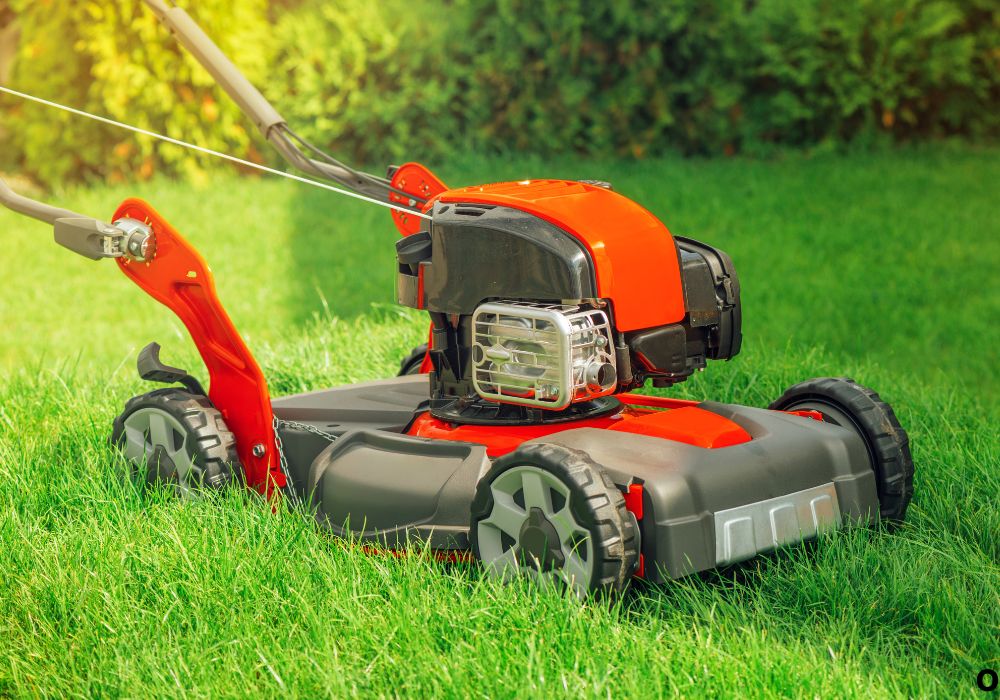
To understand the reel mower vs rotary mower debate, it’s important to grasp how each machine cuts grass differently. Both are designed to maintain healthy turf, yet their mechanical actions set them apart in performance, precision, and lawn appearance.
A reel mower features a set of curved, helical blades that rotate vertically and slice grass against a stationary bedknife—similar to the action of scissors.
This results in a clean, precise cut that reduces tearing and promotes faster grass recovery. Because the blades cut cleanly, reel mowers are preferred for short, fine grasses such as Bermuda or Zoysia, which thrive at low mowing heights under one inch.
A rotary mower, in contrast, uses a single horizontal blade that spins rapidly to chop grass through impact.
It’s more forgiving on uneven terrain and can handle longer or coarser grass varieties like fescue or rye. However, if the blade dulls, it can tear rather than cut, leading to frayed edges and brown tips.
Cut Height, Turf Type, and Finish
When comparing a reel mower vs rotary mower, one of the most critical distinctions lies in cutting height and grass type compatibility.
Each mower is designed for a specific range of turf conditions, and using the wrong one can dramatically affect lawn health and appearance.
Reel mowers are built for precision and operate best at low cutting heights, typically between 0.5 to 1 inch.
They are ideal for fine, dense grasses like Bermuda, Zoysia, and bentgrass, commonly found on golf courses and athletic fields.
Because they cut with a scissor-like action, they maintain smooth, level surfaces and leave the lawn with a professional, carpet-like finish.
Rotary mowers, however, excel at higher cut heights—ranging from 1.5 to 4 inches—and handle a wider variety of grass species such as fescue, Kentucky bluegrass, and perennial ryegrass.
Their high-speed blades make them suitable for uneven or thicker lawns where a reel mower might struggle or scalp the grass.
Choosing the right mower for your turf type ensures healthier grass and fewer brown tips. For precision and aesthetic perfection, reel mowers dominate. For practicality, versatility, and ease of maintenance, rotary mowers remain the preferred choice for most homeowners.
Cut Quality, Lawn Health, and Recovery
In the reel mower vs rotary mower comparison, the way each mower affects grass health is a major deciding factor.
A reel mower cuts cleanly with its scissor-like motion, slicing each blade of grass neatly and leaving behind a smooth, even surface.
This clean cut helps grass recover faster, reduces water loss through the tips, and minimizes the chances of fungal disease or browning.
Rotary mowers, on the other hand, rely on the impact of a fast-spinning horizontal blade. While this is effective for taller or mixed grass types, it can cause tearing rather than slicing, especially when the blade is dull.
Torn tips often appear brown and dry, giving the lawn a patchy look. Regular sharpening of the blade is essential to maintain cut quality and minimize damage.
According to turf maintenance experts, clean cuts can reduce grass stress by up to 60%, significantly improving color and density over time.
A reel mower’s precision is unmatched on level lawns with short grass, while rotary mowers remain more forgiving on uneven terrain and thicker growth.
Ultimately, the health of your lawn depends on how sharp, suitable, and well-maintained your mower’s blades are.
Speed, Power, and Productivity

When comparing a reel mower vs rotary mower, efficiency and speed often depend on how each mower handles power and performance. Reel mowers operate with a set of helical blades that rotate in sync with the mower’s forward motion, either manually or through an engine drive.
This design prioritizes precision over speed, which means reel mowers perform best when used frequently and on shorter grass. Cutting too much height at once can overload the blades and reduce efficiency.
Rotary mowers, in contrast, rely on high-speed rotation powered by electricity, batteries, or gasoline. Their horizontal blades can generate thousands of revolutions per minute, enabling them to slice through thicker or taller grass quickly.
This makes them more suitable for homeowners who mow less often or manage larger, uneven yards.
The productivity gap becomes evident with lawn size and mowing habits. For example, a reel mower may take longer but leaves behind a finer, smoother finish.
A rotary mower covers more area in less time but may not achieve the same precision. In short, reel mowers deliver accuracy for dedicated lawn care enthusiasts, while rotary mowers emphasize speed, power, and practicality for everyday use.
Lawn Size, Terrain, and Obstacles
One of the biggest practical differences in the reel mower vs rotary mower debate is how each performs across various lawn sizes and terrains. Reel mowers thrive on small, flat lawns where consistent height and smooth surfaces make precision cutting easy.
They work exceptionally well for yards under 5,000 square feet with minimal obstacles. Because the blades depend on close, even contact with the grass, uneven ground can cause scalping or missed patches.
Rotary mowers, by contrast, are built to handle a wider range of lawn conditions. Their adjustable cutting decks and powered blades allow them to manage rougher terrain, slopes, and debris such as twigs or leaves.
For larger lawns—especially those exceeding 10,000 square feet—rotary models offer the necessary coverage and strength to complete the job efficiently.
Obstacles also play a major role. Reel mowers can struggle around trees, flower beds, and fences since their design favors straight paths. Rotary mowers, however, maneuver easily and can adapt to curved or irregular borders.
Ultimately, reel mowers fit best in smaller, well-maintained landscapes demanding precision, while rotary mowers dominate in larger, complex yards where flexibility and speed matter more.
Maintenance, Durability, and Ownership Cost
Maintenance and longevity are major considerations in the reel mower vs rotary mower decision. A reel mower’s cutting mechanism is highly precise, which means the blades and bedknife must stay perfectly aligned.
Over time, the cylinder needs backlapping or professional sharpening to maintain its scissor-like cutting edge.
Though this process is technical, proper care can keep a reel mower performing beautifully for more than a decade. It also requires minimal fuel or electricity, making it cost-efficient and eco-friendly in the long run.
Rotary mowers are easier for most homeowners to maintain. Their single horizontal blade can be removed and sharpened with basic tools, and blade replacements are inexpensive.
However, the motor—whether gas, electric, or battery-powered—introduces more moving parts, meaning belts, filters, or batteries may need replacement over time.
According to lawn equipment data, battery replacements for cordless models can cost between $100 and $250 every few years, affecting long-term ownership costs.
In terms of durability, reel mowers are mechanically simpler, giving them a longer lifespan with proper care.
Rotary mowers offer greater convenience but often require higher maintenance spending. The right choice depends on whether you prefer hands-on precision care or low-effort practicality.
Environmental Impact and Noise
Sustainability plays an increasingly important role in the reel mower vs rotary mower discussion.
Manual reel mowers stand out as the most eco-friendly option since they require no fuel or electricity. Their quiet operation produces virtually zero noise pollution, making them ideal for early-morning or suburban mowing without disturbing neighbors.
According to the Environmental Protection Agency (EPA), traditional gas-powered mowers can emit as much pollution in one hour as driving a car for 100 miles—a figure that highlights how environmentally gentle reel mowers truly are.
Rotary mowers, however, vary depending on their power source. Electric and battery-powered models generate far fewer emissions than gas-powered versions and are steadily improving in energy efficiency. But their noise levels remain higher due to the fast-spinning blades and motor vibration.
Gas-powered rotary mowers are the least sustainable option, producing both carbon emissions and loud operational noise, often exceeding 85 decibels, which can contribute to hearing fatigue during long mowing sessions.
For eco-conscious homeowners, reel mowers deliver unmatched sustainability and silence. Rotary mowers offer convenience and versatility, especially in electric form, but still lag behind in noise reduction and overall environmental impact.
Conclusion
The reel mower vs rotary mower comparison ultimately comes down to priorities—precision or practicality. Reel mowers deliver a clean, scissor-like cut that enhances lawn health, color, and texture.
They are best suited for smaller, level lawns with fine grass types such as Bermuda or Zoysia, where a low, even finish is the goal. Their quiet, emission-free operation also appeals to homeowners who value sustainability and a perfectly manicured appearance.
Rotary mowers, on the other hand, offer power, speed, and flexibility. They can handle taller grass, uneven terrain, and occasional neglect with ease.
For large or obstacle-filled yards, their high-speed blades and adjustable cutting heights make them far more convenient.
While they may not match the reel mower’s precision, their versatility and lower maintenance needs make them the preferred option for most homeowners.
In essence, reel mowers suit those who see lawn care as a craft, while rotary mowers fit those who prioritize efficiency and simplicity.
Choosing the right mower depends on your yard’s size, terrain, and desired finish—but whichever you pick, maintaining sharp blades and consistent mowing habits will always be the true key to a healthy, vibrant lawn.

I’m Maya L. Greenwood, a lifelong plant lover who believes anyone can grow something beautiful with the right guidance. After years of testing soil mixes, pruning methods, irrigation tricks, and pest-safe solutions, I started EasyGardenTips.com to turn hard-won lessons into step-by-step advice. From seed starting and container gardens to composting and seasonal checklists, my goal is to make gardening simple, sustainable, and fun.