
Imagine stepping onto a small, urban lawn on a sunny weekend, ready to enjoy a quiet moment outdoors. Instead, the grass looks uneven, clumps of clippings scatter across the yard, and the roar of a gas mower fills the neighborhood.
Choosing the right mower can turn this chore into a satisfying experience rather than a frustrating task. For small lawns, the debate often comes down to push mower vs reel mower. Each has unique benefits that affect cut quality, noise, maintenance, and overall lawn health.
Reel mowers use a scissor-like action that slices grass cleanly, promoting a healthier, greener lawn. Push mowers, also called rotary mowers, use spinning blades that handle longer grass and light debris, offering more versatility for varied lawn conditions.
Noise and environmental impact are also crucial considerations. Human-powered reel mowers operate almost silently, while gas-powered push mowers can reach 95–105 dB, potentially disturbing neighbors.
Electric push mowers offer a quieter alternative, but reels remain the greenest option with zero emissions. EPA Lawn Equipment Emissions
Frequency of mowing and grass type further influence the decision. Reels excel when cutting low, fine grasses like Bermuda or Zoysia frequently. Push mowers handle taller or uneven grass better, making them suitable for those who mow less often.
Push Mower vs Reel Mower — How Each One Cuts

The primary difference between push mowers and reel mowers lies in their cutting mechanisms, which directly affects lawn appearance and health. Reel mowers employ a scissor-like system where spinning helical blades pass against a fixed bed knife.
This slicing action produces a clean, precise cut that minimizes tearing of grass blades. As a result, lawns maintain a healthier look, with sharper edges and reduced risk of brown tips.
Push mowers, also known as rotary mowers, feature horizontally spinning blades that strike the grass in a chopping motion. This impact-style cut is more versatile, allowing the mower to handle taller grass, light debris, and uneven patches without clogging.
Rotary blades are often adjustable for different cutting heights, providing flexibility for lawns that experience variable growth or seasonal changes.
Cut quality also depends on mowing frequency. Reel mowers work best with frequent, low-height cuts and smooth terrain, ideal for fine-textured grasses like Bermuda or Zoysia.
Neglecting to mow regularly can stress the grass and reduce the scissor-like advantage of reels. Push mowers are more forgiving with irregular schedules and taller grass, ensuring a consistent, functional cut even if mowing is delayed.
Overall, the choice between these two mower types affects not only aesthetics but also lawn health, maintenance needs, and mowing experience.
Reel mowers deliver precision and quieter operation, while push mowers provide versatility and ease of handling under a variety of conditions.
Best Fit by Lawn Size & Grass Type
Selecting the right mower depends largely on the size of the lawn and the type of grass being maintained.
Reel mowers are best suited for small lawns, typically under 5,000 square feet, where frequent mowing is feasible.
Their precision cutting works well for fine-textured grasses like Bermuda, Zoysia, or bentgrass, which benefit from low, consistent trimming.
Push mowers, in contrast, are more versatile and can handle slightly larger or irregularly shaped lawns. They are ideal for cool-season grasses such as fescue or Kentucky bluegrass, which often grow taller and unevenly.
The rotary action allows these mowers to manage taller growth without frequent trips, making them suitable for homeowners who mow less often.
Terrain and obstacles also play a role. Reels perform best on smooth, even surfaces where the blades maintain close contact with the grass.
Uneven ground, slopes, or the presence of twigs and debris can reduce cutting efficiency and require more effort. Push mowers excel in these conditions, cutting through variable terrain with less chance of jamming.
By considering both lawn size and grass type, homeowners can optimize cutting performance and minimize maintenance hassles.
Small, manicured lawns with frequent mowing benefit from a reel mower’s clean, scissor-like cut.
Larger or irregular lawns with mixed grass types perform better with a push mower’s flexibility and tolerance for varied conditions.
Cut Height, Frequency & Finish
The height at which grass is cut directly affects lawn health, appearance, and maintenance requirements. Reel mowers excel at low-height cutting, typically under one inch, which creates a smooth, carpet-like finish.
This precision is ideal for ornamental lawns or fine-textured grasses, giving a uniform appearance that highlights stripes and patterns.
Frequent mowing is essential for reel mowers. Cutting too much grass at once can stress the turf, causing brown tips and uneven growth.
Regular mowing, ideally two to three times per week during peak growth, ensures the blades maintain their scissor-like advantage, leaving a healthier, cleaner cut.
Push mowers, on the other hand, are more adaptable to taller grass and less frequent mowing schedules.
They can handle heights ranging from two to four inches without compromising cut quality, making them suitable for lawns that are not mowed as often or for homeowners who prefer a more forgiving schedule.
The rotary blades also manage minor debris, such as small twigs and leaves, reducing the risk of blade damage.
Overall, cut height and mowing frequency are key factors in choosing between a reel and push mower. Reels offer superior aesthetics and precision but demand consistent attention, while push mowers provide flexibility and ease of use.
By understanding these differences, homeowners can select a mower that maintains lawn health, meets aesthetic goals, and matches their mowing habits.
Maintenance & Ownership Costs
Maintenance requirements vary significantly between reel and push mowers, affecting long-term ownership costs and effort. Reel mowers require periodic blade sharpening, known as backlapping, to maintain the scissor-like cutting action.
Although there is no engine to maintain, regular attention to blade alignment and lubrication is necessary to ensure consistent performance.
Push mowers, particularly gas-powered models, involve more extensive upkeep. Routine tasks include checking oil levels, replacing spark plugs, and maintaining the engine and drive components.
Electric push mowers reduce engine maintenance but still require periodic blade sharpening and battery care.
Cost considerations extend beyond maintenance. Reel mowers are generally lighter, simpler, and less expensive upfront, with no fuel costs and minimal parts to replace.
Push mowers may involve higher initial investment, ongoing fuel or electricity costs, and occasional engine repairs, but they offer more versatility across varying lawn conditions.
Storage and handling also impact long-term convenience. Reel mowers are compact and easy to store, while push mowers are heavier and may require more space.
Homeowners should weigh the trade-offs between minimal maintenance and precision cutting versus versatile mowing and higher upkeep costs.
Noise, Emissions & Neighborhood Friendliness
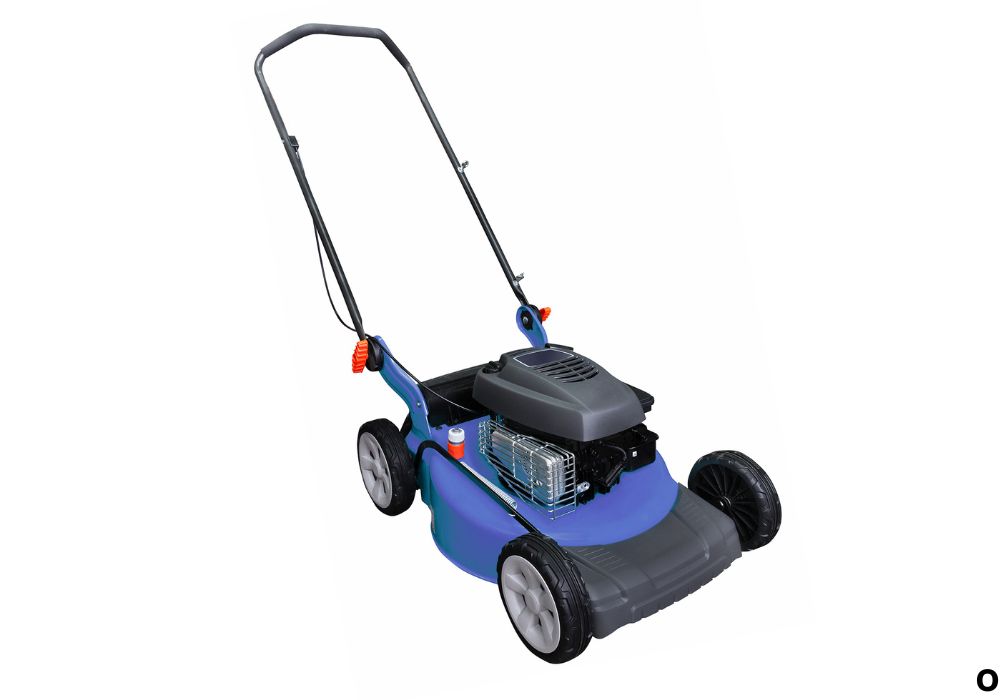
Noise levels and environmental impact are important considerations, especially in urban or densely populated areas. Reel mowers are human-powered and operate almost silently, making them the quietest option for small lawns.
Electric push mowers offer a quieter alternative to gas-powered models, typically producing less than 75 decibels, while gas push mowers can reach 95–105 decibels, potentially disturbing neighbors. EPA Lawn Equipment Noise & Emissions
Emissions are another factor affecting neighborhood and environmental friendliness. Gas-powered push mowers release exhaust that contributes to local air pollution and carbon footprint, whereas reel mowers produce no emissions at all.
Electric models reduce emissions but still consume energy indirectly, depending on the power source.
Homeowners with strict noise restrictions or early morning mowing schedules benefit from reel mowers’ silent operation. Push mowers, particularly electric, strike a balance between efficiency and quieter performance, making them suitable for suburban areas.
For eco-conscious users, reels provide the cleanest option, while electric push mowers reduce the environmental impact compared to gas alternatives.
Considering both noise and emissions ensures a mower choice that respects neighbors, adheres to local regulations, and aligns with sustainable lawn care practices.
By factoring in these elements, homeowners can maintain a beautiful lawn without creating unnecessary disturbance or pollution.
Terrain, Debris & Safety
Lawn conditions play a significant role in determining which mower is most effective and safe to use. Reel mowers perform best on smooth, even lawns where the blades maintain close contact with the grass.
Uneven terrain, slopes, or hidden obstacles such as small rocks and twigs can reduce cutting efficiency and increase physical effort.
Push mowers handle varied terrain and minor debris more effectively. Rotary blades can cut through taller grass, light sticks, and leaves without jamming, making them suitable for slightly rough or uneven lawns.
Their adjustable cutting height allows homeowners to manage slopes and irregular surfaces safely.
Safety considerations differ between mower types. Reel mowers are generally safer because the blades stop immediately when the mower is not in motion, reducing the risk of injury.
Push mowers, especially gas or electric rotary models, require attention to blade rotation and proper safety features such as blade brakes or kill switches to prevent accidents.
Selecting a mower that matches terrain conditions and debris challenges ensures both efficiency and safety.
For small, smooth lawns, reels provide controlled, precise cutting with minimal risk. For uneven lawns with occasional obstacles, push mowers offer reliability and safer handling under variable conditions.
Conclusion
Choosing between a push mower and a reel mower depends on lawn size, grass type, and personal priorities.
Reel mowers excel on small, smooth lawns where frequent mowing and low-height cuts produce a clean, manicured appearance. They are quiet, eco-friendly, and deliver precision cutting, making them ideal for fine-textured grasses.
Push mowers offer versatility and adaptability, handling taller grass, uneven terrain, and light debris with ease. Electric and gas models provide options for different maintenance levels and schedules, ensuring consistent performance even with less frequent mowing.
By considering cut quality, mowing frequency, noise, maintenance, and terrain, homeowners can select the mower that best fits their needs. The right choice enhances lawn health, improves aesthetics, and makes lawn care a more efficient and enjoyable task.

I’m Maya L. Greenwood, a lifelong plant lover who believes anyone can grow something beautiful with the right guidance. After years of testing soil mixes, pruning methods, irrigation tricks, and pest-safe solutions, I started EasyGardenTips.com to turn hard-won lessons into step-by-step advice. From seed starting and container gardens to composting and seasonal checklists, my goal is to make gardening simple, sustainable, and fun.