
A lot of people wonder if is aeration necessary every year, especially if they’re new to taking care of a lawn. It can seem confusing, right? You might see different opinions online, and it’s easy to get lost. But don’t worry! This post will break down everything you need to know in a simple way. We’ll explore why aeration is important, how to tell if your lawn needs it, and the best ways to get it done. Let’s get started and make your lawn the best it can be!
The Basics of Aeration: Why Lawns Benefit
Aeration is a lawn care task that helps your grass get what it needs. Think of it like giving your lawn a deep breath. Over time, soil can become compacted, especially in areas with heavy foot traffic or clay soil. This compaction squeezes the soil, making it hard for water, air, and nutrients to reach the roots of your grass. Aeration fixes this by creating small holes in the soil. These holes let vital resources like oxygen, water, and fertilizers get down to the roots, promoting healthy growth. This helps your lawn thrive and stay green, even during tough weather.
What Causes Soil Compaction?
Several factors cause soil compaction, and knowing these helps you determine if your lawn needs aeration. Compacted soil is like a tightly packed sponge; it prevents essential elements from getting to your grass’s roots. Heavy foot traffic is a common culprit, especially in areas where kids play, or people walk frequently. Also, clay-heavy soils are naturally more prone to compaction because the tiny clay particles pack tightly together. The use of heavy machinery, such as lawn mowers or tractors, also contributes to soil compaction. Even the natural settling of soil over time can reduce the air spaces needed for healthy root growth. Understanding these causes helps you recognize when your lawn might benefit from aeration.
- Foot Traffic: Frequent walking, running, and playing games on the lawn. This is one of the most common causes, particularly in areas used for recreation.
- Clay Soil: Soil with a high clay content is naturally more susceptible to compaction. Clay particles are small and pack together tightly, reducing air spaces.
- Heavy Machinery: Using heavy equipment, like lawn tractors or construction vehicles, over the grass compresses the soil.
- Lack of Organic Matter: Soil with a low organic matter content tends to compact easier. Organic matter, like compost, helps keep soil loose and well-aerated.
Consider the story of the Smith family. Their backyard was always a muddy mess after rain. After aerating and adding compost, their lawn improved dramatically. Before, the water would just sit on the surface, but now it soaked in easily. This simple action transformed their backyard from a muddy patch to a lush, green play area for their children. Aeration, by breaking up the compaction, allowed their lawn to breathe, absorb water, and thrive.
Signs Your Lawn Needs Aeration
Recognizing the signs that your lawn needs aeration is important for its health. There are several visual and physical indicators that suggest your grass is struggling because of compacted soil. One key sign is standing water after rain or irrigation. If water pools on the surface for hours, it’s a sign the soil can’t absorb it. Yellowing or thinning grass, especially in high-traffic areas, also indicates a problem. Compacted soil restricts the roots’ access to water and nutrients, leading to stunted growth. Additionally, if you find it difficult to push a screwdriver or similar object into the soil, it’s a clear signal of compaction.
- Standing Water: Water that pools on the surface for extended periods after rain or watering. This means the soil isn’t absorbing water.
- Thinning Grass: Grass that appears thin or sparse, especially in areas with heavy use. Compacted soil makes it difficult for roots to grow.
- Yellowing Grass: The grass turns yellow or has a generally unhealthy appearance. Lack of nutrients and water due to compaction can cause this.
- Difficulty with Soil Penetration: It’s hard to push a screwdriver or garden fork into the soil. This shows the soil is tightly packed.
- Excessive Thatch: A thick layer of thatch (dead grass and debris) on the surface can also indicate compacted soil.
Consider the experience of a homeowner named John. His lawn was always a disappointment, despite his best efforts at watering and fertilizing. He noticed that the grass in the high-traffic area near his back door was particularly thin and yellow. After observing standing water after rain, John decided to aerate his lawn. Within a few weeks, he saw a remarkable difference. The grass in the affected area started to thicken and green up. The standing water problem disappeared. John’s case is a simple illustration of how aeration can remedy the problems of compacted soil.
When Is Aeration Necessary Every Year?
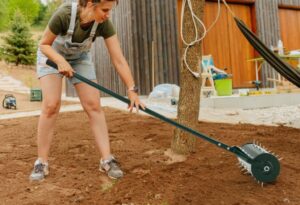
The question of is aeration necessary every year depends on your lawn’s specific conditions and usage. While not all lawns require yearly aeration, some benefit greatly from it. Factors such as soil type, foot traffic, and the presence of thatch play significant roles in determining aeration frequency. Lawns with heavy clay soil, which compacts easily, often need yearly aeration. Also, lawns that experience heavy foot traffic from children, pets, or regular outdoor activities usually require aeration every year to counteract the constant compaction. On the other hand, lawns with sandy soil and minimal use may only need aeration every few years.
Factors Influencing Aeration Frequency
Several things determine how often you should aerate your lawn. Understanding these factors can help you make the right decisions for your lawn’s health. The soil type is a major consideration; clay soils are more prone to compaction and typically need more frequent aeration compared to sandy soils. The amount of foot traffic your lawn receives also influences this. Lawns with high foot traffic, such as those used for sports or play, tend to compact more quickly and benefit from annual aeration. The presence of thatch, a layer of dead grass and organic matter, also matters. If your lawn has a thick thatch layer, aerating regularly will help break it down.
- Soil Type: Clay soils compact easier and require more frequent aeration than sandy soils. Sandy soils drain better and don’t compact as easily.
- Foot Traffic: High-traffic areas, such as walkways and play areas, compact quickly and benefit from annual aeration.
- Thatch Layer: A thick thatch layer can prevent water and nutrients from reaching the roots. Aeration helps break down thatch.
- Climate: In regions with heavy rainfall or frequent flooding, aeration can improve drainage.
- Lawn Use: Lawns used for regular activities, like sports or pet play, compact more.
Consider the experience of a community park that faced continuous issues with compacted soil due to heavy use. Children constantly played on the fields, causing the soil to become tightly packed. They aerated the fields once a year, and the improvement was noticeable. The grass grew thicker, and the overall quality of the playing surface increased. This highlights the importance of aeration, especially in high-use areas.
Aeration Methods and Timing
Several aeration methods are available, and the best choice depends on your lawn’s size and needs. Core aeration, also known as plug aeration, involves removing small plugs of soil from the lawn. This method is the most effective for relieving compaction because it creates space for air, water, and nutrients to penetrate the soil. Spike aeration, which involves using spikes to create holes, is less effective but can be helpful for lightly compacted soils. The best time to aerate is during the growing season when the grass is actively growing and can quickly recover from the aeration process. For cool-season grasses, this is usually in the spring or fall. For warm-season grasses, the best time is in late spring or early summer.
- Core Aeration: Uses a machine to remove small cores of soil, creating space for air and nutrients. This is the most effective method for relieving compaction.
- Spike Aeration: Uses spikes to punch holes in the soil. It’s less effective than core aeration but can be helpful for lightly compacted soils.
- Spring Aeration: Aerate in spring to help the grass recover from winter and prepare for the growing season.
- Fall Aeration: Aerate in fall to prepare the lawn for winter and help roots develop.
- Warm-Season Grasses: Aerate warm-season grasses in late spring or early summer.
- Cool-Season Grasses: Aerate cool-season grasses in spring or fall.
A homeowner, Sarah, used core aeration in her backyard last fall. She was amazed at the difference it made. Her lawn, which had been struggling to grow, quickly greened up after aeration. Sarah also saw that her lawn was better able to absorb water. The result of aeration was a thriving, healthy lawn that was the envy of her neighbors.
Choosing the Right Aeration Method
Deciding which aeration method is right for your lawn depends on several factors, including the level of compaction, soil type, and the size of your lawn. Core aeration is generally considered the most effective method. It removes plugs of soil, creating better pathways for air, water, and nutrients to reach the roots. This method is especially beneficial for lawns with heavy clay soil or those experiencing severe compaction. Spike aeration, on the other hand, is a simpler method involving the use of solid spikes. It’s less effective than core aeration, but it can provide some benefits, particularly for lawns with lighter compaction. The choice often comes down to the severity of compaction.
Comparing Core and Spike Aeration
Core aeration and spike aeration are the two primary methods used to improve soil health, but they differ significantly in how they work and their effectiveness. Core aeration removes small plugs of soil, which creates more extensive channels for air, water, and nutrients. This method directly addresses soil compaction, allowing the roots to access essential resources. The holes created by core aeration are wider and longer-lasting than those created by spike aeration. Spike aeration, on the other hand, creates holes by simply puncturing the soil. This process provides some aeration, but it doesn’t remove any soil. As a result, the holes often close up quickly, and the benefits may be short-lived. The level of compaction in your lawn often determines the method that’s most effective.
| Feature | Core Aeration | Spike Aeration |
|---|---|---|
| Method | Removes soil plugs | Punctures the soil with spikes |
| Effectiveness | Most effective for compacted soils | Less effective, suitable for light compaction |
| Hole Type | Creates wider and longer-lasting holes | Creates smaller holes that can close quickly |
| Benefits | Improves water and nutrient absorption; reduces thatch | Provides some aeration, may improve drainage |
| Equipment | Aerator machine | Aerator shoes, manual aerator |
A homeowner named Mark decided to try both methods on different sections of his lawn. He used core aeration on the area with heavy clay soil, and the difference was remarkable. The grass grew much thicker, and the water drainage improved significantly. In the section where he used spike aeration, the results were less pronounced. This hands-on comparison showed him that core aeration was the better choice for his compacted soil.
Tips for Successful Aeration
For successful aeration, preparation is key. Before you start, water your lawn thoroughly a day or two before aerating. This softens the soil, making it easier for the aerator to penetrate. Make multiple passes with the aerator to ensure the entire lawn is treated. The more passes you make, the better the aeration will be. After aerating, it’s beneficial to leave the soil cores on the lawn. These cores break down over time, returning nutrients to the soil. You should also consider overseeding and fertilizing after aeration, particularly if your lawn has bare spots or needs improvement. The aeration process creates an ideal environment for new grass seeds to take root.
- Watering Beforehand: Water your lawn one or two days before aerating to soften the soil.
- Multiple Passes: Make multiple passes with the aerator to ensure complete coverage.
- Leave Cores on Lawn: Leave the soil cores on the lawn to break down and add nutrients.
- Overseed and Fertilize: Overseeding and fertilizing after aeration can improve grass growth.
- Choose the Right Equipment: Select the right aeration equipment for your lawn size and condition.
Consider the experience of a golf course superintendent. He always ensures that the course is properly watered before aeration. This simple step makes the aeration process much more efficient and effective, leading to a healthier playing surface. The greens and fairways benefit from enhanced drainage and nutrient absorption, which is evident in the vibrant green grass and improved playability.
Addressing Common Aeration Questions
When it comes to lawn care, lots of questions come up about aeration. People often wonder about the best time to aerate, the difference between core and spike aeration, and whether it’s truly necessary. Many homeowners also are unsure about how to prepare their lawn before aeration and how to take care of it afterward. This section will answer some of the most common questions, offering the information you need to make the best decisions for your lawn.
Is Aeration Always Needed?
Not every lawn needs aeration every year, but knowing when to aerate and when it’s not needed is important for a thriving lawn. The need for aeration depends heavily on factors like soil type, foot traffic, and the overall health of your grass. Sandy soils generally don’t compact easily and might only need aeration every few years. However, lawns with clay soils or those that experience heavy foot traffic often benefit from annual aeration. If your lawn shows signs of compaction, such as standing water, thinning grass, or difficulty pushing a screwdriver into the soil, aeration is likely needed. Monitoring your lawn’s health is the key to determining the frequency of aeration.
- Soil Type: Clay soils need more frequent aeration. Sandy soils don’t compact easily.
- Foot Traffic: Lawns with heavy foot traffic benefit from annual aeration.
- Lawn Health: Monitor for signs of compaction, such as standing water or thinning grass.
- Maintenance Practices: Regular mowing, watering, and fertilization contribute to soil health.
- Assessment: Determine if aeration is necessary based on lawn assessment.
Consider the situation of a homeowner with a spacious lawn. They have a sandy soil, and the area gets little traffic. They observed their lawn closely and realized aeration wasn’t necessary every year. They used this insight to adjust their lawn care routine, which saved them time and effort. It’s a prime example of customizing a lawn care approach to fit specific needs.
Aeration and Overseeding: A Lawn Care Strategy
Aeration and overseeding often go together because they complement each other. Aeration, by creating holes in the soil, provides the perfect environment for grass seeds to germinate and take root. The holes created during aeration allow the seeds to come into direct contact with the soil and receive the water, air, and nutrients they need. When you combine aeration with overseeding, you can significantly improve the density and health of your lawn. This is especially useful for lawns that have thin spots or bare areas. Overseeding after aeration is an effective strategy for filling those areas with new, healthy grass and improving the overall appearance.
- Seed-to-Soil Contact: Aeration creates holes, helping seeds come into contact with the soil.
- Enhanced Germination: Aeration improves germination rates.
- Improved Density: Overseeding helps fill in thin or bare spots.
- Overall Health: Aeration and overseeding enhance overall lawn health.
- Strategic Timing: Perform aeration and overseeding in the fall.
A homeowner named Emily realized this benefit when she combined aeration and overseeding. Her lawn had developed bare patches from her children’s playing. After aerating and then overseeding, the new grass filled in the empty spots. This transformed her lawn into a lush, full carpet of green, providing a perfect area for outdoor activities. The combination made a noticeable difference.
Frequently Asked Questions
Question: How do I know if my lawn needs aeration?
Answer: Check for signs of compaction, such as standing water after rain, thinning grass, and difficulty pushing a screwdriver into the soil.
Question: What is the best time to aerate my lawn?
Answer: The best time to aerate is during the growing season, usually in the spring or fall for cool-season grasses and late spring or early summer for warm-season grasses.
Question: What is the difference between core aeration and spike aeration?
Answer: Core aeration removes small plugs of soil, while spike aeration creates holes by puncturing the soil. Core aeration is more effective at relieving compaction.
Question: Should I overseed after aerating?
Answer: Yes, overseeding after aeration is recommended, especially if you have thin or bare spots in your lawn. Aeration creates the perfect environment for seed germination.
Question: How often should I aerate my lawn?
Answer: It depends on your lawn’s conditions. Lawns with heavy clay soils or high foot traffic may need aeration every year, while those with sandy soils may need it less often.
Final Thoughts
Understanding whether is aeration necessary every year helps you keep a healthy lawn. The frequency of aeration depends on your lawn’s specific needs, including soil type, how much it’s used, and the overall health of your grass. Lawns with clay soil and heavy use may benefit from yearly aeration. By learning the signs of soil compaction and understanding different aeration methods, you can make the right decisions for your lawn. Remember to check your lawn regularly for signs of compaction and adjust your lawn care routine as needed. Aeration, combined with other practices like proper watering and fertilization, can lead to a beautiful, thriving lawn that you and your family can enjoy. Take action by assessing your lawn’s needs and planning the proper aeration schedule.