
Gardeners often spend more time pulling weeds than tending to the vegetables they planted with care.
Unwanted weeds compete with crops for water, nutrients, and sunlight, leaving vegetables weak and underdeveloped.
A weed barrier provides a practical solution by blocking sunlight, which prevents weed seeds from germinating and taking over.
This simple layer—whether fabric, plastic, or biodegradable material—can save countless hours of back-breaking maintenance.
The question many growers ask is how to use a weed barrier in a vegetable garden without harming the soil or plants.
The answer depends on choosing the right type of barrier, installing it correctly, and maintaining it through the growing season.
Research shows that weeds can reduce vegetable yields by up to 34% worldwide (FAO), proving the importance of proactive weed management.
By learning how to use weed barrier effectively, you can protect your harvest, reduce labor, and enjoy a healthier, more productive garden.
What Is a Weed Barrier and Why Use It?
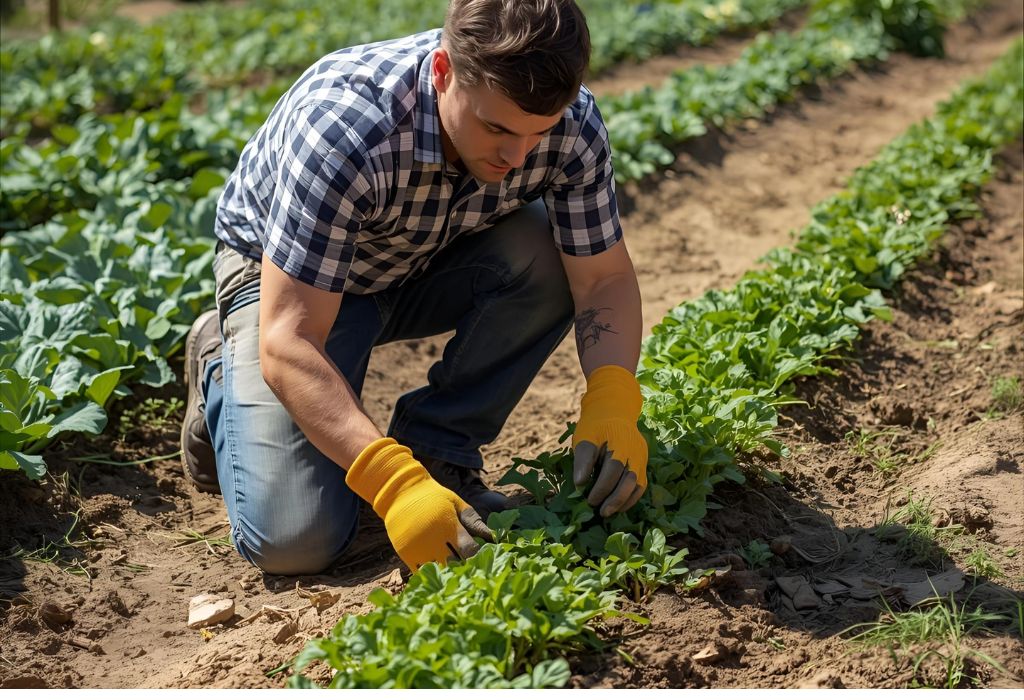
A weed barrier is a layer of material placed over soil to block sunlight and prevent weeds from sprouting.
It can be made from woven fabric, plastic sheeting, paper, cardboard, or even organic mulch materials.
Weed barriers are popular in vegetable gardens because they reduce manual labor and protect crops from competition.
They also help keep soil temperature stable, which encourages stronger plant growth.
What is a weed barrier?
It is a protective layer that prevents weed seeds from growing by limiting sunlight.
Is it safe for vegetable gardens?
Yes, when breathable and non-toxic materials are used.
Does it replace mulch?
No, but it can work underneath mulch for added protection.
Can plastic be used as a barrier?
Yes, but it can reduce soil airflow, so it is less ideal than fabric.
Do weeds ever grow through it?
Yes, if the barrier is thin, torn, or improperly installed.
Benefits of Using Weed Barrier in Vegetable Gardens
Weed barriers save time by significantly reducing the need for manual weeding.
They also reduce competition for nutrients, giving vegetables a better chance to thrive.
Barriers help retain soil moisture by limiting evaporation, which reduces watering needs.
They also prevent soil erosion during rainstorms by holding soil in place.
Does weed barrier stop all weeds?
It blocks most weeds, but some may grow at edges or through gaps.
Will it save water?
Yes, barriers conserve moisture by reducing evaporation.
Can it increase yields?
Yes, vegetables grow stronger without weed competition.
Does it improve soil temperature?
Yes, fabric barriers warm soil earlier in the spring.
Is it eco-friendly?
Yes, especially when biodegradable or natural materials are chosen.
Types of Weed Barriers for Vegetable Gardens

Woven landscape fabric is one of the most common choices because it allows air and water to pass through.
Plastic sheeting provides strong weed suppression but can block water and suffocate the soil.
Biodegradable barriers such as paper, cardboard, or cornstarch-based fabrics break down naturally into the soil.
Organic mulch layers like straw, grass clippings, or wood chips can also act as effective weed barriers.
Which type is best for vegetables?
Breathable fabric or biodegradable options are safest.
Is plastic bad for soil?
Yes, it blocks water and reduces soil health over time.
Do organic mulches count as barriers?
Yes, when applied in thick layers.
Is fabric reusable?
Yes, high-quality fabric can last several growing seasons.
What is the cheapest option?
Cardboard or newspaper layers work well and cost almost nothing.
Step-by-Step: How to Use Weed Barrier in a Vegetable Garden
Start by clearing the area of weeds, rocks, and debris to ensure the barrier lays flat.
Measure the space and cut the fabric or barrier material to fit the garden bed.
Lay the barrier tightly across the soil, overlapping edges by at least 6 inches.
Secure it with landscape pins or stakes to prevent shifting from wind or rain.
Cut small X-shaped holes in the fabric where vegetables will be planted.
Place seedlings or seeds in the openings and press soil back into place.
For better appearance and extra protection, cover the barrier with mulch like straw or shredded bark.
This not only hides the material but also extends its lifespan.
Do I need to remove weeds first?
Yes, always start with a weed-free bed.
How do I cut holes?
Make small X-shaped cuts just large enough for stems.
Do I need pins?
Yes, they keep the barrier from shifting.
Should I cover with mulch?
Yes, mulch adds protection and improves appearance.
Can I reuse the fabric next season?
Yes, if it remains intact and clean.
Mistakes to Avoid When Using Weed Barriers
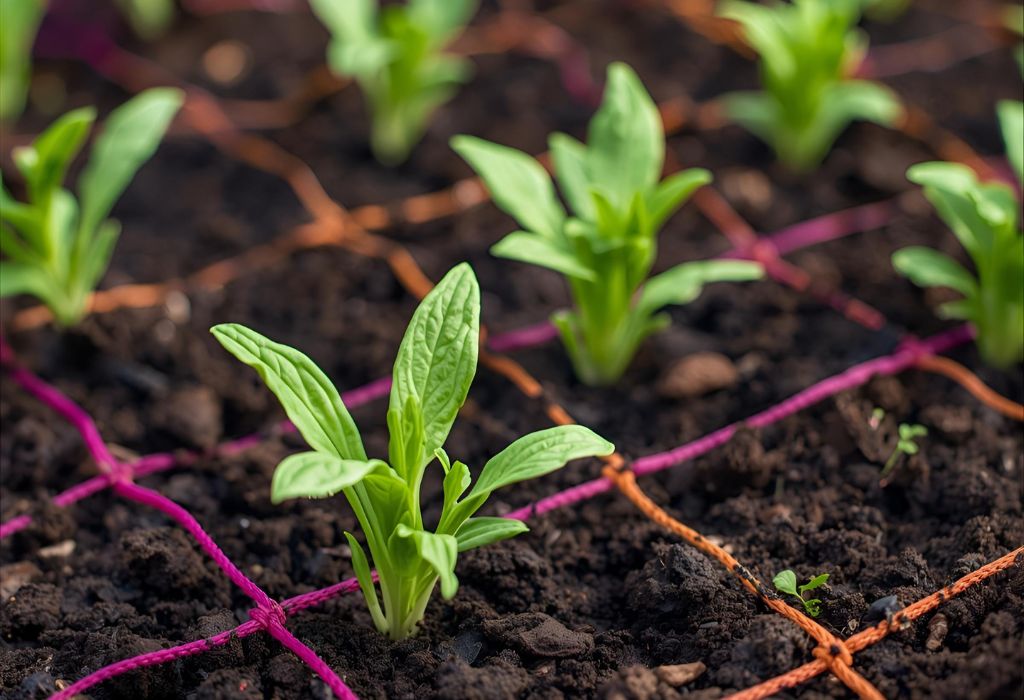
Many gardeners make the mistake of using plastic sheets that suffocate the soil.
Non-breathable barriers trap moisture, causing root rot and poor soil health.
Cutting holes too large around plants allows weeds to sneak through.
Forgetting to secure the edges lets wind or water lift the fabric, creating gaps.
Why avoid plastic?
It prevents airflow and can damage soil ecosystems.
What happens if fabric shifts?
Weeds grow through exposed areas.
Can weeds grow on top of fabric?
Yes, if organic matter collects and seeds sprout on top.
Should holes be large?
No, keep them small to block sunlight.
Is mulch always necessary?
It greatly improves results and protects fabric.
Alternatives to Weed Barrier
Straw and wood chips are natural mulches that suppress weeds when applied thickly.
Cardboard and newspaper layers are inexpensive and biodegradable options.
Living mulches like clover provide ground cover while enriching the soil.
Hand-weeding remains effective but requires consistent effort.
Is straw effective?
Yes, when applied 3–4 inches thick.
What is a living mulch?
A cover crop like clover that blocks weeds.
Does cardboard work?
Yes, but it breaks down within one season.
Is hand-weeding better?
Yes, but it is more time-consuming.
Can mulch attract pests?
Sometimes, depending on the material used.
Professional Tips for Long-Term Weed Control
Combine fabric with organic mulch for maximum weed suppression.
Check edges regularly to ensure the barrier remains secure.
Install drip irrigation under the barrier to water plants directly at the roots.
Rotate barriers seasonally to prevent soil compaction.
Should I rotate fabric?
Yes, it keeps the soil healthy.
Can I water through fabric?
Yes, woven fabric allows water to pass.
Do drip lines work with barriers?
Yes, they work best when installed under the fabric.
How often check edges?
Every few weeks to prevent lifting.
Will fabric harm soil microbes?
No, breathable fabric supports microbial activity.
Trends and Innovations in Weed Barriers

Biodegradable fabrics made from cornstarch or natural fibers are gaining popularity.
These eco-friendly options decompose into the soil while controlling weeds.
Solarization using clear plastic kills weeds and pests by heating the soil.
Smart fabrics with UV resistance last longer and reduce replacement costs.
Are biodegradable fabrics new?
Yes, they are designed to naturally break down.
What is solarization?
It uses clear plastic to heat soil and kill weeds.
Do smart fabrics last longer?
Yes, UV-treated materials resist sunlight damage.
Are eco-friendly options available?
Yes, many brands now offer sustainable barriers.
Will they replace plastic sheeting?
Yes, as gardeners prefer eco-friendly choices.
Conclusion
Using a weed barrier in a vegetable garden is one of the most effective ways to prevent weeds and improve yields.
It saves time, reduces water loss, and ensures vegetables receive the nutrients they need.
Choosing the right type—fabric, biodegradable, or organic mulch—depends on your garden’s needs and long-term goals.
Proper installation and maintenance ensure lasting success throughout the growing season.
Whether you prefer fabric or natural alternatives, the key is using a method that balances weed control with soil health.
With the right approach, your vegetable garden can thrive free from invasive weeds and unnecessary labor.

I’m Maya L. Greenwood, a lifelong plant lover who believes anyone can grow something beautiful with the right guidance. After years of testing soil mixes, pruning methods, irrigation tricks, and pest-safe solutions, I started EasyGardenTips.com to turn hard-won lessons into step-by-step advice. From seed starting and container gardens to composting and seasonal checklists, my goal is to make gardening simple, sustainable, and fun.