
A well-cut lawn can transform the entire look of a home, yet many people spend hours mowing without getting the clean, even finish they want.
Long grass clumps, uneven patches, and wasted time are often the result of inefficient mowing habits.
The truth is that mowing efficiently is not about rushing but about using smart techniques that protect both the grass and the person behind the mower.
Most homeowners don’t realize that mowing technique affects more than just appearance. Poor mowing patterns, dull blades, or cutting too short can lead to turf stress and even permanent lawn damage.
According to the University of Minnesota Extension, maintaining a mowing height of 3 inches or more improves turf density and reduces weeds (source).
Similarly, research from Scotts Lawn Care shows that following proper mowing practices can reduce lawn maintenance time by nearly 30% (source).
Learning how to mow a lawn efficiently means understanding more than how to push a mower in straight lines. It’s about using the right cutting height, alternating mowing directions, sharpening blades, and timing each session perfectly.
Small adjustments in these areas can dramatically improve turf health, conserve fuel, and reduce the total time spent mowing.
What Does “Mow Efficiently” Mean?
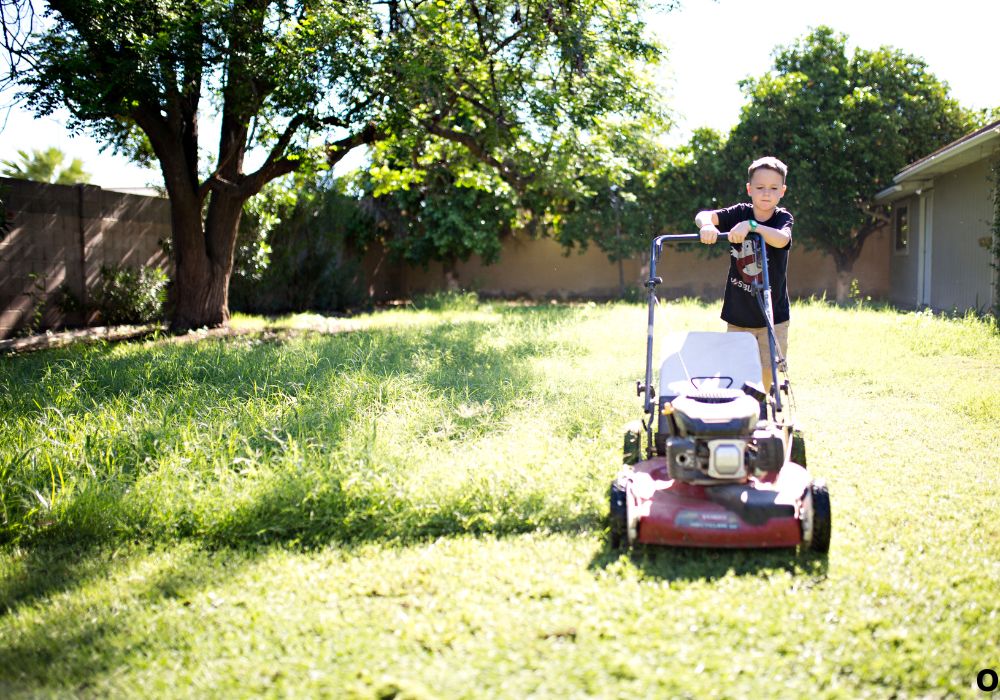
Efficiency in lawn mowing goes beyond finishing the job quickly. It means cutting in a way that saves time, reduces fuel consumption, protects the grass, and prevents unnecessary wear on the mower.
A truly efficient mowing routine achieves a uniform cut while preserving the long-term health of the turf.
When mowing is done efficiently, every pass of the mower contributes to cleaner results with minimal repetition.
This involves using a steady speed, planning a smart mowing pattern, and ensuring proper blade sharpness. By doing so, the mower doesn’t have to work as hard, which lowers energy use and extends equipment life.
For the lawn itself, efficiency translates into better growth and resilience. Grass cut cleanly with sharp blades recovers faster, develops stronger roots, and maintains a consistent green color.
In contrast, mowing with dull blades or random overlapping paths tears the grass, leaving jagged edges that dry out quickly and make the lawn prone to disease.
Mowing efficiently also means cutting smarter, not necessarily faster. Rushing through tall or damp grass usually requires going over the same spot multiple times, wasting fuel and time. Instead, using deliberate, even-paced movements ensures precision in every pass.
Ultimately, knowing how to mow a lawn efficiently creates harmony between technique and care. It balances human effort, machine performance, and grass health in one continuous process.
Once mastered, this approach reduces labor, enhances visual appeal, and supports a sustainable, thriving lawn year-round.
Common Mistakes That Kill Mowing Efficiency
Even with the best mower, a few simple errors can turn a quick job into a time-consuming chore. Many homeowners unknowingly damage their lawns or overwork their machines by repeating common mowing mistakes.
Recognizing these errors and correcting them is the first step toward a smoother, faster, and healthier mowing routine.
One of the biggest efficiency killers is cutting the grass too short. Known as “scalping,” this mistake weakens the root system and leaves the soil exposed to heat, weeds, and pests. Another common problem is mowing wet grass.
When grass is damp, clippings clump together and clog the mower deck, forcing multiple passes to get an even cut. It also increases the risk of slipping and uneven trimming.
Dull blades are another hidden cause of wasted time and poor results. A dull blade tears the grass rather than slicing it cleanly, making the lawn look uneven and unhealthy.
The same goes for mowing in the exact same direction every time — doing so compacts the soil and trains grass to lean one way, reducing airflow and moisture absorption.
Finally, overlapping passes too much wastes time and fuel. Proper mowing involves slight, controlled overlap — just enough to ensure full coverage without doubling the workload.
Paying attention to these details saves both effort and energy while improving the overall health of the lawn.
Q: Why is mowing wet grass inefficient and harmful?
A: Wet grass sticks to blades, clogs the deck, and causes uneven cuts that stress the turf.
Q: Does a dull blade affect mowing efficiency?
A: Yes, it tears grass instead of cutting cleanly, requiring extra passes and harming lawn health.
Q: Why should mowing direction change each time?
A: Alternating direction prevents soil compaction and encourages grass to grow upright.
Q: Can mowing too low damage the lawn?
A: Absolutely — cutting too short exposes roots, increases heat stress, and invites weeds.
Q: How much overlap is ideal for efficient mowing?
A: About one to two inches of overlap per pass ensures even coverage without wasting effort.
Strategies and Techniques to Mow Efficiently

Mowing efficiently starts with mastering a few proven techniques that save time and improve turf health. The goal is to find a balance between precision and speed — cutting only what’s needed, avoiding double passes, and ensuring every blade of grass is treated evenly.
A consistent pattern, correct blade height, and proper mower speed can turn an average lawn into a professional-looking landscape.
Before starting, always plan your mowing path. Begin by trimming around obstacles and working from the perimeter inward.
This helps minimize unnecessary turns and reduces overlap. Alternating mowing directions each session also keeps the grass standing upright, preventing ruts and encouraging even growth.
Straight passes create a clean striped look, while spiral or diagonal patterns can improve coverage in uneven lawns.
Keeping mower blades sharp is essential to both speed and efficiency. Dull blades slow progress and tear grass, forcing you to mow the same area multiple times.
Clean, sharp blades cut smoothly, reducing resistance and allowing the mower to move effortlessly.
Also, follow the “one-third rule” — never remove more than one-third of the grass height in a single mow. This protects the lawn from stress and promotes deep root growth.
Timing and weather also play a role. Mow when the grass is dry, ideally mid to late morning, to prevent clogging and uneven cuts.
Avoid mowing in intense afternoon heat, which can scorch freshly cut grass. Adjust mower height seasonally — raise it in summer to conserve moisture and lower it slightly in cooler months for a neat finish.
Together, these small habits create a big difference in both lawn quality and mowing efficiency. By combining the right equipment maintenance, cutting height, and mowing pattern, you can achieve a perfect balance between speed and precision with every pass.
Q: What mowing pattern saves the most time?
A: Straight lines or perimeter-first patterns reduce turns and overlap, saving time and fuel.
Q: Why should mowing direction change every session?
A: Alternating direction prevents compaction and encourages upright, even grass growth.
Q: How does blade sharpness improve efficiency?
A: Sharp blades cut cleanly in one pass, lowering strain on both the mower and the grass.
Q: What is the benefit of the one-third rule?
A: It keeps grass healthy by preventing stress and promoting stronger root systems.
Q: When is the best time of day to mow efficiently?
A: Late morning after dew has dried or early evening before sunset ensures cleaner cuts and less stress on the turf.
Efficiency for Different Lawn Types and Equipment
Not all lawns are the same, and neither are the mowers designed to care for them. The strategy for how to mow a lawn efficiently changes depending on the type of mower you use and the size or shape of your yard.
Understanding these differences helps maximize performance, reduce fuel or battery use, and achieve a consistent, professional finish.
For small to medium lawns, a push or self-propelled mower offers precise control and flexibility. These mowers are best used in straight-line or grid patterns, ensuring even coverage with minimal overlap.
Efficiency depends on planning the route — mow around borders first, then work inward. If the lawn includes flower beds or tight corners, trimming those areas before mowing saves time during the main passes.
Large lawns benefit from riding or zero-turn mowers, which cover more ground with fewer passes. Zero-turn mowers are especially effective for properties with obstacles like trees or garden beds since they maneuver quickly without leaving uncut patches.
The key to efficiency here is deck width — the wider the deck, the fewer passes needed — but maintaining steady speed and minimal overlap is equally important.
Sloped or uneven lawns require careful adjustment. Mowing across the slope instead of up and down improves traction and prevents slipping. For steep areas, a walk-behind mower or trimmer might be safer and more efficient than a heavy riding mower.
Electric and cordless mowers are becoming increasingly popular for small urban lawns. To mow efficiently with these, ensure batteries are fully charged and blades are kept sharp to reduce power drain. Clean the deck regularly to maintain airflow, as grass buildup can shorten battery life.
Choosing the right mower and matching it with your lawn type ensures smoother operation and less wasted effort. When equipment and technique align, mowing becomes faster, easier, and far more effective.
Q: What mower type is best for small lawns?
A: Push or self-propelled mowers offer great control and precise coverage.
Q: How do zero-turn mowers improve efficiency?
A: They make tight turns quickly, reducing overlap and total mowing time.
Q: What’s the safest way to mow on slopes?
A: Mow across the slope instead of up and down to maintain balance and traction.
Q: Can electric mowers be efficient for large yards?
A: They work best for smaller lawns; for larger areas, a riding mower is more practical.
Q: Does mower deck width affect efficiency?
A: Yes, wider decks cover more ground per pass, reducing total mowing time.
Conclusion
Learning how to mow a lawn efficiently is about combining precision, consistency, and smart technique. Efficiency doesn’t come from rushing the process but from planning every pass to save time while promoting stronger, healthier grass.
By mastering the right mowing pattern, maintaining sharp blades, and adjusting the cutting height for each season, any homeowner can achieve a professional-quality lawn with less effort.
When mowing is done correctly, the grass responds with thicker growth, deeper roots, and richer color.
Simple practices like alternating mowing directions, following the one-third rule, and keeping equipment in top condition prevent common issues like scalping, ruts, and uneven cuts.
Over time, these small habits build a healthier, more resilient turf that requires less maintenance overall.
Every lawn and mower combination is different, but the principles of efficiency remain the same: plan your route, maintain your tools, and stay consistent.
With proper care, mowing becomes less of a chore and more of a rewarding routine that keeps your lawn vibrant throughout the seasons. The next time you start your mower, remember that efficiency is not about cutting faster—it’s about mowing smarter for lasting results.

I’m Maya L. Greenwood, a lifelong plant lover who believes anyone can grow something beautiful with the right guidance. After years of testing soil mixes, pruning methods, irrigation tricks, and pest-safe solutions, I started EasyGardenTips.com to turn hard-won lessons into step-by-step advice. From seed starting and container gardens to composting and seasonal checklists, my goal is to make gardening simple, sustainable, and fun.