
Garden hoses are essential tools for any garden, yet improper storage can turn them into a constant source of frustration. Tangled, kinked, or damaged hoses not only make watering difficult but also shorten the lifespan of the hose.
Studies show that hoses left exposed to sunlight and harsh weather conditions can degrade up to 30% faster than properly stored hoses. UV rays and fluctuating temperatures weaken the material, causing cracks, leaks, and reduced flexibility.
Many homeowners struggle to find practical storage solutions that protect hoses while keeping gardens organized. Curious about the best ways to store garden hose and prevent common problems? The right storage techniques can save both time and money while ensuring hoses remain functional year-round.
From wall-mounted reels to decorative hose pots and DIY solutions, proper storage methods cater to gardens of all sizes. Combining these solutions with seasonal care and routine maintenance can prevent kinks, tangles, and other damage before it occurs.
Top Storage Solutions for Garden Hoses
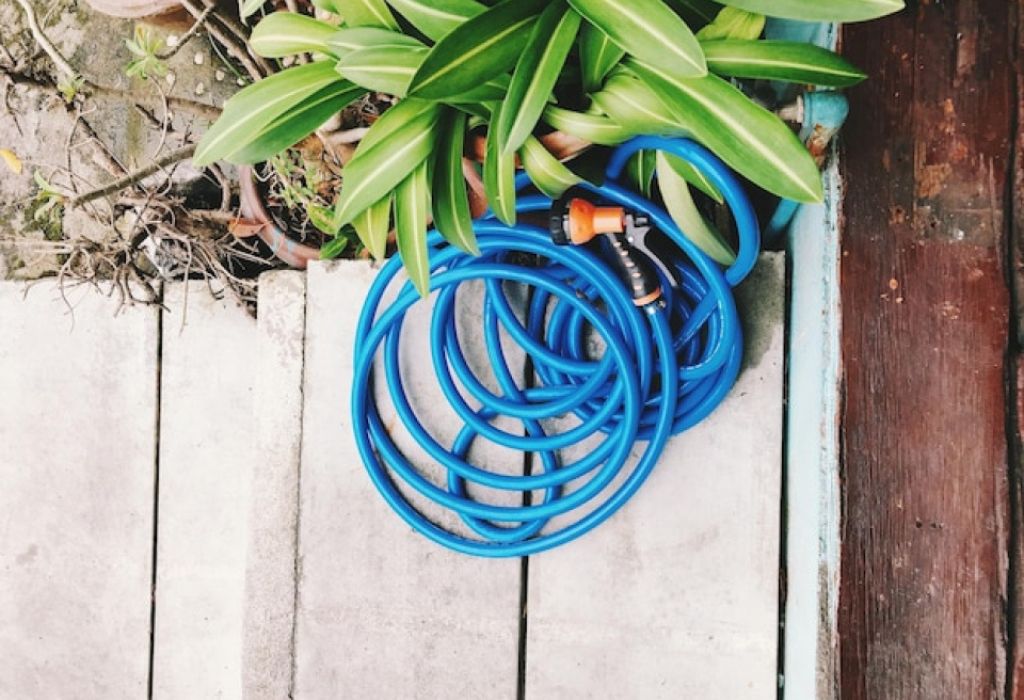
Keeping your garden hose properly stored can transform the way you maintain your outdoor space. Without the right storage solution, hoses can tangle, kink, and deteriorate quickly, turning a simple watering task into a frustrating chore. Choosing an effective storage method not only prolongs the hose’s life but also adds a touch of organization and style to your garden area.
Wall-Mounted Hose Reels
Wall-mounted hose reels are one of the most efficient ways to store garden hoses neatly. These reels attach directly to an exterior wall, keeping the hose off the ground and preventing it from tangling. Some models come with automatic retraction, allowing the hose to coil itself evenly after use, which minimizes wear and tear. Wall-mounted reels are perfect for smaller yards or spaces where floor storage is limited, offering a combination of convenience and protection.
Hoses left lying on the ground are more susceptible to damage from foot traffic, lawn equipment, and sunlight exposure. A wall-mounted reel ensures the hose stays elevated, reducing the risk of accidental punctures or cracks. Many modern reels also include features like swivel mounts and adjustable arms, providing flexibility in how the hose is stored. With this setup, hoses remain ready for use without the hassle of manually coiling them, saving time during busy gardening routines.
Hose Pots and Decorative Containers
For gardeners seeking both function and aesthetics, hose pots or decorative containers offer an elegant solution. These containers hide unsightly hoses while protecting them from UV rays and outdoor elements. Materials such as copper, terracotta, and resin provide durability and weather resistance, ensuring the hose remains safe throughout all seasons. Hose pots are especially beneficial for front gardens or patios where visual appeal is important.
The design of hose pots allows for ventilation and drainage, preventing water accumulation and mold growth. Coiling the hose inside a decorative container keeps it organized while making it accessible at all times. By integrating hose storage with garden décor, homeowners can maintain a visually appealing landscape while extending the hose’s lifespan. Hose pots can accommodate hoses of various lengths and diameters, making them a versatile choice for any garden size.
Hose Reel Carts
Hose reel carts provide mobility and flexibility for gardeners with larger spaces. Unlike wall-mounted solutions, these carts can be moved across the garden, allowing the hose to reach distant areas without dragging it over rough surfaces. Most carts are equipped with sturdy wheels and a central handle for easy maneuvering, while the reel mechanism ensures the hose coils evenly after use.
A hose reel cart also simplifies tasks such as watering multiple garden beds or washing outdoor surfaces. By keeping the hose organized and portable, these carts prevent tangling and kinking, while reducing the strain on the hose material. Some models include additional storage compartments for nozzles and connectors, consolidating all watering tools into one convenient unit. Using a cart system minimizes wear on the hose and protects it from environmental damage, ultimately saving money on replacements.
Combining Storage Methods
In many cases, combining storage solutions offers the best results. For instance, a wall-mounted reel can be complemented with a decorative hose pot nearby for seasonal rotation. Gardeners may also use hose reel carts for large areas while keeping a small wall-mounted reel for daily use near the faucet. This hybrid approach ensures maximum protection for hoses while maintaining convenience and accessibility.
Proper planning and placement of hose storage can also prevent common problems such as tripping hazards, water pooling, and excessive sun exposure. By selecting solutions that suit both the garden layout and the homeowner’s lifestyle, hoses remain protected, and the garden remains tidy. Integrating multiple storage solutions provides flexibility, making it easy to manage hoses of different lengths and types without compromising their condition.
DIY Storage Ideas for Garden Hoses
Not every garden has the ideal layout or budget for commercial hose reels or decorative pots. Fortunately, DIY solutions allow gardeners to create customized storage that suits both their space and style, while effectively preventing kinks and damage. By repurposing common household items or building simple structures, hoses can be stored safely and attractively without expensive equipment.
Upcycled Materials for Hose Storage
Repurposing old buckets, crates, or barrels offers a sustainable and creative way to store hoses. For example, a large plastic bucket can be mounted on a wall or placed near the water source, with the hose coiled neatly inside. Wine barrels or wooden crates provide a rustic aesthetic while protecting hoses from the elements, especially when fitted with drainage holes to prevent water accumulation.
Using upcycled materials not only reduces waste but also allows gardeners to personalize storage solutions according to the size and length of their hoses. Even old tires can be transformed into circular hose holders, providing a sturdy and weather-resistant storage option. By combining functionality with design, these DIY methods enhance the garden’s appearance while keeping hoses organized.
Custom Shelving Units
Building a custom shelving unit near the faucet or along a garden wall offers a versatile solution for hose storage. Shelves can be designed with specific dimensions to accommodate coiled hoses, nozzles, and connectors, creating an all-in-one watering station. By keeping hoses elevated and off the ground, custom shelving prevents tangling, reduces exposure to UV rays, and avoids accidental damage from lawn tools.
Custom units also provide flexibility for gardeners with multiple hoses of different lengths or types. Adjustable hooks, partitions, and compartments can be added to hold various accessories, ensuring everything remains accessible and organized. With a well-planned shelving solution, DIY enthusiasts can combine efficiency with aesthetic appeal, creating a storage system that blends seamlessly into the garden environment.
Wall Hooks and Pegboards
For smaller spaces, wall hooks or pegboards offer a practical and low-cost solution for hose storage. Hoses can be coiled and hung on sturdy hooks, keeping them off the ground and preventing kinks. Pegboards allow for additional customization, holding not only hoses but also spray nozzles, connectors, and other watering tools.
This method maximizes vertical space, making it ideal for compact gardens or patios. Hooks and pegboards also make hose retrieval effortless, reducing strain and avoiding the frustration of tangled hoses. By arranging the hooks or pegs thoughtfully, gardeners can maintain an organized and visually clean area while ensuring hoses remain protected.
Combining DIY Techniques
Often, combining several DIY storage ideas yields the best results. For example, a wine barrel can act as the primary hose storage, while a pegboard mounted nearby holds nozzles and connectors. A custom shelving unit can accommodate additional hoses or longer lengths, providing an integrated storage solution tailored to the specific needs of the garden.
Combining methods also allows for seasonal adjustments. Hoses can be moved from a pegboard or barrel to a shed or wall-mounted reel during extreme weather, minimizing exposure and extending the hose’s lifespan. By thinking creatively and using accessible materials, gardeners can protect their hoses while keeping the outdoor space organized and visually appealing.
Understanding the Importance of Proper Hose Storage
Many gardeners underestimate the impact of proper hose storage, viewing it as a minor convenience rather than a critical maintenance practice. In reality, how a hose is stored directly affects its durability, efficiency, and safety in the garden.
Improper storage exposes hoses to environmental stressors such as sunlight, moisture, and temperature fluctuations, which can cause cracks, kinks, or brittleness. Even leaving a hose coiled incorrectly or on the ground can shorten its lifespan and lead to frustrating malfunctions during watering.
By investing in proper storage, you not only extend the hose’s life but also improve overall garden organization. Wall-mounted reels, hose pots, and hose reel carts, along with DIY solutions, ensure hoses are readily accessible and tangle-free, reducing daily hassle.
A well-stored hose also promotes safety by eliminating tripping hazards caused by hoses lying across walkways or flower beds. Organized hoses make it easier to maintain the garden, preventing accidental damage to plants, decorations, or lawn equipment.
In addition, storing hoses correctly protects the material from UV degradation, chemical exposure, and physical wear. This proactive approach reduces replacement costs and maximizes the return on investment for even high-quality hoses.
Proper storage also encourages best practices in watering routines. When hoses are easy to access, clean, and maintain, gardeners are more likely to use them efficiently and consistently, supporting healthy plant growth.
Ultimately, understanding the importance of proper hose storage is the foundation for all subsequent care practices. By combining awareness with practical solutions, gardeners ensure their hoses remain flexible, functional, and reliable for years.
Seasonal Care and Storage Tips

Proper hose storage is not just about organization—it’s also about adapting to seasonal changes to prevent damage. Extreme temperatures, moisture, and sunlight can all shorten the lifespan of your garden hose if not managed correctly. By understanding seasonal challenges, gardeners can protect hoses from cracking, kinking, and wear, ensuring reliable performance year-round.
Winter Storage
During winter, hoses face the risk of freezing, which can cause cracks and internal damage. To prevent this, it’s essential to completely drain water from the hose before storage. Disconnect the hose from the faucet, allow any remaining water to flow out, and coil it loosely in a frost-free location.
Storing hoses in sheds, garages, or insulated storage containers protects them from harsh temperatures and exposure to ice or snow. Drying the hose thoroughly before storing also prevents mold, mildew, and bacterial growth inside the hose material. Elevating the hose off the floor and avoiding tight coils ensures the internal structure remains intact during cold months.
Summer Maintenance
In the warmer months, hoses are exposed to high temperatures and prolonged sunlight, which can degrade the material. Keeping hoses in shaded areas or using a hose reel cart with cover protection helps minimize UV damage. Avoid dragging hoses across hot surfaces, as this can soften the material and create weak spots.
Regular inspection during summer is important, as heat can accelerate wear at connection points and nozzles. Coiling hoses loosely after use prevents kinks and allows them to dry evenly, further extending their lifespan. Shaded storage also maintains flexibility, making hoses easier to handle and reducing the risk of sudden cracks or splits.
Year-Round Maintenance Tips
Regardless of the season, consistent maintenance practices ensure hoses stay in optimal condition. Cleaning hoses periodically removes debris, dirt, and residues that can obstruct water flow or degrade material. Inspecting hoses for small cracks or leaks allows timely repairs, preventing larger damage over time.
Rotating hose usage can also balance wear and avoid over-stressing a single hose in frequently used areas. Using appropriate storage solutions such as wall-mounted reels, hose pots, or DIY containers ensures hoses remain organized, protected from environmental stress, and ready for daily gardening tasks. Implementing these year-round tips maximizes the hose’s lifespan and keeps garden maintenance hassle-free.
Common Mistakes to Avoid When Storing Hoses
Even experienced gardeners can make simple storage mistakes that shorten a hose’s lifespan. Overlooking proper techniques often leads to kinks, tangles, and unnecessary wear, which can turn everyday watering into a frustrating task.
One frequent error is coiling hoses too tightly. Tight coils create stress points that can crack the hose material over time, especially near the faucet or nozzle ends. Instead, hoses should be coiled loosely, using gradual loops to maintain flexibility and prevent internal damage.
Leaving hoses exposed to direct sunlight is another common problem. Prolonged UV exposure degrades rubber and plastic materials, causing brittleness and discoloration. Using a wall-mounted reel, hose pot, or shaded storage area reduces this risk, protecting the hose from harmful rays while keeping it accessible.
Many gardeners also leave hoses connected to faucets when not in use. This can result in internal pressure build-up and leaks, particularly in regions with fluctuating temperatures. Disconnecting hoses after each use not only prevents damage but also facilitates proper drainage and winter storage preparation.
Dragging hoses across rough surfaces or over garden beds can cause abrasion and punctures. Using hose reel carts or elevated storage systems ensures hoses remain off the ground, reducing contact with abrasive surfaces and minimizing the risk of leaks or splits.
Failing to clean hoses before storage is another overlooked mistake. Dirt, leaves, or small debris left inside can block water flow, create mold, and accelerate material deterioration. Regular cleaning, combined with proper coiling, ensures hoses remain functional and hygienic for longer periods.
Ignoring seasonal changes is perhaps the most critical mistake. Storing hoses without accounting for extreme heat, freezing temperatures, or excessive moisture can result in rapid material degradation. Seasonal maintenance, including draining, shading, or relocating hoses, preserves functionality and prevents costly replacements.
By understanding and avoiding these common mistakes, gardeners can significantly extend the lifespan of their hoses. Proper awareness, combined with suitable storage solutions, ensures that hoses remain flexible, tangle-free, and ready for daily watering tasks.
Hose Maintenance Tips to Prevent Kinks and Damage
Regular maintenance is essential for keeping your garden hose flexible, functional, and long-lasting. Without proper care, even high-quality hoses can develop kinks, cracks, or leaks that make daily watering frustrating and inefficient.
One fundamental tip is to always coil the hose loosely after use. Tight coils and sharp bends create stress points that can compromise the hose’s material over time. Using wall-mounted holders, hose reel carts, or retractable hose reels helps maintain gentle loops, ensuring hoses remain free of kinks.
Cleaning the hose periodically is equally important. Dirt, sand, or plant debris inside the hose can block water flow and wear down the inner lining. Running clean water through the hose and occasionally wiping the exterior removes contaminants, preserving performance and extending lifespan.
Checking connectors and nozzles for damage prevents leaks and ensures proper water pressure. Loose fittings, cracks, or rusted parts can cause water loss and uneven flow. Regularly inspecting and replacing worn accessories safeguards the hose and improves efficiency during watering tasks.
Proper drainage is another key maintenance step. Water left inside hoses can freeze in winter or promote mold growth in summer, leading to internal damage. Draining hoses completely and storing them in a dry, shaded location helps maintain flexibility and prevents long-term wear.
Rotating hose usage is a simple yet effective technique. By alternating hoses for different sections of the garden, stress and wear are distributed evenly. This prevents overuse of a single hose, reducing the risk of kinks, cracks, and premature material fatigue.
Applying UV protection or hose sleeves can further safeguard hoses from sun damage. Exposure to heat and sunlight can make hoses brittle, reducing flexibility and lifespan. Shielding hoses during summer months ensures consistent performance while keeping the material intact.
By following these maintenance tips consistently, gardeners can prevent common hose problems and maximize durability. Proper coiling, cleaning, inspection, and seasonal adjustments combine to keep hoses in optimal condition, ready for any watering task.
Choosing the Right Hose for Your Storage Method

Selecting the right garden hose is as important as choosing the proper storage solution. The hose’s material, length, and flexibility directly affect how well it can be coiled, stored, and maintained over time.
Rubber hoses are known for their durability and resistance to kinks, making them ideal for wall-mounted reels or hose reel carts. They can withstand high water pressure and temperature variations, which reduces the risk of cracks and leaks even when used frequently.
Lightweight vinyl or hybrid hoses are easier to maneuver and perfect for DIY storage solutions like upcycled containers or decorative hose pots. Their flexibility allows for simple coiling, though they may require extra protection from UV exposure or extreme cold to prevent brittleness.
Expandable hoses offer unique convenience, automatically expanding when filled with water and contracting after use. These hoses are best paired with simple wall hooks, hose pots, or DIY storage solutions that accommodate their dynamic length without causing tangles or material stress.
Hose diameter also matters for storage and usage. Thicker hoses carry more water but can be heavier and harder to coil, while thinner hoses are easier to handle but may wear out faster under heavy use. Choosing the appropriate diameter ensures the hose functions efficiently while remaining compatible with your chosen storage method.
Consider the length of your hose in relation to your garden layout and storage system. Longer hoses may require hose reel carts or larger wall-mounted reels to prevent sagging or tangling, whereas shorter hoses can be neatly stored in decorative pots or on compact wall hooks. Proper alignment between hose length and storage method reduces strain and extends lifespan.
By matching the hose type, diameter, and length to your storage method, you create a seamless system that enhances garden efficiency. A well-chosen hose, combined with proper storage and maintenance, minimizes common issues like kinks, leaks, and UV damage, providing a reliable watering solution for years.
Conclusion
Proper storage and care of your garden hose is an often-overlooked step that can save time, money, and frustration. A well-maintained hose not only performs reliably but also lasts significantly longer, reducing the need for frequent replacements.
Investing in solutions like wall-mounted reels, hose pots, hose reel carts, or creative DIY storage ensures your hose remains tangle-free and protected from environmental stressors. Seasonal adjustments, such as draining hoses before winter or shading them during summer, further extend their lifespan and maintain optimal performance.
Incorporating regular maintenance practices—cleaning, inspecting for damage, and rotating hose usage—protects your hoses from kinks, cracks, and other common issues. By combining these methods with the right storage techniques, you create a reliable watering system that supports a thriving garden.
Ultimately, learning how to store garden hose properly is about more than just organization—it’s a proactive approach to preserving one of your essential gardening tools. Take the time to implement these strategies, and your hoses will remain flexible, functional, and ready for any gardening task for years to come.
Consider creating a storage routine today. Whether it’s upgrading to a retractable hose reel, building a DIY container, or simply shading and coiling your hose correctly, small efforts now lead to long-term benefits. Protect your investment, enhance your garden’s appearance, and enjoy hassle-free watering every season.

I’m Maya L. Greenwood, a lifelong plant lover who believes anyone can grow something beautiful with the right guidance. After years of testing soil mixes, pruning methods, irrigation tricks, and pest-safe solutions, I started EasyGardenTips.com to turn hard-won lessons into step-by-step advice. From seed starting and container gardens to composting and seasonal checklists, my goal is to make gardening simple, sustainable, and fun.