
A perfectly cut lawn starts long before the blades hit the grass. Many people push their mower without realizing that posture, pattern, and pace directly affect both results and body strain.
Poor technique often leads to uneven cuts, wasted effort, and sore muscles that make mowing feel like a chore instead of a routine task.
According to the American Academy of Orthopaedic Surgeons, more than 253,000 people are injured by lawn mowers each year, often due to unsafe handling or awkward body mechanics (source).
A separate report by Consumer Reports found that most homeowners mow too quickly, reducing cutting efficiency by up to 30% (source). These numbers reveal how small mistakes in technique can create big problems in both safety and performance.
Yet, mastering how to push a lawn mower properly is easier than most expect. It’s not about force but rhythm, positioning, and understanding your mower’s design. When posture, pattern, and mower setup align, the process becomes smoother, faster, and more precise.
Safety and Ergonomics Before You Start
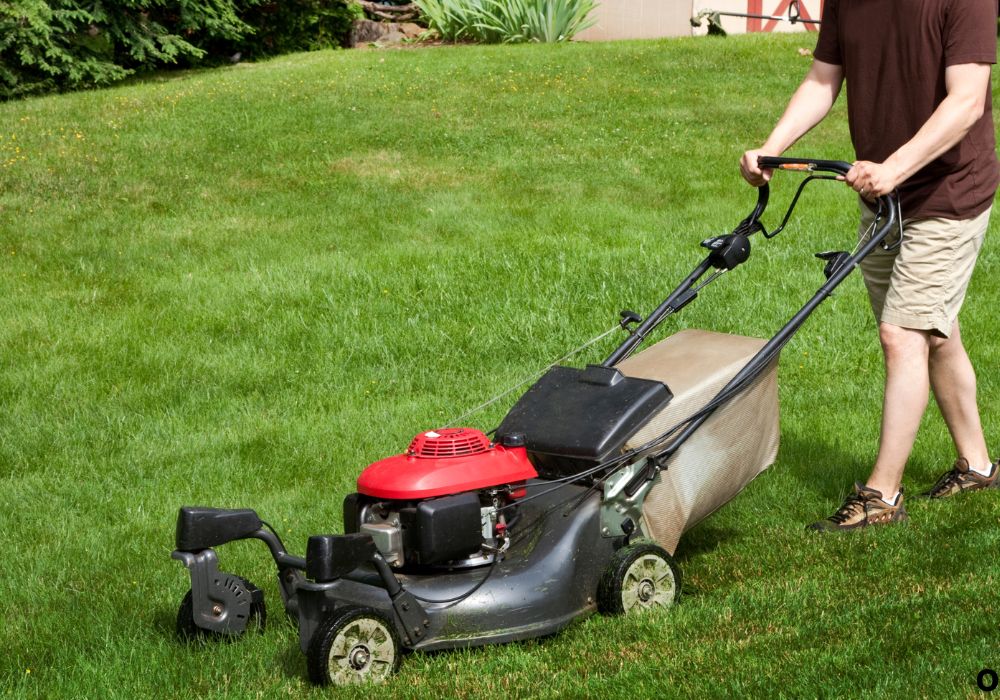
Before learning how to push a lawn mower properly, it’s essential to focus on safety and body mechanics.
Most mowing-related injuries happen not because of the equipment but due to poor preparation, rushed movement, and incorrect posture. Starting with proper setup ensures both protection and efficiency.
Always inspect the mowing area before turning on the engine. Remove debris like stones, sticks, and toys that could become projectiles once the blades begin spinning. Mow only on dry grass, as wet turf increases the risk of slips, clogged decks, and uneven cutting.
According to the Centers for Disease Control and Prevention (CDC), slips and falls account for a large portion of yard-related injuries every year (source).
Next, wear the right personal protective equipment (PPE)—sturdy footwear, gloves, eye protection, and hearing guards. Loose clothing or sandals should be avoided, as they can get caught in moving parts.
Once equipped, check the mower’s handle height and adjust it so your elbows remain slightly bent, your wrists stay neutral, and your shoulders feel relaxed.
Good ergonomics means pushing with your legs, not your back. Keep your core engaged, walk with steady steps, and let the mower roll forward naturally instead of forcing it.
These small habits protect your joints, reduce fatigue, and make every mowing session safer and smoother.
Cutting Height and Sharp Blades
One of the most overlooked steps in how to push a lawn mower properly is setting the correct cutting height and maintaining sharp blades.
The combination of these two factors determines how cleanly your mower cuts, how healthy your grass stays, and how much physical effort is required to push the machine.
Start by following the one-third rule: never cut more than one-third of the grass blade in a single session. Cutting too short weakens the roots and forces the mower to work harder, increasing resistance and energy use.
Most lawns perform best when maintained between 2.5 to 3.5 inches in height, depending on the grass type and season. According to Scotts Lawn Care, cutting too low can reduce lawn density and invite weeds to spread (source).
Blade sharpness is just as crucial. Dull blades tear the grass rather than slice it, leaving frayed tips that turn brown and make your lawn appear unhealthy. Moreover, a dull blade requires more pushing force and puts additional strain on the mower’s engine.
Before each mowing season, inspect and sharpen the blades at least twice, or more often if the mower is used frequently. Proper height settings and sharp blades not only produce an even, professional-looking cut but also make mowing noticeably easier and more efficient.
How to Push a Lawn Mower Properly: Stance, Grip, and Pace
Perfecting your stance and rhythm is at the core of how to push a lawn mower properly. Even the best mower will struggle to perform if your body mechanics are off or your pace is inconsistent.
By using the right form and movement, you can cut evenly, stay comfortable, and reduce unnecessary fatigue.
Start by standing tall with a slight forward lean from the ankles, not the waist. Keep your shoulders relaxed, elbows close to your sides, and wrists straight.
Adjust the mower handle so your hands rest comfortably at waist height. This alignment keeps your upper body steady and prevents back or wrist strain during longer sessions.
As you push, let your legs drive the motion while your arms simply guide the mower. Avoid forcing it forward—most modern mowers are designed to roll smoothly when the wheels and deck are properly maintained.
Maintain a natural walking pace rather than rushing; moving too quickly can leave patches of uncut grass, while pushing too slowly may bog the mower down in thick spots.
For the cleanest results, slightly overlap each pass by about two to three inches. This prevents streaks and ensures complete coverage without leaving uneven patches behind.
Consistent pace, balanced posture, and mindful control transform mowing from a tiring chore into an efficient, rhythm-based routine that delivers professional results every time.
Efficient Mowing Patterns for Clean and Fast Results
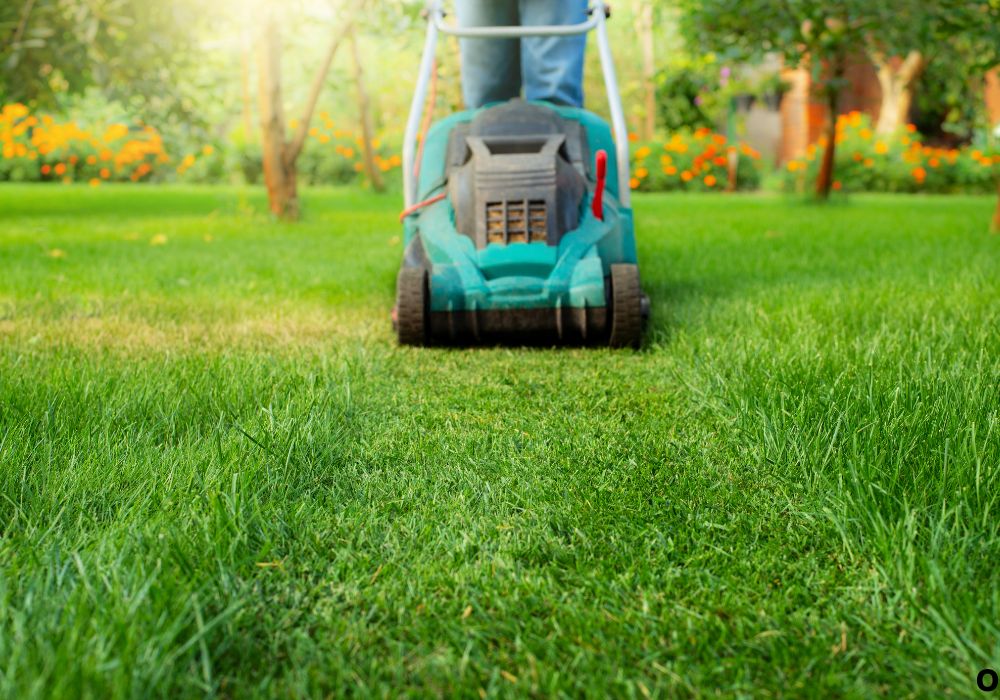
Once your stance and pace are steady, the next step in how to push a lawn mower properly is mastering mowing patterns. The way you move across your lawn can dramatically affect both the time it takes to finish and how even the final cut looks.
A smart mowing pattern prevents missed spots, reduces overlaps, and keeps your turf healthier in the long run.
Begin by mowing the perimeter of your lawn first. This creates a clear turning zone and helps you navigate edges and corners without damaging flowerbeds or fences.
After that, mow in straight, parallel lines across the longest section of your yard. Keep your eyes fixed on a distant point ahead to maintain straight passes.
Overlapping each line slightly—about the width of one wheel—ensures full coverage without leaving stripes of uncut grass.
To promote uniform growth and avoid soil compaction, alternate your mowing direction each time you mow. For example, mow north-to-south one week and east-to-west the next.
According to The Spruce, changing directions helps grass blades stand upright and prevents ruts from forming in the soil (source).
Avoid tight turns or constant pivoting, as this can scalp the grass and tire out your arms. Instead, use wide, gentle turns at the end of each row.
By combining consistent pacing with an efficient pattern, you’ll cover more ground with less effort and achieve a professional, even finish across your entire lawn.
Edges, Obstacles, and Tight Spots
Every lawn has tricky areas—fence lines, flower beds, trees, and walkways—and knowing how to push a lawn mower properly around them separates an average cut from a professional finish.
These zones require precision, patience, and controlled movements to avoid damaging both your mower and the surrounding landscape.
Begin by slowing down as you approach edges or obstacles. Keep your grip firm but relaxed, and guide the mower gently without forcing it. Lift the front wheels slightly when pivoting near tight corners to maintain balance and prevent scalping.
When mowing near driveways or garden borders, position the wheels so one side stays on solid ground—this provides stability and cleaner edge lines.
Before every mowing session, remove visible debris like stones, sticks, or toys. Even small objects can become dangerous projectiles when struck by spinning blades.
The Consumer Product Safety Commission (CPSC) reports that thousands of lawn-related injuries each year are caused by debris ejected from mower decks (source).
For areas your mower can’t safely reach—such as under shrubs or close to fences—switch to a trimmer or edging tool for precision work.
Avoid trying to tilt or force the mower into tight spaces, as this increases the risk of tip-over or blade contact. Working patiently and maintaining steady control ensures crisp edges, consistent coverage, and a well-manicured finish throughout your lawn.
Slopes, Wet Areas, and Uneven Ground
Understanding how to handle different terrains is a crucial part of how to push a lawn mower properly. Mowing on slopes or damp areas poses serious risks if not approached with care.
Poor footing, loss of control, or sliding on wet grass are common causes of lawn mower injuries every year, making proper technique essential for both safety and performance.
Always inspect your yard for uneven patches or sloped areas before you begin. When mowing on a hill, move side to side across the slope rather than up and down.
This reduces the risk of slipping and keeps your balance centered behind the mower. If a slope feels too steep or unstable, use a trimmer instead of forcing the mower—stability should always come first.
Never mow on wet or dew-covered grass, as moisture makes the surface slippery and clogs the mower deck. According to Family Handyman, wet mowing not only risks accidents but also tears grass instead of cutting it cleanly, which can lead to fungal growth and disease (source).
On uneven ground, maintain a slower, steady pace and slightly raise the cutting height to avoid scalping or damaging the blades. Keep your eyes ahead, not on your feet, and let your legs adjust naturally to minor dips.
With a firm grip, balanced stance, and dry conditions, you’ll maintain control even on challenging terrain while ensuring a smooth, even cut.
Conclusion
Mastering how to push a lawn mower properly is more than just about moving in straight lines—it’s about efficiency, safety, and precision.
Every detail, from your stance and grip to cutting height and mowing pattern, plays a role in creating a clean, professional-looking lawn while protecting both your body and equipment.
Proper technique prevents uneven cuts, reduces strain, and minimizes fuel or energy use. Maintaining sharp blades, following the one-third rule, and mowing in alternating directions all contribute to healthier, greener grass that grows evenly over time.
Equally important is safety. Wearing the right protective gear, mowing only on dry ground, and respecting slopes or obstacles ensures every session stays accident-free.
A few extra minutes spent checking your surroundings and adjusting your posture can save hours of effort and potential injury later.
When done right, mowing becomes less of a chore and more of a satisfying rhythm—each pass improving the look and health of your yard.
With these techniques, you’ll push smarter, not harder, achieving professional-level results and extending the lifespan of your mower and lawn with every cut.

I’m Maya L. Greenwood, a lifelong plant lover who believes anyone can grow something beautiful with the right guidance. After years of testing soil mixes, pruning methods, irrigation tricks, and pest-safe solutions, I started EasyGardenTips.com to turn hard-won lessons into step-by-step advice. From seed starting and container gardens to composting and seasonal checklists, my goal is to make gardening simple, sustainable, and fun.