
A new lawn mower often runs perfectly straight out of the box, but without proper maintenance, that smooth performance can fade quickly.
Many homeowners assume new equipment needs little care during the first season, only to face rough starts, uneven cuts, or early engine wear within months.
The truth is, early maintenance is what separates a mower that lasts one season from one that lasts a decade.
Every moving part inside a mower, from the engine oil to the cutting blades, needs attention right from the start. During the break-in period, tiny metal particles from new components can contaminate the oil if not replaced on time.
According to Tractor Supply, skipping the first oil change can shorten engine life and void manufacturer warranties (source). Similarly, the Outdoor Power Equipment Institute notes that neglecting basic upkeep can reduce mower efficiency by up to 15% annually (source).
Understanding how to maintain a new lawn mower ensures every part performs at peak efficiency. Simple habits like changing oil, cleaning the air filter, and sharpening blades protect the engine and guarantee a clean, even cut every time.
Regular care also improves fuel economy, prevents corrosion, and extends the mower’s lifespan significantly.
Why Early Maintenance Matters for a New Mower
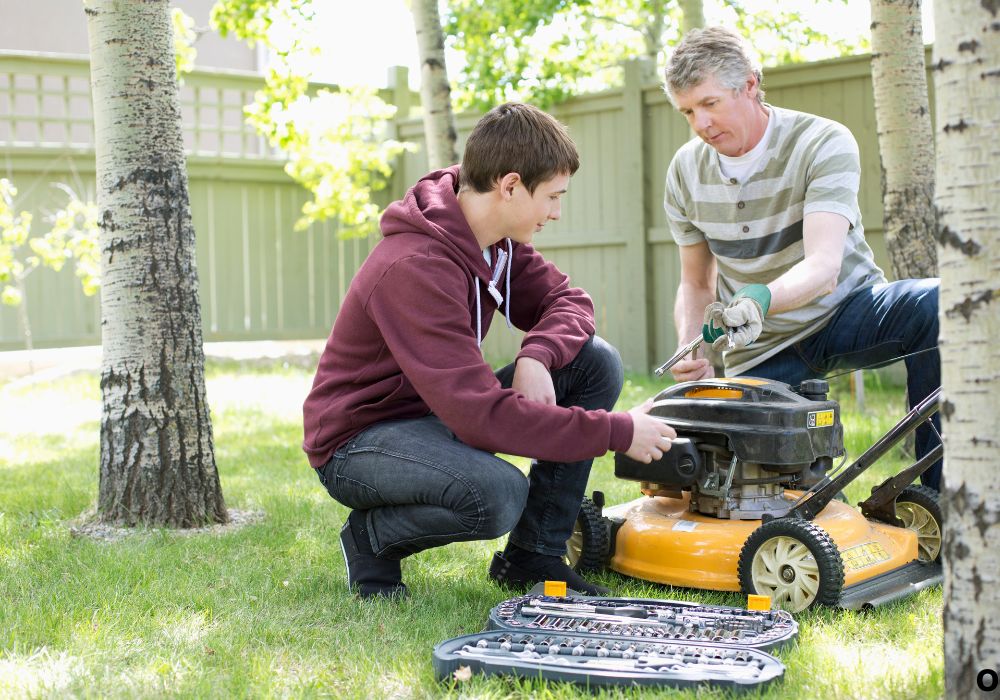
A new lawn mower may look spotless and sound powerful, but beneath its polished exterior, each component is beginning its break-in process. During this period, the engine’s internal parts create friction as they settle into proper alignment.
Without early maintenance, this natural wear can lead to performance issues, oil contamination, and shorter engine life.
The first few hours of operation are critical for ensuring long-term reliability. Changing the oil after the initial break-in removes tiny metal particles that accumulate during early use. These particles can circulate through the engine and cause damage if left unchecked.
According to Briggs & Stratton, new mowers should have their oil changed after the first 5 hours of operation to maintain optimal lubrication and prevent overheating (source).
Early maintenance also keeps warranties valid and performance consistent. Manufacturers often require proof of proper upkeep for coverage, and skipping the first oil or filter change can void protection.
Proper early care also prevents issues like hard starts, rough idling, and reduced fuel efficiency that often appear within the first season of neglect.
Beyond the engine, cleaning and inspecting the mower deck, blades, and air filter ensures smoother operation.
Dirt, grass clippings, and moisture can cause early corrosion and block airflow, reducing cutting power. Regular cleaning helps maintain airflow and preserves both blade sharpness and fuel efficiency.
Early maintenance is not an optional step—it’s an investment in the mower’s longevity. By following the correct break-in routine and keeping components clean and lubricated, your new mower will continue delivering powerful, reliable performance for years to come.
Q: Why maintain a brand-new mower differently?
A: New engines shed fine metal shavings during early use, which must be removed to prevent damage.
Q: What happens if the first oil change is skipped?
A: Contaminants stay in circulation, increasing wear and reducing engine lifespan.
Q: Does early maintenance affect warranty coverage?
A: Yes, neglecting scheduled maintenance can void most manufacturer warranties.
Q: Why should air filters be checked early?
A: Clogged filters strain the engine and reduce efficiency even in new mowers.
Q: How soon should the first inspection take place?
A: After 5 hours of use or within the first month, depending on usage frequency.
Basic Routine Maintenance Tasks

Routine maintenance is the backbone of keeping any new mower in top condition. Even the most advanced models rely on consistent care to perform efficiently.
Simple tasks like changing oil, inspecting air filters, checking spark plugs, and cleaning the mower deck can prevent costly repairs and extend the machine’s lifespan.
Oil changes are among the most critical maintenance steps. The engine oil lubricates moving parts, reduces friction, and prevents overheating.
Fresh oil should replace the factory fill after the first 5 hours of use, then every 50 hours or at the start of each mowing season. According to Briggs & Stratton, using the correct oil type and keeping it clean can extend engine life by up to 50% (source).
Next, focus on the air filter. A dirty air filter limits airflow, forcing the engine to burn more fuel while reducing power. Foam filters can be washed and re-oiled, while paper filters should be replaced regularly.
Checking the filter after every 10 hours of mowing helps prevent clogging and ensures consistent performance.
Spark plug maintenance is equally important. Replacing the spark plug each season guarantees reliable starting and efficient combustion.
Meanwhile, the mower deck should be cleaned after every use. Grass buildup under the deck traps moisture and causes rust, leading to corrosion and uneven cutting. A scraper or plastic putty knife can safely remove dried clippings without damaging the surface.
Routine maintenance not only preserves performance but also boosts efficiency and safety. Consistent attention to oil, filters, and blades keeps the mower running like new and ready for every mowing season.
Q: How often should the oil be changed?
A: After the first 5 hours, then every 50 hours or at the start of each season.
Q: How frequently should the air filter be cleaned or replaced?
A: Inspect it every 10 hours and replace it if it appears clogged or damaged.
Q: When should spark plugs be replaced?
A: Once a year or after every 25–50 hours of use for consistent starting.
Q: Why is cleaning the mower deck important?
A: It prevents rust, maintains airflow, and ensures even cutting performance.
Q: What happens if routine maintenance is skipped?
A: The mower may lose power, run inefficiently, or suffer early engine wear.
Fuel, Lubrication, and Engine Care
Fuel and lubrication play vital roles in ensuring a new mower operates smoothly. Using fresh, high-quality fuel and applying proper lubrication at regular intervals helps the engine perform efficiently while reducing the risk of damage. Ignoring these simple steps can lead to clogged carburetors, corrosion, and early engine failure.
Start with the fuel. Always use fresh gasoline with an octane rating of at least 87 and no more than 10% ethanol.
Old or contaminated fuel can cause hard starts, sputtering, or total engine shutdown. If the mower will sit unused for over 30 days, add a fuel stabilizer to prevent the gas from breaking down and forming deposits in the carburetor.
According to The Outdoor Power Equipment Institute, untreated fuel can begin degrading within 30 days, leading to sticky residue and reduced performance (source).
Lubrication is equally essential. Apply grease or oil to wheel bearings, deck spindles, and pivot points to prevent friction and wear.
Check for grease fittings or zerk points listed in the owner’s manual, and clean these areas before reapplying lubricant. Proper lubrication keeps the mower operating quietly and prevents premature wear on mechanical parts.
For engine care, monitor belts, cables, and pulleys regularly. Frayed or loose belts can reduce power transmission between the engine and blades. Check for leaks, cracks, or loose fittings around the fuel and oil systems.
Replace the spark plug wire if corrosion is visible. Keeping the engine clean from debris and dust improves cooling and prevents overheating.
Attention to fuel and lubrication not only enhances performance but also ensures the mower runs reliably through every season. Regular inspections and small preventive actions can add years of service life to your machine.
Q: What type of fuel should be used in a new mower?
A: Use fresh, unleaded gasoline with up to 10% ethanol and an octane rating of 87 or higher.
Q: When is a fuel stabilizer necessary?
A: Add it if the mower will be stored for more than 30 days to prevent fuel degradation.
Q: Which parts need regular lubrication?
A: Wheel bearings, pivot points, deck spindles, and any fittings indicated by the manufacturer.
Q: How often should belts and cables be checked?
A: Inspect them monthly or after every 25 hours of use to ensure proper tension and condition.
Q: Why is keeping the engine clean important?
A: It prevents overheating, improves airflow, and extends the life of internal components.
Safety Checks and Pre-Use Inspections
Before every mowing session, taking a few minutes for basic safety checks can prevent accidents and protect your new mower from unnecessary damage.
Routine inspections help catch loose parts, leaks, or worn components before they turn into costly repairs. A consistent pre-use routine ensures both the machine’s safety and your own.
Start by checking all bolts, nuts, and fasteners. Vibrations from previous mowing sessions can loosen them over time, affecting stability and cutting accuracy.
Ensure that the mower blade is firmly attached and balanced; an unbalanced blade can cause heavy vibration and damage the crankshaft. Also, check the tire pressure if using a self-propelled or riding mower, as uneven pressure can lead to an uneven cut.
Next, inspect all fluid levels. Check the engine oil, fuel, and, if applicable, hydraulic fluid or battery charge levels. Always use a dipstick to confirm the oil is at the correct mark and clean before starting the mower.
Examine the air filter for debris or dirt buildup and clear away any visible clogs. A clean filter ensures the engine receives the right air-to-fuel mixture for efficient combustion.
Visually inspect wiring, belts, and control cables. Make sure all connections are secure and free from fraying or corrosion.
Any exposed or worn wire should be replaced immediately to avoid electrical shorts or starting issues. Lastly, remove any debris from around the mower deck or exhaust area to prevent overheating or fire hazards.
Consistent pre-use inspections don’t take long but greatly extend the mower’s life and reliability. By incorporating them into your mowing routine, you ensure every session begins safely and ends with a clean, even cut.
Q: What should be inspected before each mowing session?
A: Check the oil, fuel, bolts, belts, air filter, and tires for proper condition and stability.
Q: Why is blade balance so important?
A: An unbalanced blade causes vibration, uneven cuts, and potential engine damage.
Q: How can tire pressure affect mowing results?
A: Uneven pressure tilts the deck, leading to inconsistent grass height.
Q: Should electrical connections be checked regularly?
A: Yes, loose or corroded wires can cause starting or safety system failures.
Q: How often should air filters be cleaned or replaced?
A: Check before each use and clean or replace when visibly dirty for best airflow.
Conclusion
Maintaining a new mower is not just about protecting your investment — it’s about ensuring consistent performance and a longer lifespan.
Knowing how to maintain a new lawn mower properly keeps the engine strong, the blades sharp, and every mowing session smooth and efficient.
A few minutes of care after each use can prevent costly breakdowns and extend the life of key components.
From early oil changes to seasonal storage preparation, every maintenance step plays a role in keeping the mower at peak performance. Regular cleaning, lubrication, and inspections reduce wear while improving fuel efficiency and cutting quality.
Proper care also helps maintain warranty coverage and ensures your machine is always ready when the grass starts growing again.
A well-maintained mower not only delivers cleaner, more even cuts but also contributes to a healthier, greener lawn. The attention given to maintenance today determines the reliability of your mower tomorrow.
By following these proven steps, you’ll keep your new lawn mower running smoothly, save money on repairs, and enjoy effortless mowing season after season.

I’m Maya L. Greenwood, a lifelong plant lover who believes anyone can grow something beautiful with the right guidance. After years of testing soil mixes, pruning methods, irrigation tricks, and pest-safe solutions, I started EasyGardenTips.com to turn hard-won lessons into step-by-step advice. From seed starting and container gardens to composting and seasonal checklists, my goal is to make gardening simple, sustainable, and fun.