
When the first warm weekend of spring arrives, most homeowners dust off their mowers, ready to tackle the growing grass. For many, that moment brings a familiar question — will the mower still run as smoothly as last year?
Electric lawn mowers have become the go-to choice for convenience, low maintenance, and quiet performance. Yet, like all machines, they eventually wear out. Some owners report years of flawless operation, while others face issues after just a few seasons.
The truth is, an electric mower’s lifespan depends on care, usage habits, and quality. Unlike gas mowers, electric ones don’t rely on fuel combustion or spark plugs, which means fewer parts to fail — but the motor and battery still need proper attention.
If maintained correctly, most electric mowers last nearly a decade. This guide explains exactly how long they last, what shortens their lifespan, and how to extend it easily.
Whether you’re deciding to buy your first mower or want to make your current one last longer, understanding its life expectancy will save time, money, and frustration in the long run.
Average Lifespan of Electric Lawn Mowers
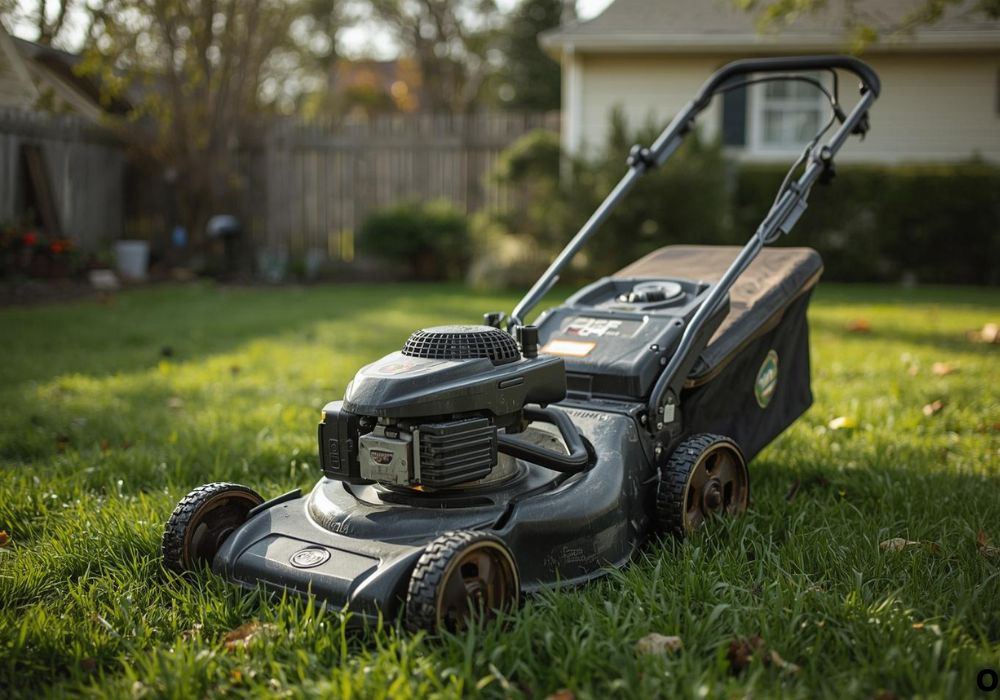
On average, electric lawn mowers last between eight and ten years, depending on their design, quality, and usage conditions. Corded models can last even longer since they don’t rely on batteries that wear out.
Cordless versions, powered by lithium-ion batteries, typically maintain strong performance for about eight years. Their battery packs usually need replacement every three to five years, depending on how often and how long you mow.
Build quality plays a significant role. Premium brands use durable decks, sealed bearings, and brushless motors that resist overheating. Entry-level models with cheaper components may show decline sooner.
Storage conditions also matter. Keeping your mower in a dry garage or shed shields it from temperature swings that damage wiring and plastic. Regular cleaning prevents moisture and corrosion.
Ultimately, the average electric mower easily outlasts many gas models. Because there are fewer moving parts and no oil or fuel systems to maintain, wear and tear happen more slowly. With simple care, an electric mower can keep your lawn looking sharp for nearly a decade or more.
Factors That Affect an Electric Mower’s Lifespan
Several key factors influence how long your mower stays efficient and reliable. Usage frequency is one of the most important. A mower used twice weekly through long growing seasons experiences more wear than one used occasionally.
Grass density also plays a role. Tall, wet, or thick grass forces the motor to work harder, raising heat and reducing component longevity. Mowing regularly and keeping blades sharp helps prevent this strain.
Battery health is another major factor. Deeply discharging a lithium-ion battery or storing it in extreme heat or cold shortens its lifespan dramatically. Charge after every use and store it indoors at moderate temperatures to preserve capacity.
Cleaning habits make a surprising difference. Grass clippings left under the deck trap moisture, causing corrosion and reduced airflow. A quick brush or rinse after mowing prevents buildup and improves motor cooling.
Finally, where you store your mower affects its durability. Leaving it outside exposes electronics to humidity and sunlight that can crack plastic and fade wiring insulation. A clean, dry space ensures your mower runs smoothly season after season.
Signs Your Electric Mower Is Nearing Its End
Even durable machines show signs of fatigue after years of service. The most common indicator is declining battery runtime. If your mower suddenly lasts half as long per charge despite full charging, the battery may be nearing its limit.
Another warning is uneven or incomplete cutting. If sharp blades no longer produce a clean finish, internal motor wear could be the cause. Overheating or stalling mid-cut are additional symptoms of declining performance.
You might also notice unusual noises — humming, clicking, or grinding — coming from the motor housing. These can signal worn bearings or internal misalignment. Burning smells or excessive vibration are signs it’s time for inspection or replacement.
Persistent startup issues are another clue. If your mower refuses to start even after recharging or resetting safety switches, internal circuitry could be failing.
In many cases, replacing a worn battery or blade solves minor issues, but if multiple symptoms appear together, the mower’s lifespan may be nearing its end. Recognizing these early signs helps you decide whether repair or replacement makes better sense.
Battery Longevity: The Core of Your Mower’s Lifespan
A mower’s battery is its powerhouse, and how you treat it determines how long the entire machine lasts. Most lithium-ion batteries endure between 500 and 800 charge cycles, equivalent to three to five years of typical mowing.
To maximize battery health, never store it fully drained. Recharge after use, but unplug once fully charged to prevent heat stress. Overcharging or leaving the battery connected for days can cause premature wear.
Temperature matters greatly. Batteries stored in hot garages lose capacity faster, while those kept in freezing conditions suffer internal cell damage. A cool, dry place around 50–80°F is ideal for long-term storage.
Avoid charging immediately after mowing since batteries warm up during operation. Allow them to cool before recharging. This small habit greatly extends battery life.
When the mower’s power weakens even after full charging, it’s time to replace the battery. Doing so revives cutting strength and adds several more years of reliable service. Treat your battery like the heart of your mower — consistent care ensures long, steady performance.
Maintenance Tips to Extend Your Mower’s Life
Proper maintenance is the easiest way to add years to your mower’s lifespan. After every use, clear grass from the deck and wheels. Clippings left behind trap moisture and restrict airflow, straining the motor.
Keep the blades sharp — dull blades make the motor work harder, increasing energy draw and battery wear. Sharpening every few months ensures smooth, efficient cuts that save both power and time.
Check for loose bolts, damaged cords, or cracked housings periodically. Early repairs prevent costly replacements later. For cordless models, inspect the battery terminals for corrosion and wipe them clean with a dry cloth.
During off-season months, clean the mower thoroughly and store it in a covered, temperate space. Avoid leaving it outdoors or near damp walls.
Following the manufacturer’s maintenance guidelines guarantees consistent performance. A few minutes of care each week can easily turn an average mower lifespan into a decade of dependable service.
Comparing Electric vs Gas Mower Lifespan
When comparing lifespan, electric mowers often outperform their gas counterparts. Gas engines endure high temperatures, vibrations, and residue buildup from fuel combustion, which accelerates wear.
Electric mowers, by contrast, operate with brushless motors that generate less friction and heat. This design dramatically reduces internal stress, making them more reliable in the long term.
A well-maintained electric mower lasts 8–10 years, while most gas mowers need replacement around the five- to seven-year mark. Electric units also eliminate common mechanical failures like carburetor clogs and oil leaks.
Maintenance costs further highlight the difference. Gas mowers require regular oil changes, spark plugs, and fuel stabilizers, while electric ones rely only on battery upkeep and occasional blade sharpening.
Even if you replace the battery once or twice, the overall ownership cost remains lower. Over time, electric mowers provide cleaner operation, fewer repairs, and longer-lasting value.
For most homeowners, switching to electric means trading routine maintenance headaches for simplicity and steady performance that endures for years.
When to Repair and When to Replace
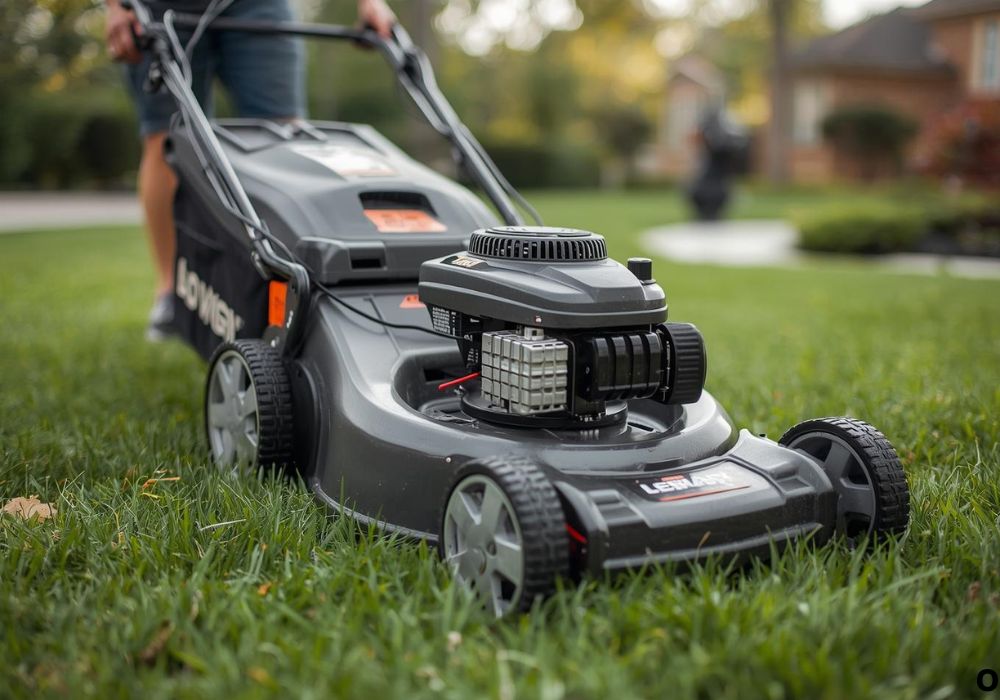
Every mower reaches a point where repairs stop being worthwhile. The key is knowing when that moment arrives. If your mower still cuts well but battery life has declined, replacing the battery is a smart, inexpensive fix.
However, if you’re facing frequent electrical faults, overheating, or broken decks, replacement may be better. Once repair costs exceed half the price of a new mower, investing in an upgrade saves money and ensures reliability.
Technological improvements also justify replacement. Newer mowers often feature longer runtimes, faster charging, and stronger torque, giving better performance with less energy.
Before discarding an old mower, explore recycling or donation programs. Many communities refurbish working units for schools, nonprofits, or public gardens.
Making the right decision between repair and replacement balances cost, efficiency, and sustainability. With timely choices, you’ll enjoy modern features while keeping old equipment out of landfills — a win for your lawn and the planet.
Everything You Need to Know About Electric Mower Longevity
How long does an electric lawn mower last?
Most models last eight to ten years with regular maintenance.
How long do batteries last?
Three to five years, depending on charge cycles and care.
Are corded mowers more durable than cordless?
Yes, since they don’t rely on batteries that degrade.
Can I replace my mower battery myself?
Yes, most brands use easy plug-and-play battery systems.
Does mowing wet grass harm the motor?
Yes, wet grass increases resistance and may cause overheating.
Can sharpening blades extend life?
Absolutely — it reduces motor load and power consumption.
How often should I service my mower?
A quick inspection and cleaning once a season is ideal.
Does cold weather damage batteries?
Extreme cold reduces battery capacity, so store them indoors.
Is battery replacement worth it after five years?
Yes, a new battery restores full performance for several more seasons.
Do self-propelled models wear faster?
They may, due to added components, but good care balances wear.
Are premium brands longer lasting?
Generally yes, they use stronger motors and durable housing.
Can improper storage shorten lifespan?
Definitely — moisture and heat can corrode parts quickly.
Can I recycle an old electric mower?
Yes, most recycling centers accept them and reuse materials.
How long does a budget mower last?
Around six to eight years with consistent upkeep.
Can an electric mower last over ten years?
With careful maintenance and timely battery replacement, absolutely.
Conclusion
Electric lawn mowers have proven to be more than just an eco-friendly trend — they’re a long-term investment in simplicity, efficiency, and sustainability. Their combination of quiet performance, low maintenance, and reliable power makes them an excellent choice for most homeowners.
Unlike gas mowers that demand constant care and frequent repairs, electric models operate with fewer moving parts and minimal upkeep. This not only saves money but also eliminates the hassle of oil changes, filters, and fuel storage.
The average electric mower lasts close to a decade, and some models easily exceed that with proper storage and cleaning. Replacing the battery after a few years breathes new life into the machine, allowing it to perform like new again.
Every mowing session becomes smoother and quieter, letting you enjoy your yard instead of fighting noisy engines or messy maintenance. It’s a cleaner, smarter way to keep your lawn looking perfect all season long.
The real value of an electric mower isn’t just in its longevity but in the freedom it provides — freedom from fumes, constant repairs, and the stress of mechanical upkeep. With each use, you save time, money, and energy while reducing your carbon footprint.
Whether you’ve just bought one or have used yours for years, remember that consistent care ensures it keeps running strong. Clean after every cut, charge responsibly, and store it safely through the off-season.
Do that, and your electric mower won’t just last — it will reward you with years of dependable performance, effortless mowing, and peace of mind that you made a smart, sustainable choice for both your yard and the planet.

I’m Maya L. Greenwood, a lifelong plant lover who believes anyone can grow something beautiful with the right guidance. After years of testing soil mixes, pruning methods, irrigation tricks, and pest-safe solutions, I started EasyGardenTips.com to turn hard-won lessons into step-by-step advice. From seed starting and container gardens to composting and seasonal checklists, my goal is to make gardening simple, sustainable, and fun.