
Draining a swimming pool can be a daunting task for many homeowners. Large volumes of water, heavy equipment, and the risk of damage to the pool structure make this chore seem complicated and time-consuming.
Traditional pool pumps can be expensive or unavailable, but a simple garden hose offers a cost-effective and accessible alternative. Many homeowners underestimate how effective a garden hose can be in lowering water levels efficiently while minimizing the risk of flooding surrounding areas.
Properly draining a pool with a garden hose is not just about convenience—it also protects the pool’s integrity. According to the Pool & Spa Warehouse, improper drainage is a leading cause of structural damage and liner tears in residential pools, affecting up to 20% of pools that are drained annually (poolandspawarehouse.com). Learning the correct techniques can save time, reduce water waste, and prevent costly repairs.
Understanding how to set up a garden hose for pool drainage, managing flow rates, and monitoring water levels ensures the process is safe and efficient. With the right approach, homeowners can drain pools gradually, avoid soil erosion, and maintain control over water disposal.
Understanding Pool Drainage Principles

Draining a swimming pool involves more than simply removing water—it requires understanding water flow, pressure, and the structural considerations of the pool. Proper drainage ensures safety, prevents damage to the pool shell, and maintains the surrounding landscape.
Water naturally follows gravity, so positioning the garden hose correctly is critical for efficient drainage. Placing the end of the hose in a lower area or using siphoning techniques allows water to flow steadily without needing mechanical pumps.
Flow rate is another important factor. Removing water too quickly can erode soil, destabilize pool walls, or cause uneven pressure on liners and tiles. Controlled, gradual drainage prevents structural issues and ensures the pool remains safe for future use.
Using a garden hose for pool drainage leverages the siphoning principle. Once the hose is filled with water, gravity carries water through the hose and away from the pool. This method is cost-effective, energy-efficient, and reduces reliance on electric pumps, which can be noisy and expensive.
Monitoring water levels throughout the process is essential. Sudden changes or over-draining can expose the pool floor and walls to damage, particularly in vinyl or fiberglass pools, which are more susceptible to cracks and deformation.
Environmental considerations also play a role in drainage planning. Avoiding areas with landscaping, foundations, or sensitive vegetation ensures that the water does not cause flooding, erosion, or property damage. Following proper drainage principles protects both the pool and its surroundings.
By understanding these basic principles—gravity, flow rate, siphoning, and structural impact—homeowners can drain pools efficiently and safely using a garden hose. Knowledge of these factors lays the foundation for effective setup, tool selection, and step-by-step drainage procedures.
Tools and Materials Needed for Pool Drainage
Proper preparation is key to draining a swimming pool efficiently and safely with a garden hose. Having the right tools and materials ensures controlled water removal while minimizing risk of damage to the pool or surrounding area.
A standard garden hose is the most essential tool. The hose must be long enough to reach a safe drainage area and capable of handling consistent water flow without kinks or leaks.
Hose clamps or fittings can help secure the hose to a pool outlet or skimmer. A tight connection prevents water from escaping at the source and maintains a steady flow throughout the drainage process.
Buckets or containers are optional but useful for monitoring water removal and ensuring controlled distribution. For smaller pools or partial drainage, these can help prevent soil erosion and localized flooding.
Safety equipment, including gloves and non-slip footwear, is important when working around wet surfaces. Protective gear minimizes the risk of injuries, particularly when dealing with heavy water volumes or slippery pool decks.
Additional materials may include markers to indicate target water levels and timers to track drainage duration. Monitoring the process ensures even water removal and prevents over-draining that could stress pool walls or liners.
Optional tools such as a siphon pump or submersible pump can expedite the process if the hose alone is insufficient. These devices provide greater control over flow rate, making them suitable for larger pools or faster drainage needs.
By assembling all necessary tools and materials before starting, homeowners can drain a swimming pool safely, efficiently, and without creating mess. Proper preparation ensures smooth water flow, protects the pool structure, and supports a controlled, effective drainage process.
Step-by-Step Guide to Draining a Pool with a Garden Hose
Draining a swimming pool with a garden hose requires careful setup and attention to detail to avoid damage and ensure efficiency. Following a structured approach allows homeowners to control water flow and prevent over-draining.
Step 1: Choose the Drainage Location
Select a safe area where the water can flow without flooding landscaping, foundations, or nearby structures. Ensure local regulations allow drainage in the chosen area to avoid environmental or legal issues.
Step 2: Prepare the Hose
Check the hose for leaks and ensure it is long enough to reach the drainage area. Connect it securely to the pool’s outlet, skimmer, or siphon point to maintain a continuous water flow.
Step 3: Initiate the Siphon
Fill the hose completely with water to start the siphon process. Gravity will carry the water from the pool through the hose to the lower drainage area.
Step 4: Control the Flow Rate
Monitor water speed to prevent soil erosion or damage to the pool’s walls. Adjust hose positioning or use a clamp to regulate flow and ensure gradual, controlled drainage.
Step 5: Monitor Water Levels
Regularly check the pool’s water level to avoid over-draining. Maintaining a minimum water level protects pool surfaces, liners, and surrounding structures from exposure or stress.
Step 6: Complete the Drainage
Once the desired water level is reached, remove the hose carefully and secure any pool fittings. Ensure the drained water is safely dispersed and the pool is ready for cleaning, maintenance, or refilling.
Step 7: Post-Drain Maintenance
Clean the hose and pool fittings, and store equipment properly for future use. Inspect the pool for debris or damage before refilling to maintain long-term structural integrity.
Following these steps allows homeowners to drain a swimming pool effectively using a garden hose. Proper technique ensures safety, protects the pool, and prevents environmental or property damage while maintaining control over water removal.
Repairing and Maintaining the Pool After Drainage
Draining a swimming pool provides an opportunity to perform essential maintenance and repairs. Addressing minor issues while the pool is empty ensures long-term performance and prevents costly damage.
Inspect Pool Surfaces:
Check the pool floor, walls, and liner for cracks, stains, or wear. Early detection of damage allows for timely repairs and prevents leaks or structural deterioration.
Clean Debris and Sediment:
Remove leaves, dirt, and algae from the pool basin. Thorough cleaning prevents contamination and ensures water quality when the pool is refilled.
Check Pool Equipment:
Examine pumps, filters, and skimmers for wear or damage. Cleaning or replacing worn components improves circulation and water filtration efficiency.
Repair Small Cracks and Holes:
Apply appropriate patching compounds or pool sealants to minor cracks in concrete or vinyl liners. Properly sealed areas maintain structural integrity and prevent leaks.
Test Chemical Balance:
After drainage and cleaning, check pH, alkalinity, and chlorine levels. Balancing water chemistry prevents corrosion, scaling, and bacterial growth, ensuring a safe swimming environment.
Inspect Connectors and Hose Fittings:
Examine all water inlet and outlet fittings for leaks or wear. Replacing or tightening connectors ensures smooth operation and prevents future drainage issues.
Prepare for Refilling:
Ensure all repairs and maintenance steps are complete before adding water back into the pool. Proper preparation prevents contamination, damage, or uneven pressure on pool walls and surfaces.
By performing these maintenance tasks after draining, homeowners protect the pool’s structural integrity and prolong its lifespan. Regular post-drain care ensures cleaner, safer, and more efficient swimming conditions.
Safety Considerations During Pool Drainage
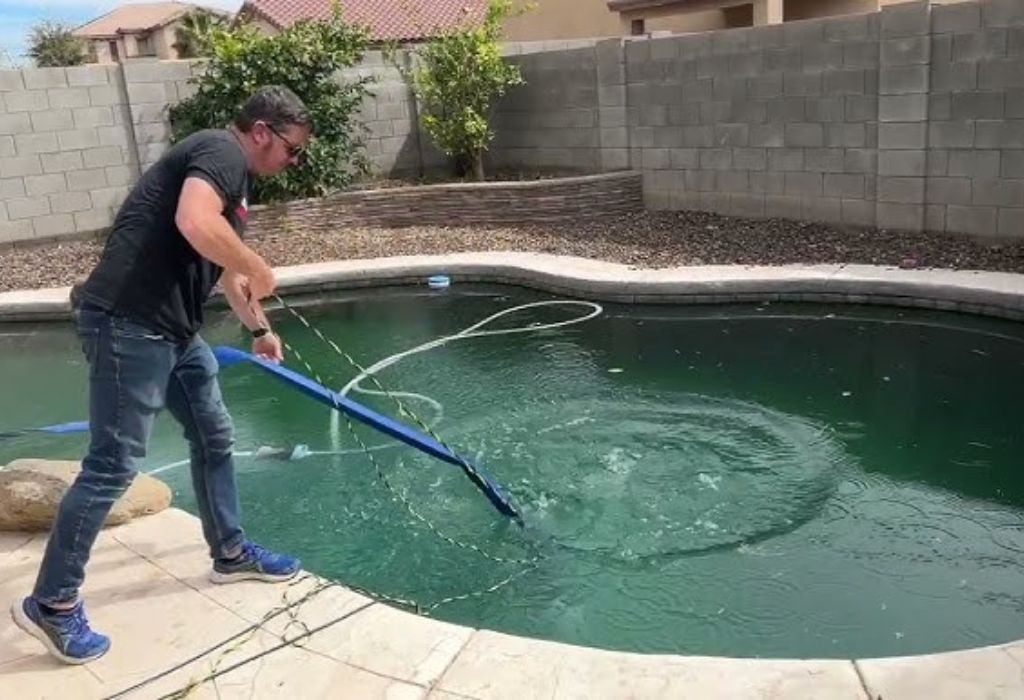
Draining a swimming pool involves handling large volumes of water, making safety a primary concern. Adhering to proper precautions minimizes the risk of accidents, injury, or damage during the process.
Always inspect hoses, fittings, and connectors for wear or leaks before beginning. Damaged equipment can fail under water pressure, causing sudden surges, flooding, or physical harm.
Wear appropriate protective gear, including gloves and non-slip footwear. Wet surfaces around pools are slippery, and handling hoses under pressure can lead to accidental injuries.
Monitor the pool area during drainage to ensure children, pets, and bystanders remain at a safe distance. Unsupervised access increases the risk of accidents and interference with water flow.
Avoid over-draining or rapid water removal, which can place uneven pressure on pool walls or liners. Gradual drainage maintains pool structural integrity and prevents cracks or liner deformation.
Be cautious when using additional equipment, such as submersible pumps or siphons. Proper training and adherence to manufacturer instructions ensure these tools enhance efficiency without creating hazards.
Following these safety considerations protects homeowners, pool structures, and surrounding property. Integrating planning, supervision, and protective measures ensures a controlled, efficient, and incident-free pool drainage process.
Preventing Future Pool Drainage Issues
Proper planning and maintenance can minimize complications during future pool drainage. Preventive measures protect both the pool structure and surrounding property while making the drainage process more efficient.
Regular Inspections:
Check pool surfaces, hoses, and connectors periodically for wear or damage. Identifying minor issues early reduces the risk of leaks or uneven drainage in the future.
Maintain Pool Equipment:
Ensure pumps, skimmers, and filtration systems are functioning properly. Well-maintained equipment reduces the need for emergency or rapid drainage and prevents equipment-related failures.
Plan Drainage Locations:
Designate safe areas for water release away from foundations, landscaping, or sensitive vegetation. Proper planning prevents flooding, soil erosion, and damage to property during drainage.
Use High-Quality Hoses and Connectors:
Invest in durable garden hoses, clamps, and fittings for drainage tasks. High-quality equipment reduces the likelihood of leaks, kinks, or hose failure during the drainage process.
Seasonal Preparation:
Drain pools gradually during seasonal maintenance, avoiding extreme water removal rates. Controlled drainage prevents structural stress, protects liners, and simplifies future water removal tasks.
Documentation and Tracking:
Keep a record of drainage dates, water levels, and maintenance steps. Tracking these details allows homeowners to optimize future drainage schedules and reduce potential issues.
By implementing these preventive strategies, homeowners can ensure future pool drainage is safe, controlled, and efficient. Planning, proper equipment, and proactive maintenance help avoid damage, save time, and make seasonal pool care more manageable.
Managing Water Flow and Pressure During Drainage
Controlling water flow and pressure is crucial when draining a swimming pool with a garden hose. Uncontrolled flow can cause soil erosion, damage pool walls, and make the process less efficient.
Hoses should be positioned to allow gradual water movement. Using the siphoning principle, water naturally travels through the hose without the need for excessive force, maintaining a steady flow and reducing strain on the hose or fittings.
Monitoring the flow rate prevents over-draining in sensitive areas. Homeowners should adjust the hose or use clamps to regulate water movement, ensuring even dispersion and protecting landscaping and structures.
For larger pools, dividing drainage into sections may help maintain controlled water flow. Sequential draining reduces pressure on the pool floor and walls while minimizing risks associated with rapid water removal.
High-pressure areas should be avoided near pool walls or delicate surfaces. Using longer hoses or diversion channels allows water to flow safely to an appropriate drainage location without causing damage.
Regularly inspecting hoses, connections, and water levels during the drainage process ensures consistent pressure. Timely adjustments prevent sudden surges or blockages, making the procedure safer and more effective.
Managing water flow and pressure effectively protects both the pool and surrounding property. Controlled drainage ensures the process is efficient, safe, and minimizes the risk of environmental or structural damage.
Environmental Considerations When Draining a Pool
Draining a swimming pool affects not only the property but also the surrounding environment. Considering water disposal methods prevents soil erosion, contamination, and legal complications.
Avoid draining directly onto lawns, gardens, or near storm drains. Excess water can flood plants, erode soil, and potentially carry chemicals such as chlorine into waterways, affecting local ecosystems.
Use designated drainage areas or connect hoses to permeable surfaces. This allows water to soak into the ground slowly and safely, minimizing the environmental impact while maintaining effective drainage.
Monitor chemical levels in the water before drainage. Reducing chlorine and other chemical concentrations prevents contamination of soil and nearby plants. Neutralizing chemicals may be necessary for safe disposal, depending on local guidelines.
Check local regulations regarding pool water disposal. Some municipalities have specific rules for releasing chlorinated or treated water to prevent harm to public waterways. Compliance ensures homeowners avoid fines and environmental damage.
Using controlled drainage methods, such as siphoning with a garden hose, directs water efficiently and responsibly. Planning drainage with environmental impact in mind safeguards property, preserves landscaping, and supports sustainable pool maintenance practices.
By addressing environmental considerations during drainage, homeowners can maintain safe practices and minimize the impact on surrounding areas. Proper planning ensures both the pool and its environment are preserved for long-term use.
Choosing the Right Location for Pool Drainage

Selecting a safe and effective drainage location is critical to prevent damage to your property and landscaping. Water discharged from a pool can quickly flood nearby areas, erode soil, or damage foundations if not properly directed.
Ideally, choose a location that is downhill from the pool to take advantage of gravity-assisted flow. This minimizes the need for pumps and ensures water moves efficiently away from structures and vegetation.
Avoid draining onto slopes that lead to neighboring properties or public areas, as this can violate local regulations and cause disputes. Checking municipal rules regarding water disposal helps homeowners stay compliant and environmentally responsible.
Consider soil composition when selecting the drainage area. Sandy or well-draining soil can handle larger volumes of water without pooling, whereas clay-heavy areas may retain water, causing temporary flooding or erosion.
Using hoses, buckets, or diversion channels helps direct water flow to the desired location. Creating a controlled drainage path reduces the risk of property damage and makes the drainage process more manageable.
Regularly inspecting and adjusting the chosen drainage location ensures it remains safe and effective for future pool maintenance. By planning ahead, homeowners can prevent water-related issues and maintain their pool environment efficiently.
Properly selecting and preparing the drainage location ensures safe, efficient, and environmentally responsible water removal. This step protects both the property and the pool infrastructure, providing a foundation for successful pool maintenance.
Conclusion
Draining a swimming pool with a garden hose is more than a simple task—it requires understanding water flow, pool structure, and safe handling techniques. Proper planning and preparation prevent damage to the pool, the surrounding landscape, and ensure efficient water removal.
Homeowners who understand drainage principles, such as gravity, flow control, and siphoning, can manage large volumes of water safely. Positioning hoses correctly and monitoring water levels throughout the process prevents over-draining, soil erosion, and structural stress to pool walls and liners.
Having the right tools and materials, including hoses, clamps, connectors, and optional siphon pumps, ensures the drainage process is controlled and effective. Securing equipment and maintaining proper connections reduces leaks, increases efficiency, and minimizes the risk of accidents.
Post-drainage maintenance is essential for pool longevity. Cleaning debris, inspecting surfaces, repairing minor cracks, checking chemical balance, and maintaining connectors prepare the pool for refilling and protect it from future damage. These steps also promote safe and hygienic swimming conditions.
Preventive measures, such as proper storage, seasonal preparation, and the use of high-quality hoses and fittings, minimize future drainage issues. Tracking drainage schedules and performing regular inspections help homeowners plan more effectively and avoid complications during subsequent maintenance.
By integrating careful preparation, correct tools, systematic drainage techniques, and preventive maintenance, homeowners can manage pool water safely and efficiently. These practices save time, reduce water waste, protect property, and extend the pool’s lifespan.

I’m Maya L. Greenwood, a lifelong plant lover who believes anyone can grow something beautiful with the right guidance. After years of testing soil mixes, pruning methods, irrigation tricks, and pest-safe solutions, I started EasyGardenTips.com to turn hard-won lessons into step-by-step advice. From seed starting and container gardens to composting and seasonal checklists, my goal is to make gardening simple, sustainable, and fun.