
Extending a garden hose is often necessary for large gardens, far-off flower beds, or outdoor cleaning projects. A single hose may fall short, making it essential to know how to connect two garden hoses together safely and efficiently.
Many homeowners struggle with leaks, poor water pressure, or incompatible connectors when joining hoses. Understanding the correct techniques and tools ensures a secure, long-lasting connection without frustration or wasted water.
According to the U.S. Environmental Protection Agency, a single leaky outdoor hose connection can waste over 3,000 gallons of water per year. (EPA WaterSense) Using proper connectors and maintaining hoses helps conserve water and reduce utility bills.
Understanding Garden Hose Components

Successfully connecting two garden hoses together requires familiarity with the essential components of each hose. Knowing how each part functions ensures a secure, leak-free connection and maximizes water flow for outdoor tasks.
Most garden hoses have two types of connectors: male and female ends. The male end has external threads, while the female end has internal threads, and these standardized connectors allow hoses and accessories to fit together reliably.
Hose fittings and couplings are used to join hoses or connect them to other equipment. Common types include threaded connectors, barbed fittings, and quick-connect adapters, each offering different levels of convenience and security.
Gaskets and washers play a critical role in creating a watertight seal between hose connections. Over time, these small components can wear out, leading to leaks and reduced water efficiency if not inspected and replaced regularly.
Hose diameter and material also affect connection quality and water pressure. Matching hoses of similar diameter and using durable materials such as reinforced rubber or high-quality PVC ensures consistent flow and prevents kinking or bursting under pressure.
Understanding these components sets the foundation for a successful hose connection. Proper preparation with compatible fittings and functional gaskets minimizes leaks, enhances durability, and ensures efficient water use across large gardens or extended outdoor projects.
By knowing how hose ends, fittings, and sealing components interact, homeowners can confidently connect two garden hoses together. This knowledge supports a reliable, long-lasting watering system that is safe, convenient, and efficient for all outdoor tasks.
Methods to Connect Two Garden Hoses
Joining two garden hoses together can significantly extend their reach for large gardens, lawns, or outdoor cleaning projects. Choosing the correct method ensures a secure, leak-free connection that maintains optimal water flow.
Using a Standard Hose Connector
A standard hose connector is the simplest way to join two hoses. By screwing the male end of one hose into the female end of another, a continuous water path is created, provided the gaskets are intact and threads are compatible.
Proper alignment and gentle tightening prevent cross-threading, which can damage hose ends and cause leaks. Inspecting the connection for wear and replacing any worn gaskets ensures long-term reliability.
Employing a Hose Mender Kit
Hose mender kits allow homeowners to repair and extend hoses simultaneously. By cutting the hose ends, inserting the mender, and securing with clamps, even damaged hoses can function as if new.
This method is particularly useful for older hoses or situations where a replacement hose is not readily available. The mender restores both structural integrity and water flow without compromising performance.
Utilizing Quick-Connect Fittings
Quick-connect fittings provide convenience for frequent hose connections. These fittings snap together easily without threading, allowing users to attach and detach hoses rapidly while maintaining a tight seal.
They are ideal for multiple gardening tasks or situations where hoses are connected temporarily. Ensuring compatibility between hoses and quick-connect adapters prevents leaks and maximizes water pressure.
By understanding and implementing these methods, homeowners can efficiently extend hose reach without compromising water pressure or risking leaks. Selecting the appropriate technique based on hose condition, frequency of use, and convenience ensures a reliable and durable connection.
Troubleshooting Common Connection Issues
Even properly connected garden hoses can experience problems that affect water flow and efficiency. Identifying common issues early helps maintain reliable operation and prevents unnecessary water waste.
Dealing with Leaks
Leaks are the most frequent issue when connecting two hoses together. They often occur due to worn gaskets, misaligned threads, or insufficient tightening, and can reduce water pressure significantly.
Inspecting and replacing gaskets, ensuring proper thread alignment, and tightening connections carefully usually resolve leaks. Using durable materials such as brass or stainless steel connectors can further prevent recurring issues.
Addressing Reduced Water Pressure
Connecting two hoses can sometimes lower water pressure. Differences in hose diameter, length, or blocked connectors can restrict flow and reduce overall efficiency.
Ensuring both hoses have the same diameter, removing obstructions from connectors, and using high-quality fittings helps maintain optimal water pressure. Properly designed hose connections also prevent kinks that could limit flow.
Preventing Hose Kinks
Hoses that kink easily can obstruct water flow and stress the connection points. Kinks often occur when hoses are stored improperly, looped too tightly, or bent sharply during use.
Using hose reels, hanging hoses properly, and gently straightening any kinks restores flow and prevents damage. Flexible, reinforced hoses can also reduce the likelihood of kinks over repeated use.
By addressing leaks, pressure issues, and kinks proactively, homeowners can ensure their connected hoses perform reliably. Proper maintenance and careful handling extend the lifespan of hoses and fittings while preserving efficient water delivery.
Choosing Durable Materials for Longevity
Selecting hoses and connectors made from high-quality materials ensures durability and long-term reliability. Brass and stainless steel connectors resist corrosion and withstand repeated use, unlike cheaper plastic alternatives.
Hoses made from reinforced rubber or high-grade PVC are more flexible and less likely to kink or burst under pressure. Investing in quality materials minimizes maintenance and reduces the likelihood of leaks.
Durable materials also maintain water pressure and flow efficiency. Thin or low-quality hoses can collapse under pressure, restricting flow and reducing overall performance.
For outdoor use, UV-resistant hoses prevent material degradation from sunlight. This protection ensures hoses remain strong, flexible, and functional even after extended exposure to harsh weather.
Proper selection of durable hoses and connectors ensures a secure, leak-free connection. Homeowners benefit from fewer repairs, consistent water flow, and a reliable watering system for years to come.
Extending Hose Reach Safely

Sometimes a single hose is not long enough to reach every area of a garden or yard. Connecting hoses extends reach but requires careful attention to maintain water pressure and prevent damage.
Using hoses of equal diameter helps maintain consistent water flow. Mixing hoses of different sizes can reduce pressure and cause kinks or uneven distribution.
Avoid excessive tension or bending at the connection point. Sharp bends or tight loops can stress the connectors and hose walls, leading to leaks or breaks over time.
Hose supports or reels can help manage the extra length. Keeping hoses elevated and organized reduces kinks, prevents tangles, and preserves the integrity of the connection.
Regular inspection is key when connecting multiple hoses. Check gaskets, fittings, and connectors for wear, and replace any worn parts to maintain a secure, leak-free extension.
By following these safety and maintenance tips, homeowners can safely extend their garden hose reach while preserving water pressure and ensuring long-lasting performance.
Maintenance Tips for Long-Term Use
Proper maintenance ensures that connected garden hoses perform reliably and last longer. Regular care prevents leaks, preserves water pressure, and reduces the likelihood of costly replacements.
Regular Inspection
Periodically check all hose connections, fittings, and gaskets for signs of wear, cracks, or corrosion. Early detection of issues allows for prompt repairs, maintaining a secure and efficient connection.
Proper Storage
Store hoses in a cool, dry place away from direct sunlight to prevent material degradation. Using hose reels or hangers keeps hoses organized, prevents tangling, and minimizes the risk of kinks.
Winterizing Hoses
In colder climates, draining hoses and storing them indoors during winter prevents freezing and cracking. Disconnect hoses from spigots and allow all residual water to drain before storage.
Cleaning and Lubrication
Occasionally clean hose connectors and fittings to remove dirt, mineral buildup, or debris. Applying a silicone-based or plumber-approved lubricant to connectors and quick-fit adapters helps maintain smooth operation and a tight seal.
Replacing Worn Components
Replace washers, O-rings, and gaskets as needed to maintain a watertight connection. These small parts are critical to preventing leaks and ensuring consistent water flow across connected hoses.
By following these maintenance tips, homeowners can ensure that their connected garden hoses function efficiently year-round. Consistent care not only extends the life of hoses and fittings but also enhances water conservation and overall garden productivity.
Best Practices for Long-Term Hose Care
Long-term hose care ensures reliability, efficiency, and leak-free operation. Proper storage, maintenance, and handling prevent common issues and extend the lifespan of hoses and connectors.
Store hoses in a cool, shaded area to protect against UV damage and material degradation. Coiling hoses loosely and using hose reels prevents tangling, kinks, and unnecessary wear on connectors.
Inspect hoses and connectors regularly for cracks, corrosion, or worn gaskets. Replace any damaged components to maintain a secure connection and prevent leaks.
Cleaning hoses and connectors periodically removes debris, dirt, and mineral deposits. Lubricating connectors with silicone-based lubricant ensures smooth attachment and detachment while preserving gasket integrity.
Winterizing hoses in colder climates is essential. Drain hoses completely, disconnect them from spigots, and store them indoors to prevent freezing and cracking.
Following these best practices maximizes efficiency, conserves water, and ensures connected hoses perform reliably. Regular care and attention to detail support long-lasting, hassle-free outdoor watering.
Storing Connected Hoses Properly
Proper storage of connected hoses is essential to maintain their lifespan and prevent damage. Hoses left on the ground or exposed to sunlight can degrade, leading to leaks or cracks over time.
Using hose reels or wall-mounted hooks keeps hoses organized and prevents tangling. Coiling hoses loosely avoids kinks that restrict water flow and stress connectors.
Store hoses in a shaded or indoor area when not in use. Exposure to direct sunlight and extreme temperatures can weaken materials, causing premature wear and reducing hose performance.
During the off-season or winter, disconnect hoses and drain all water to prevent freezing and damage. This simple step preserves hose flexibility and prevents cracks in both hoses and connectors.
Regular inspection of stored hoses helps identify potential problems early. Look for worn gaskets, damaged connectors, or cracks in the hose itself to maintain a reliable, leak-free connection.
By following proper storage practices, homeowners can extend the life of connected hoses and maintain consistent performance. Organized, well-cared-for hoses reduce maintenance needs and support efficient watering in all seasons.
Choosing the Right Hose Connector
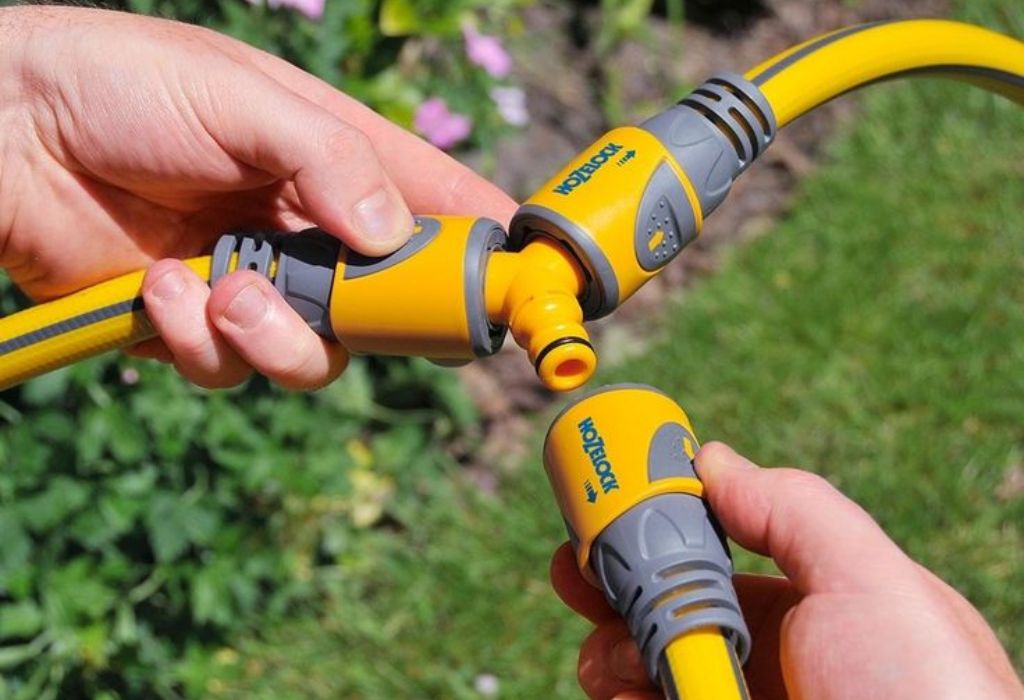
Selecting the correct hose connector is essential for creating a secure and leak-free connection. Connectors vary by material, size, and type, and choosing the wrong one can lead to water waste or reduced pressure.
Brass and stainless steel connectors are highly durable and resist corrosion, making them ideal for frequent use. Plastic connectors are more affordable but can crack, warp, or degrade over time, especially under high water pressure or exposure to sunlight.
Ensure that the connector matches the diameter and thread type of both hoses. Standard 3/4-inch GHT (Garden Hose Thread) fittings are common, but mismatched threads can result in leaks and inefficient water flow.
Quick-connect fittings provide convenience for homeowners who frequently attach and detach hoses. These adapters allow for a tight, secure connection without threading, saving time while maintaining a leak-free seal.
Check for built-in gaskets or O-rings within connectors. These components create a watertight seal and prevent leaks, and replacing them periodically ensures long-term reliability.
Proper connector selection maximizes efficiency, water conservation, and ease of use. By understanding materials, thread compatibility, and gasket features, homeowners can confidently join hoses for extended reach and effective outdoor water management.
Conclusion
Connecting two garden hoses together is an effective solution for reaching distant areas in large gardens or completing outdoor tasks efficiently. When done correctly, it provides convenience without compromising water pressure or creating leaks.
Selecting compatible connectors, using quality fittings, and maintaining gaskets are essential steps for a secure, long-lasting connection. Brass or stainless steel connectors combined with proper installation techniques ensure durability and optimal water flow.
Regular inspection and maintenance prevent leaks, kinks, and reduced water pressure. Checking for worn washers, cleaning connectors, and proper hose storage prolong the life of both hoses and adapters.
Alternative solutions, such as hose mender kits or quick-connect fittings, provide flexibility for damaged hoses or frequent use. Choosing the appropriate method and tools ensures consistent performance and convenience.
By following these best practices for connecting two garden hoses together, homeowners can achieve a reliable, leak-free setup. Applying careful installation, routine maintenance, and proper storage guarantees a functional, efficient, and long-lasting outdoor watering system.

I’m Maya L. Greenwood, a lifelong plant lover who believes anyone can grow something beautiful with the right guidance. After years of testing soil mixes, pruning methods, irrigation tricks, and pest-safe solutions, I started EasyGardenTips.com to turn hard-won lessons into step-by-step advice. From seed starting and container gardens to composting and seasonal checklists, my goal is to make gardening simple, sustainable, and fun.