
Outdoor tasks like watering a garden, washing patio furniture, or filling a large bucket often require more flexibility than a fixed faucet allows. Many homeowners face the frustration of limited access to water where it is needed most.
Connecting a garden hose to a sink provides a practical solution, allowing water to flow efficiently without expensive plumbing alterations. This simple setup can save time, reduce strain, and expand the usability of indoor water sources for outdoor projects.
Curiously, many people attempt this connection but encounter leaks, low water pressure, or incompatible fittings.
These common mistakes can lead to wasted water and damaged hoses. Proper understanding of adapters, washers, and thread compatibility is essential to avoid these pitfalls.
Statistics show that improper hose connections contribute to significant water waste. According to the Environmental Protection Agency, leaks from faulty connections waste over 1 trillion gallons of water annually in the United States.
Using the correct adapters and installation techniques can prevent these losses and maintain optimal water flow.
Understanding the Basics of Garden Hose Connections
Before attempting to connect a garden hose to a sink, it is essential to understand the fundamental components involved.
A garden hose connection relies on proper couplings, washers, and thread compatibility to ensure a secure, leak-free setup.
Choosing the right materials and understanding how each part functions can make the difference between a smooth, efficient connection and frequent frustrations.
Couplings are the bridge between the faucet and the hose. They allow for a tight seal while maintaining water pressure. Most couplings are made of durable materials such as brass, stainless steel, or reinforced plastic.
Brass is particularly valued for its corrosion resistance, while aluminum provides lightweight strength. Proper selection ensures longevity and reduces the risk of leaks over time.
Thread compatibility is another critical factor to consider. Faucets and hoses have standardized thread sizes, most commonly ¾-inch in diameter, but mismatched threads can result in cross-threading and water leakage.
Measuring the faucet threads carefully and confirming compatibility with hose adapters prevents these issues.
Washers play a small but significant role in maintaining a watertight seal. Rubber or silicone washers are commonly used, compressing between the hose and adapter to prevent drips and seepage.
Over time, washers may wear down or deform, and replacing them regularly ensures a secure connection and consistent water flow.
Understanding how water pressure interacts with hose connections is also key. Low water pressure can result from kinks, clogs, or poorly fitted adapters, while excessive pressure can damage hoses or fittings.
By combining the correct materials, thread matching, and pressure management, the connection becomes more reliable and functional for various outdoor tasks.
Finally, being aware of these basic principles sets the stage for selecting the appropriate adapters and installing the hose safely.
With this foundation, homeowners can proceed confidently to the next steps, avoiding common mistakes and maximizing the efficiency of their garden hose setup.
Preparing Your Sink for Hose Connection
Proper preparation of the sink ensures a secure and leak-free connection for the garden hose. Skipping these steps can lead to water leaks, damage to the faucet, or reduced water flow. Understanding the necessary tools and procedures before installation saves time and prevents common mistakes.
The first step is to assess the faucet type and remove the aerator if present. Aerators, which regulate water flow, can interfere with hose adapters.
Removing them creates a flat surface for the adapter to fit securely. In some cases, aerators can be reused with compatible adapters, but it is important to confirm compatibility beforehand.
Measuring the faucet threads accurately is crucial. Standard faucets usually feature ¾-inch male or female threads, but variations exist. Using a thread gauge or consulting the faucet manual helps determine the correct adapter size. This ensures the hose fits snugly and prevents cross-threading or leaks.
Essential tools for this process include pliers, a wrench, and Teflon tape. Pliers or a wrench assist in tightening adapters without damaging threads, while Teflon tape seals the threads to prevent leaks.
Applying Teflon tape correctly requires wrapping it clockwise around the threads in two or three layers for optimal sealing.
It is also important to inspect the sink and faucet for signs of wear or corrosion. Cracks, rust, or damaged threads can compromise the connection and reduce water pressure. Addressing these issues beforehand ensures that the hose setup functions efficiently and safely.
Finally, consider whether the sink location can handle the expected water pressure and flow. Some bathroom or kitchen faucets may not be designed for continuous outdoor use.
Evaluating the faucet’s capabilities and using pressure regulators if necessary will protect both the sink and the hose during operation.
By preparing the sink carefully, homeowners can prevent leaks, maintain consistent water flow, and ensure that the connection remains reliable for repeated use. These preparation steps lay a solid foundation for attaching the appropriate adapter and completing a successful hose setup.
Selecting the Right Adapter
Choosing the correct adapter is critical for a secure and efficient connection between the garden hose and the sink. Using the wrong adapter can result in leaks, low water flow, or damaged threads. Understanding the types, sizes, and features of adapters ensures a reliable setup.
Adapters come in a variety of types to accommodate different faucet threads and hose ends. Common options include male-to-female adapters, threaded slip-on adapters, and universal fittings.
Universal adapters are particularly useful when connecting to non-standard faucet sizes, offering flexibility without compromising water flow.
Selecting the correct size is essential. Faucets and hoses must have matching thread diameters to prevent leaks or cross-threading. Measuring faucet threads with a thread gauge or checking the manufacturer’s specifications ensures the chosen adapter fits precisely.
Durability is another key factor when choosing an adapter. Brass and stainless steel adapters are resistant to corrosion and provide long-lasting performance, while some plastic options offer affordability with moderate durability.
Investing in high-quality materials minimizes the risk of damage over time and maintains optimal water pressure.
Ease of installation should also be considered. Adapters with ergonomic designs or quick-connect features simplify the attachment process and reduce the likelihood of cross-threading.
Quick-connect adapters are particularly convenient for homeowners who frequently attach and detach hoses.
Finally, evaluating where to purchase adapters affects availability and choice. Home improvement stores, specialty plumbing shops, and online retailers provide a wide range of options.
Comparing features, prices, and customer reviews ensures the best adapter is selected for a secure and efficient hose connection.
By carefully selecting the right adapter, homeowners can achieve a leak-free connection that maintains maximum water flow. This step ensures the foundation is set for a smooth installation and long-term use of the garden hose setup.
Step-by-Step Guide to Connecting the Hose
Connecting a garden hose to a sink requires attention to detail to ensure a secure and efficient setup. Following a systematic approach prevents leaks, maintains water pressure, and extends the lifespan of both the hose and faucet.
The first step is to install the chosen adapter onto the faucet threads. Screw the adapter carefully, ensuring it is straight and properly aligned. Misalignment can cause cross-threading, resulting in leaks or damage to the faucet.
Applying Teflon tape to the threads enhances the seal. Wrap the tape clockwise around the threads in two or three layers. This creates a tight barrier, preventing water from seeping through and ensuring a consistent flow.
Next, attach the hose to the adapter. Screw the hose onto the adapter’s male threads until it is snug. Avoid overtightening, which can damage the threads or deform washers, while ensuring the connection is secure enough to prevent leaks.
Once the hose is attached, it is important to test the connection before full use. Turn on the water slowly and check all connection points for drips or seepage. Any sign of leakage should be addressed by tightening the connection, adjusting washers, or reapplying Teflon tape.
Consider water pressure management during this process. Some faucets or hoses may not handle high pressure effectively, which can lead to bursts or leaks. Using a pressure regulator or gradually increasing flow ensures the connection remains safe and functional.
Finally, inspect the entire setup for durability and reliability. Confirm that the adapter, hose, and faucet are all stable and that no kinks or obstructions impede water flow. A properly connected hose maximizes water efficiency, making outdoor tasks such as gardening, washing, or filling containers easier and more convenient.
By following these steps carefully, homeowners can achieve a leak-free, efficient connection that stands up to repeated use. Proper installation sets the foundation for long-term performance and reliable water flow from sink to hose.
Troubleshooting Common Issues
Even with careful installation, connecting a garden hose to a sink can sometimes result in minor problems. Understanding common issues and how to address them ensures consistent water flow and prevents damage to the hose or faucet.
Low water pressure is a frequent concern. Kinks in the hose, clogged adapters, or partially closed faucets can restrict water flow. Inspecting the hose and connections and straightening any bends helps restore optimal pressure.
Leaks often occur at connection points. Loose adapters, worn washers, or misaligned threads are common causes. Tightening fittings, replacing damaged washers, and ensuring proper alignment effectively eliminate leaks.
Adapter incompatibility can also pose challenges. Using a thread size that does not match the faucet or hose may prevent a secure fit. Verifying thread specifications and selecting the correct adapter resolves this issue.
Hose damage can occur from over-tightening or exposure to extreme conditions. Cracks or worn sections may reduce water flow or cause leaks. Regular inspection and replacing damaged hose segments maintain a reliable connection.
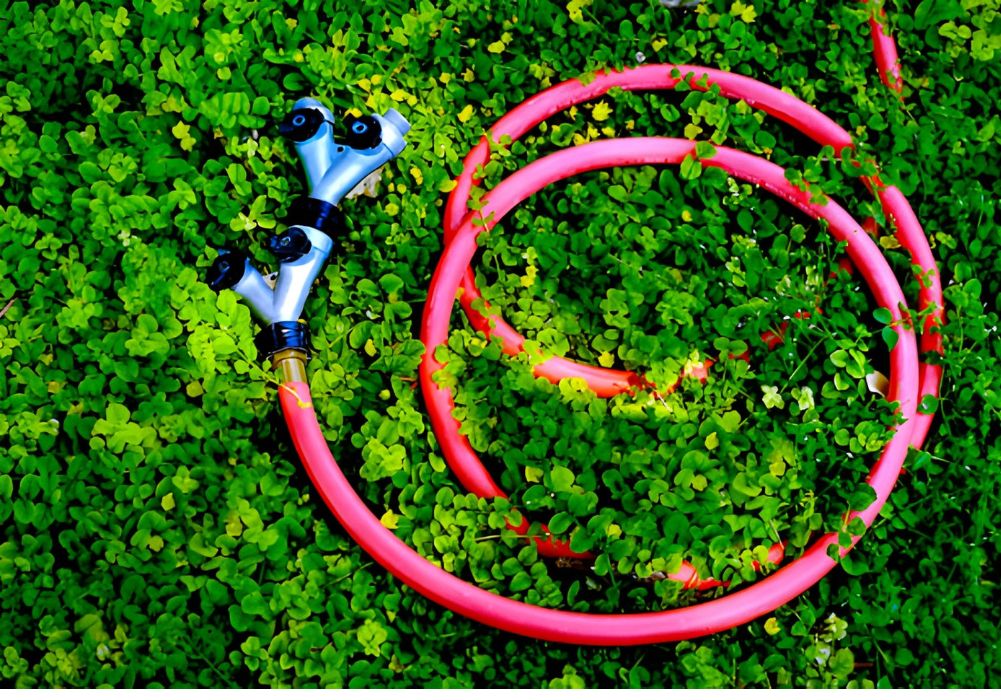
Additional considerations include using hose splitters or pressure regulators. Splitters allow multiple hoses to operate simultaneously, while regulators prevent excessive pressure from damaging fittings. Both tools enhance functionality and protect the connection from stress.
By proactively addressing these common issues, homeowners can maintain a dependable garden hose setup. Routine checks, proper installation, and the use of quality materials minimize problems and ensure long-term performance.
Maintenance Tips for Longevity
Proper maintenance ensures that a garden hose connection to a sink remains reliable and leak-free over time. Regular care prevents damage, preserves water pressure, and extends the lifespan of both the hose and adapter.
Inspect connections before peak usage periods. Check for worn washers, loose fittings, or signs of corrosion on adapters and faucet threads. Addressing minor issues early prevents leaks and maintains optimal water flow.
Disconnect hoses during freezing temperatures. Water trapped inside hoses or adapters can expand, causing cracks or deformation. Storing hoses in a cool, dry place during winter protects against weather-related damage.
Clean the hose and fittings periodically. Flushing with clean water removes debris and prevents buildup that can restrict water flow. Keeping the connection clean ensures consistent performance and reduces wear on components.
Store hoses properly to avoid kinks or tangles. Coiling hoses neatly on reels or hooks prevents sharp bends and prolongs their structural integrity. Avoid dragging hoses across rough surfaces, which can cause abrasions or punctures.
Replace worn components promptly. Washers, adapters, and hoses can degrade over time due to repeated use or exposure to sunlight. Using high-quality replacement parts maintains a secure, leak-free connection.
Following these maintenance practices ensures long-term reliability and efficiency. Homeowners who routinely inspect, clean, and store their hoses properly can enjoy consistent water flow and reduced risk of damage.
Alternative Solutions
Sometimes connecting a garden hose directly to a sink may not be the most practical option. Exploring alternative methods can provide flexible, efficient, and safe ways to access water for outdoor tasks.
Portable water pumps are one effective alternative. These pumps can draw water from sinks, barrels, or other sources and deliver it to hoses without permanent modifications. Battery-operated pumps provide mobility and convenience, making them ideal for temporary setups.
Rain barrels offer an eco-friendly solution for outdoor water needs. Collecting runoff from roofs, these barrels supply water for gardening or cleaning tasks. Using a rain barrel with a hose connection reduces reliance on indoor water sources while conserving water.
Installing an outdoor faucet is another long-term solution. A dedicated outdoor tap eliminates the need for adapters or temporary connections, providing consistent water flow. Professional installation ensures durability, leak-free performance, and compatibility with garden hoses.
Hose splitters can also enhance functionality. They allow multiple hoses to connect simultaneously, increasing efficiency for larger gardens or multiple water tasks. Combined with pressure regulators, splitters help maintain safe water pressure and prevent hose damage.
Evaluating the environment, water needs, and frequency of use determines the most suitable solution. Whether using a portable pump, rain barrel, outdoor faucet, or splitters, each alternative can provide reliable access to water while minimizing potential issues with sink connections.
Considering alternative solutions ensures homeowners have flexibility and efficiency when managing water for outdoor tasks. Selecting the best approach supports convenience, water conservation, and long-term functionality.
Conclusion
Connecting a garden hose to a sink is a practical solution for extending water access to outdoor tasks. Understanding adapters, washers, thread compatibility, and water pressure ensures a secure, leak-free connection that performs efficiently.
Careful preparation, proper installation, and routine maintenance prevent common issues such as leaks, low water flow, or hose damage.
Homeowners who follow these steps can enjoy reliable water delivery for gardening, cleaning, or filling containers.
Alternative solutions like portable water pumps, rain barrels, outdoor faucets, and hose splitters provide flexibility when direct sink connections are impractical. Choosing the right method depends on water needs, environment, and frequency of use.
Regular inspection, cleaning, and component replacement extend the lifespan of hoses and adapters. This proactive approach ensures maximum performance and reduces the risk of costly repairs or water waste.
By following the guidance provided, anyone can achieve a durable, efficient, and user-friendly garden hose setup. Proper installation, maintenance, and consideration of alternative solutions guarantee convenient outdoor water access for years to come.

I’m Maya L. Greenwood, a lifelong plant lover who believes anyone can grow something beautiful with the right guidance. After years of testing soil mixes, pruning methods, irrigation tricks, and pest-safe solutions, I started EasyGardenTips.com to turn hard-won lessons into step-by-step advice. From seed starting and container gardens to composting and seasonal checklists, my goal is to make gardening simple, sustainable, and fun.