
Connecting a garden hose to a kitchen faucet can be a practical solution for indoor watering, filling large containers, or cleaning tasks. However, doing so incorrectly can lead to leaks, water damage, or inefficient water flow.
Many homeowners are unaware of the proper adapters, fittings, and safety precautions required to make this connection reliable and leak-free. Understanding these elements ensures both convenience and protection for household plumbing.
According to the U.S. Environmental Protection Agency, using a hose with a flow rate of 5 gallons per minute for just 30 minutes can consume up to 150 gallons of water. (EPA WaterSense) Proper connections and leak-free setups help conserve water and reduce unnecessary waste.
Understanding the Components and Adapters

Connecting a garden hose to a kitchen faucet requires familiarity with both the faucet and the hose components. Understanding these parts ensures a secure, leak-free connection and protects your indoor plumbing from damage.
The faucet aerator is a small mesh screen at the end of most kitchen faucets. It regulates water flow and can be removed to allow for adapter installation. Removing the aerator carefully prevents damage to threads and ensures the adapter will fit snugly.
Adapter fittings bridge the connection between the faucet and the garden hose. They come in various types, including male-to-male, female-to-male, and quick-connect options. Selecting the right adapter is essential for compatibility and leak prevention.
Garden hoses typically use 3/4-inch GHT (Garden Hose Thread) connectors. Ensuring that your adapter matches both the faucet’s threads and the hose prevents leaks and ensures a secure, stable connection.
Materials for adapters vary, and quality significantly impacts durability. Brass and stainless steel adapters withstand high water pressure, resist corrosion, and provide long-term reliability compared to plastic alternatives. Investing in a high-quality adapter reduces maintenance needs and prevents costly water damage.
Quick-connect adapters add convenience for frequent use. They allow the hose to be attached and detached swiftly, saving time while maintaining a tight, leak-free seal. These adapters are especially useful for tasks requiring temporary or intermittent water connections.
Understanding how each component interacts sets the foundation for a successful installation. Proper knowledge of faucet aerators, hose threads, and adapters ensures the connection is not only functional but also safe, reliable, and long-lasting.
By selecting the right components and preparing the faucet correctly, homeowners can confidently connect a garden hose to a kitchen faucet without leaks. This preparation maximizes water efficiency, protects household plumbing, and supports a practical solution for indoor or multi-purpose watering tasks.
Selecting the Right Adapter
Choosing the correct adapter is critical when connecting a garden hose to a kitchen faucet. The right adapter ensures a secure connection, prevents leaks, and maintains consistent water flow for various household tasks.
Thread compatibility is the first consideration. Kitchen faucets may have different thread types and sizes, so selecting an adapter that matches both the faucet and the garden hose is essential for a leak-free connection. Incorrect threads can result in water seepage, inefficient flow, and potential damage to the faucet or hose.
Material quality plays a significant role in durability. Brass and stainless steel adapters offer excellent resistance to corrosion and high water pressure, making them ideal for long-term use. Plastic adapters are less expensive but may crack, warp, or degrade over time, especially under high pressure or frequent use.
Quick-connect adapters provide convenience for homeowners who frequently attach and detach hoses. These adapters allow for fast installation without sacrificing a tight seal, making them ideal for multiple tasks, such as filling large containers, watering plants, or cleaning.
Some adapters also feature built-in backflow prevention or anti-siphon devices. These features protect the household water supply from contamination and are particularly important when connecting hoses to sinks used for cooking or drinking water.
Selecting the right adapter is not only about fit but also about performance and safety. Homeowners should consider thread type, material, durability, and optional features to ensure a reliable, efficient, and secure connection between their kitchen faucet and garden hose.
Proper adapter selection sets the stage for a successful hose connection, reducing the risk of leaks, water waste, and plumbing damage. With the correct adapter, indoor water access can be safely extended for a variety of practical applications, making the setup both functional and convenient.
Step-by-Step Guide to Connecting the Hose
Connecting a garden hose to a kitchen faucet safely requires careful preparation and attention to detail. Following a structured process ensures a secure, leak-free connection that protects both the faucet and household plumbing.
1. Turn Off the Water Supply
Before attaching any adapters or hoses, turn off the water supply to the kitchen faucet. This prevents accidental flooding and provides a controlled environment for installation.
2. Remove the Faucet Aerator
Unscrew the faucet aerator using pliers or an adjustable wrench. Carefully removing this screen allows the adapter to fit snugly without damaging the faucet threads.
3. Attach the Adapter
Select the correct adapter based on thread compatibility and screw it securely onto the faucet. Ensure the adapter is tightened sufficiently to prevent leaks but avoid overtightening, which can damage threads or fittings.
4. Connect the Garden Hose
Screw the garden hose onto the opposite end of the adapter. Hand-tighten first and then use a wrench if needed, taking care not to over-compress washers or connectors.
5. Turn On the Water Supply
Gradually turn the faucet on and monitor for leaks. Check both the adapter connection and the hose connection to confirm a tight seal and proper water flow.
6. Test for Proper Flow
Open the faucet fully to ensure consistent water flow through the hose. Adjust any connections as necessary and verify that no drips or leaks are present at the faucet or along the hose.
7. Optional: Add Anti-Siphon Protection
If desired, install an anti-siphon device at the connection to prevent backflow. This is especially important if the hose will be used for watering plants, filling containers, or other applications that could risk contamination of the household water supply.
By following these steps, homeowners can confidently connect a garden hose to a kitchen faucet without leaks. Proper installation preserves plumbing integrity, enhances convenience, and provides a reliable indoor water source for a variety of tasks.
Safety Precautions When Connecting a Hose
Ensuring safety while connecting a garden hose to a kitchen faucet is essential to prevent water damage, leaks, or contamination. Even simple connections can pose risks if proper precautions are not followed.
Always turn off the water supply before beginning the installation. This avoids accidental flooding, minimizes the risk of water damage, and allows for a controlled, safe workspace.
Use compatible adapters and fittings to prevent leaks and avoid stressing the faucet threads. Mismatched threads or improper connections can lead to water seepage, damage to the faucet, and increased maintenance needs.
Be mindful of water pressure when turning on the faucet. Excessive pressure can damage the hose, faucet, or adapter, so gradually open the water to monitor flow and prevent bursts.
Consider installing an anti-siphon device to prevent backflow. This protects the household water supply from contamination, particularly when the hose may come into contact with soil, chemicals, or other potentially unsafe materials.
Wear personal protective equipment if necessary, such as gloves and safety goggles. While this may seem minor, it prevents injuries from slipping tools, sharp edges, or unexpected water sprays during installation.
Inspect all connections regularly after installation. Periodic checks ensure leaks, worn washers, or corrosion are identified early, maintaining the safety and efficiency of your setup over time.
By following these safety precautions, homeowners can confidently connect a garden hose to a kitchen faucet without risk. Proper planning, monitoring, and the use of protective devices ensure a secure, long-lasting, and leak-free connection.
Alternative Solutions for Indoor Water Access
Sometimes connecting a garden hose directly to a kitchen faucet may not be feasible or convenient. Exploring alternative methods ensures water access for indoor tasks without compromising plumbing safety or efficiency.
A utility sink with a dedicated garden hose adapter can provide a practical solution. These sinks are designed to handle high water flow and frequent hose connections, making them ideal for tasks like filling large containers or washing bulky items.
Installing a faucet splitter in the kitchen allows multiple connections simultaneously. This setup can accommodate both a regular sink function and a hose attachment, offering flexibility without constant disassembly or reconfiguration.
Portable hose adapters with quick-connect fittings offer another convenient option. They can be temporarily attached to the faucet and removed when not needed, maintaining household functionality and preventing leaks.
For homes with frequent water needs outdoors, installing a dedicated indoor-to-outdoor hose system may be advantageous. This system channels water from a kitchen or utility room faucet to outdoor areas via a permanent piping or hose conduit, ensuring reliable flow without repeated manual connections.
Rainwater collection systems can also supplement indoor water use. Collected water can be routed through hoses or pumps to sinks or utility rooms for non-potable applications, reducing reliance on municipal water and promoting sustainability.
Exploring these alternatives allows homeowners to maintain flexibility, safety, and convenience. Proper planning and equipment selection ensure indoor water access is efficient, safe, and adaptable to a variety of household tasks.
Maintenance and Long-Term Care
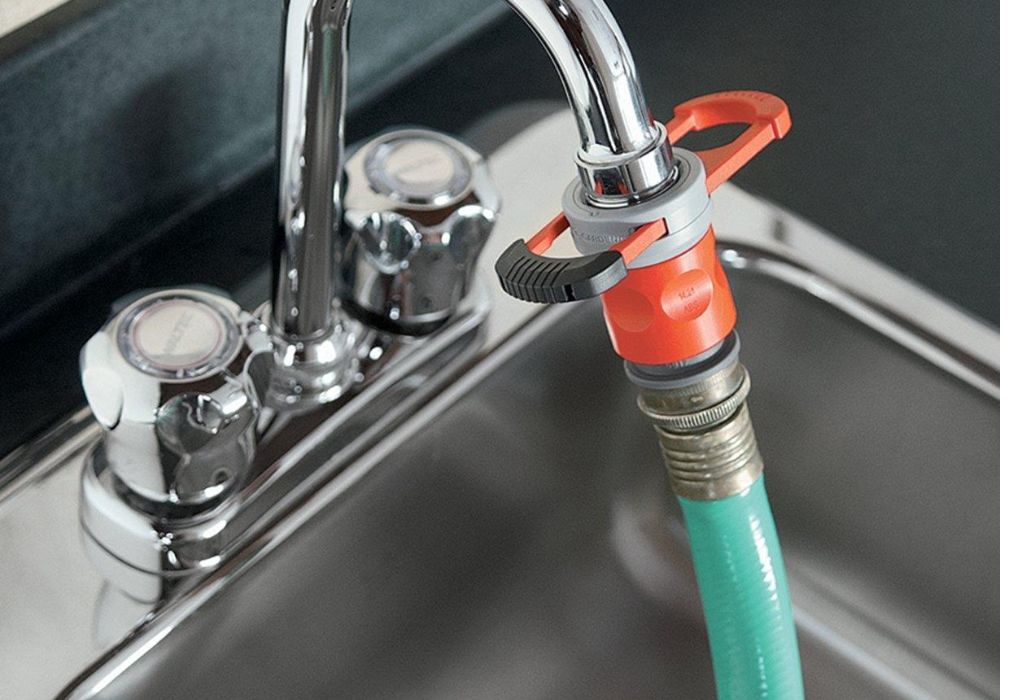
Proper maintenance of the connection between a garden hose and a kitchen faucet ensures long-term functionality and prevents leaks or water damage. Routine care reduces wear on the faucet, adapters, and hose, extending their lifespan.
Periodically inspect the faucet, adapter, and hose for signs of wear, corrosion, or cracking. Identifying potential problems early prevents small issues from escalating into leaks or plumbing damage.
Clean faucet aerators and adapter threads to remove debris, mineral deposits, or build-up. This ensures smooth water flow, tight seals, and prevents stress on the connectors during use.
Replace washers or O-rings as needed to maintain a watertight seal. Over time, these components can degrade, causing drips or reducing water pressure, and timely replacement restores optimal performance.
Lubricate moving parts of the faucet and adapter, using a silicone-based or plumber-approved lubricant. This reduces friction, prevents stiffness, and facilitates easier attachment and detachment of hoses.
Store hoses and removable adapters properly when not in use. Keeping hoses coiled and adapters dry prevents kinks, cracks, or corrosion, preserving the integrity of the connection for future use.
For frequent indoor-outdoor water use, consider upgrading to durable, corrosion-resistant adapters and brass fittings. High-quality components withstand repeated use, water pressure fluctuations, and environmental exposure, ensuring long-term reliability.
By following these maintenance practices, homeowners can ensure the connection between a garden hose and a kitchen faucet remains safe, efficient, and leak-free. Consistent care enhances convenience, preserves household plumbing, and minimizes repair costs over time.
Conclusion
Connecting a garden hose to a kitchen faucet can be a practical solution for indoor watering, cleaning, or filling large containers. When done correctly, it provides convenience without risking leaks, water damage, or reduced faucet performance.
Selecting the right adapter, ensuring thread compatibility, and using quality materials are critical for a secure, long-lasting connection. Brass or stainless steel adapters combined with proper installation prevent leaks and maintain consistent water flow.
Following safety precautions, such as turning off the water supply, monitoring pressure, and installing anti-siphon devices, protects household plumbing and prevents contamination. These measures ensure a safe, reliable, and efficient water supply for a variety of tasks.
Routine maintenance, including inspecting connections, cleaning aerators, replacing washers, and lubricating parts, enhances long-term performance. Proper care reduces the likelihood of leaks, prolongs the life of the faucet and hose, and maintains efficient water use.
Alternative solutions like utility sinks, faucet splitters, or dedicated indoor-to-outdoor systems provide flexibility for households with frequent water needs. Exploring these options can optimize convenience while safeguarding the home’s plumbing system.
By following this comprehensive guide on how to connect garden hose to kitchen faucet safely, homeowners can confidently manage indoor water tasks. Applying best practices, using proper adapters, and performing regular maintenance ensures a secure, leak-free, and long-lasting connection.

I’m Maya L. Greenwood, a lifelong plant lover who believes anyone can grow something beautiful with the right guidance. After years of testing soil mixes, pruning methods, irrigation tricks, and pest-safe solutions, I started EasyGardenTips.com to turn hard-won lessons into step-by-step advice. From seed starting and container gardens to composting and seasonal checklists, my goal is to make gardening simple, sustainable, and fun.