
A beautiful, even lawn can quickly lose its appeal when uneven grass heights and patchy spots appear after mowing. The culprit is often a simple one: an incorrect mower height setting.
What seems like a small adjustment can determine whether your grass thrives or struggles to recover after every cut.
Most homeowners overlook the importance of learning how to adjust lawn mower height correctly. A mower set too low can scalp the lawn, exposing roots to heat and causing long-term damage.
Set too high, and the mower misses weeds or leaves uneven patches that disrupt the look and health of the turf.
According to research from the University of Minnesota Extension, cutting grass too short weakens its roots and increases stress, making lawns more vulnerable to drought and pests (source).
The Environmental Protection Agency also notes that proper mowing height helps grass retain moisture and reduces the need for watering (source). These small details translate into big differences for lawn health and maintenance costs.
What Is Lawn Mower Height Adjustment and Why It Matters
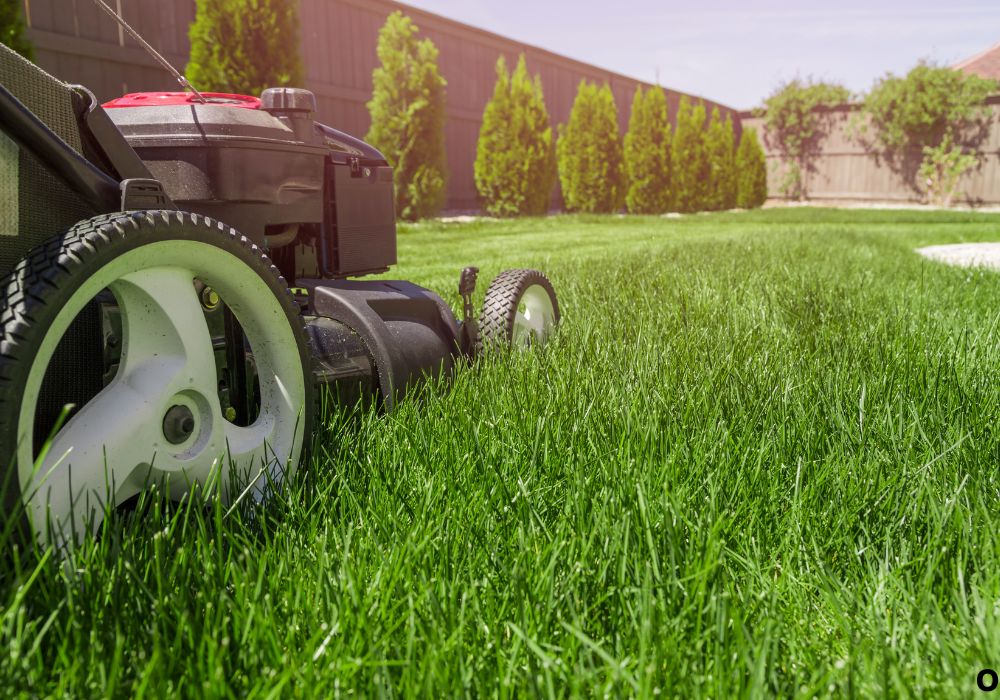
The height adjustment on a lawn mower determines how high or low the cutting deck sits above the ground. This simple setting directly affects the way grass grows, recovers, and appears after each cut. A correctly adjusted mower promotes even cutting and prevents unnecessary damage to the turf.
When a mower’s height is set too low, the blades of grass are sliced too close to the roots. This process, known as scalping, exposes the soil to direct sunlight, causing moisture to evaporate quickly.
Over time, this leads to weak, brown patches that are more prone to weeds and disease. Grass that is cut too short also loses its ability to shade the soil, allowing invasive species like crabgrass to thrive.
On the other hand, a mower set too high may leave the lawn uneven and untidy. Long blades can bend under their own weight, giving the appearance of clumping or streaking after mowing. Proper height adjustment ensures that every pass of the mower removes just the right amount of grass—enough to maintain a clean cut without stressing the plant.
Learning how to adjust lawn mower height isn’t only about aesthetics; it’s a form of lawn care science. Correct adjustment improves turf density, encourages deep root development, and enhances the lawn’s ability to resist drought and pests.
By maintaining the optimal cutting height based on grass type and season, homeowners can transform their yard from ordinary to exceptional while reducing the effort needed for long-term maintenance.
Typical Height Ranges and Seasonal Adjustments
Every lawn is unique, but most turf types thrive when cut within a specific range of heights. The key to a lush, healthy lawn lies in understanding how the right mowing height changes with grass species and seasonal conditions.
Most lawn experts recommend keeping grass between 2.5 and 4 inches tall, depending on the variety and time of year.
For cool-season grasses like fescue, ryegrass, and bluegrass, higher mowing—around 3 to 4 inches—helps maintain moisture and reduces stress during hot summer months.
Warm-season grasses such as Bermuda, zoysia, and centipede perform best when trimmed shorter, typically between 1.5 and 2.5 inches.
Adjusting the mower height even half an inch can influence root depth, disease resistance, and the overall appearance of your lawn.
Seasonal changes also play a big role. During spring and early summer, a slightly higher setting encourages stronger roots and thicker turf coverage.
In hotter, drier months, taller grass shades the soil and prevents rapid moisture loss. When fall arrives, lowering the height a bit can prepare the lawn for dormancy and make leaf cleanup easier.
According to the Michigan State University Extension, lawns maintained at higher mowing heights experience fewer weeds and less insect activity (source).
Following the “one-third rule”—never cutting more than one-third of the grass blade at once—keeps turf strong and resilient throughout the growing season.
By adjusting mower height according to grass type, climate, and season, homeowners can significantly enhance both the beauty and longevity of their lawns. Proper adjustment ensures each mowing session supports healthier growth and a consistently polished appearance.
Methods to Adjust Lawn Mower Height
Adjusting the cutting height of a lawn mower may seem complicated, but once you understand the mechanism, it becomes a simple routine task.
Each mower type—push, self-propelled, riding, or reel—has its own unique system for height adjustment. Learning how these systems work ensures that every cut aligns perfectly with your lawn’s needs.
For push or self-propelled rotary mowers, height is usually controlled by small levers located near each wheel. Some models feature a single central lever that adjusts all four wheels simultaneously, while others require setting each wheel individually.
To ensure a balanced cut, always position the mower on a flat surface and check that all wheels are set to the same height notch. Measuring from the ground to the blade tip gives a more accurate result than relying solely on labeled notches.
In riding or tractor-style mowers, adjustment is handled using a deck lift lever or a dial, usually found near the operator’s seat. These mowers often require leveling both the front and rear of the cutting deck.
The front blade edge is generally set slightly lower—about one-eighth to half an inch—to promote airflow and ensure clean, even cuts. Uneven deck alignment can lead to streaking or missed patches, so regular calibration is essential.
Reel mowers, common for smaller or ornamental lawns, use bolts or roller brackets for precise adjustments. These models demand accuracy, as even minor differences in roller height can affect the quality of the cut.
The adjustment process involves loosening the bolts, setting the roller to the desired level, and retightening it while maintaining symmetry on both sides.
No matter the mower type, always turn off the engine or remove the power source before making any adjustments. Keeping blades sharp and decks clean will further enhance performance.
Mastering these techniques ensures your mower operates efficiently, delivers consistent results, and helps you achieve that perfectly manicured finish every time.
Deck Leveling: Front-to-Back and Side-to-Side
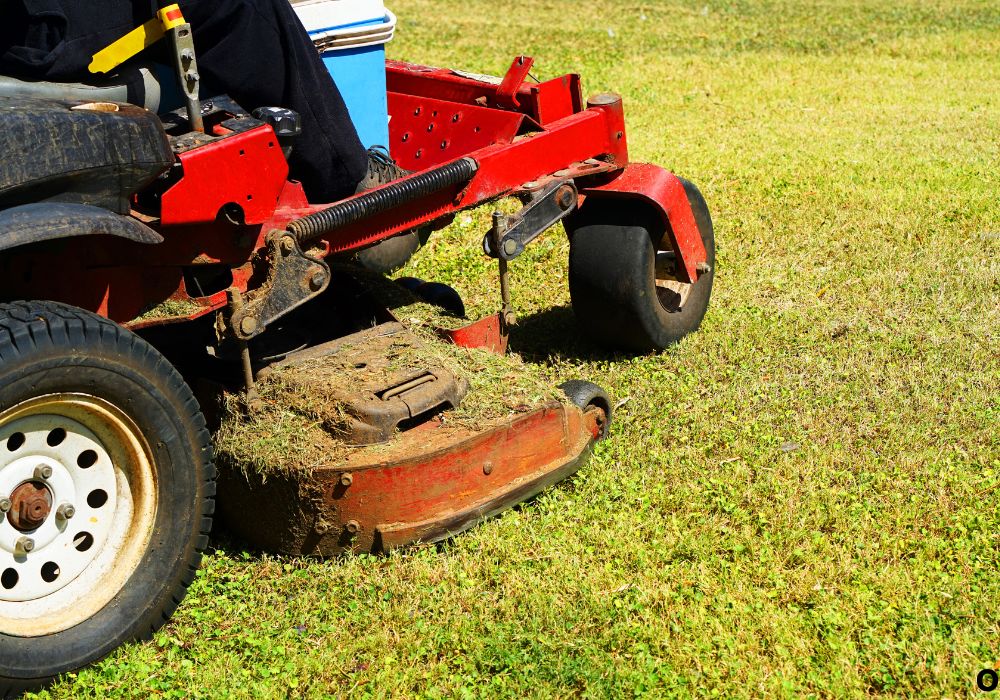
Even if your mower height is set correctly, an uneven deck can ruin an otherwise perfect cut. A misaligned deck causes one side of the mower to cut lower than the other, leaving stripes or patches of uneven grass.
Proper deck leveling ensures every blade spins at the same height, delivering a uniform, professional-looking finish.
Before starting, always park the mower on a flat, level surface and disconnect the spark plug or power source for safety.
Use a ruler or measuring stick to measure the distance between the ground and the front and rear edges of the mower blade.
Ideally, the front blade tip should be about one-eighth to half an inch lower than the rear, which allows better airflow and smoother cutting.
To adjust, locate the leveling nuts or linkages attached to the mower’s deck arms. On riding mowers, these nuts can be turned clockwise or counterclockwise to raise or lower each side of the deck.
For push mowers, check that each wheel is positioned at the same notch setting to maintain balance. Always measure both sides after adjusting, as even slight differences can cause uneven cuts.
Side-to-side leveling is equally important. The blade tips on both sides should be within one-eighth inch of each other.
If the difference is larger, use the side adjustment link or wheel height lever to correct it. Take your time with this step—precision here directly affects how smooth and even your lawn will look after mowing.
A well-leveled deck not only produces consistent cutting results but also extends blade life and reduces strain on the mower’s engine.
Routine leveling checks, performed at the start of each mowing season, keep your equipment efficient and your lawn perfectly uniform. When your mower deck is balanced correctly, every pass becomes cleaner, quicker, and visually flawless.
Best Practices, Common Mistakes, and Maintenance
Mastering how to adjust lawn mower height is only half the battle—maintaining proper setup and avoiding common mistakes ensures long-term success.
Many lawn issues arise not from poor mowing technique but from neglecting simple maintenance or skipping quick pre-mow checks. Following a few best practices can make a visible difference in every cut.
Always begin by placing the mower on a level surface before adjusting height. This ensures each wheel or deck lever aligns evenly, preventing accidental tilts that lead to uneven cuts.
Regularly clean the mower deck to remove built-up grass clippings, which can alter blade clearance and affect airflow. Sharp blades are also crucial: dull ones tear grass instead of slicing it, creating a ragged look and increasing plant stress.
Avoid the common mistake of relying solely on the factory notches without verifying the actual height. These indicators often vary by brand, so measuring the distance between the ground and blade tip provides the most accurate results.
Another frequent error is cutting grass too short, which may save time in the short run but weakens roots and encourages weed invasion. Following the “one-third rule” remains one of the simplest ways to maintain turf health.
Routine maintenance plays a key role in long-term mower performance. Lubricate levers and wheel axles to prevent stiffness, and inspect cables or linkage systems for wear.
If your mower uses a single height lever, ensure its mechanism moves freely without resistance. At least once per season, check that all adjustment points and nuts are tight and corrosion-free.
By maintaining these habits, your mower will stay in optimal condition, ensuring consistent performance and a cleaner, healthier lawn.
Proper setup combined with regular upkeep not only enhances mowing efficiency but also protects your investment, guaranteeing professional-quality results every time you mow.
Conclusion
A perfectly manicured lawn starts with understanding how to adjust lawn mower height the right way. This simple skill affects everything from grass health to the smoothness of each cut.
When your mower is set to the correct height and leveled properly, every pass promotes stronger roots, healthier turf, and a more professional appearance.
Whether you use a push mower, riding mower, or reel model, precise height adjustment ensures the blades cut evenly and prevent stress on the grass.
Combined with seasonal adjustments and regular maintenance, it creates a cycle of consistent growth and natural resilience against weeds, heat, and pests.
Small changes—like raising the deck in summer or verifying wheel alignment—have lasting effects on your lawn’s color, texture, and density.
Proper mowing height also reduces water waste and fertilizer dependency, making your lawn care more sustainable.
Take a few minutes before your next mow to check and adjust your mower’s settings. With a level deck, sharp blades, and the right height for your grass type, your lawn will look greener, grow stronger, and require less effort to maintain. Consistency and attention to detail are the secrets behind every perfectly cut yard.

I’m Maya L. Greenwood, a lifelong plant lover who believes anyone can grow something beautiful with the right guidance. After years of testing soil mixes, pruning methods, irrigation tricks, and pest-safe solutions, I started EasyGardenTips.com to turn hard-won lessons into step-by-step advice. From seed starting and container gardens to composting and seasonal checklists, my goal is to make gardening simple, sustainable, and fun.