
A hot mid-July afternoon, grass peeking over the blade height, and the mower sputters to a halt—running out of battery or flat out of gas all too soon. Frustration mounts as the cut ends uneven and patchy. The debate between gas mower vs battery mower often starts there.
The problem is real: one machine may leave parts uncut, while the other forces constant refueling or recharging. The curiosity: can modern battery mowers match gas mowers in power, runtime, and durability? The benefit: picking the right machine saves time, money, and effort over seasons.
Battery mower efficiency has improved dramatically. In tests, a 40 V battery unit mowed 6,700 square feet in 38 minutes. (FSEC-EN-36-25 PDF) Gas mowers remain powerful and reliable, but battery models now rival them for many home lawns.
Homeowners are also shifting choices: a recent survey shows that purchases of battery-powered outdoor power equipment are rising, while gas mower sales decline. (The Farnsworth Group, 2022 report)
What Are Gas and Battery Mowers?
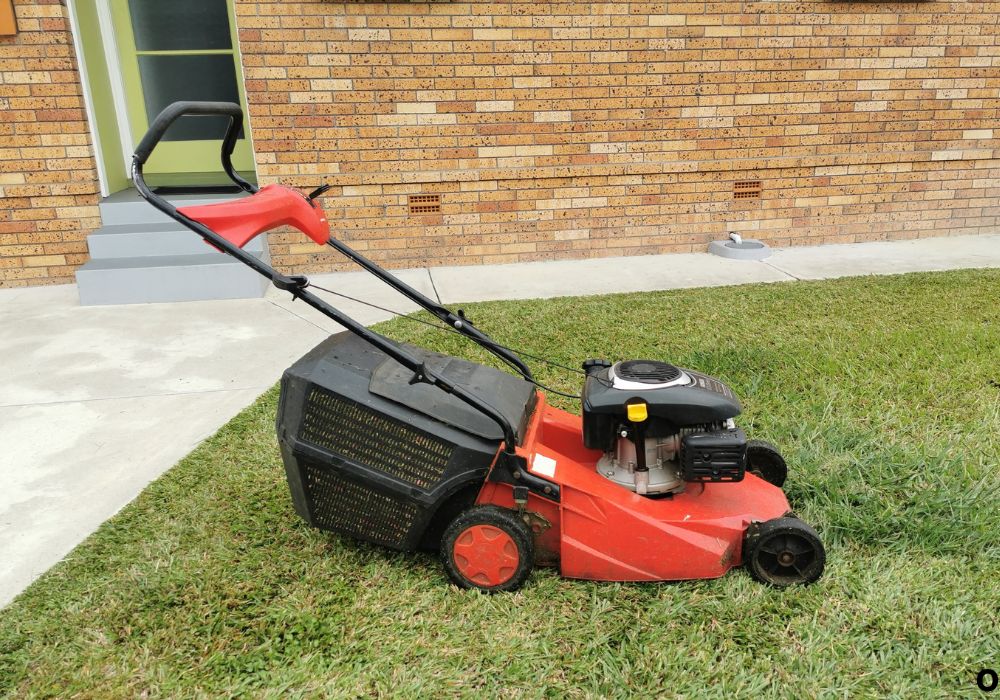
Before comparing performance, it helps to understand what defines each type of mower. The gas mower vs battery mower comparison starts with two completely different power systems—one driven by combustion, the other by electricity.
A gas mower relies on a small internal combustion engine that burns gasoline to spin the cutting blade. This design has dominated lawns for decades, favored for its raw torque and ability to handle thick or wet grass with minimal slowdown.
The trade-off, however, comes in the form of noise, fumes, and regular maintenance tasks like oil changes, spark plug replacements, and air filter cleaning.
A battery mower, on the other hand, uses a rechargeable lithium-ion battery to power a brushless electric motor. This setup provides quiet operation and zero direct emissions, making it more eco-friendly and neighborhood-friendly.
Battery-powered mowers also start instantly with a button press, eliminating the hassle of pulling a cord or refilling fuel.
Modern advancements have made high-voltage battery mowers nearly as powerful as gas models. Yet differences remain in runtime, recharge convenience, and cutting performance under heavy load.
Understanding these fundamental distinctions is key to choosing the right machine for your lawn’s size, terrain, and maintenance routine.
Power and Cutting Performance
Power is the first thing homeowners notice in the gas mower vs battery mower debate. Gas mowers deliver strong, consistent torque thanks to their combustion engines, allowing them to slice through thick, wet, or tall grass without hesitation.
The constant engine output keeps the blade speed stable, even when conditions become demanding.
This makes gas mowers the top choice for large yards and tougher mowing conditions where uninterrupted cutting power is crucial.
Battery mowers, however, have closed the gap significantly in recent years. Equipped with high-capacity lithium-ion batteries and brushless motors, many models now rival gas units in cutting performance for small to medium lawns.
They provide instant torque at startup and maintain efficient blade speed through advanced electronic control systems. Still, heavy grass or steep slopes can drain batteries faster, reducing overall runtime.
According to Consumer Reports, modern battery mowers can match the cutting power of gas models in 70% of typical residential mowing tests. This progress highlights how far electric tools have advanced.
Yet, for those managing dense grass or uneven terrain, gas mowers remain the performance benchmark, while battery mowers deliver cleaner, quieter power for everyday suburban use.
Runtime, Refueling, and Charging
In the gas mower vs battery mower comparison, runtime is where the biggest difference becomes clear. Gas mowers can run continuously as long as there’s fuel in the tank.
A quick refill takes less than a minute, allowing users to mow large areas without interruptions. This makes them ideal for extensive lawns or commercial use where downtime can affect productivity.
Battery mowers, in contrast, depend on the capacity of their lithium-ion batteries. Most modern models provide 30 to 60 minutes of mowing per charge, depending on grass thickness, cutting height, and motor efficiency.
Once the battery is drained, it needs to be recharged—a process that can take anywhere from 45 minutes to several hours unless fast-charging systems or spare batteries are available.
Some premium brands now offer dual-battery designs or swappable packs, giving users extended runtime with minimal pause.
However, consistent heavy mowing can still drain batteries faster, especially in taller grass or humid conditions.
For homeowners with smaller lawns, battery runtime is typically sufficient. But those managing half-acre or larger properties will find gas mowers more practical for long, uninterrupted sessions.
The convenience of instant refueling remains a significant advantage over waiting for a battery to recharge.
Cost and Long-Term Ownership

When comparing gas mower vs battery mower, the overall cost of ownership extends beyond the purchase price. Gas mowers typically cost less upfront, with many reliable models available at affordable prices.
However, their long-term costs add up through fuel, oil changes, spark plugs, and routine engine maintenance. These recurring expenses can easily exceed the initial purchase price over several seasons.
Battery mowers often come with a higher upfront investment because of advanced electronics, brushless motors, and high-capacity batteries. While they eliminate fuel and oil costs, the batteries themselves eventually degrade.
Replacement packs can range from $100 to $250 depending on voltage and capacity. Still, electricity costs per mow are minimal compared to gasoline, making them cheaper to operate in the long run for smaller yards.
Another hidden advantage of battery mowers is time savings—no engine maintenance, no storage of fuel, and no messy tune-ups. However, gas mowers tend to have longer lifespans when maintained properly, often running reliably for over a decade.
In short, gas mowers demand more upkeep but offer proven durability, while battery mowers reduce ongoing expenses and maintenance hassles, especially for eco-conscious homeowners seeking convenience and cleaner operation.
Noise, Emissions, and Environmental Impact
The environmental footprint is one of the biggest contrasts in the gas mower vs battery mower debate. Gas mowers rely on combustion engines that release carbon monoxide, nitrogen oxides, and other pollutants during use.
According to the Environmental Protection Agency (EPA), one hour of operating a typical gas-powered lawn mower can produce as much pollution as driving a car for 100 miles. This makes gas mowers among the highest emitters in residential landscaping tools.
Battery mowers, in comparison, produce zero direct emissions while running. They use clean electric power, significantly reducing greenhouse gas output, especially if charged from renewable energy sources.
Their quiet operation—often under 75 decibels—also contributes to a more peaceful neighborhood experience, whereas gas mowers typically exceed 90 decibels, which can cause hearing fatigue during prolonged use.
From an environmental perspective, battery models clearly lead in sustainability. However, their ecological advantage depends on proper battery recycling and responsible disposal.
Gas mowers, while powerful and reliable, come with higher environmental costs due to fuel consumption and air pollution.
For those prioritizing eco-friendly choices and noise reduction, battery mowers deliver a greener, quieter alternative without sacrificing convenience.
Practical Suitability: Lawn Size, Terrain, and Use Cases
When deciding between a gas mower vs battery mower, lawn size and terrain play a defining role. Gas mowers are engineered for power and endurance, making them ideal for larger properties, typically over 10,000 square feet or half an acre.
Their ability to operate continuously with quick refueling ensures uninterrupted mowing, even on rugged or uneven ground. They also handle tall, thick, or damp grass more efficiently, making them a dependable choice for demanding landscapes.
Battery mowers, however, shine in suburban and urban settings with smaller, well-maintained lawns. They’re lightweight, easy to maneuver, and start instantly—perfect for compact yards up to 5,000–8,000 square feet.
The absence of cords or emissions also makes them more comfortable for residential use, especially in neighborhoods sensitive to noise.
Terrain is another deciding factor. Steeper slopes or rough soil can strain battery mowers, reducing runtime and motor efficiency. Gas mowers, with stronger torque and heavier frames, maintain steady blade speed under these conditions.
In essence, battery mowers offer clean, quiet, and low-maintenance convenience for small to medium lawns.
Gas mowers, though louder and maintenance-heavy, remain unbeatable for larger yards, tougher terrain, and users who need continuous cutting power without interruptions.
Trends and Future Outlook
The future of the gas mower vs battery mower competition is rapidly shifting toward electric innovation.
Advances in lithium-ion and solid-state batteries are extending runtimes, shortening charge times, and boosting power output to rival gas engines.
Many new models now feature dual-battery systems or smart power management, automatically adjusting energy use based on grass thickness to maximize efficiency.
Environmental regulations are also accelerating the move toward battery technology. Several U.S. states, including California, have announced timelines to phase out small gas-powered equipment due to emissions concerns.
As a result, manufacturers are investing heavily in developing zero-emission electric mowers that match gas performance while reducing environmental impact.
Smart features are becoming the next frontier. App-connected battery mowers with adjustable cutting modes, self-propelled drive systems, and load sensors are transforming lawn care convenience.
Meanwhile, gas mower technology remains stable, focused mainly on durability and cost efficiency.
Looking ahead, battery-powered mowers are poised to dominate residential markets as technology continues to evolve.
Gas models will still hold their place in commercial and heavy-duty use for years to come, but for most homeowners, the future of mowing is increasingly clean, quiet, and cordless.
Conclusion
The gas mower vs battery mower comparison highlights a clear evolution in how lawns are maintained today. Gas-powered mowers remain the benchmark for raw strength, endurance, and consistent performance on large or uneven lawns.
They can power through thick, wet grass without losing torque and are perfect for those who value reliability and long operating sessions.
However, they demand regular maintenance, produce higher emissions, and generate significant noise.
Battery mowers, by contrast, represent the modern, eco-conscious approach to lawn care. With zero direct emissions, quieter operation, and minimal upkeep, they are ideal for small to medium lawns in suburban environments.
Thanks to ongoing advances in battery capacity and brushless motor technology, they now rival gas models in performance for most residential tasks while cutting long-term costs.
Choosing between them depends on your lawn’s size, terrain, and lifestyle priorities. Homeowners seeking durability and all-day power may still lean toward gas, while those valuing convenience, sustainability, and quiet efficiency will prefer battery models.
In the end, both deliver excellent results—your ideal mower simply depends on whether you prioritize maximum power or modern simplicity.

I’m Maya L. Greenwood, a lifelong plant lover who believes anyone can grow something beautiful with the right guidance. After years of testing soil mixes, pruning methods, irrigation tricks, and pest-safe solutions, I started EasyGardenTips.com to turn hard-won lessons into step-by-step advice. From seed starting and container gardens to composting and seasonal checklists, my goal is to make gardening simple, sustainable, and fun.