
It’s an early Saturday morning. The sun is shining, birds are chirping, and the fresh scent of grass fills the air. You grab your old petrol mower, yank the starter cord, and hear nothing but sputters. After a few frustrating pulls, you wonder if it’s time to try something new.
That’s when you spot the sleek, modern electric lawn mower your neighbour is using. It starts instantly with the push of a button, makes barely any noise, and glides smoothly across the lawn. It looks effortless — and suddenly, the idea of going electric doesn’t seem so bad.
Electric lawn mowers have quickly become a popular alternative to traditional petrol models. They’re quieter, cleaner, and more convenient, offering homeowners a greener way to care for their lawns. But are they really worth it? Before you switch, it’s vital to understand the electric lawn mower pros and cons that determine whether this machine fits your lifestyle and lawn size.
This guide explores how electric mowers work, their major advantages, potential drawbacks, and who should (and shouldn’t) buy one. By the end, you’ll have a clear understanding of whether an electric mower is the right investment for your garden.
What Is an Electric Lawn Mower and How Does It Work?
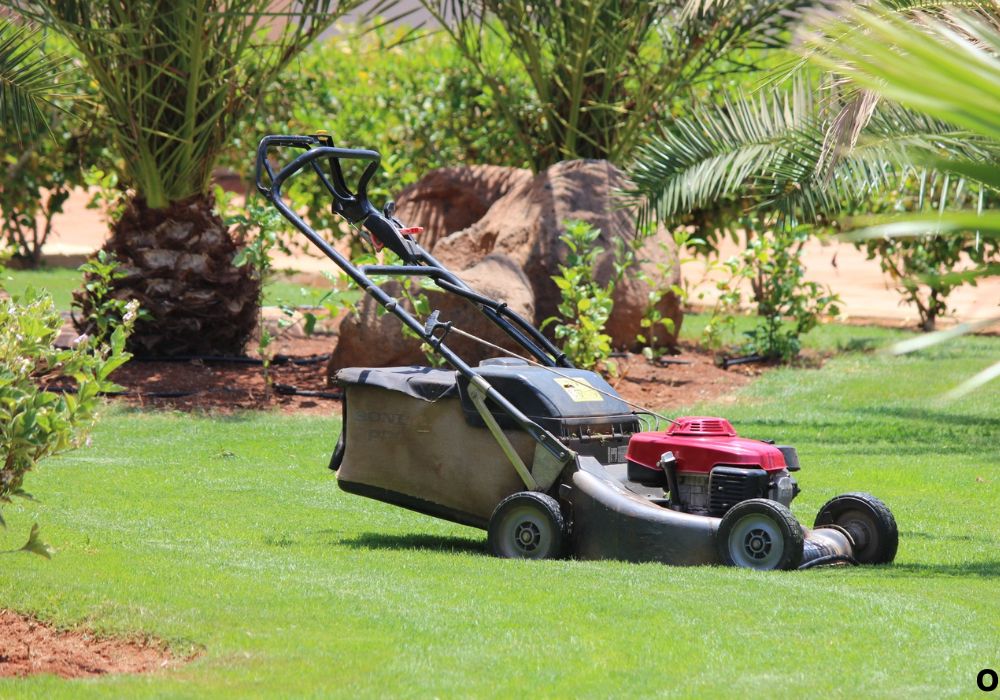
An electric lawn mower uses either a corded power supply or a rechargeable battery to spin its blades and cut grass. Corded versions plug directly into a power socket, providing unlimited runtime as long as they remain connected.
Cordless electric mowers, on the other hand, rely on lithium-ion batteries that offer the freedom to move around without cords. These batteries typically provide between 30 and 60 minutes of mowing time per charge, depending on the mower’s power and the density of your grass.
Unlike petrol mowers, electric versions have no engine, no oil, and no emissions. Instead, they use a simple motor-and-blade system that converts electricity into mechanical motion. The design makes them lighter, easier to push, and much quieter.
Most models also feature push-button starts, adjustable cutting heights, and compact folding designs for easy storage. These features make electric mowers particularly appealing for urban homeowners and anyone who values convenience over raw power.
How long does an electric mower battery last?
Typically, 30–60 minutes of mowing per full charge, depending on grass type and mower size.
Are corded mowers more powerful than cordless?
Yes, corded models deliver constant power without battery limitations.
Can you use an electric mower on wet grass?
It’s best to avoid it. Wet grass can clog the blades and reduce efficiency.
Do electric mowers need sharpening?
Yes, blades should be sharpened regularly for clean, even cuts.
Are they suitable for beginners?
Absolutely. Electric mowers are lightweight, easy to start, and safe to handle.
Major Advantages of Electric Lawn Mowers
Electric lawn mowers are often marketed as the future of lawn care — and with good reason. They combine simplicity, sustainability, and efficiency in one package. Let’s explore the key benefits that make them stand out.
1. Environmentally Friendly Operation
One of the most appealing benefits of an electric mower is its eco-friendly design. Unlike petrol mowers, they produce zero emissions, helping reduce your carbon footprint.
They also generate much less noise pollution, making them ideal for neighbourhoods where quiet mornings are valued. A typical electric mower operates at around 70 decibels, while a petrol mower can reach up to 90 or more.
This quiet operation not only keeps you in good standing with neighbours but also allows you to mow early in the morning or late in the evening without disturbing anyone.
2. Lower Maintenance Costs
Maintenance is where electric mowers truly shine. With petrol mowers, you need to worry about spark plugs, oil changes, filters, and fuel stabilisers. Electric models eliminate nearly all of that.
They have fewer moving parts, no oil reservoirs, and no complicated fuel systems. As a result, there’s less wear and tear and fewer breakdowns.
Over time, this simplicity translates to real savings — both in money and maintenance time.
3. Easy to Start and Operate
Forget the exhausting pull cords. Electric mowers start instantly with a button press or handle lever. Their lighter frames make them easy to push, even for elderly users or people with limited strength.
Many models also include features like automatic shut-off, adjustable handles, and foldable designs that make them highly user-friendly.
4. Cost-Effective Over Time
While electric mowers may cost a little more upfront, the absence of petrol and oil expenses means the long-term running costs are significantly lower. Charging a battery costs only a few pence compared to refilling a petrol tank.
When you combine that with lower maintenance and longer lifespan, an electric mower becomes a cost-efficient choice for most homeowners.
Do electric mowers save money long-term?
Yes, they use cheaper energy and have fewer maintenance costs than petrol mowers.
Are they powerful enough for thick grass?
Premium models can handle thick grass, though they may slow slightly in dense patches.
How quiet are they compared to petrol models?
Electric mowers are roughly half as loud, operating around 70 dB.
Can they handle large lawns?
Cordless models may need extra batteries; corded ones are limited by cable length.
Do they cut as evenly?
Yes, provided the blades are kept sharp and the deck is clean.
Disadvantages of Electric Lawn Mowers
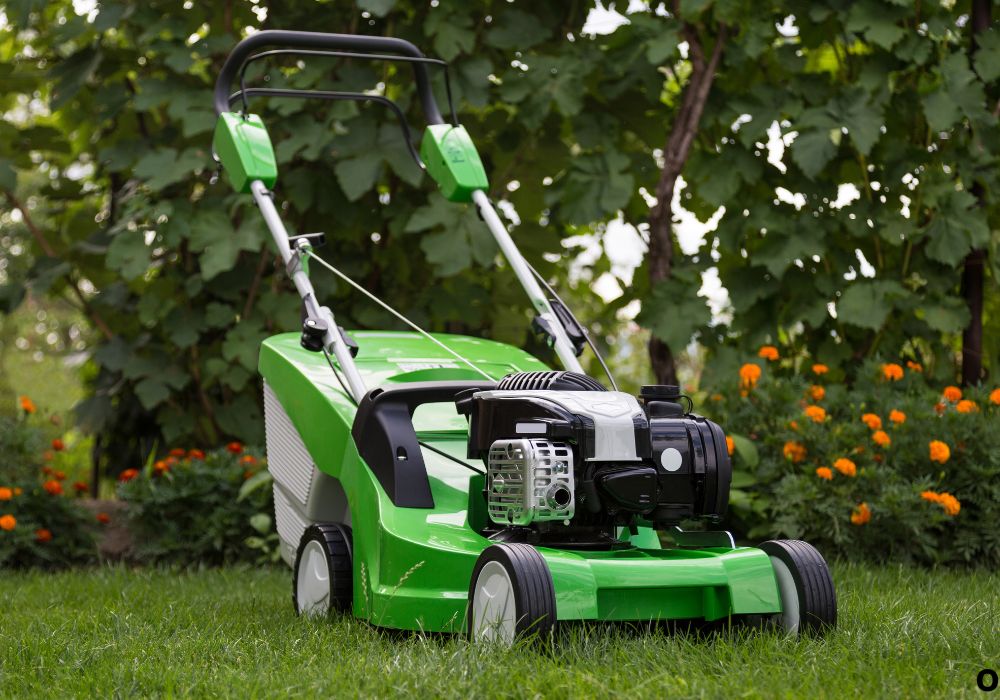
While electric lawn mowers have many strengths, they also come with certain drawbacks you should consider before buying.
1. Limited Battery Life
Cordless mowers usually last between 30 and 60 minutes per charge, which can be frustrating for those with larger lawns. Once the battery drains, you must wait for it to recharge — typically one to two hours.
Replacement batteries can also be expensive, especially for high-capacity models. If your lawn is big, you might need to purchase a spare battery, adding to the initial investment.
2. Less Cutting Power
Compared to petrol mowers, electric versions generally offer less torque. This means they may struggle with very thick, damp, or overgrown grass.
While technology is improving rapidly, heavy-duty lawn work is still better handled by petrol machines. For regular weekly maintenance, however, an electric mower performs beautifully.
3. Cord Management Hassles
Corded models are lightweight and offer unlimited runtime, but their cords can easily get tangled or cut accidentally. You’ll need to stay mindful of where the cable lies at all times.
For small gardens, this isn’t a big problem, but for larger or obstacle-filled lawns, managing a 25-metre cord can be a nuisance.
4. Higher Upfront Cost for Quality Models
Budget electric mowers are available, but they often come with limited power and poor battery life. To get the best experience, you’ll need to invest in a quality model, which can cost anywhere from £250 to £600.
However, over several years, this investment pays off in reduced running and maintenance costs.
How long does it take to recharge a mower battery?
Usually between 1 and 2 hours depending on capacity and charger type.
Can I use multiple batteries for longer mowing?
Yes, many cordless mowers allow quick battery swaps to extend runtime.
Do professionals use electric mowers?
Some do for small gardens or noise-restricted areas, but most still prefer petrol for heavy use.
Can I use any extension cord for a corded mower?
No, always use a heavy-duty outdoor cord rated for the mower’s wattage.
How long do batteries typically last?
Most lithium-ion batteries last 3–5 years with proper care.
Corded vs Cordless Electric Lawn Mowers
Choosing between a corded and a cordless mower depends on your lawn size and convenience preferences.
Corded electric mowers provide constant power without worrying about battery life. They’re ideal for small to medium gardens where a power outlet is accessible. You can mow as long as you need, but you’ll be tethered by a cable that limits movement.
Cordless mowers, powered by rechargeable batteries, offer unrestricted movement. They’re perfect for larger or irregularly shaped gardens. The only drawback is limited runtime and occasional recharging.
If you want absolute convenience and hate dealing with cables, cordless is the way to go. If you prefer unlimited power at a lower cost, corded will serve you well.
Which type is stronger?
Corded models generally provide more consistent power output.
Do cordless mowers require more maintenance?
Only battery care — charging, cleaning contacts, and storing properly.
Are corded mowers safer?
They’re safe when cords are kept clear of blades and pathways.
Can cordless mowers handle hilly gardens?
Yes, though battery life may drop faster on slopes.
Which type lasts longer?
Both can last over five years if maintained correctly.
Electric vs Petrol Lawn Mowers: A Full Comparison
The battle between electric and petrol lawn mowers boils down to performance versus convenience.
Petrol mowers offer raw cutting power, making them suitable for large gardens, uneven terrain, and overgrown grass. However, they require regular maintenance, emit fumes, and are much louder.
Electric mowers, meanwhile, excel in efficiency and ease of use. They start instantly, are nearly silent, and require minimal upkeep. For average-sized gardens, they perform almost as well as petrol mowers without the hassle or noise.
When comparing costs, electricity is far cheaper than petrol. Over a few seasons, electric mowers usually pay for themselves through fuel and maintenance savings.
Which cuts better — electric or petrol?
Petrol mowers handle thick or tall grass better, but electrics are ideal for regular trimming.
Are electric mowers more reliable?
Yes, thanks to their simpler design and fewer moving parts.
Can electric mowers handle wet grass?
They can, but it’s not ideal — always mow when grass is dry for best results.
How much money can I save switching to electric?
You can save hundreds yearly on fuel and maintenance.
Which has a longer lifespan?
Both can last over 7 years, though battery replacements may be required.
Maintenance and Care Tips for Electric Lawn Mowers
Proper care ensures your electric mower lasts longer and performs efficiently.
After each mowing session, unplug or remove the battery before cleaning. Brush off grass clippings, wipe the deck, and keep the blade sharp. Avoid washing the mower with water directly, as moisture can damage electrical components.
During winter or long storage periods, keep batteries in a cool, dry place and avoid complete discharge. Store the mower indoors to protect it from humidity and dust.
Lubricate moving parts lightly once in a while, and check the cord or battery terminals for wear. A few minutes of care after each use can add years to your mower’s lifespan.
Should I remove the battery after every use?
Yes, it helps extend the battery’s lifespan and safety.
Can I hose off the mower?
No, use a damp cloth instead to prevent water from entering the motor.
Do electric mowers need oiling?
Only for metal parts like wheels — not the motor.
How often should I sharpen blades?
Every 20–25 hours of mowing or twice a season.
Can I store it outdoors?
Avoid it — store indoors or in a dry shed to prevent corrosion.
Who Should Buy an Electric Lawn Mower?
Electric mowers are perfect for homeowners with small to medium-sized gardens, flat lawns, and a preference for low maintenance. They’re also great for those who value quiet operation and want to reduce their environmental impact.
If you have a large property, thick turf, or rugged terrain, a petrol mower might still be the better choice due to its superior power and endurance.
Electric mowers are especially suitable for new homeowners, elderly users, and eco-conscious individuals seeking convenience and efficiency.
Can electric mowers handle uneven terrain?
Yes, but performance may vary with lightweight models.
Do they work in humid climates?
Yes, just avoid mowing during heavy moisture or rain.
Can I use one for commercial purposes?
Not ideal — electric mowers are designed mainly for residential use.
What’s the average lifespan of a quality mower?
Usually 5–8 years, depending on maintenance.
Should I buy new or refurbished?
New models come with better warranties and battery technology.
Conclusion
Switching to an electric lawn mower can completely transform how you care for your garden. They are quiet, easy to maintain, and environmentally friendly — a perfect fit for modern households.
However, they’re not without limits. Shorter battery life and reduced cutting power can be drawbacks for those with large or demanding lawns.
Ultimately, the decision comes down to your needs. If you value convenience, cleanliness, and quiet operation, an electric mower will make lawn care smoother and greener. But if you need raw power and long runtime, a petrol model might still be your best mate.
In the end, knowing the electric lawn mower pros and cons ensures you invest in the mower that matches your lifestyle, garden size, and priorities — giving you the perfectly trimmed, beautiful lawn you’ve always wanted.It’s an early Saturday morning. The sun is shining, birds are chirping, and the fresh scent of grass fills the air. You grab your old petrol mower, yank the starter cord, and hear nothing but sputters. After a few frustrating pulls, you wonder if it’s time to try something new.
That’s when you spot the sleek, modern electric lawn mower your neighbour is using. It starts instantly with the push of a button, makes barely any noise, and glides smoothly across the lawn. It looks effortless — and suddenly, the idea of going electric doesn’t seem so bad.
Electric lawn mowers have quickly become a popular alternative to traditional petrol models. They’re quieter, cleaner, and more convenient, offering homeowners a greener way to care for their lawns. But are they really worth it? Before you switch, it’s vital to understand the electric lawn mower pros and cons that determine whether this machine fits your lifestyle and lawn size.
This guide explores how electric mowers work, their major advantages, potential drawbacks, and who should (and shouldn’t) buy one. By the end, you’ll have a clear understanding of whether an electric mower is the right investment for your garden.
What Is an Electric Lawn Mower and How Does It Work?
An electric lawn mower uses either a corded power supply or a rechargeable battery to spin its blades and cut grass. Corded versions plug directly into a power socket, providing unlimited runtime as long as they remain connected.
Cordless electric mowers, on the other hand, rely on lithium-ion batteries that offer the freedom to move around without cords. These batteries typically provide between 30 and 60 minutes of mowing time per charge, depending on the mower’s power and the density of your grass.
Unlike petrol mowers, electric versions have no engine, no oil, and no emissions. Instead, they use a simple motor-and-blade system that converts electricity into mechanical motion. The design makes them lighter, easier to push, and much quieter.
Most models also feature push-button starts, adjustable cutting heights, and compact folding designs for easy storage. These features make electric mowers particularly appealing for urban homeowners and anyone who values convenience over raw power.
How long does an electric mower battery last?
Typically, 30–60 minutes of mowing per full charge, depending on grass type and mower size.
Are corded mowers more powerful than cordless?
Yes, corded models deliver constant power without battery limitations.
Can you use an electric mower on wet grass?
It’s best to avoid it. Wet grass can clog the blades and reduce efficiency.
Do electric mowers need sharpening?
Yes, blades should be sharpened regularly for clean, even cuts.
Are they suitable for beginners?
Absolutely. Electric mowers are lightweight, easy to start, and safe to handle.
Major Advantages of Electric Lawn Mowers
Electric lawn mowers are often marketed as the future of lawn care — and with good reason. They combine simplicity, sustainability, and efficiency in one package. Let’s explore the key benefits that make them stand out.
1. Environmentally Friendly Operation
One of the most appealing benefits of an electric mower is its eco-friendly design. Unlike petrol mowers, they produce zero emissions, helping reduce your carbon footprint.
They also generate much less noise pollution, making them ideal for neighbourhoods where quiet mornings are valued. A typical electric mower operates at around 70 decibels, while a petrol mower can reach up to 90 or more.
This quiet operation not only keeps you in good standing with neighbours but also allows you to mow early in the morning or late in the evening without disturbing anyone.
2. Lower Maintenance Costs
Maintenance is where electric mowers truly shine. With petrol mowers, you need to worry about spark plugs, oil changes, filters, and fuel stabilisers. Electric models eliminate nearly all of that.
They have fewer moving parts, no oil reservoirs, and no complicated fuel systems. As a result, there’s less wear and tear and fewer breakdowns.
Over time, this simplicity translates to real savings — both in money and maintenance time.
3. Easy to Start and Operate
Forget the exhausting pull cords. Electric mowers start instantly with a button press or handle lever. Their lighter frames make them easy to push, even for elderly users or people with limited strength.
Many models also include features like automatic shut-off, adjustable handles, and foldable designs that make them highly user-friendly.
4. Cost-Effective Over Time
While electric mowers may cost a little more upfront, the absence of petrol and oil expenses means the long-term running costs are significantly lower. Charging a battery costs only a few pence compared to refilling a petrol tank.
When you combine that with lower maintenance and longer lifespan, an electric mower becomes a cost-efficient choice for most homeowners.
Do electric mowers save money long-term?
Yes, they use cheaper energy and have fewer maintenance costs than petrol mowers.
Are they powerful enough for thick grass?
Premium models can handle thick grass, though they may slow slightly in dense patches.
How quiet are they compared to petrol models?
Electric mowers are roughly half as loud, operating around 70 dB.
Can they handle large lawns?
Cordless models may need extra batteries; corded ones are limited by cable length.
Do they cut as evenly?
Yes, provided the blades are kept sharp and the deck is clean.
Disadvantages of Electric Lawn Mowers
While electric lawn mowers have many strengths, they also come with certain drawbacks you should consider before buying.
1. Limited Battery Life
Cordless mowers usually last between 30 and 60 minutes per charge, which can be frustrating for those with larger lawns. Once the battery drains, you must wait for it to recharge — typically one to two hours.
Replacement batteries can also be expensive, especially for high-capacity models. If your lawn is big, you might need to purchase a spare battery, adding to the initial investment.
2. Less Cutting Power
Compared to petrol mowers, electric versions generally offer less torque. This means they may struggle with very thick, damp, or overgrown grass.
While technology is improving rapidly, heavy-duty lawn work is still better handled by petrol machines. For regular weekly maintenance, however, an electric mower performs beautifully.
3. Cord Management Hassles
Corded models are lightweight and offer unlimited runtime, but their cords can easily get tangled or cut accidentally. You’ll need to stay mindful of where the cable lies at all times.
For small gardens, this isn’t a big problem, but for larger or obstacle-filled lawns, managing a 25-metre cord can be a nuisance.
4. Higher Upfront Cost for Quality Models
Budget electric mowers are available, but they often come with limited power and poor battery life. To get the best experience, you’ll need to invest in a quality model, which can cost anywhere from £250 to £600.
However, over several years, this investment pays off in reduced running and maintenance costs.
How long does it take to recharge a mower battery?
Usually between 1 and 2 hours depending on capacity and charger type.
Can I use multiple batteries for longer mowing?
Yes, many cordless mowers allow quick battery swaps to extend runtime.
Do professionals use electric mowers?
Some do for small gardens or noise-restricted areas, but most still prefer petrol for heavy use.
Can I use any extension cord for a corded mower?
No, always use a heavy-duty outdoor cord rated for the mower’s wattage.
How long do batteries typically last?
Most lithium-ion batteries last 3–5 years with proper care.
Corded vs Cordless Electric Lawn Mowers
Choosing between a corded and a cordless mower depends on your lawn size and convenience preferences.
Corded electric mowers provide constant power without worrying about battery life. They’re ideal for small to medium gardens where a power outlet is accessible. You can mow as long as you need, but you’ll be tethered by a cable that limits movement.
Cordless mowers, powered by rechargeable batteries, offer unrestricted movement. They’re perfect for larger or irregularly shaped gardens. The only drawback is limited runtime and occasional recharging.
If you want absolute convenience and hate dealing with cables, cordless is the way to go. If you prefer unlimited power at a lower cost, corded will serve you well.
Which type is stronger?
Corded models generally provide more consistent power output.
Do cordless mowers require more maintenance?
Only battery care — charging, cleaning contacts, and storing properly.
Are corded mowers safer?
They’re safe when cords are kept clear of blades and pathways.
Can cordless mowers handle hilly gardens?
Yes, though battery life may drop faster on slopes.
Which type lasts longer?
Both can last over five years if maintained correctly.
Electric vs Petrol Lawn Mowers: A Full Comparison
The battle between electric and petrol lawn mowers boils down to performance versus convenience.
Petrol mowers offer raw cutting power, making them suitable for large gardens, uneven terrain, and overgrown grass. However, they require regular maintenance, emit fumes, and are much louder.
Electric mowers, meanwhile, excel in efficiency and ease of use. They start instantly, are nearly silent, and require minimal upkeep. For average-sized gardens, they perform almost as well as petrol mowers without the hassle or noise.
When comparing costs, electricity is far cheaper than petrol. Over a few seasons, electric mowers usually pay for themselves through fuel and maintenance savings.
Which cuts better — electric or petrol?
Petrol mowers handle thick or tall grass better, but electrics are ideal for regular trimming.
Are electric mowers more reliable?
Yes, thanks to their simpler design and fewer moving parts.
Can electric mowers handle wet grass?
They can, but it’s not ideal — always mow when grass is dry for best results.
How much money can I save switching to electric?
You can save hundreds yearly on fuel and maintenance.
Which has a longer lifespan?
Both can last over 7 years, though battery replacements may be required.
Maintenance and Care Tips for Electric Lawn Mowers
Proper care ensures your electric mower lasts longer and performs efficiently.
After each mowing session, unplug or remove the battery before cleaning. Brush off grass clippings, wipe the deck, and keep the blade sharp. Avoid washing the mower with water directly, as moisture can damage electrical components.
During winter or long storage periods, keep batteries in a cool, dry place and avoid complete discharge. Store the mower indoors to protect it from humidity and dust.
Lubricate moving parts lightly once in a while, and check the cord or battery terminals for wear. A few minutes of care after each use can add years to your mower’s lifespan.
Should I remove the battery after every use?
Yes, it helps extend the battery’s lifespan and safety.
Can I hose off the mower?
No, use a damp cloth instead to prevent water from entering the motor.
Do electric mowers need oiling?
Only for metal parts like wheels — not the motor.
How often should I sharpen blades?
Every 20–25 hours of mowing or twice a season.
Can I store it outdoors?
Avoid it — store indoors or in a dry shed to prevent corrosion.
Who Should Buy an Electric Lawn Mower?
Electric mowers are perfect for homeowners with small to medium-sized gardens, flat lawns, and a preference for low maintenance. They’re also great for those who value quiet operation and want to reduce their environmental impact.
If you have a large property, thick turf, or rugged terrain, a petrol mower might still be the better choice due to its superior power and endurance.
Electric mowers are especially suitable for new homeowners, elderly users, and eco-conscious individuals seeking convenience and efficiency.
Can electric mowers handle uneven terrain?
Yes, but performance may vary with lightweight models.
Do they work in humid climates?
Yes, just avoid mowing during heavy moisture or rain.
Can I use one for commercial purposes?
Not ideal — electric mowers are designed mainly for residential use.
What’s the average lifespan of a quality mower?
Usually 5–8 years, depending on maintenance.
Should I buy new or refurbished?
New models come with better warranties and battery technology.
Conclusion
Switching to an electric lawn mower can completely transform how you care for your garden. They are quiet, easy to maintain, and environmentally friendly — a perfect fit for modern households.
However, they’re not without limits. Shorter battery life and reduced cutting power can be drawbacks for those with large or demanding lawns.
Ultimately, the decision comes down to your needs. If you value convenience, cleanliness, and quiet operation, an electric mower will make lawn care smoother and greener. But if you need raw power and long runtime, a petrol model might still be your best mate.
In the end, knowing the electric lawn mower pros and cons ensures you invest in the mower that matches your lifestyle, garden size, and priorities — giving you the perfectly trimmed, beautiful lawn you’ve always wanted.

I’m Maya L. Greenwood, a lifelong plant lover who believes anyone can grow something beautiful with the right guidance. After years of testing soil mixes, pruning methods, irrigation tricks, and pest-safe solutions, I started EasyGardenTips.com to turn hard-won lessons into step-by-step advice. From seed starting and container gardens to composting and seasonal checklists, my goal is to make gardening simple, sustainable, and fun.