
A well-maintained electric lawn mower ensures your lawn stays healthy and looks perfect throughout the year.
Regular maintenance not only extends the life of your mower but also improves performance, reduces the risk of breakdowns, and keeps mowing safe and efficient.
Electric mowers require attention across all seasons. Spring demands a tune-up, summer needs regular cleaning and monitoring, fall requires preparation for dormancy, and winter focuses on proper storage and protection.
Ignoring seasonal care can lead to decreased battery life, dull blades, corrosion, and other issues that compromise both safety and mowing efficiency.
This guide provides a detailed step-by-step approach to electric lawn mower maintenance for every season, ensuring your mower runs smoothly, your battery lasts longer, and your lawn receives the perfect cut year-round.
Spring Maintenance for Electric Lawn Mowers

Spring is the start of the mowing season, making it the perfect time for a thorough tune-up. Begin by inspecting your battery. Check for signs of wear or damage and fully charge it to ensure it performs efficiently during the growing season.
Next, examine the mower blades. Sharpen them to provide clean cuts that prevent turf damage and promote healthy grass growth. Inspect the deck for dirt or debris that may have accumulated during winter, and clean it thoroughly.
Check all moving parts, including wheels, handles, and safety switches, ensuring they are functioning correctly. Lubricate joints and tighten bolts to reduce wear and prevent parts from loosening during mowing.
Spring maintenance also involves checking for rust or corrosion that may have developed during winter storage and addressing it promptly. Proper care now sets the stage for smooth, efficient mowing throughout the season.
What should I check first in spring maintenance?
Inspect the battery for damage and charge it fully before use.
How often should blades be sharpened?
Sharpen at the start of the season and as needed during mowing.
Why clean the mower deck?
Debris buildup reduces performance and can cause corrosion.
Should I lubricate moving parts in spring?
Yes, lubrication ensures smooth operation and reduces wear.
Do I need to inspect safety features?
Absolutely, checking switches and handles ensures safe mowing.
Summer Maintenance Tips
Summer mowing requires vigilance due to increased grass growth and frequent use. Regular cleaning of grass clippings and debris from the mower deck prevents clogging and overheating.
Monitor battery performance closely, especially during consecutive mowing sessions. Overheating or low battery can reduce efficiency and shorten lifespan.
Adjust the cutting height to accommodate thick, fast-growing summer grass. Inspect wheels, brushes, and moving parts for wear or damage and replace them as necessary.
Check for unusual noises or vibrations, which may indicate blade imbalance or motor strain. Regular inspection and minor adjustments prevent larger problems and improve mowing performance.
Maintaining blades, battery, and other key components during summer ensures consistent cuts, protects your lawn, and prolongs mower life.
How do I prevent deck clogging in summer?
Clean clippings and debris regularly to maintain performance.
Does battery overheat in summer?
Yes, frequent use and high temperatures can reduce battery life.
Should cutting height be adjusted?
Yes, to accommodate thicker summer grass.
How often should I inspect moving parts?
Check weekly or after every few mowing sessions.
What if I hear unusual noises?
Stop mowing and inspect blades and motor for issues.
Fall Preparation and Maintenance
Fall is ideal for preparing your mower for winter storage. Start by removing debris and cleaning the deck thoroughly. This prevents corrosion and buildup that can damage components.
Sharpen blades one final time before dormancy. Inspect the battery and store it according to manufacturer instructions to preserve capacity and lifespan.
Lubricate moving parts, tighten bolts, and check for wear or damage. Inspect wheels, brushes, and safety switches to ensure the mower is ready for spring.
Address any rust or corrosion that may have developed during summer. Fall maintenance ensures your mower remains in peak condition during storage and reduces repair costs in the following season.
Should I sharpen blades in fall?
Yes, to maintain sharpness and prevent dulling during storage.
How should I store the battery?
Remove and store it in a cool, dry place to preserve life.
Do I need to lubricate parts?
Yes, lubrication prevents rust and keeps moving parts in good condition.
How often should I inspect wheels and brushes?
Before storage and as part of the final fall check.
Can rust be treated before storage?
Yes, clean and apply rust prevention to protect metal parts.
Winter Storage and Care
Winter is the time when your electric lawn mower requires careful attention to prevent damage and preserve battery life for the next mowing season.
Proper storage protects your mower from moisture, cold temperatures, and dust, which can all contribute to corrosion and mechanical problems.
Start by thoroughly cleaning the mower. Remove grass clippings, leaves, and dirt from the deck, wheels, and undercarriage. Leftover debris can hold moisture and accelerate rust or damage sensitive parts.
Next, remove the battery and store it separately in a cool, dry place. Lithium-ion batteries are particularly sensitive to extreme temperatures, so avoid placing them in freezing garages or direct sunlight.
Check the battery for signs of wear, and charge it partially if recommended by the manufacturer to maintain health over the storage period.
Inspect blades, wheels, and moving parts for any damage or wear. Lubricate all moving components to prevent stiffness or corrosion. Check the mower for rust spots and treat them with rust-preventive coatings to extend lifespan.
Finally, cover your mower with a protective tarp or storage cover to shield it from dust, moisture, and accidental impacts. Store it in a stable, dry location, preferably off concrete floors, to minimize exposure to dampness.
By taking these steps, your mower will remain in top condition during winter and be ready for spring without costly repairs or replacement parts. Proper winter care ensures longevity, consistent performance, and a healthy, clean cut from the first mow of the season.
Where should I store my mower in winter?
In a dry, temperature-controlled location away from moisture and direct sunlight.
Should I remove the battery?
Yes, store it separately in a cool, dry place to preserve capacity.
How do I prevent rust during storage?
Clean the mower and apply rust prevention to metal components.
Do I need to cover the mower?
Yes, use a protective cover to prevent dust and moisture accumulation.
Should safety features be checked before storage?
Yes, ensure all switches and handles are functioning correctly.
Year-Round Maintenance Tips
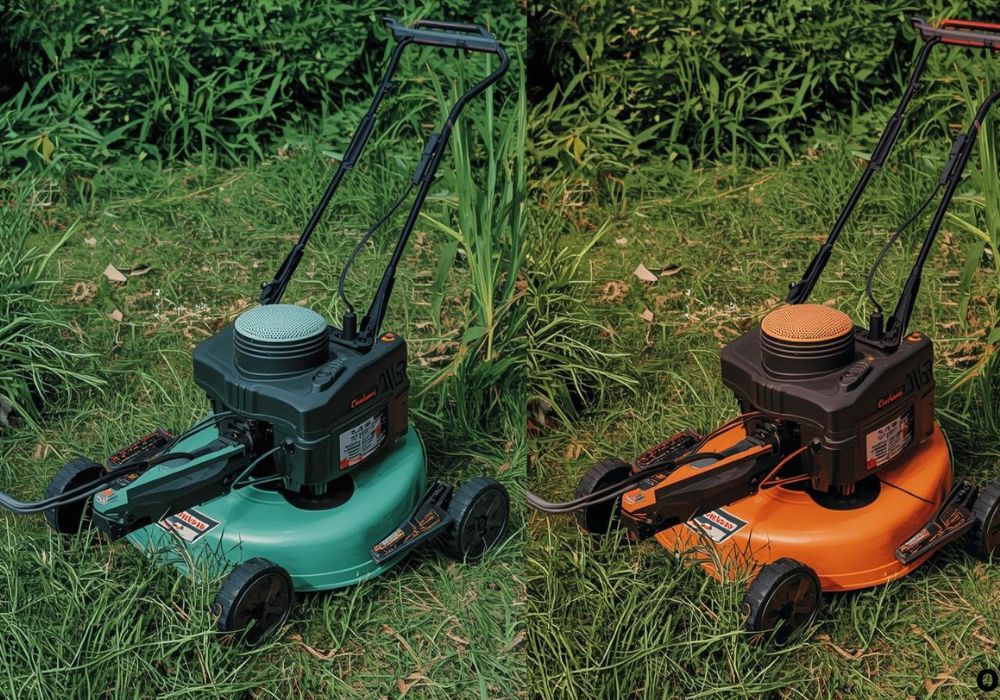
Maintaining your electric mower consistently throughout the year is key to preventing breakdowns and ensuring optimal performance. Year-round attention to essential components reduces repair costs and extends mower life.
Blades should be kept sharp at all times. Dull blades tear grass rather than cutting it cleanly, which damages your lawn and puts extra strain on the mower motor. Inspect blades regularly and sharpen or replace them as needed.
Clean the mower deck after every mowing session to remove grass clippings, dirt, and debris. A clean deck prevents rust, maintains smooth blade rotation, and ensures consistent cutting performance.
Battery maintenance is critical year-round. Charge batteries according to manufacturer instructions, avoid deep discharges, and monitor performance. Check for swelling, leakage, or reduced runtime as these are signs the battery may need replacement.
Inspect wheels, brushes, and moving parts frequently. Lubricate axles, joints, and other moving components to prevent wear and ensure smooth operation. Check all safety switches, handles, and cords for damage to guarantee safe operation.
By following a year-round routine, you can maintain reliable cutting performance, extend battery life, and protect your investment in the mower. Consistency in cleaning, sharpening, and checking components ensures your mower performs at peak efficiency no matter the season.
Should blades be maintained year-round?
Yes, keeping them sharp ensures efficient and clean cuts.
How often should the deck be cleaned?
After every mowing session to prevent buildup and rust.
Should safety switches be inspected regularly?
Yes, to ensure the mower operates safely.
Is lubrication important?
Yes, it reduces friction, wear, and prolongs moving parts’ life.
How can I maximize battery life?
Charge properly, avoid full discharges, and store batteries correctly.
Common Mistakes to Avoid
Even with a detailed maintenance plan, mistakes can reduce your mower’s lifespan and efficiency. Avoid these common errors to keep your electric mower running smoothly.
One major mistake is skipping seasonal maintenance. Neglecting spring tune-ups, summer checks, fall preparation, or winter storage can result in rust, battery degradation, or mechanical failures.
Overcharging or undercharging the battery is another frequent error. Both practices can shorten battery life, reduce performance, and increase replacement costs. Always follow the manufacturer’s charging guidelines.
Mowing with dull blades damages grass and strains the motor. It also leads to uneven lawn cuts and may require more frequent mowing, increasing wear on the mower.
Improper storage, such as keeping the mower in damp areas or outdoors, promotes rust and corrosion. Exposure to moisture damages metal components and reduces the mower’s operational lifespan.
Skipping lubrication or failing to inspect moving parts regularly also causes premature wear and mechanical issues. Small maintenance tasks like tightening bolts, cleaning, and lubricating are critical to avoid costly repairs.
By recognizing these mistakes and avoiding them, homeowners can maintain mower efficiency, prolong battery life, and ensure consistent, healthy lawn cuts all year long.
Can skipping seasonal checks cause damage?
Yes, it can lead to rust, poor performance, and shorter battery life.
Does overcharging the battery harm it?
Yes, overcharging reduces lifespan and can cause overheating.
What happens if blades are dull?
Grass is torn, mowing becomes harder, and the lawn suffers.
Is storing in damp areas bad?
Yes, moisture promotes corrosion and damages components.
What if lubrication is skipped?
Moving parts wear faster, leading to mechanical problems.
Conclusion
A well-maintained electric lawn mower not only performs better but also lasts longer, saving time, money, and frustration.
Seasonal care—from spring tune-ups to summer monitoring, fall preparation, and winter storage—is crucial for maximizing efficiency and battery life.
Regular maintenance, including blade sharpening, deck cleaning, lubrication, and battery checks, ensures smooth operation and reduces unexpected breakdowns.
By adopting a consistent maintenance routine, homeowners can prevent common issues such as battery degradation, dull blades, and corrosion. Following these tips also enhances mower safety, improves cutting performance, and helps maintain a pristine, healthy lawn throughout the year.
Investing a little time each season in your mower keeps it running at peak performance, extends the lifespan of both blades and battery, and ensures effortless, worry-free mowing every year.
With proper care, your electric lawn mower will remain a reliable tool for years to come, no matter the season.

I’m Maya L. Greenwood, a lifelong plant lover who believes anyone can grow something beautiful with the right guidance. After years of testing soil mixes, pruning methods, irrigation tricks, and pest-safe solutions, I started EasyGardenTips.com to turn hard-won lessons into step-by-step advice. From seed starting and container gardens to composting and seasonal checklists, my goal is to make gardening simple, sustainable, and fun.