
Every gardener knows the frustration of seeing weeds invade a carefully planted garden, stealing nutrients, water, and sunlight from vegetables, flowers, and shrubs.
The constant cycle of bending, pulling, and hoeing can feel endless, leading many gardeners to search for a long-term solution that reduces weeding time.
Mulch is often recommended as a natural way to control weeds, but many wonder whether it truly prevents weeds or simply slows them down.
The promise of mulch is not just about weed suppression but also about soil health, water retention, and improved garden appearance.
According to University of California Agriculture, weeds can reduce crop yields by up to 34% when uncontrolled, making weed management essential for productive gardening.
Mulch appears to be a simple answer, but effectiveness depends on how it is applied, the type used, and ongoing maintenance.
Understanding whether mulch prevents weeds in gardens requires looking at the science, the benefits, the mistakes to avoid, and the best practices for long-term success.
This complete guide explores everything you need to know about using mulch as a weed control strategy in 2025.
What Is Mulch and How Does It Work?
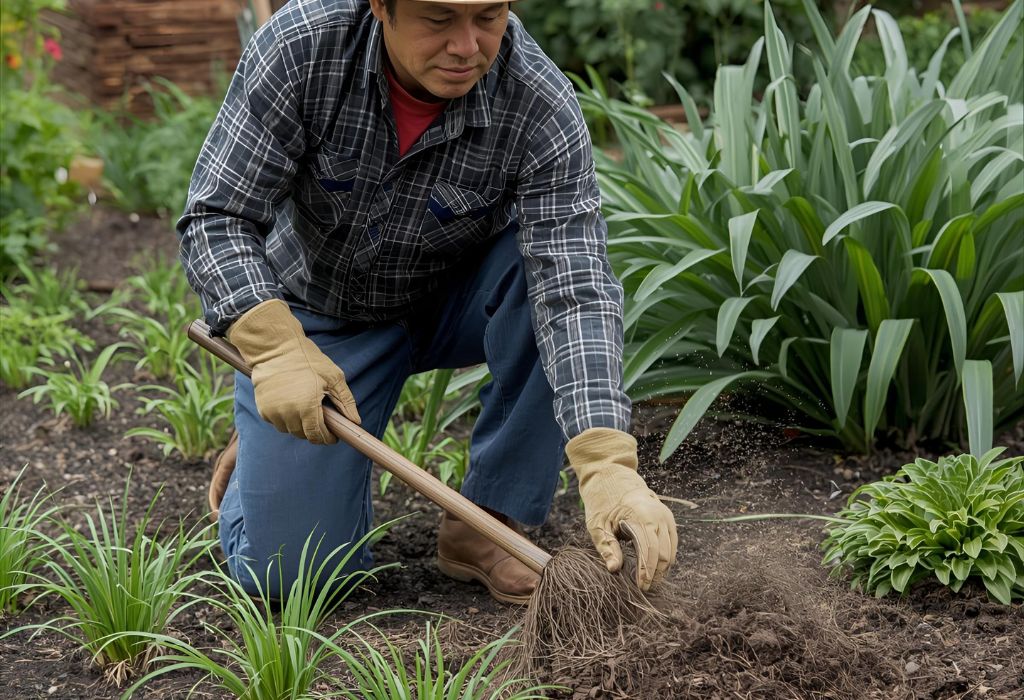
Mulch is a layer of material placed on the soil surface to cover and protect it. It comes in two main types: organic mulches like bark, straw, and compost, and inorganic mulches like gravel, plastic, or rubber.
The primary way mulch prevents weeds is by blocking sunlight, which stops many weed seeds from germinating. Without light, seeds remain dormant and fewer weeds emerge.
Mulch also conserves soil moisture by slowing evaporation, which benefits plants but limits weeds that thrive in exposed soil. It moderates soil temperature, keeping roots cooler in summer and warmer in winter.
Not all mulches are equally effective at weed control. Some break down quickly or are applied too thinly, reducing their ability to suppress unwanted growth.
What is mulch?
A material layer placed on soil for protection and weed control.
How does mulch work?
It blocks sunlight, reduces evaporation, and controls soil temperature.
Does it always block weeds?
No, effectiveness depends on type and thickness.
What types of mulch exist?
Organic (bark, straw, compost) and inorganic (gravel, rubber).
Is mulch only for weed control?
No, it also improves soil and water retention.
Does Mulch Really Prevent Weeds?
Mulch significantly reduces weeds but does not completely eliminate them. Even with mulch, some hardy weeds find ways to grow through cracks or on top of decomposed layers.
Thickness plays a key role in effectiveness. A layer of 2–4 inches is usually recommended to block most light and prevent germination.
If mulch is spread too thinly, weeds can easily push through. If it is spread too thickly, it may restrict water and air from reaching plant roots.
Mulch is a strong weed deterrent, but it works best when combined with pre-weeding and regular garden maintenance.
Does mulch completely stop weeds?
No, but it reduces them dramatically.
How thick should mulch be?
At least 2–4 inches for best results.
Can weeds grow on mulch?
Yes, especially if seeds land on top.
Does mulch work better than fabric?
Often yes, with added soil benefits.
Does fresh mulch kill weeds?
Yes, it blocks light and smothers young weeds.
Types of Mulch for Weed Prevention
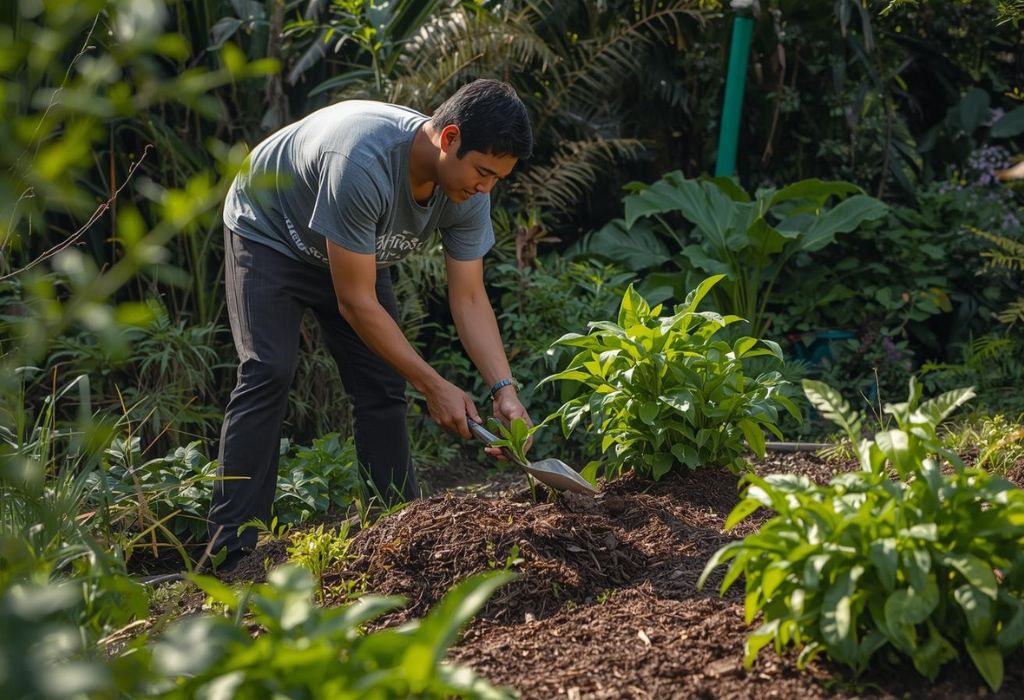
Organic mulch includes bark chips, straw, compost, shredded leaves, and wood chips. These materials suppress weeds while enriching the soil as they decompose.
Inorganic mulch includes gravel, stones, rubber, and landscape fabric. These provide long-lasting weed control but do not improve soil health.
Bark mulch is one of the most popular choices because it lasts long and adds a finished look to gardens. Straw and compost are widely used in vegetable gardens for both weed control and fertility.
Rubber mulch and landscape fabric are effective at blocking weeds but may restrict natural processes. Choosing the right type depends on the garden’s purpose.
What is the best mulch for weeds?
Bark or straw, depending on the garden type.
Do wood chips block weeds?
Yes, they are effective and long-lasting.
Is straw good for vegetables?
Yes, it suppresses weeds and improves soil.
Does rubber mulch stop weeds?
Yes, but it does not benefit soil.
Are inorganic mulches better?
They last longer but lack soil benefits.
How Mulch Compares to Other Weed Control Methods
Compared to landscape fabric, mulch provides a more natural and soil-friendly approach. Fabric blocks weeds but also prevents organic matter from enriching soil.
Compared to herbicides, mulch avoids chemicals that may harm the environment or nearby plants. It is safer for pets, children, and pollinators.
Hand-weeding and hoeing are effective but labor-intensive. Mulch reduces the frequency of these chores, saving time for gardeners.
Mulch is considered eco-friendly because it uses natural materials and contributes to long-term soil improvement. It balances weed control with sustainability.
Is mulch better than fabric?
Yes, it benefits soil while blocking weeds.
Does mulch replace herbicides?
Yes, it can reduce or eliminate the need.
Do you still need to weed?
Yes, but much less frequently.
Is mulch more eco-friendly?
Yes, especially organic mulch.
Can mulch work with other methods?
Yes, it combines well with edging and hand-weeding.
Best Practices for Using Mulch to Prevent Weeds
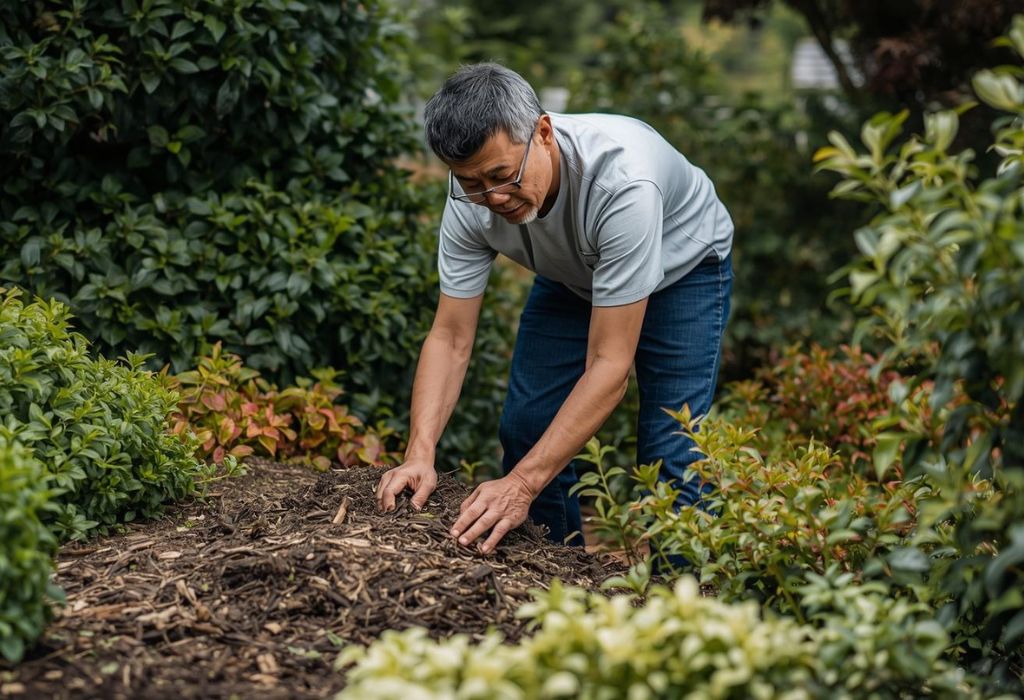
Always apply mulch at the correct thickness of 2–4 inches. Less than that allows weeds through, while more can suffocate plants.
Leave a small gap around plant stems and tree trunks. Piling mulch directly against them leads to rot and pest problems.
Reapply mulch annually as it decomposes. Organic mulch breaks down into compost and gradually loses its effectiveness.
Weed the area before applying mulch to maximize effectiveness. Starting with a clean bed ensures fewer weeds later.
How thick should mulch be for weeds?
At least 2–4 inches.
Do you put mulch on bare soil?
Yes, after removing existing weeds.
How often should you replace mulch?
Once a year for organic types.
Does mulch hurt plant stems?
Yes, if piled directly against them.
Can mulch attract pests?
Yes, especially if applied too close to plants.
Mistakes Gardeners Make with Mulch
One of the most common mistakes is applying mulch too thinly, which allows weeds to grow through easily. Another mistake is applying it too thickly, which can choke plants.
“Volcano mulching,” or piling mulch against tree trunks, causes bark rot and pest infestations. This practice harms rather than helps plants.
Using the wrong type of mulch for the wrong setting also reduces effectiveness. For example, rubber mulch in vegetable beds may block weeds but does not improve soil.
Another mistake is failing to remove existing weeds before mulching. Without preparation, weeds quickly resurface through gaps.
What is volcano mulching?
Piling mulch against stems or trunks.
Can too much mulch harm plants?
Yes, it blocks air and water.
Does mulch always stop weeds?
No, but it reduces them significantly.
What happens if you don’t weed first?
Weeds grow through the mulch.
Which mulches should be avoided?
Inappropriate types for the garden’s needs.
Long-Term Benefits of Mulching Beyond Weed Control
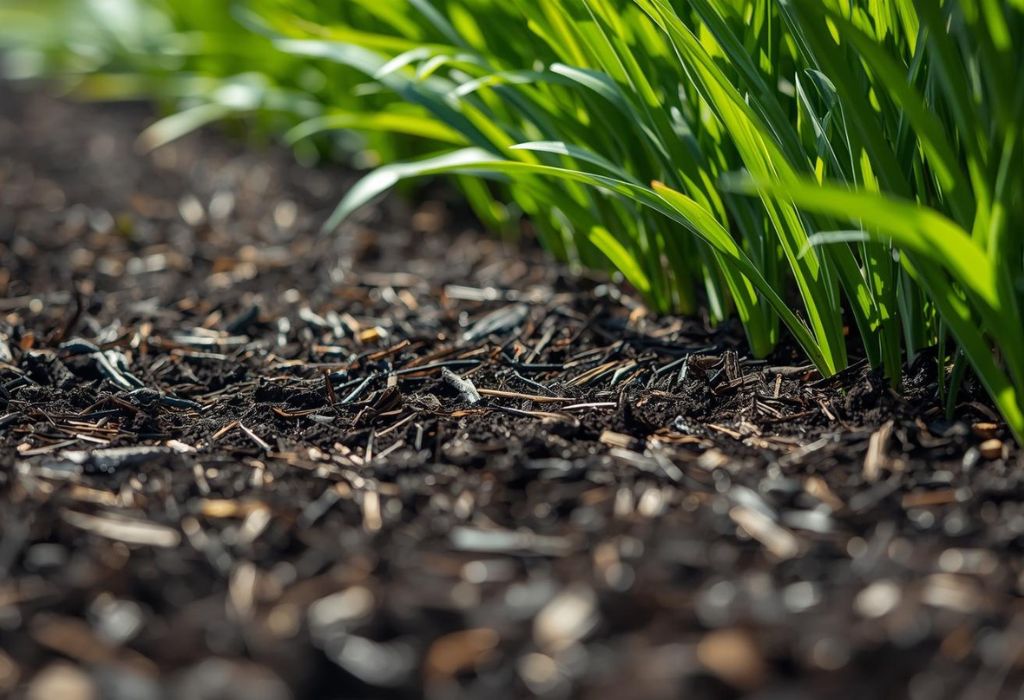
Organic mulches decompose into nutrient-rich humus that improves soil fertility. This makes mulch an investment in long-term garden health.
Mulch helps conserve water by reducing evaporation, cutting irrigation needs by as much as 25–50% in hot climates. This makes gardens more sustainable.
Temperature regulation is another major benefit. Mulch keeps soil cool during summer heat and insulates roots during cold spells.
Finally, mulch enhances the overall look of a garden. A clean, uniform surface adds visual appeal while serving practical purposes.
Does mulch improve soil?
Yes, organic mulch enriches soil as it decomposes.
Can mulch save water?
Yes, it reduces evaporation and irrigation needs.
Does it protect roots from heat?
Yes, it insulates against extreme temperatures.
Does mulch look decorative?
Yes, it creates a neat appearance.
Is mulch good long-term?
Yes, it benefits both plants and soil.
Conclusion
Mulch is one of the most effective natural methods to reduce weeds in gardens, though it does not completely eliminate them. It works by blocking light, conserving moisture, and creating healthier soil conditions.
Different mulches provide different benefits, with organic types improving soil over time and inorganic types offering durability. The key is choosing the right mulch and applying it correctly.
While mulch won’t stop every weed, it significantly reduces the workload for gardeners and supports a healthier, more sustainable garden environment.
Final advice: apply mulch properly, avoid common mistakes, and use it as part of an integrated weed control strategy for the best long-term results.

I’m Maya L. Greenwood, a lifelong plant lover who believes anyone can grow something beautiful with the right guidance. After years of testing soil mixes, pruning methods, irrigation tricks, and pest-safe solutions, I started EasyGardenTips.com to turn hard-won lessons into step-by-step advice. From seed starting and container gardens to composting and seasonal checklists, my goal is to make gardening simple, sustainable, and fun.