
You grab your electric mower on a bright Saturday morning, ready to trim the lawn. As you set it up, a question pops into your head — does it need oil like the old gas mower?
The thought lingers, and you glance at the manual, half-expecting instructions about oil changes and filters. But you won’t find them.
Electric lawn mowers have transformed lawn care. They start instantly, run quietly, and skip the constant fuss of gas, oil, and fumes. Yet confusion remains — especially for homeowners used to maintaining gas machines for years. If it has a motor, doesn’t it still need oil?
In this detailed guide, we’ll break down whether electric lawn mowers need oil, what types of lubrication (if any) they require, and how to maintain them for long-term performance.
By the end, you’ll know exactly which parts need attention and how to keep your mower running smoothly without a single drop of motor oil.
How Electric Lawn Mowers Actually Work
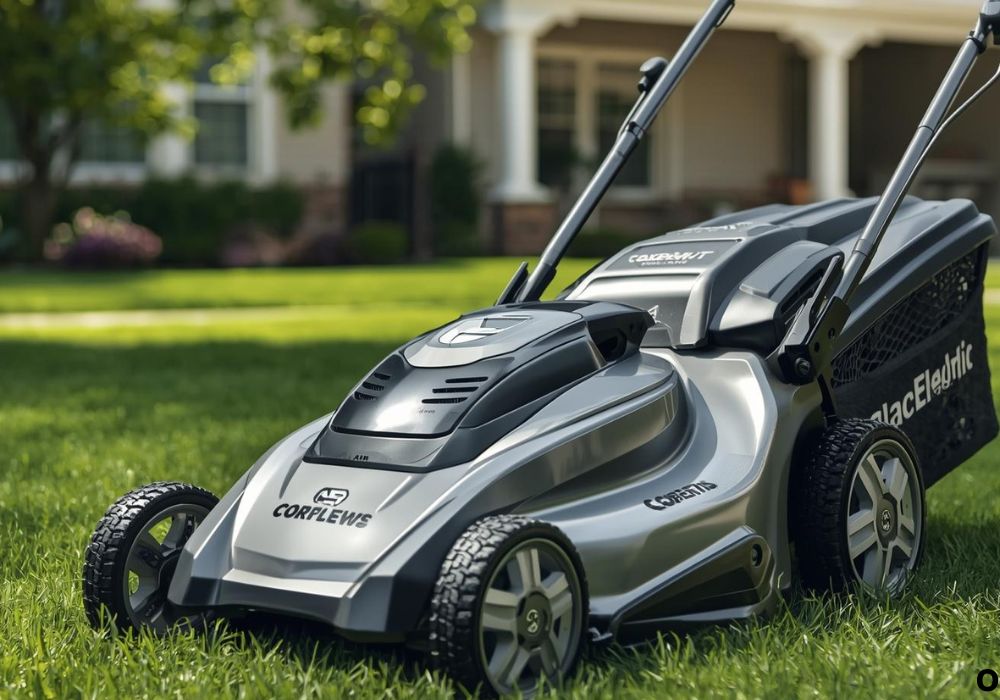
Electric mowers operate very differently from their gas counterparts. Instead of a combustion engine, they use an electric motor powered by a battery or a power cord. Electricity flows through copper windings, generating a magnetic field that spins the motor shaft and, ultimately, the blades.
There’s no piston, crankshaft, or oil reservoir inside. The internal system is sealed, simple, and designed for efficiency. Because there’s no fuel burning or engine friction, the motor doesn’t need lubrication the way a gas mower does.
Battery-powered models use lithium-ion cells, while corded ones rely directly on household current. Either way, the energy is clean and consistent. Maintenance focuses more on keeping the mower clean, sharp, and charged — not lubricated with oil.
Understanding this mechanism clears up the confusion: no moving pistons mean no oil needed for operation.
Do Electric Lawn Mowers Really Need Oil?
Here’s the straight answer: No, electric lawn mowers do not need engine oil. Their motors are sealed systems with internal bearings that are either permanently lubricated or require minimal factory grease. You won’t ever have to pour or change oil.
However, some external components — such as wheels, height adjusters, and pivot points — may benefit from a light lubricant or silicone spray to keep them moving smoothly. This is maintenance lubrication, not engine oiling.
The only “oil” you might use is a small amount of machine oil or light grease on the metal joints or blade bearings. Think of it like applying moisturizer to hinges — not feeding an engine.
So when you see a cap or panel on your electric mower, resist the temptation to add oil unless the manufacturer’s manual specifically recommends it.
Why Gas Mowers Require Oil but Electric Ones Don’t
Gas mowers run on internal combustion engines — miniature versions of car engines. Inside them, pistons move rapidly in cylinders, creating heat and friction. Engine oil forms a thin film between these parts, preventing metal-to-metal contact and keeping the engine cool.
Without oil, the engine would seize in minutes. That’s why gas mowers require regular oil checks, changes, and filters. The oil also traps debris and carbon deposits from burning fuel.
Electric mowers, however, skip this process entirely. Their brushless or brushed motors generate motion through electromagnetism, producing very little heat and almost no friction. There are no combustion gases, no valves, and no crankcase — so no need for oil circulation or cooling systems.
This key difference makes electric mowers cleaner, quieter, and easier to maintain.
Which Parts of an Electric Mower Need Maintenance
Even though electric mowers don’t require oil, that doesn’t mean they’re maintenance-free. Several mechanical parts benefit from periodic attention:
- Blades: Keep them sharp to ensure efficient cutting and reduce strain on the motor.
- Wheel Axles: Apply light grease if they squeak or stiffen.
- Height Adjustment Lever: Lubricate pivot points occasionally.
- Blade Shaft: If exposed, add a drop of machine oil once a season.
- Deck Underside: Clean grass buildup to prevent rust and corrosion.
Unlike gas engines that rely on complex maintenance cycles, these steps are simple, quick, and infrequent. A few minutes of care after every few uses will keep your mower operating like new.
How to Lubricate Moving Parts Properly
When it comes to maintenance lubrication, the process is straightforward. First, disconnect the power or remove the battery. Safety always comes first.
Clean the moving parts with a dry cloth to remove grass or dirt. Apply a few drops of light machine oil or silicone spray to the axle ends, levers, and blade bearings. Avoid thick automotive grease — it can attract dust and clog joints.
Rotate the wheels or levers manually to distribute the oil evenly. Wipe off any excess to prevent drips. For most users, this simple lubrication once or twice a season is enough.
If your mower has a metal cutting deck, adding a thin coat of WD-40 or rust inhibitor before winter helps keep it corrosion-free.
Common Mistakes to Avoid
Many new electric mower owners unknowingly treat their machine like a gas model. Here are the biggest mistakes to avoid:
- Adding motor oil to the mower body: Electric motors don’t have oil ports — adding oil can damage internal circuits.
- Using heavy grease: It attracts debris and causes wear.
- Ignoring cleaning: Grass buildup retains moisture, leading to rust.
- Spraying water directly on the motor: Always use a damp cloth, never a hose.
- Over-lubricating: A few drops are enough; too much traps dirt.
Following these tips ensures long-term reliability without voiding warranties or harming the motor.
Long-Term Maintenance and Storage Tips
Electric mowers need care during off-season storage, especially in cold or humid environments. Before storing:
Clean the deck thoroughly and dry it completely. Remove the battery and store it indoors at about 50–60% charge. Cover the mower with a breathable, waterproof cover to block dust and moisture.
Avoid storing directly on concrete floors — cold surfaces can cause condensation. Instead, use a wooden platform or shelf. Once a month, check the battery charge level to prevent deep discharge.
Proper winter storage prevents rust, corrosion, and battery degradation, ensuring your mower starts instantly when spring returns.
Safety Tips When Handling and Maintaining Electric Mowers
Electric lawn mowers are designed for convenience, but safety should always come first. Before performing any maintenance or cleaning, always unplug the power cord or remove the battery to prevent accidental startups.
Never tilt the mower while it’s still connected — doing so can expose internal electrical parts to moisture or debris.
Avoid mowing on wet grass or damp surfaces since water can enter the motor vents and increase the risk of short circuits. If your mower is corded, always use an outdoor-rated extension cord and keep it clear of the blade path.
For battery-powered models, inspect the terminals regularly and wipe them clean to prevent corrosion.
Wear closed-toe shoes, gloves, and safety glasses when cleaning blades or changing parts. Store the mower in a dry, ventilated space away from direct sunlight and moisture to prevent rust. When lifting or carrying, always use the handle provided and avoid touching sharp edges.
By following these simple yet essential precautions, you’ll protect yourself and extend your mower’s lifespan safely.
Benefits of Oil-Free Electric Lawn Mowers
Owning an oil-free electric mower means saying goodbye to messy maintenance. With no engine oil, spark plugs, or air filters to worry about, electric models are cleaner, quieter, and easier to operate. They start instantly, emit no fumes, and require minimal servicing compared to gas mowers.
This simplicity saves both time and money while reducing environmental impact. Since electric motors have fewer moving parts, there’s less wear and tear, resulting in a longer lifespan and lower repair costs. You also avoid issues like oil leaks, fuel spills, and exhaust buildup.
Their lightweight, compact design makes storage simple, and because they operate quietly, you can mow early mornings or evenings without disturbing neighbors.Whether you’re maintaining a small yard or mid-sized lawn, an oil-free mower offers efficiency, convenience, and eco-friendly performance every season.
Electric Lawn Mower FAQ: Maintenance Made Simple
Do electric mowers have oil inside them?
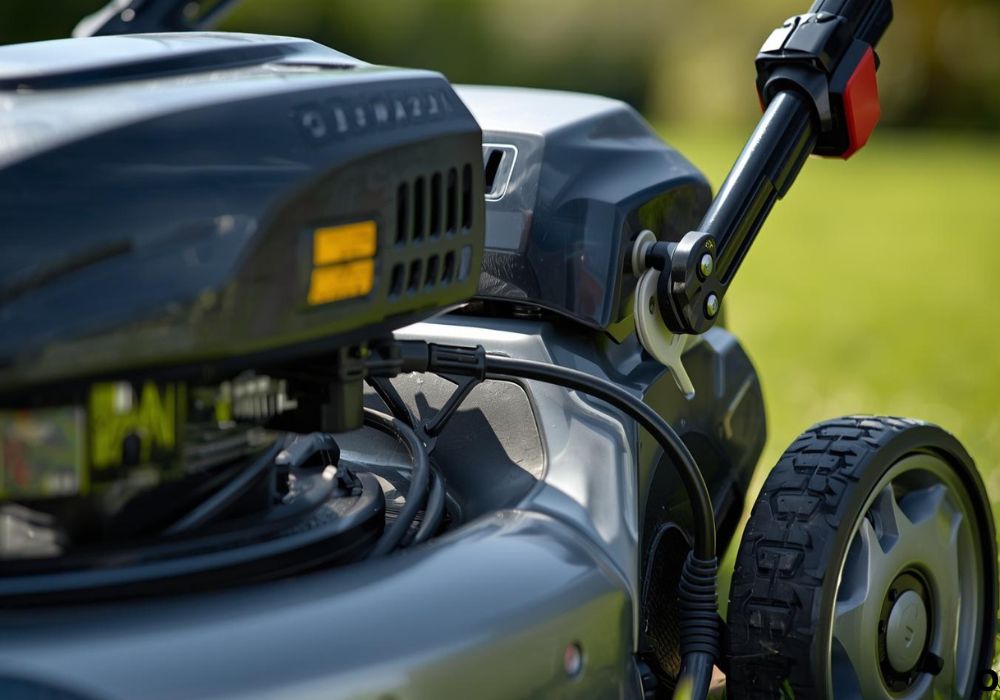
No. Electric motors are sealed and pre-lubricated at the factory.
Can I add oil to my electric mower?
Never. There’s no reservoir or need for motor oil.
Do the blades need oiling?
Only a light coat of machine oil once or twice a season to prevent rust.
Should I lubricate the wheels?
Yes, apply a small amount of grease to the axle ends if they squeak.
What oil should I use on electric mower parts?
Use lightweight machine oil, silicone spray, or WD-40 — never engine oil.
Does an electric mower use oil for cooling?
No. It uses air circulation; oil would harm the motor.
How often should I lubricate moving parts?
Once every few months or as needed, depending on use.
Can I use vegetable oil as lubricant?
No. It thickens and attracts dirt; use proper machine oil.
Should I clean the motor area with oil spray?
Avoid spraying near electrical components. Use a dry brush instead.
Do self-propelled electric mowers need more lubrication?
Only for wheel gears — follow the manufacturer’s instructions.
Can oiling extend mower lifespan?
Proper lubrication of mechanical parts helps but doesn’t affect the sealed motor.
What happens if I accidentally add oil to the motor?
Stop immediately, disconnect power, and clean the surface. Never open the motor casing.
Do hybrid (battery + corded) models need oil?
No, they follow the same oil-free design as standard electrics.
Does humidity affect oil-free operation?
Moisture can cause corrosion, but not because of missing oil — store it dry.
Can I use WD-40 to clean the blades?
Yes, lightly spray and wipe it off to protect from rust.
Conclusion
Electric lawn mowers represent the evolution of outdoor maintenance — clean, efficient, and oil-free. They’ve removed one of the biggest hassles homeowners faced with gas engines: oil changes.
Understanding that your mower’s motor doesn’t need oil saves time, money, and effort. Instead, focus on keeping blades sharp, wheels clean, and joints lightly greased. These small steps will make your mower run quietly and efficiently for years.
So, the next time someone asks, “Do electric lawn mowers need oil?” — you’ll have the confident answer: No, they don’t — and that’s what makes them brilliant.

I’m Maya L. Greenwood, a lifelong plant lover who believes anyone can grow something beautiful with the right guidance. After years of testing soil mixes, pruning methods, irrigation tricks, and pest-safe solutions, I started EasyGardenTips.com to turn hard-won lessons into step-by-step advice. From seed starting and container gardens to composting and seasonal checklists, my goal is to make gardening simple, sustainable, and fun.